How to Clean Muck from the Bottom of Your Pond
Cleaning muck from the bottom of your pond is essential for maintaining water quality and supporting aquatic life. The accumulation of organic material, algae, and debris—commonly referred to as muck—can deteriorate the health of your pond and disrupt the ecosystem. To effectively remove this buildup, you can use a combination of manual removal, natural methods, and mechanical tools. In this article, you’ll learn various techniques to clear muck and keep your pond healthy.
Understanding Pond Muck
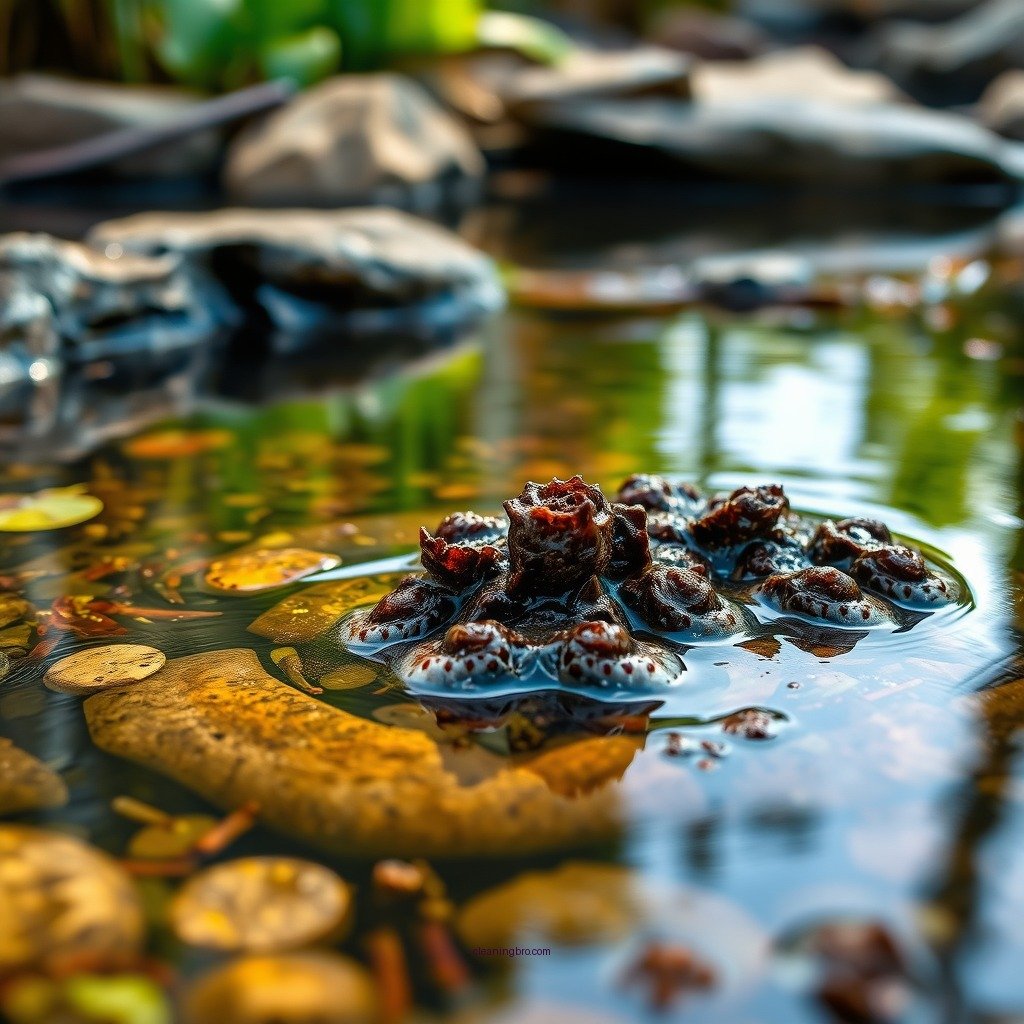
Pond muck consists primarily of decomposed plant material, sediment, and organic waste that settles at the bottom of the pond. It often results from excess nutrients, particularly nitrogen and phosphorus, in the water, which can lead to algal blooms. These blooms, in turn, die off and contribute to muck formation as they decompose. Addressing muck is crucial for several reasons: it improves water clarity, enhances oxygen levels, and supports a balanced ecosystem, which is vital for fish and plant life.
Tools and Equipment Needed
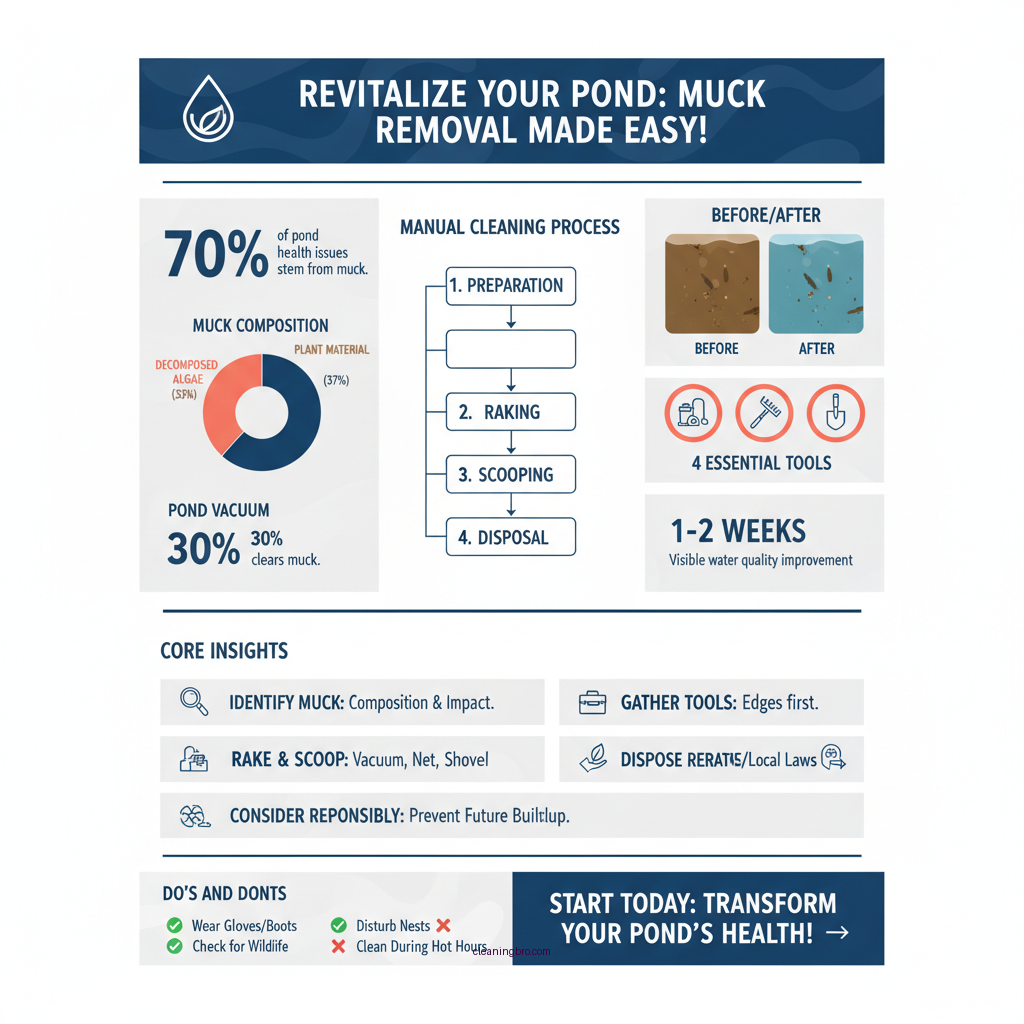
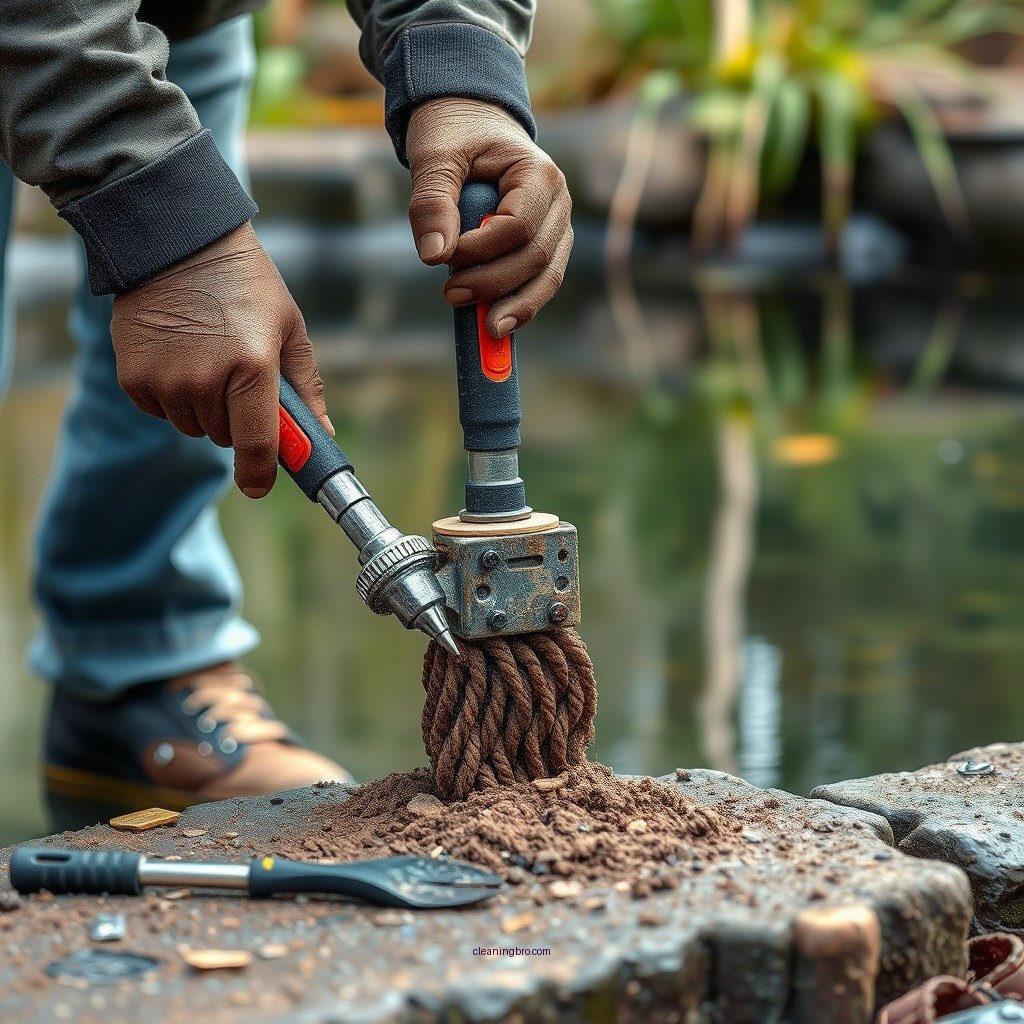
To efficiently tackle muck removal, having the right tools is essential. Here’s a list of essential tools you may need:
– Pond Vacuum: A specialized vacuum designed for water bodies that can suck up muck and debris.
– Rake: A long-handled rake allows for easy manual removal of muck.
– Net: A fine-mesh net can help scoop out floating debris and leaves.
– Shovel: Useful for larger muck deposits that need to be disturbed and removed.
For larger ponds, consider using optional equipment such as:
– Dredgers: Mechanical dredgers can remove significant amounts of muck from deeper areas.
– Aerators: Installing aerators helps maintain oxygen levels and can reduce muck buildup over time.
Manual Cleaning Techniques
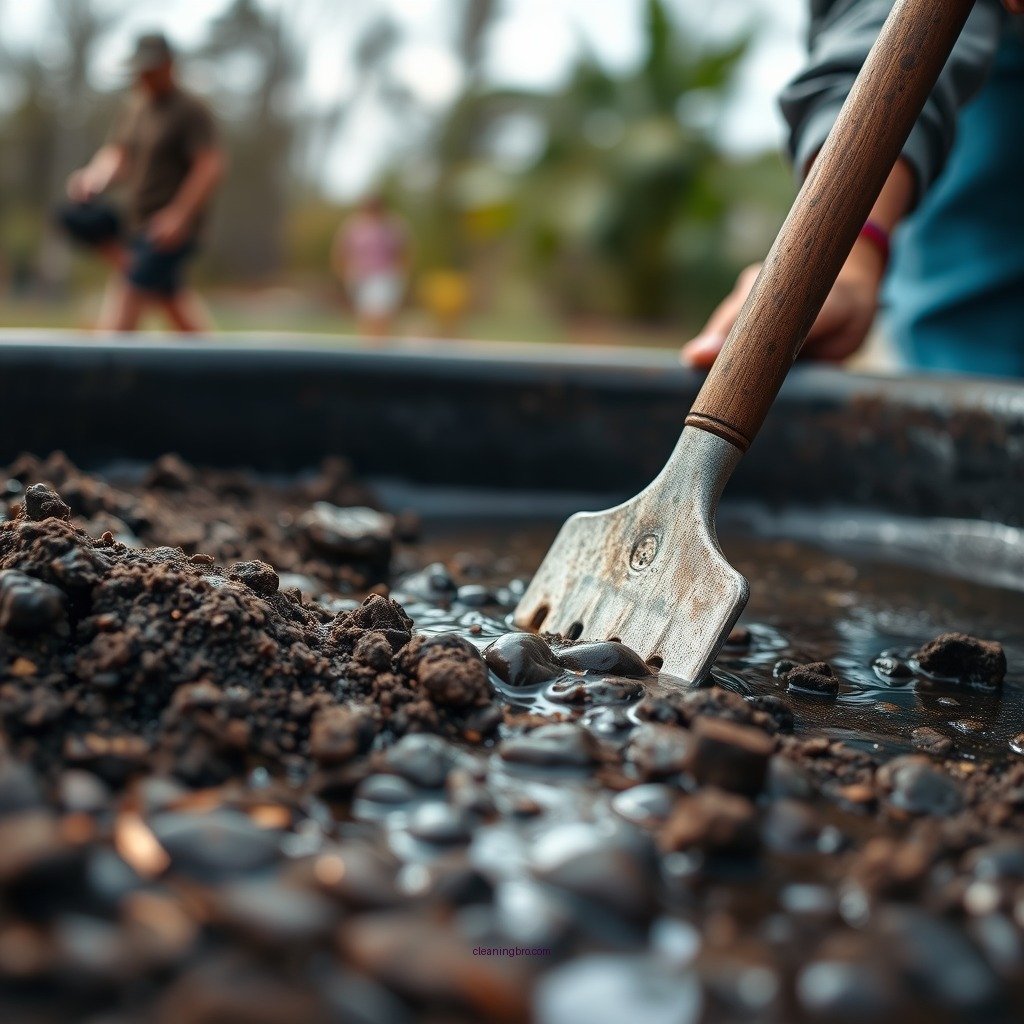
Manual cleaning is an effective way to remove muck without disturbing wildlife. Here’s a step-by-step guide on how to do it:
1. Prepare Your Area: Wear appropriate gear, including gloves and boots. Make sure to remove any surface debris with a net first.
2. Raking: Use a rake to gather smaller amounts of muck. Start from the edges and work your way toward the center to avoid stirring up too much sediment.
3. Scooping: Once you’ve raked the muck into piles, use a net or shovel to scoop it out. Be gentle to minimize disruption to the aquatic life.
4. Disposing of Muck: Place the removed muck in a compost heap to decompose naturally or dispose of it according to local regulations.
Tips: Always check for wildlife nests or fish spawning areas before starting your muck removal process, and try to work during cooler times of the day to reduce stress on aquatic life.
Natural Methods to Reduce Muck
In addition to manual removal, several natural methods can help reduce muck over time:
– Beneficial Bacteria: Introducing beneficial bacteria to your pond can help break down organic matter and reduce muck accumulation. These bacteria feed on excess nutrients and organic debris, improving water quality.
– Enzymes: Commercial enzyme treatments can further enhance the breakdown of muck and organic waste.
– Aquatic Plants: Adding native aquatic plants can absorb excess nutrients from the water, which can help prevent new muck from forming. Plants such as cattails and water lilies can stabilize sediment and improve overall pond health.
Mechanical Solutions for Muck Removal
For larger or more severe muck problems, mechanical solutions may be necessary:
– Pond Vacuums: These devices are highly effective at removing muck and can be used in various conditions. They operate by sucking up both water and muck, which is later filtered out.
Pros: Efficient muck removal, can reach deeper areas, suitable for various pond sizes.
Cons: May require electricity or fuel, can be more costly than manual methods.
– Dredgers: These are larger machines that can remove substantial muck deposits from deep areas of a pond. Dredging is often used for significant restoration projects.
Pros: Effective for large-scale muck removal, can significantly improve water depth and quality.
Cons: Requires heavy equipment, can be expensive, and may disrupt existing aquatic habitats.
Maintaining a Clean Pond
Preventing muck buildup requires consistent maintenance practices:
– Regular Skimming: Remove surface debris and organic matter regularly to prevent it from sinking and decomposing.
– Monitor Nutrient Levels: Regularly test your pond water for nutrient levels. Consider using a natural filtration system or a biofilter to maintain balance.
– Manage Algae: Use natural algae management techniques such as introducing herbivorous fish or beneficial aquatic plants that compete with algae for nutrients.
When to Call in Professionals
Sometimes, muck removal can become too overwhelming or complex for DIY solutions. Signs that your pond may need expert help include:
– Excessive Algal Blooms: If you notice frequent and severe algal blooms, it may indicate high nutrient levels that require professional intervention.
– Deep Muck Accumulation: If muck buildup is significant and affecting water depth or quality, professionals can employ dredging or advanced vacuum systems.
When hiring professionals, expect them to assess your pond, recommend a customized treatment plan, and provide ongoing maintenance support.
Cleaning muck from your pond not only improves its appearance but also enhances the overall ecosystem. By utilizing the techniques and tools discussed, you can enjoy a clearer, healthier pond. Don’t hesitate to start your muck removal project today—your pond will thank you!
Top Tools for Pond Muck Removal (2024)
| # | Tool | Effectiveness | Ease of Use | Cost |
|---|---|---|---|---|
| 1 | Pond Vacuum | High | Moderate | $300-$800 |
| 2 | Rake | Moderate | Easy | $20-$50 |
| 3 | Dredger | Very High | Difficult | $5,000+ |
| 4 | Shovel | Moderate | Easy | $15-$30 |
| 5 | Aquatic Plants | High | Easy | Varies |
| 6 | Enzyme Treatments | Moderate | Easy | $50-$150 |
| 7 | Beneficial Bacteria | High | Easy | $30-$100 |
Pond Vacuum vs. Rake vs. Dredger: Full Comparison
| Feature | ⭐ Pond Vacuum | Rake | Dredger |
|---|---|---|---|
| Effectiveness | ✅ High | ✅ Moderate | ✅ Very High |
| Ease of Use | ✅ Moderate | ✅ Easy | ❌ Difficult |
| Cost | $300-$800 | $20-$50 | $5,000+ |
| Suitable for Depth | Deep | Shallow | Very Deep |
| Mobility | Portable | Lightweight | Heavy Equipment |
| Time Efficiency | ✅ Fast | ✅ Slow | ✅ Very Fast |
| Maintenance | Moderate | Low | High |
| Environmental Impact | Minimal | Low | High |
| User Skill Level | Intermediate | Beginner | Advanced |
| 🏆 Best For | Regular Maintenance | Small Ponds | Deep Muck Removal |
Frequently Asked Questions
What are the best methods to clean muck from the bottom of a pond?
The best methods to clean muck from the bottom of a pond include manual removal with a pond vacuum or rake, using a sediment removal tool, or employing beneficial bacteria that help break down organic matter. Each method has its advantages, depending on the pond size and muck thickness, so consider your specific situation before choosing the right approach.
How often should I clean muck from my pond to maintain water quality?
It’s recommended to clean muck from your pond at least once a year, ideally in the spring or fall, when the water temperature is cooler. Regular cleaning helps maintain water quality, prevents algae growth, and promotes a healthier ecosystem by reducing decomposing organic material.
Why is it important to remove muck from the bottom of my pond?
Removing muck from the bottom of your pond is crucial because it prevents the buildup of harmful gases and toxins, which can negatively affect fish and plant life. Additionally, excess muck can lead to poor water clarity and encourage harmful algae blooms, disrupting the pond’s ecosystem.
Which tools are most effective for muck removal in ponds?
Effective tools for muck removal in ponds include pond vacuums, sediment dredges, and rakes specifically designed for underwater use. Each tool varies in effectiveness based on the size of your pond and the amount of muck present, so it’s essential to choose the right one for your specific cleaning needs.
What natural methods can I use to reduce muck buildup in my pond?
Natural methods to reduce muck buildup in your pond include introducing beneficial bacteria, adding aquatic plants that absorb excess nutrients, and ensuring proper aeration. These methods promote a balanced ecosystem, helping to break down organic matter and improve overall water quality without the need for harsh chemicals.
References
- https://en.wikipedia.org/wiki/Pond_management
https://en.wikipedia.org/wiki/Pond_management - https://extension.psu.edu/pond-management
https://extension.psu.edu/pond-management - https://www.nrcs.usda.gov/wps/portal/nrcs/main/national/water/manage/ponds/
https://www.nrcs.usda.gov/wps/portal/nrcs/main/national/water/manage/ponds/ - https://www.fs.usda.gov/treesearch/pubs/29296
https://www.fs.usda.gov/treesearch/pubs/29296 - https://www.ncbi.nlm.nih.gov/pmc/articles/PMC6481368/
https://www.ncbi.nlm.nih.gov/pmc/articles/PMC6481368/ - https://www.sciencedirect.com/science/article/pii/S0048969719361091
https://www.sciencedirect.com/science/article/pii/S0048969719361091 - Pond | body of water | Britannica
https://www.britannica.com/science/pond - Google Scholar Google Scholar
https://scholar.google.com/scholar?q=clean+muck+from+pond - Google Scholar Google Scholar
https://scholar.google.com/scholar?q=pond+cleaning+techniques - Google Scholar Google Scholar
https://scholar.google.com/scholar?q=sediment+removal+in+ponds