How to Clean Out a Boat Fuel Tank: A Step-by-Step Guide
Cleaning out a boat fuel tank is crucial for the longevity and performance of your vessel. Regular maintenance helps prevent fuel contamination and engine issues, ensuring a smooth sailing experience. This guide outlines the essential steps to effectively clean your boat’s fuel tank, from draining old fuel to reassembling the tank with fresh fuel.
Understanding the Importance of Fuel Tank Maintenance

Maintaining the fuel tank of your boat is not merely a routine task; it’s a vital part of overall boat maintenance. Regular cleaning and inspection can significantly reduce the risk of fuel contamination, which can lead to engine performance issues, including rough idling, stalling, and decreased fuel efficiency. Contaminated fuel can also cause severe damage to your engine, leading to costly repairs.
Additionally, cleaning the fuel tank allows you to inspect it for signs of leaks or corrosion. Corrosion can weaken the tank, eventually leading to leaks that can compromise the safety and integrity of your vessel. By addressing these issues proactively, you can enhance the lifespan of your fuel system and enjoy peace of mind while out on the water.
Preparing for the Cleaning Process
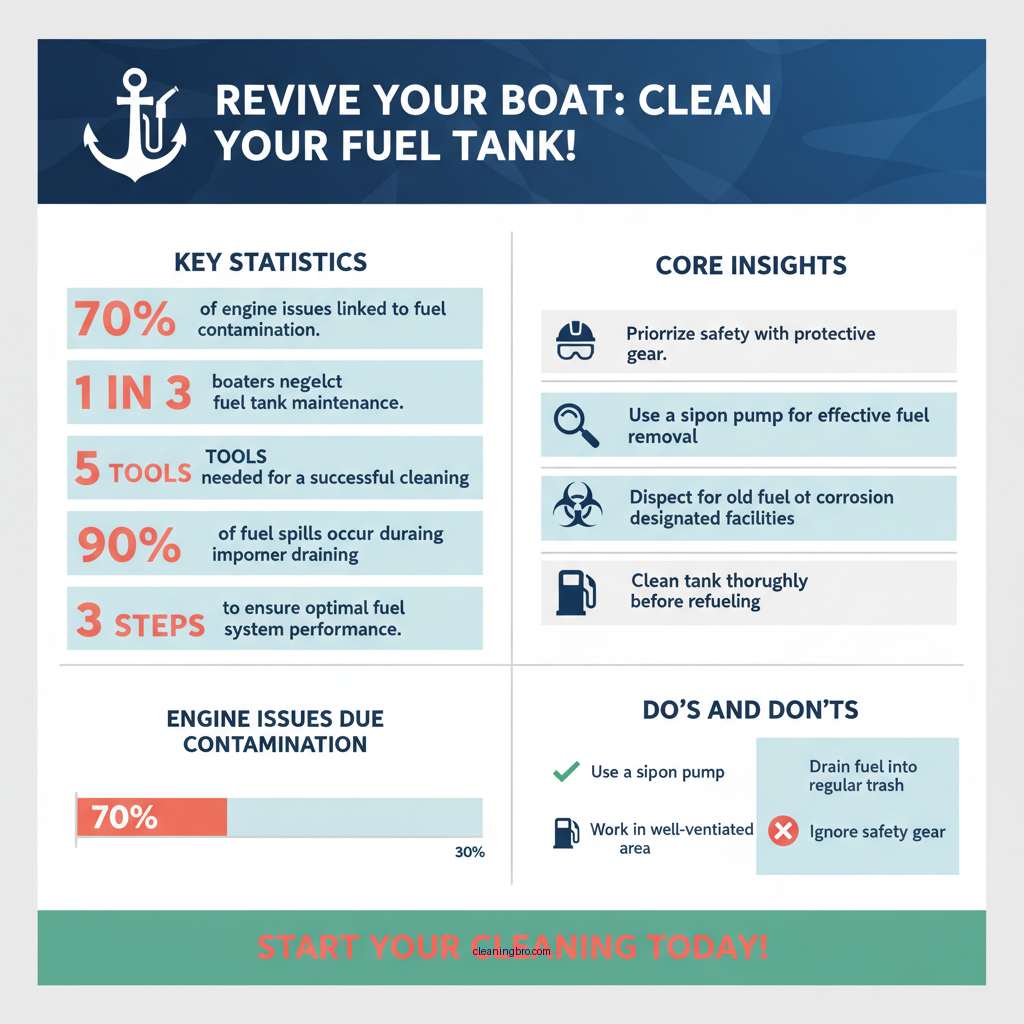
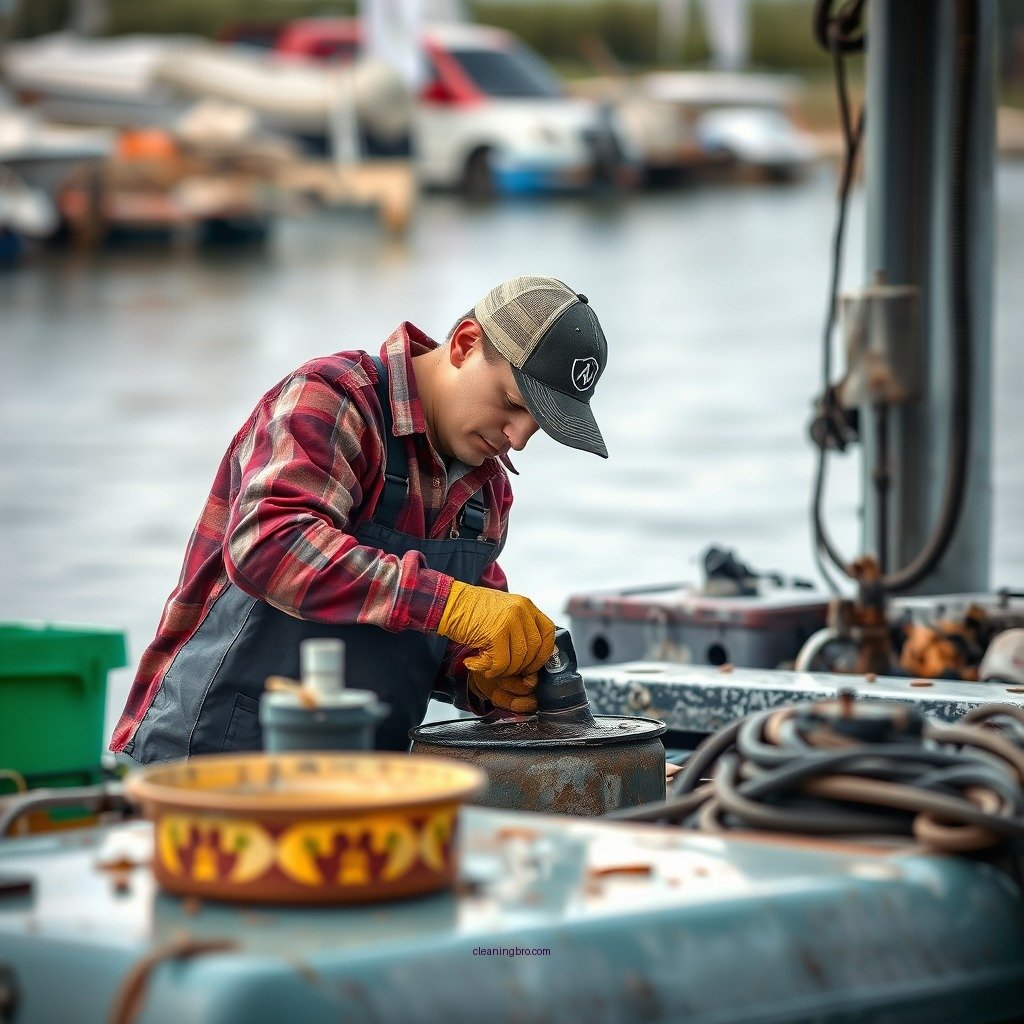
Before you begin the cleaning process, it’s essential to gather all the necessary tools and materials. Here’s a list of what you’ll need:
– Siphon Pump: This is crucial for safely removing old fuel from the tank.
– Fuel Containers: Ensure you have appropriate containers for storing the old fuel.
– Safety Gloves: Protect your hands from chemicals and fuel.
– Rags: Useful for cleaning and wiping down surfaces.
– Flashlight: Provides better visibility, especially in dark spaces within the tank.
Safety should be your top priority during this process. Make sure to work in a well-ventilated area to avoid inhaling harmful fumes. It’s also advisable to wear protective eyewear and avoid any open flames or sparks nearby.
Draining the Old Fuel
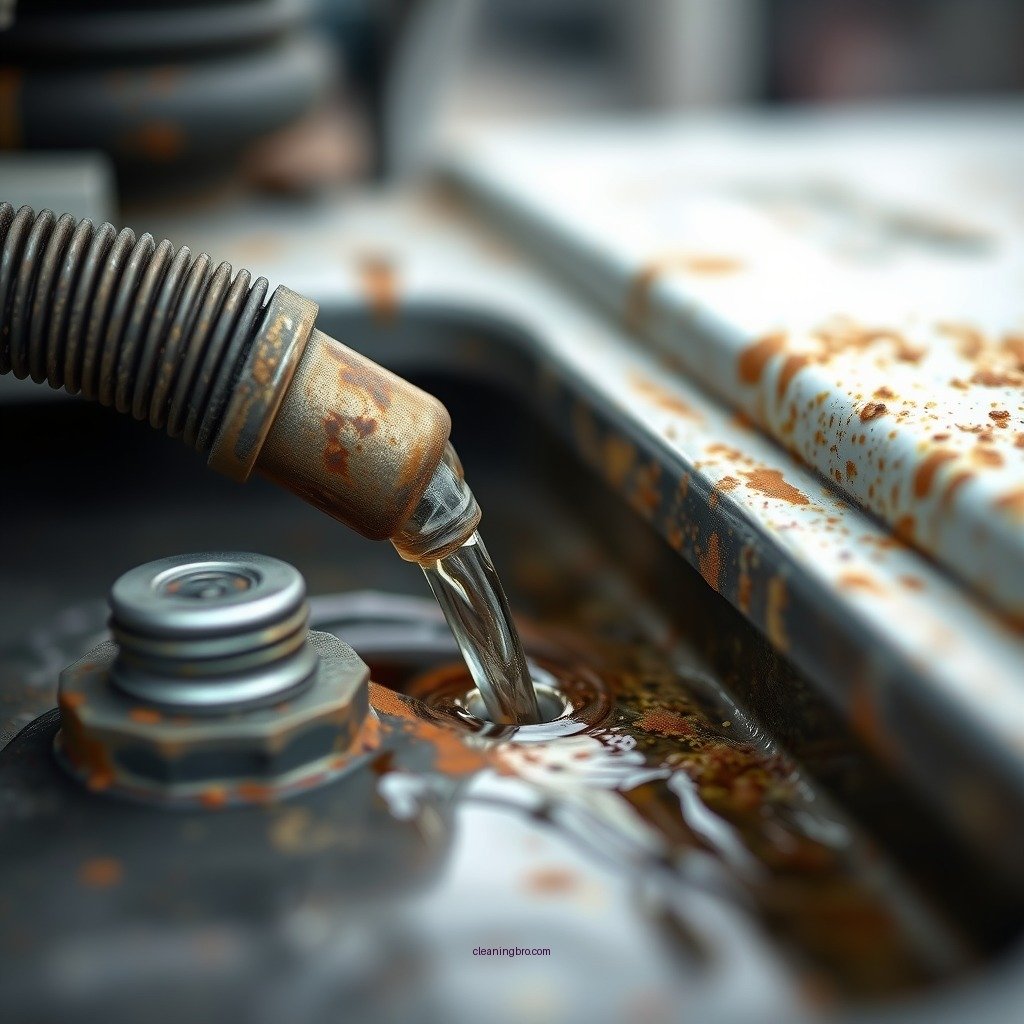
The first step in cleaning your boat’s fuel tank is to drain the old fuel. Using a siphon pump, carefully extract the fuel from the tank and transfer it into your fuel containers. Make sure to follow all local regulations regarding the disposal of old fuel. Never dispose of fuel down the drain or in the trash; instead, take it to a designated hazardous waste disposal facility.
As you siphon out the fuel, be mindful to monitor the flow and ensure you don’t accidentally spill any fuel, which could pose a safety hazard and environmental concern. Once the tank is empty, you can proceed to the next step.
Inspecting the Fuel Tank
With the old fuel drained, the next step is to inspect the interior of the fuel tank. Use a flashlight to illuminate the tank, allowing you to see clearly. Look for any signs of rust, debris, or other contaminants that may have accumulated inside the tank.
Inspect the tank for any signs of damage, such as dents, cracks, or corrosion. If you notice any significant issues, it may be necessary to consult a marine technician for further evaluation. Addressing these problems early can prevent more significant issues down the line and ensure the safe operation of your vessel.
Cleaning the Tank Interior
Cleaning the interior of the fuel tank is a critical step in ensuring that any contaminants are removed. Mix a solution of mild detergent and water, then use a soft scrub brush to clean the tank’s interior surfaces. Be thorough in your cleaning, paying particular attention to corners and crevices where dirt and debris may accumulate.Once you’ve scrubbed the tank, it’s essential to rinse it thoroughly with clean water to remove all soap residue. Leaving detergent in the tank can lead to further contamination of the fuel. After rinsing, allow the tank to dry completely before proceeding to reassemble any components.
Reassembling and Refilling the Tank
After the tank is clean and dry, it’s time to reassemble any components that were removed during the cleaning process. Ensure that all seals and gaskets are in good condition; replace them if necessary to prevent leaks.
Once everything is reassembled, fill the tank with fresh fuel. For added protection, consider adding a fuel stabilizer to help maintain the quality of the fuel, especially if you plan on storing the boat for an extended period. This will help prevent the fuel from degrading and forming varnishes that can clog the fuel system.
Regular Maintenance Tips
To keep your boat’s fuel tank in optimal condition, regular inspections and maintenance are crucial. Schedule periodic fuel tank inspections every few months, especially before the boating season begins. Always keep an eye on fuel quality; if you notice any discoloration or sediment, it may be time for another cleaning.
Additionally, consider installing a filtration system to help catch debris and contaminants from the fuel before they reach the engine. This proactive measure can save you time and money by reducing the likelihood of engine problems in the future.
Keeping your boat fuel tank clean is essential for maintaining optimal performance and safety. By following these steps, you can ensure that your tank is free from harmful contaminants and ready for your next adventure on the water. For further maintenance tips and boat care advice, be sure to explore our other articles!
Top 7 Common Fuel Contaminants Found in Boat Fuel Tanks
| # | Contaminant | Source | Impact on Engine | Removal Method |
|---|---|---|---|---|
| 1 | Water | Condensation | Corrosion, fuel separation | Drain and clean |
| 2 | Sediment | Poor fuel quality | Clogs filters, fuel lines | Filter replacement |
| 3 | Microbial Growth | Old fuel | Blocked fuel system | Thorough cleaning |
| 4 | Rust | Tank corrosion | Leaking fuel | Replace tank |
| 5 | Debris | External sources | Engine failure | Regular cleaning |
| 6 | Fuel Additives | Contaminated fuel | Poor combustion | Use fresh fuel |
| 7 | Bacterial Slime | Stagnant fuel | Clogs filters | Thorough cleaning |
Fuel Quality Solutions: Fuel Stabilizer vs. Fuel Filter vs. Biocide
| Feature | ⭐ Fuel Stabilizer | Fuel Filter | Biocide |
|---|---|---|---|
| Purpose | Prevents fuel degradation | Removes contaminants | Eliminates microbial growth |
| Application | Mixed with fuel | Installed in fuel line | Added to fuel |
| Usage Frequency | Before storage | Regularly | As needed |
| Effectiveness | ✅ High | ✅ Moderate | ✅ High |
| Cost | $15-$30 | $20-$50 | $10-$25 |
| Ease of Use | Simple | Requires installation | Easy |
| Long-term Benefits | Protects fuel quality | Improves engine performance | Prevents fuel degradation |
| Drawbacks | Requires periodic addition | Needs replacement | Limited to microbial issues |
| Best For | Long-term storage | Regular use | Microbial control |
By thoroughly cleaning your boat’s fuel tank and maintaining it regularly, you can significantly enhance your boat’s performance and longevity. Remember to follow the outlined steps, utilize the right tools, and keep an eye on the quality of your fuel. Your attention to detail will pay off in smooth sailing and enjoyable boating experiences.
Frequently Asked Questions
What are the essential steps to clean out a boat fuel tank?
To clean out a boat fuel tank, first, ensure you have the right safety gear, including gloves and goggles. Begin by draining the tank completely and disposing of the old fuel responsibly. Afterward, use a fuel tank cleaner and a soft brush to scrub the interior surfaces, followed by rinsing with clean fuel or diesel to remove any residue. Finally, allow the tank to dry completely before refilling it with fresh fuel.
How often should I clean my boat’s fuel tank?
It’s recommended to clean your boat’s fuel tank at least once a year, or more frequently if you notice sediment buildup or if the boat has been sitting unused for an extended period. Regular cleaning helps maintain fuel quality and prevents clogging of fuel lines, ensuring optimal engine performance.
Why is it important to remove sludge from a boat fuel tank?
Removing sludge from a boat fuel tank is crucial because it can cause fuel contamination, leading to engine performance issues and potential damage. Sludge can block fuel filters and injectors, resulting in hard starts or stalling. Keeping the fuel tank clean helps ensure a smooth and efficient operation of your boat.
What tools do I need to clean a boat fuel tank effectively?
To clean a boat fuel tank effectively, you will need a fuel siphon pump, a soft brush, fuel tank cleaner, and protective gear like gloves and goggles. Additionally, having a vacuum or a wet-dry shop vacuum can assist in removing any debris or sludge that accumulates in the tank.
Which cleaning products are safe to use for a boat fuel tank?
It’s best to use specialized marine fuel tank cleaners that are designed to break down sludge and contaminants without damaging the tank material. Look for biodegradable options that are safe for the environment and effective at removing varnish and build-up. Always check the product label to ensure compatibility with your specific tank type.
References
- https://www.boats.com/how-to/how-to-clean-a-boat-fuel-tank/
https://www.boats.com/how-to/how-to-clean-a-boat-fuel-tank/ - Access to this page has been denied.
https://www.westmarine.com/WestAdvisor/How-to-Clean-a-Boat-Fuel-Tank - https://www.ncbi.nlm.nih.gov/pmc/articles/PMC3505177/
https://www.ncbi.nlm.nih.gov/pmc/articles/PMC3505177/ - Google Scholar Google Scholar
https://scholar.google.com/scholar?q=clean+boat+fuel+tank - https://www.epa.gov/fuels-registration-reporting-and-compliance-help/guidance-fuel-tank-cleaning-and-removal
https://www.epa.gov/fuels-registration-reporting-and-compliance-help/guidance-fuel-tank-cleaning-and-removal - cleaning boat fuel tank | Semantic Scholar
https://www.semanticscholar.org/search?q=cleaning%20boat%20fuel%20tank - https://www.sciencedirect.com/topics/engineering/fuel-tank-cleaning
https://www.sciencedirect.com/topics/engineering/fuel-tank-cleaning - Google Scholar Google Scholar
https://scholar.google.com/scholar?q=boat%20fuel%20tank%20maintenance - Google Scholar Google Scholar
https://scholar.google.com/scholar?q=how+to+clean+out+a+boat+fuel+tank - how to clean out a boat fuel tank – Search results
https://en.wikipedia.org/wiki/Special:Search?search=how+to+clean+out+a+boat+fuel+tank