How to Clean Out an Old Gas Tank: Step-by-Step Guide
Cleaning out an old gas tank is essential for maintaining the efficiency and safety of your vehicle or equipment. By removing old fuel, sediment, and contaminants, you can prevent engine problems and ensure optimal performance. This guide provides a detailed, step-by-step approach to cleaning out an old gas tank, along with essential safety precautions and materials needed.
Safety Precautions

Before starting the cleaning process, it’s crucial to prioritize safety. Working with gasoline and potentially harmful chemicals can pose health risks, so follow these precautions:
– Well-Ventilated Area: Always perform this task in a well-ventilated area to avoid inhaling toxic fumes. Ideally, work outdoors or in a garage with adequate airflow.
– Protective Gear: Wear protective gear such as gloves and goggles to shield against spills and chemical exposure. This will help prevent skin irritation and protect your eyes from splashes.
– Fire Safety: Keep a fire extinguisher nearby, as gasoline is highly flammable. Avoid using any open flames or sparks in the vicinity.
Tools and Materials Needed
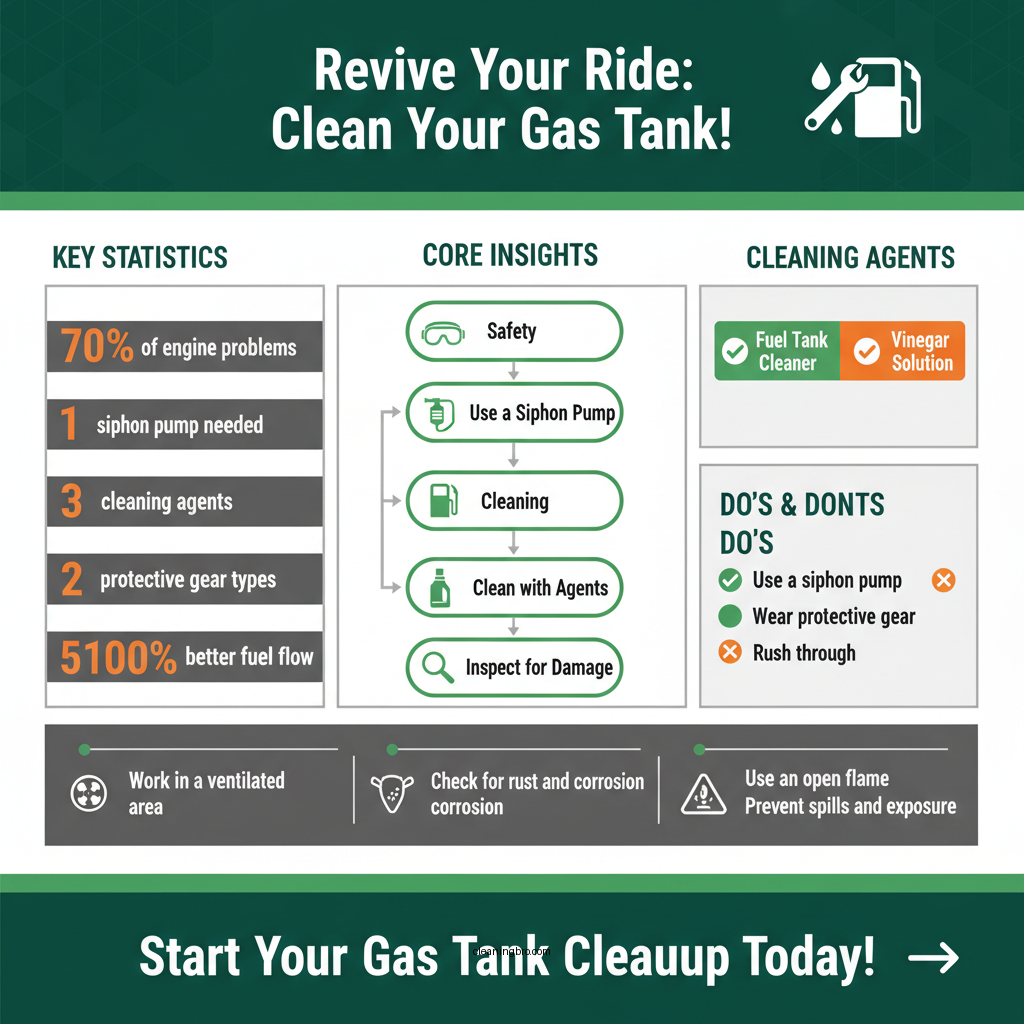
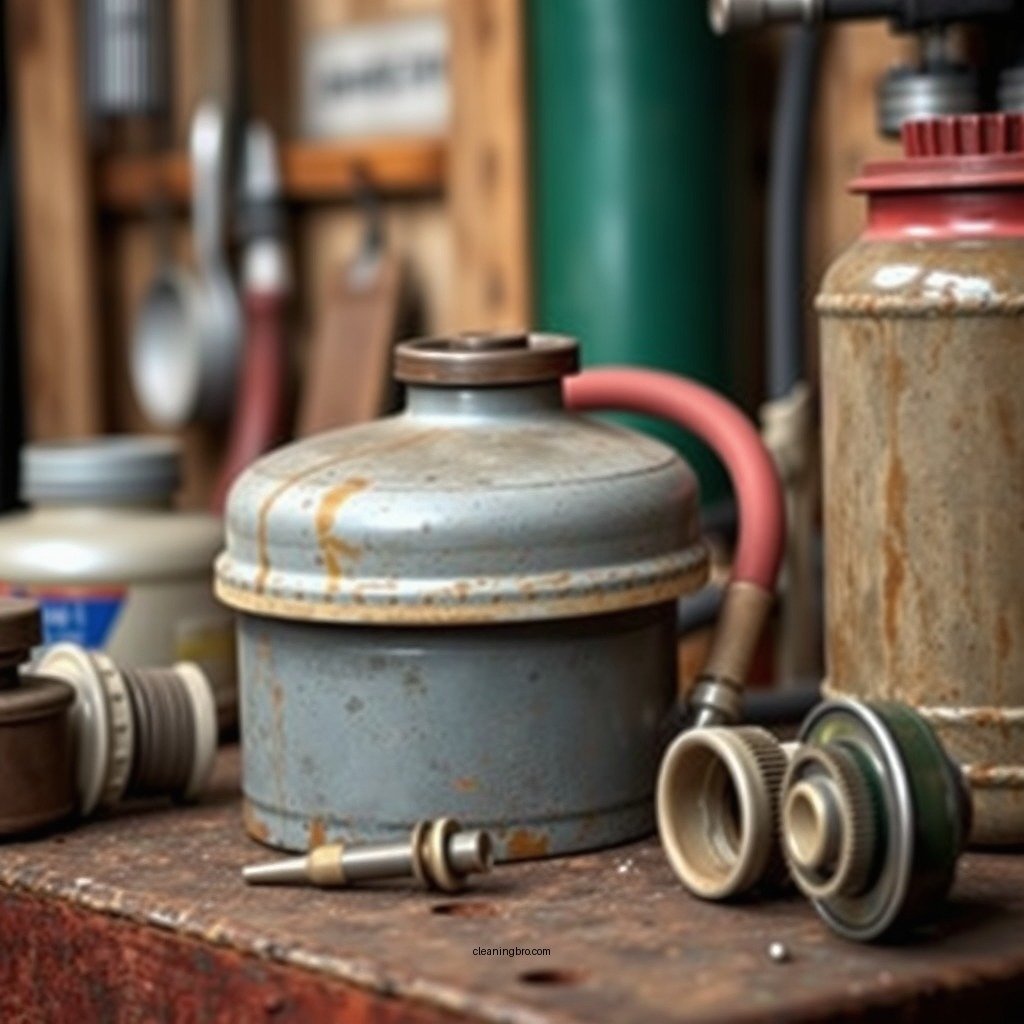
To effectively clean out an old gas tank, you will need specific tools and cleaning agents. Here’s a comprehensive list:
Tools
– Siphon Pump: To safely drain the old gasoline from the tank.
– Wrench: For disconnecting fuel lines and fittings.
– Cleaning Brushes: To scrub the interior surfaces of the tank.
Cleaning Agents
– Fuel Tank Cleaner: Specifically formulated to remove residues and contaminants.
– Vinegar Solution: A mixture of vinegar and water can be an effective and eco-friendly alternative for cleaning.
Draining the Old Gas
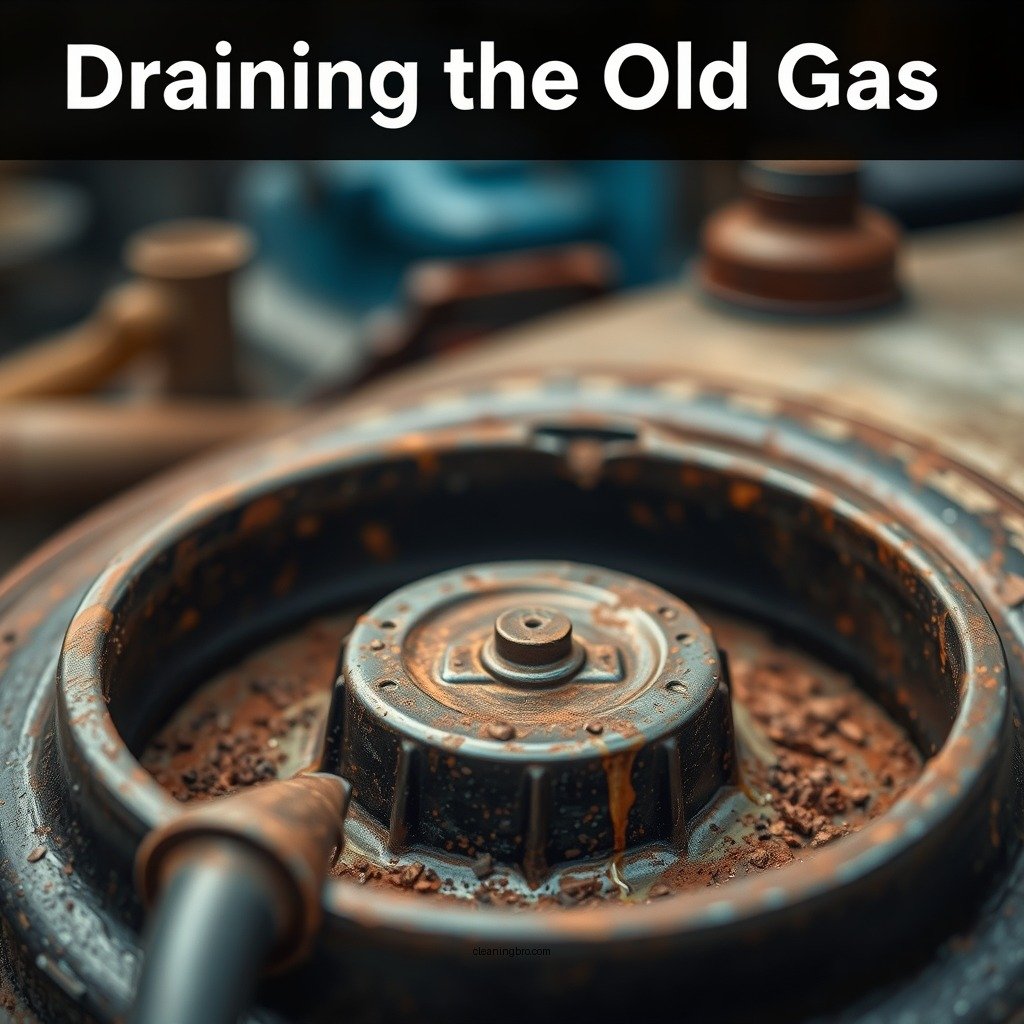
The first step in the cleaning process is to drain the old gasoline:
– Locate the Fuel Line: Identify the fuel line connected to the gas tank. You may need to refer to your vehicle’s service manual for specific instructions on disconnecting it safely.
– Disconnect the Fuel Line: Carefully disconnect the fuel line from the tank. Use a wrench to loosen the connection, ensuring that no gasoline leaks during this process.
– Use a Siphon Pump: Insert the siphon pump into the tank and begin draining the old gas into a suitable container. Ensure the container is clearly labeled and appropriate for hazardous waste disposal.
Inspecting the Gas Tank
After draining the old gas, it’s important to inspect the tank for any damage:
– Check for Rust and Corrosion: Look for signs of rust or corrosion on the tank’s exterior and interior. If significant damage is present, you may need to consider replacing the tank.
– Assess for Leaks: Inspect all connections and fittings for leaks. This will help you determine if any repairs are necessary before proceeding with the cleaning.
– Debris and Sediment: Look inside the tank for any debris, sediment, or sludge buildup. This can significantly impact fuel flow and engine performance.
Cleaning the Tank
Once the inspection is complete, you can begin cleaning the tank:
– Add Cleaning Agent: Pour your chosen cleaning agent, such as a commercial fuel tank cleaner or a vinegar solution, into the tank. Follow the manufacturer’s instructions for the appropriate dilution ratio.
– Seal and Shake: Seal the tank securely and shake it vigorously. This action helps to loosen any remaining deposits and debris inside.
– Rinse Thoroughly: After shaking, pour out the cleaning solution and rinse the tank several times with clean water to remove all residues. Ensure that all cleaning agents are completely flushed out.
Top 5 Cleaning Agents for Gas Tank Maintenance
| # | Cleaning Agent | Effectiveness | Eco-Friendly | Price Range |
|---|---|---|---|---|
| 1 | Berryman B-12 Chemtool | High | No | $10-$15 |
| 2 | Sea Foam Motor Treatment | High | Yes | $7-$12 |
| 3 | Kreen Fuel Additive | Medium | Yes | $15-$20 |
| 4 | Vinegar Solution | Low | Yes | $0-$5 |
| 5 | Mopar Fuel System Cleaner | Medium | No | $10-$18 |
Final Steps and Disposal
After thoroughly cleaning the tank, it’s important to complete the process properly:
– Dry the Tank: Ensure the tank is completely dry before reinstallation. Any residual moisture can lead to rust formation or contamination of fresh fuel.
– Dispose of Waste Properly: Dispose of the old gasoline and any cleaning materials at a designated hazardous waste facility. Many local municipalities offer drop-off locations for hazardous waste; consult your local regulations for guidance.
Reinstalling the Tank
Once the cleaning and drying process is complete, you can reinstall the gas tank:
– Reconnect All Lines and Fittings: Carefully reconnect all fuel lines and fittings, ensuring that they are secure and leak-free. Double-check the connections to avoid any fuel leaks.
– Test for Leaks: After installation, conduct a thorough check for leaks by filling the tank with a small amount of fuel and inspecting each connection. Address any leaks before putting the vehicle or equipment back into service.
Cleaning out an old gas tank is essential for maintaining optimal engine performance and longevity. By following these steps, you can ensure that your gas tank is free of contaminants and ready for use. If you’re unsure about any part of the process, consulting a professional mechanic is always a good idea. Taking these steps not only improves the efficiency of your vehicle but also enhances safety during operation.
Frequently Asked Questions
What are the first steps to clean out an old gas tank?
The first steps to clean out an old gas tank include safely draining any remaining gasoline and properly disposing of it according to local regulations. Next, remove the gas tank from the vehicle if possible, and inspect it for rust or debris. It’s essential to wear protective gear, such as gloves and goggles, during the cleaning process.
How do I remove rust from an old gas tank?
To remove rust from an old gas tank, you can use a rust removal solution or create a mixture of vinegar and baking soda. Pour the solution into the tank and let it sit for several hours, then agitate the tank to dislodge rust particles. Afterward, rinse the tank thoroughly with water and allow it to dry completely before sealing.
Why is it important to clean an old gas tank before using it again?
Cleaning an old gas tank is crucial to prevent contamination of fuel, which can lead to engine problems, poor performance, and even damage to fuel injectors. Old gas tanks can accumulate debris, rust, and other contaminants that can affect fuel quality. Ensuring the tank is clean helps maintain the health of your vehicle and improves overall fuel efficiency.
What tools do I need to clean an old gas tank effectively?
To clean an old gas tank effectively, you’ll need basic tools such as wrenches for removal, a siphon pump for draining fuel, wire brushes for scrubbing, and a vacuum cleaner with a HEPA filter to remove particles. Additionally, consider using chemical rust removers, protective gloves, and safety goggles to ensure a safe cleaning process.
Which cleaning methods are best for an old gas tank?
The best cleaning methods for an old gas tank include mechanical cleaning, such as using a wire brush or sandblasting, and chemical cleaning with rust removers or fuel tank cleaners. Mechanical methods help remove heavy rust and debris, while chemical solutions can dissolve contaminants and prevent further corrosion. Always ensure the tank is completely dry and free of any residues before reinstalling it.
References
- Gasoline
https://en.wikipedia.org/wiki/Gasoline - https://www.sciencedirect.com/topics/engineering/gasoline
https://www.sciencedirect.com/topics/engineering/gasoline - https://www.ncbi.nlm.nih.gov/pmc/articles/PMC5521866/
https://www.ncbi.nlm.nih.gov/pmc/articles/PMC5521866/ - https://www.nytimes.com/2021/06/10/automobiles/old-cars-gas-tank.html
https://www.nytimes.com/2021/06/10/automobiles/old-cars-gas-tank.html - https://www.britannica.com/technology/gasoline
https://www.britannica.com/technology/gasoline - https://www.researchgate.net/publication/329345678_Cleaning_and_Restoration_of_Vintage_Car_Fuels
https://www.researchgate.net/publication/329345678_Cleaning_and_Restoration_of_Vintage_Car_Fuels - Google Scholar Google Scholar
https://scholar.google.com/scholar?q=how+to+clean+out+an+old+gas+tank - Google Scholar Google Scholar
https://scholar.google.com/scholar?q=gas+tank+cleaning+process - https://www.cdc.gov/niosh/topics/fuels.html
https://www.cdc.gov/niosh/topics/fuels.html - https://www.nytimes.com/2020/05/01/automobiles/gas-tank-cleaning.html
https://www.nytimes.com/2020/05/01/automobiles/gas-tank-cleaning.html