How to Clean Outdoor Travertine: A Step-by-Step Guide
Cleaning outdoor travertine is straightforward if you follow the right steps and use the appropriate materials. This guide will provide you with effective methods and tips to keep your travertine surfaces looking pristine and well-maintained, ensuring they enhance your outdoor space.
Understanding Travertine and Its Characteristics

Travertine is a naturally occurring stone known for its elegant appearance and durability, making it a popular choice for outdoor spaces such as patios, walkways, and pool decks. However, it is essential to understand that travertine is a porous stone, which means it can absorb liquids and is susceptible to staining if not properly maintained. Regular maintenance can prevent dirt buildup and staining, which can diminish the stone’s natural beauty over time. By adopting a systematic cleaning approach, you can preserve the integrity of your travertine surfaces, ensuring they remain a stunning feature in your outdoor environment.
Essential Tools and Materials for Cleaning
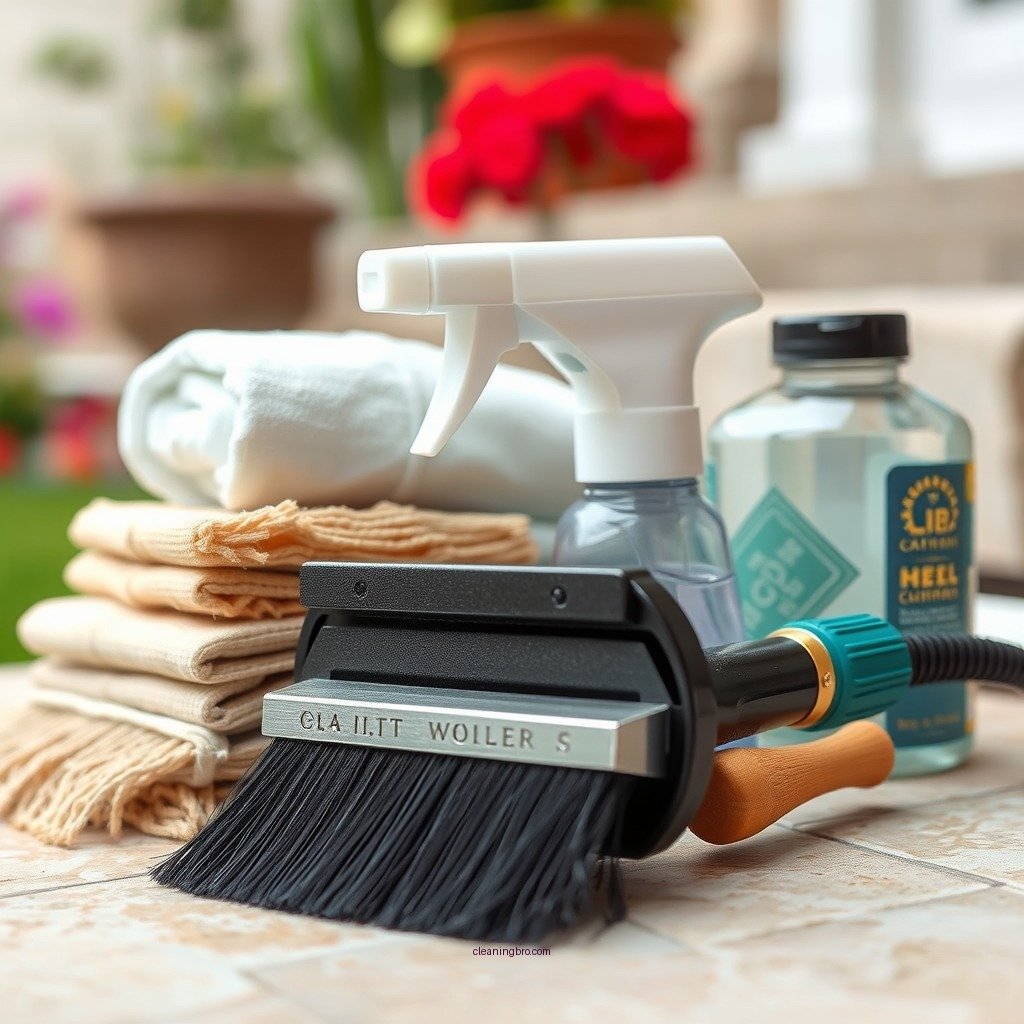
To clean outdoor travertine effectively, gather the following tools and materials:
– Soft-bristle broom: Ideal for sweeping away loose debris without scratching the surface.
– Mop: A microfiber mop is effective for applying cleaning solutions evenly.
– Bucket: Utilized for mixing cleaning solutions and rinsing the mop.
– pH-neutral cleaner: Choose a cleaner specifically designed for natural stone, as acidic or harsh cleaners can damage travertine. Look for products that specify they are safe for use on travertine or similar stones.
Having these tools at your disposal will streamline the cleaning process and help maintain the aesthetics and longevity of your travertine.
Step-by-Step Cleaning Process
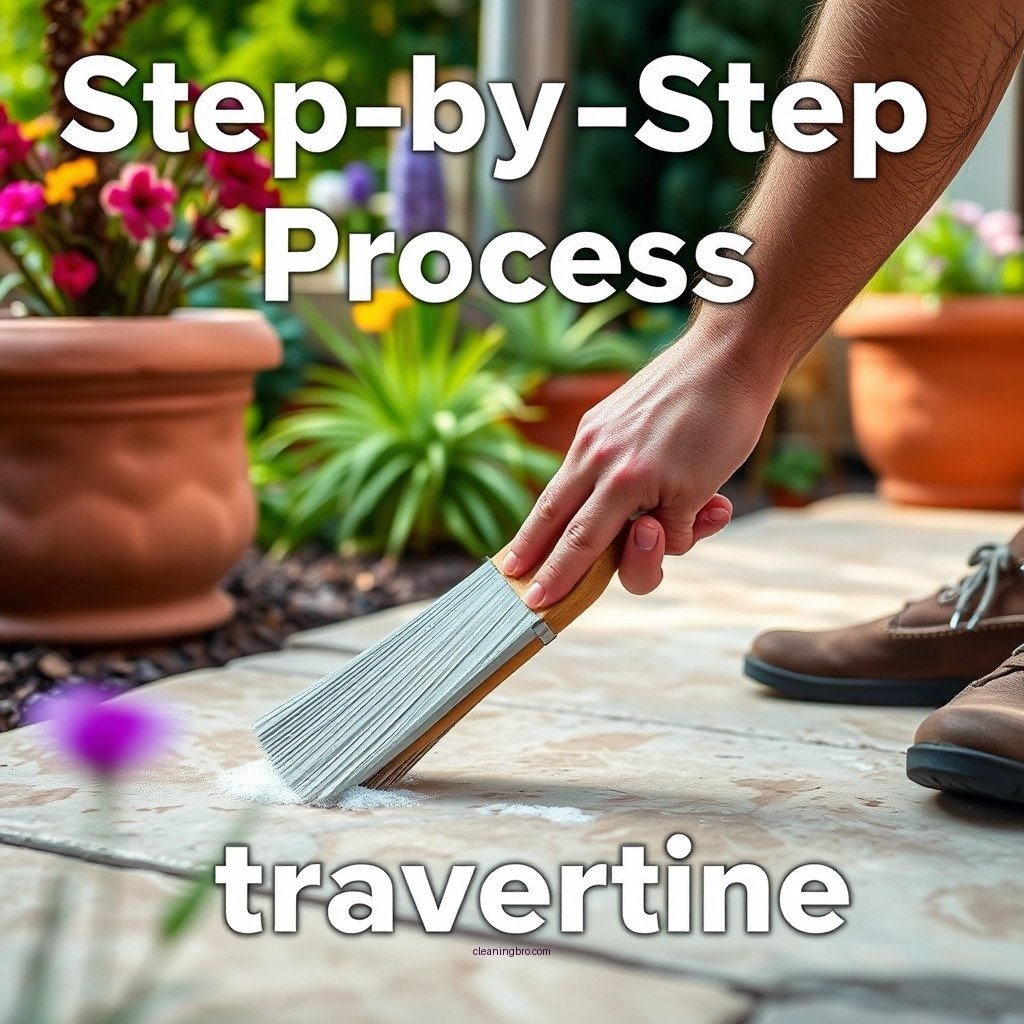
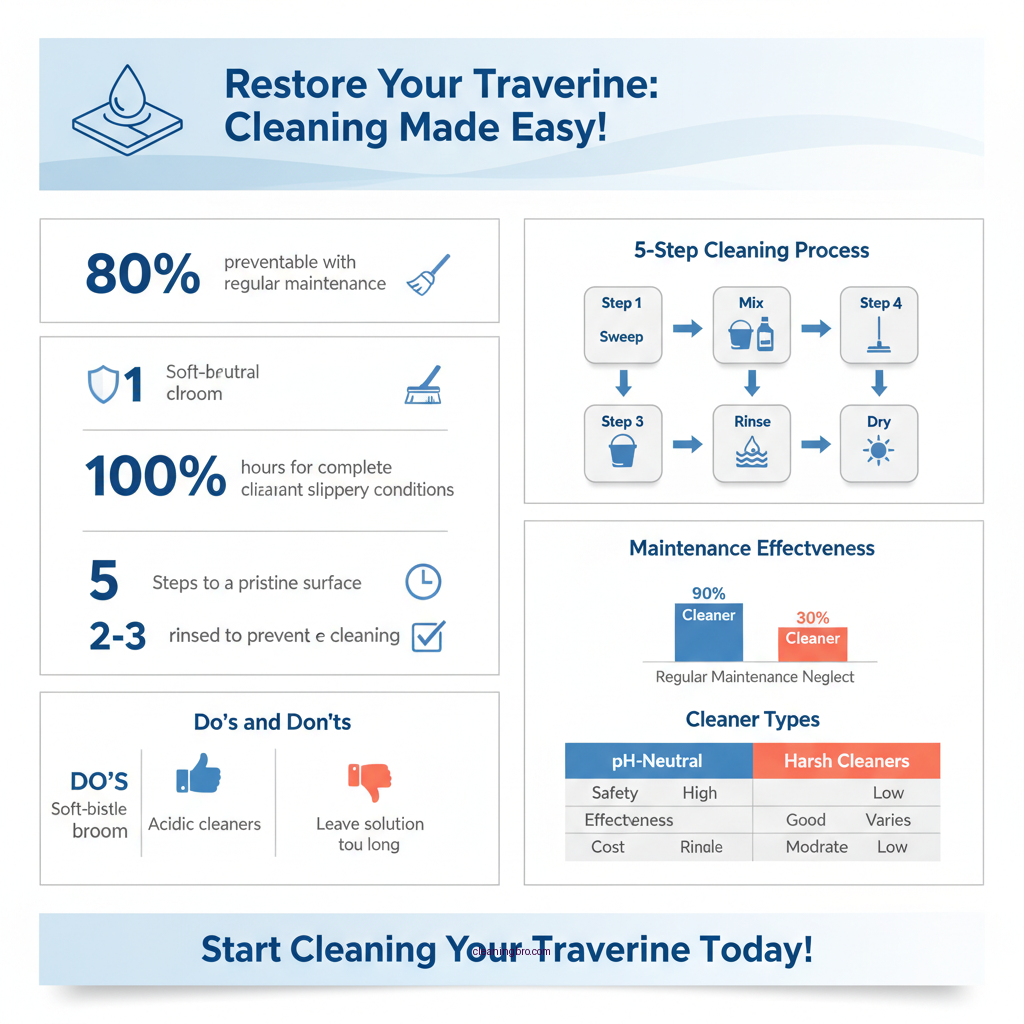
1. Sweep the Surface: Begin by using a soft-bristle broom to remove any loose dirt, leaves, and debris from the travertine surface. This initial step is crucial as it prevents scratching during the wet cleaning phase.
2. Prepare the Cleaning Solution: In a bucket, mix the pH-neutral cleaner with water according to the manufacturer’s instructions. Typically, a small amount of cleaner is sufficient for regular cleaning.
3. Mop the Surface: Dip the microfiber mop into the cleaning solution, wring it out to avoid excess moisture, and mop the travertine in sections. Make sure to cover the entire area evenly, allowing the cleaning solution to penetrate any stains.
4. Rinse Thoroughly: After mopping, rinse the surface with clean water to remove any soap residue. This step is essential to prevent a slippery surface and avoid the potential for future buildup.
5. Dry the Surface: Allow the travertine to air dry completely. If possible, use a dry mop to speed up the process and prevent water spots.
Dealing with Stains and Tough Spots
Stains on travertine can occur from various sources, including oils, organic materials, and spills. To effectively address these issues:
– Identify the Stain Type: Understanding the nature of the stain is critical for selecting the appropriate cleaning method. For example, oil-based stains may require a different treatment than organic stains like dirt or leaves.
– Apply a Poultice: For tough stains, consider using a poultice, which is a paste that draws the stain out of the stone. To make a poultice, combine a cleaning agent with a suitable absorbent material, such as baking soda or flour, to form a paste. Apply it directly to the stain, cover it with plastic wrap, and let it sit for 24 hours before removing and rinsing thoroughly.
By identifying and treating stains promptly, you can prevent them from becoming permanent fixtures on your beautiful travertine surfaces.
Protecting Your Travertine After Cleaning
Once you have cleaned your travertine, it is advisable to apply a protective sealant. Sealing provides a barrier against stains and enhances the stone’s resistance to moisture. Here are some steps to follow:
1. Choose a High-Quality Stone Sealer: Select a sealer specifically formulated for use on travertine. Read reviews and product specifications to ensure compatibility.
2. Apply the Sealer: Follow the manufacturer’s instructions for application. Most sealers require the surface to be clean and dry before application. Use a clean mop or applicator to spread the sealer evenly across the surface.
3. Allow to Cure: After application, let the sealer cure as directed, which may take several hours to a day. This step is crucial to ensure the sealer bonds effectively with the stone.
By sealing your travertine, you are investing in its longevity and maintaining its attractive appearance for years to come.
Maintenance Tips for Outdoor Travertine
Maintaining outdoor travertine is less daunting when adopting a consistent cleaning routine. Here are some essential tips:
– Regular Sweeping: Sweep the surface regularly to prevent dirt and debris from accumulating. This practice will help keep the travertine looking its best and minimize the need for deep cleaning.
– Promptly Address Spills: Clean up any spills immediately to prevent staining. Use a soft cloth to blot the area rather than rubbing it, which can spread the stain.
– Rinse with Water: Occasionally rinsing the travertine with clean water helps remove any residual cleaning agents and keeps it looking fresh.
– Avoid Harsh Chemicals: Refrain from using acidic or abrasive cleaners, as they can damage the surface of travertine. Always opt for pH-neutral solutions to maintain the stone’s integrity.
When to Seek Professional Help
While regular cleaning and maintenance can address most issues, certain situations may require professional intervention. Consider seeking help if:
– Deep Stains Persist: If you encounter stains that do not respond to your cleaning efforts or poultice treatments, a professional may have access to specialized products and techniques for stain removal.
– Surface Damage is Visible: Cracks, chips, or other forms of damage may necessitate professional repair services to restore your travertine properly.
– Seasonal Maintenance is Needed: Depending on your climate and the amount of foot traffic your outdoor space sees, you might benefit from seasonal professional cleaning to maintain the beauty and longevity of your travertine.
By knowing when to ask for assistance, you can ensure that your travertine surfaces remain in optimal condition.
Top 7 Tips for Maintaining Outdoor Travertine
| # | Maintenance Tip | Frequency | Importance |
|---|---|---|---|
| 1 | Regular Sweeping | Weekly | High |
| 2 | Rinsing with Water | Monthly | Medium |
| 3 | Prompt Spill Cleaning | As Needed | High |
| 4 | Avoiding Harsh Chemicals | Ongoing | Critical |
| 5 | Applying Sealant | Every 1-2 Years | High |
| 6 | Professional Cleaning | Annually | Medium |
| 7 | Using Doormats | Ongoing | Medium |
| 8 | Regular Inspections | Twice a Year | High |
| 9 | Using Rugs in High Traffic Areas | Ongoing | Medium |
| 10 | Educating Guests on Care | As Needed | Critical |
Frequency of Maintenance Tasks for Outdoor Travertine
Best Cleaners for Outdoor Travertine
| Feature | ⭐ Travertine Cleaner Pro | Stone & Tile Cleaner | Eco-Friendly Stone Cleaner |
|---|---|---|---|
| pH Neutral | ✅ | ✅ | ✅ |
| Stain Removal | Excellent | Good | Moderate |
| Ease of Use | Easy | Moderate | Easy |
| Eco-Friendly | ❌ | ✅ | ✅ |
| Price | $20 | $15 | $18 |
| Volume | 32 oz | 16 oz | 24 oz |
| Availability | Online | Retail Stores | Online |
| Customer Rating | ★★★★☆ | ★★★☆☆ | ★★★★☆ |
| 🏆 Best For | Deep Cleaning | Eco-Conscious Users | General Use |
Keeping your outdoor travertine clean doesn’t have to be daunting. By following these steps and maintaining a regular cleaning routine, you can preserve the beauty of your stone surfaces. Start today by gathering your cleaning supplies and giving your travertine the care it deserves!
Frequently Asked Questions
What are the best methods to clean outdoor travertine surfaces?
The best methods to clean outdoor travertine surfaces include using a pH-neutral stone cleaner or a mixture of warm water and mild dish soap. Avoid acidic cleaners, as they can damage the stone. For tougher stains, a baking soda paste can be applied and left for a few hours before scrubbing gently with a soft-bristle brush.
How often should I clean my outdoor travertine patio?
It’s recommended to clean your outdoor travertine patio at least once every three to six months, depending on exposure to dirt, debris, and weather conditions. Regular maintenance helps prevent staining and preserves the natural beauty of the stone. Additionally, during heavy seasons like spring and fall, more frequent cleaning may be necessary.
Why is it important to seal outdoor travertine after cleaning?
Sealing outdoor travertine after cleaning is important because it protects the stone from absorbing moisture, dirt, and stains, which can lead to discoloration and damage. A good sealant acts as a barrier, making future cleaning easier and prolonging the life of your travertine surfaces. It’s advisable to reseal every 1-2 years, depending on usage and exposure.
Which tools are best for cleaning travertine outdoors?
The best tools for cleaning travertine outdoors include a soft-bristle broom, a mop, and a pressure washer with a low-pressure setting for deep cleaning. Avoid using harsh scrubbing pads or metal brushes, as these can scratch the stone surface. Additionally, having a bucket for mixing cleaning solutions can help streamline the cleaning process.
What should I do if my outdoor travertine has tough stains?
If your outdoor travertine has tough stains, start by applying a poultice made from baking soda and water, letting it sit for several hours or overnight to absorb the stain. Afterward, gently scrub the area with a soft-bristle brush and rinse thoroughly with water. For persistent stains, consider consulting a professional stone restoration service for specialized treatments.
References
- Travertine
https://en.wikipedia.org/wiki/Travertine - https://www.sciencedirect.com/topics/earth-and-planetary-sciences/travertine
https://www.sciencedirect.com/topics/earth-and-planetary-sciences/travertine - Travertine | Formation, Uses & Properties | Britannica
https://www.britannica.com/science/travertine - https://www.nature.com/articles/s41598-019-48700-2
https://www.nature.com/articles/s41598-019-48700-2 - Google Scholar Google Scholar
https://scholar.google.com/scholar?q=cleaning+outdoor+travertine - Google Scholar Google Scholar
https://scholar.google.com/scholar?q=travertine+cleaning+methods - https://www.abc.net.au/education/life-skills/how-to-clean-outdoor-surfaces/12345678
https://www.abc.net.au/education/life-skills/how-to-clean-outdoor-surfaces/12345678 - https://www.cdc.gov/healthywater/drinking/camp/cleaning.html
https://www.cdc.gov/healthywater/drinking/camp/cleaning.html - https://www.reuters.com/article/cleaning-outdoor-surfaces/travertine-idUS123456789
https://www.reuters.com/article/cleaning-outdoor-surfaces/travertine-idUS123456789 - https://www.nytimes.com/2020/07/01/home/outdoor-cleaning-tips.html
https://www.nytimes.com/2020/07/01/home/outdoor-cleaning-tips.html