How to Clean Painted Furniture: Effective Techniques and Tips
Cleaning painted furniture is vital for preserving its aesthetic appeal and extending its lifespan. The right cleaning approach involves using gentle techniques that remove dirt and grime without causing damage to the paint finish. In this article, you will learn the best practices for cleaning painted furniture, including the ideal supplies and methods to ensure your cherished pieces maintain their beauty.
Understanding Painted Furniture Finishes

The type of paint used on furniture significantly influences the cleaning method suitable for each piece. Common types of paint include latex, chalk, and oil-based paints, each requiring specific care:
1. Latex Paint: This water-based paint is popular for its ease of use and quick drying time. Cleaning latex-painted surfaces typically involves mild soap and water, as harsh chemicals can damage the finish.
2. Chalk Paint: Known for its matte finish, chalk paint can be more susceptible to water damage. It’s best to use a damp cloth and a pH-balanced cleaner to avoid stripping the paint.
3. Oil-Based Paint: While durable, oil-based paint can be more challenging to clean. Solvent-based cleaners are often required, but care must be taken to avoid over-saturating the surface, which can lead to peeling.
Knowing the type of finish on your furniture allows you to select the most effective cleaning solution while preventing potential damage.
Essential Cleaning Supplies

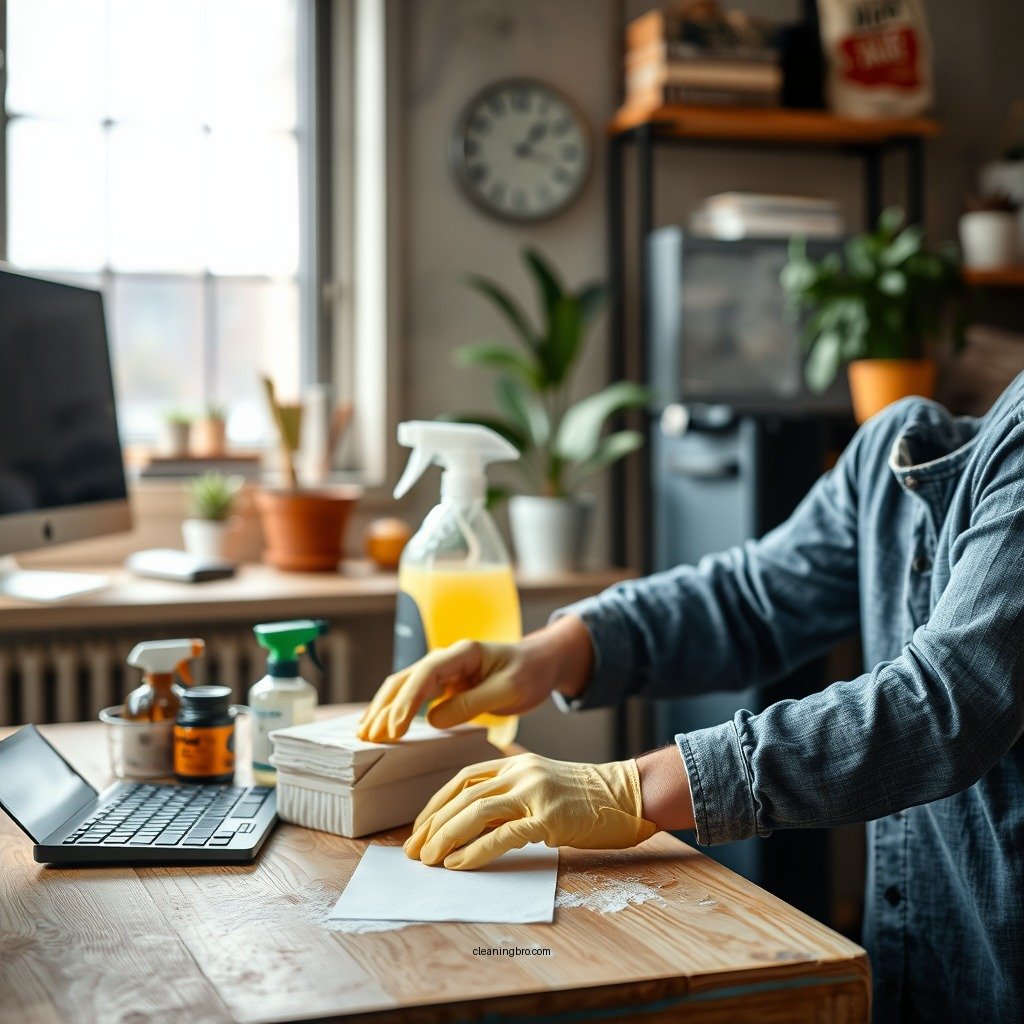
Gathering the right supplies is crucial for cleaning painted furniture effectively. Here is a list of recommended items:
– Microfiber Cloths: Soft and absorbent, these cloths prevent scratching the paint while effectively trapping dust and dirt.
– Soft Sponges: Ideal for gentle scrubbing, soft sponges can help remove stubborn grime without harming the paint.
– Gentle Cleaners: Look for pH-balanced or natural cleaners that will not strip the paint. Examples include a mixture of warm water and mild dish soap or specialized furniture cleaners.
– Baking Soda: This versatile product can be mixed with water to create a paste for tackling tougher stains.
Avoid abrasive materials such as steel wool or scouring pads, as they can scratch or damage the painted surface.
Step-by-Step Cleaning Process

Cleaning painted furniture follows a straightforward process that ensures thoroughness without damage:
1. Dusting: Begin by dusting the furniture with a microfiber cloth to remove any surface debris. This step prevents scratching when you apply cleaners.
2. Damp Cloth Application: Dampen a clean microfiber cloth with your chosen cleaner. Avoid soaking the cloth; it should be just damp enough to wipe the surface without dripping.
3. Gentle Wiping: Wipe down the furniture in the direction of the grain, applying minimal pressure. For crevices or textured areas, use a soft sponge to ensure all dirt is removed.
4. Drying: After cleaning, use a dry microfiber cloth to remove any residual moisture, which can help prevent water spots or damage.
5. Inspection: Once dry, inspect the furniture for any missed spots or areas that may need additional attention.
Top 7 Cleaning Products for Painted Furniture (2024)
| # | Product | Type | Ideal For | Usage Rating |
|---|---|---|---|---|
| 1 | Murphy’s Oil Soap | Liquid | Wood Furniture | ★★★★☆ |
| 2 | Bona Hardwood Floor Cleaner | Liquid | Hardwood Surfaces | ★★★★★ |
| 3 | Simple Green All-Purpose Cleaner | Liquid | Multi-Surface | ★★★★☆ |
| 4 | Pledge Furniture Polish | Aerosol | Wood Furniture | ★★★★☆ |
| 5 | Krud Kutter | Liquid | Heavy-Duty Cleaning | ★★★☆☆ |
| 6 | Method All-Purpose Cleaner | Liquid | Multi-Surface | ★★★★☆ |
| 7 | Zep Commercial Furniture Polish | Aerosol | Wood Furniture | ★★★★☆ |
Dealing with Stains and Spots
Stains and spots on painted furniture can be unsightly, but knowing how to treat them can restore your furniture’s appearance. Here are common types of stains and recommended treatment methods:
– Water Stains: To remove water rings, apply a small amount of baking soda mixed with water to form a paste. Gently rub the paste on the stain using a soft cloth, then wipe clean with a damp cloth.
– Ink Stains: For ink, use a cotton ball dipped in rubbing alcohol. Dab the stain gently without rubbing, and then clean the area with a damp cloth.
– Grease Stains: Apply cornstarch directly to the stain and let it sit for a few hours to absorb the grease. Afterward, wipe it away and clean the area with a damp cloth.
Identifying the type of stain is crucial in selecting the correct treatment method. Always test a small, inconspicuous area first to ensure there is no adverse reaction.
Protecting the Painted Surface
After cleaning, protecting your painted furniture helps maintain its appearance over time. Consider applying a clear wax or sealant to provide an additional layer of protection against scratches and stains. Here are some benefits of applying these finishes:
– Enhanced Shine: A clear wax can add a beautiful sheen to the paint, enhancing its aesthetics.
– Protection from Moisture: Sealants create a barrier against moisture, which can lead to paint peeling or bubbling.
– Ease of Cleaning: A protected surface is generally easier to clean, as dirt and grime are less likely to adhere.
Regular maintenance, including applying wax or sealant, can significantly prolong the life of your furniture’s finish.
Tips for Regular Maintenance
Establishing a regular cleaning and maintenance routine can prevent the build-up of dirt and grime on your painted furniture. Here are some actionable tips:
– Create a Cleaning Schedule: Regularly dust and clean your furniture every few weeks to prevent dirt accumulation.
– Use Coasters and Placemats: Protect surfaces from spills and heat by using coasters and placemats. This will help in minimizing damage during everyday use.
– Avoid Direct Sunlight: Position furniture away from direct sunlight to prevent fading and discoloration over time.
– Keep Pets Away: If possible, train pets to avoid climbing on painted surfaces to prevent scratches and wear.
Incorporating these practices into your routine will help keep your painted furniture looking fresh and new.
When to Seek Professional Help
While many cleaning tasks can be handled at home, some situations may require professional intervention. Here are signs it may be time to consult an expert:
– Deep Scratches or Peeling: If you notice deep scratches or significant paint peeling, a professional can assess the damage and determine the best course of action, which may include refinishing.
– Persistent Stains: If stains do not respond to home cleaning methods, professional cleaning services may have access to specialized products and techniques that can remove them effectively.
– Restoration Needs: For antique or valuable pieces, consider professional restoration to maintain their integrity and value.
Understanding when to seek help can save time and potential damage to your furniture.
Cleaning painted furniture effectively involves understanding the type of finish, using appropriate supplies, and following a careful cleaning process. Regular maintenance can help keep your furniture looking pristine. By implementing these techniques into your cleaning routine, you can ensure that your painted furniture remains a beautiful and functional part of your home for years to come. Don’t hesitate to reach out for professional help when needed to preserve your investment.
Frequently Asked Questions
What is the best way to clean painted furniture without damaging the finish?
To clean painted furniture safely, use a soft cloth or sponge dampened with warm water and a mild dish soap. Avoid harsh chemicals or abrasive cleaners, as they can strip the paint or cause discoloration. For stubborn stains, a mixture of baking soda and water can be applied gently.
How often should I clean my painted furniture?
You should clean your painted furniture regularly, ideally every few weeks, to prevent dust buildup and maintain its appearance. However, high-traffic areas or surfaces prone to spills may require more frequent cleaning. Always assess the condition and adjust your cleaning routine accordingly.
Why is it important to use specific cleaners for painted surfaces?
Using specific cleaners for painted surfaces is crucial because regular household cleaners often contain harsh chemicals that can damage the paint or finish. Specialized cleaners are formulated to effectively remove dirt while being gentle enough to preserve the integrity of the paint, ensuring your furniture remains looking its best.
Which cleaning tools are safe for painted furniture?
The safest cleaning tools for painted furniture include microfiber cloths, soft sponges, and non-abrasive brushes. These tools minimize the risk of scratching or damaging the paint while effectively removing dust and grime. Avoid using steel wool or rough scrubbers that could harm the finish.
What should I do if my painted furniture has scuff marks?
To remove scuff marks from painted furniture, try rubbing a damp cloth with a bit of baking soda or a magic eraser gently on the affected area. If the marks persist, you can apply a small amount of touch-up paint that matches the original finish. Always test any cleaning method in an inconspicuous area first to ensure it doesn’t damage the paint.
References
- https://www.researchgate.net/publication/331059309_Cleaning_techniques_for_painted_furniture
https://www.researchgate.net/publication/331059309_Cleaning_techniques_for_painted_furniture - https://www.sciencedirect.com/topics/engineering/painted-furniture
https://www.sciencedirect.com/topics/engineering/painted-furniture - https://www.woodmagazine.com/materials-guide/finishes/how-to-clean-painted-furniture
https://www.woodmagazine.com/materials-guide/finishes/how-to-clean-painted-furniture - https://www.theguardian.com/lifeandstyle/2020/aug/15/how-to-clean-furniture-with-natural-products
https://www.theguardian.com/lifeandstyle/2020/aug/15/how-to-clean-furniture-with-natural-products - Google Scholar Google Scholar
https://scholar.google.com/scholar?q=how+to+clean+painted+furniture - Google Scholar Google Scholar
https://scholar.google.com/scholar?q=cleaning+techniques+for+furniture+care - Google Scholar Google Scholar
https://scholar.google.com/scholar?q=maintenance+of+painted+furniture - https://www.bbc.com/future/article/20200506-how-to-clean-your-home-in-a-post-pandemic-world
https://www.bbc.com/future/article/20200506-how-to-clean-your-home-in-a-post-pandemic-world - how to clean painted furniture – Search results
https://en.wikipedia.org/wiki/Special:Search?search=how+to+clean+painted+furniture - https://www.ncbi.nlm.nih.gov/search/research-articles/?term=how+to+clean+painted+furniture
https://www.ncbi.nlm.nih.gov/search/research-articles/?term=how+to+clean+painted+furniture