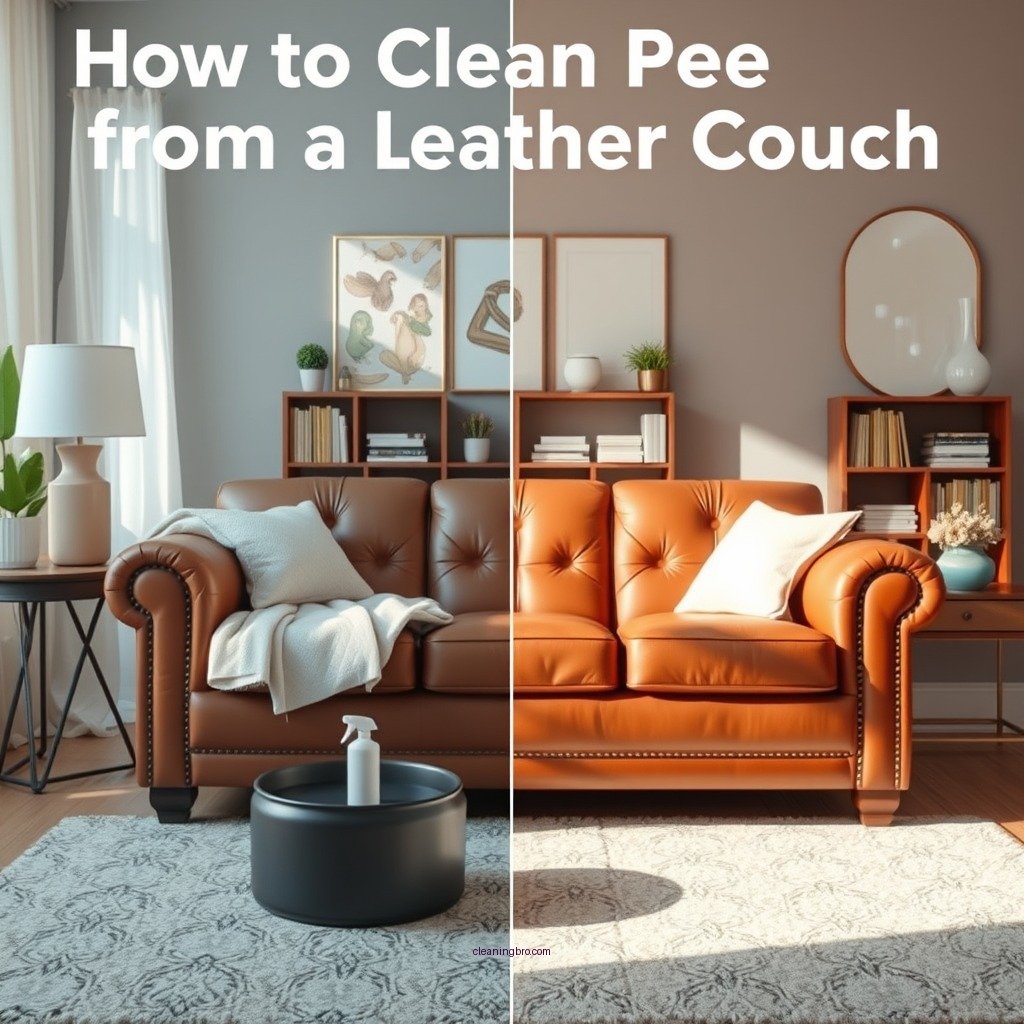
How to Clean Pee from a Leather Couch: A Step-by-Step Guide
Cleaning pee from a leather couch requires immediate action and the right materials to prevent damage. Quick intervention can save you from unsightly stains and unpleasant odors that can linger if urine is not treated promptly. This guide will provide you with effective methods and products to safely clean and restore your leather couch to its original condition, ensuring it remains a beautiful centerpiece in your home.
Understanding the Impact of Urine on Leather

Urine can cause significant staining and unpleasant odors if not treated quickly. Leather, being a porous material, is especially vulnerable to liquid absorption, which can lead to permanent damage if left unaddressed. The urea and ammonia found in urine can break down the natural oils in leather, causing it to dry out, crack, and lose its luster. This is why understanding the impact of such spills is crucial for maintaining the integrity of your leather furniture.
Additionally, the acidic nature of urine can lead to discoloration, and over time, bacteria can proliferate in the damp environment, resulting in persistent odors. Hence, immediate attention is essential to mitigate these effects and restore your leather couch to its previous state.
Immediate Actions to Take
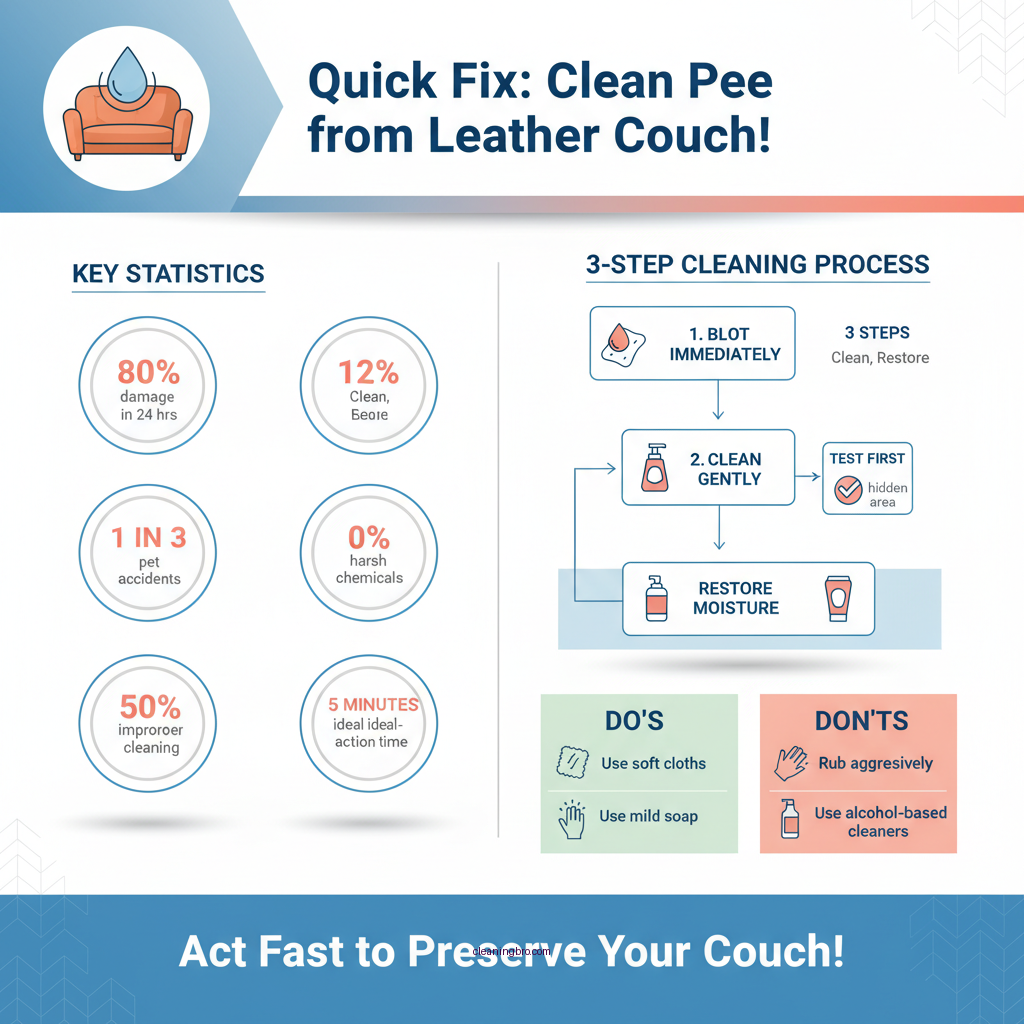

When faced with a urine accident on your leather couch, the first step is to take immediate action to prevent further damage. Start by blotting the area with a clean, dry cloth to soak up as much moisture as possible. It is vital to use a cloth that does not have dye or print, as these could transfer onto the leather.
Avoid rubbing the stain, as this can push the urine deeper into the leather, exacerbating the issue. Instead, apply gentle pressure to absorb the liquid. If the urine has dried, a damp cloth can help rehydrate the area, making it easier to lift the stain in the next steps.
Choosing the Right Cleaning Solution

Selecting the correct cleaning solution is critical for effectively cleaning pee from leather without causing damage. A leather-safe cleaner is ideal, but if you prefer a DIY approach, a mixture of mild soap (like castile soap) and water can be effective.
Avoid using harsh chemicals, alcohol-based cleaners, or ammonia, as these can strip the natural oils from the leather, leading to dryness and cracking. Always test any cleaning solution on a hidden area of the couch first to ensure it does not cause discoloration or damage.
Step-by-Step Cleaning Process
1. Prepare Your Cleaning Solution: Mix a few drops of mild soap with water to create a soapy solution. If using a commercial leather cleaner, follow the instructions on the label.
2. Dampen a Soft Cloth: Soak a clean, soft cloth in the solution, then wring it out so it is damp but not dripping.
3. Wipe the Stained Area: Gently wipe the stained area in circular motions, being careful not to saturate the leather.
4. Rinse and Remove Soap Residue: Dampen another clean cloth with plain water and wipe the area again to remove any soap residue.
5. Dry the Area: Use a dry cloth to blot the area until it is as dry as possible. Allow the leather to air dry completely.
6. Condition the Leather: After cleaning, apply a leather conditioner to help restore moisture and flexibility to the leather. This step is crucial, as cleaning can strip away natural oils.
Dealing with Odors
Once the cleaning process is complete, it is essential to address any lingering odors. After cleaning the area, sprinkle baking soda generously over the affected spot. Baking soda is a natural odor absorber and can help neutralize any remaining smells.
Allow the baking soda to sit for several hours or overnight, then vacuum it up thoroughly. If odors persist, consider repeating the process or using a specialized leather odor eliminator that is safe for use on leather surfaces.
Preventive Measures for the Future
To prevent future accidents and protect your leather couch, consider the following preventive measures:
– Use a Leather Conditioner Regularly: Regular conditioning helps to maintain the leather’s natural oils and resilience against spills and stains.
– Train Pets: If you have pets, consider implementing training strategies to minimize accidents on the couch. Positive reinforcement techniques can encourage desired behaviors.
– Protective Covers: Using slipcovers or throws can act as a barrier against spills, making it easier to clean up without risking damage to the leather.
When to Seek Professional Help
If the stain persists after following the above steps or if there is extensive damage to the leather, it may be time to consult a professional leather cleaning specialist. Professionals have access to advanced cleaning solutions and tools that can safely restore leather without risking further damage.
Additionally, if you suspect that the urine has penetrated deep into the leather, a professional can assess the situation and provide tailored solutions to ensure your couch is fully restored.
Top 7 Leather Cleaners for Pet Stains (2024)
| # | Cleaner Brand | Type | Effectiveness |
|---|---|---|---|
| 1 | Lexol Leather Cleaner | Liquid | High |
| 2 | Chemical Guys Leather Cleaner | Foam | High |
| 3 | Bick 4 Leather Conditioner | Cream | Medium |
| 4 | Meguiar’s Gold Class Leather Cleaner | Liquid | High |
| 5 | TriNova Leather Cleaner | Foam | Medium |
| 6 | Lexol Leather Conditioner | Cream | High |
| 7 | Ecco Leather Cleaner | Liquid | Medium |
Lexol vs Chemical Guys vs Bick 4: Leather Cleaner Comparison
| Feature | ⭐ Lexol | Chemical Guys | Bick 4 |
|---|---|---|---|
| Type | Liquid | Foam | Cream |
| Effectiveness | High | High | Medium |
| Safe for All Leather Types | ✅ | ✅ | ✅ |
| Odor Removal | ✅ | ✅ | ❌ |
| Conditioning Properties | ✅ | ✅ | ✅ |
| Ease of Use | Easy | Moderate | Easy |
| Price Range | $10-$15 | $15-$20 | $10-$12 |
| Availability | Online & In-store | Online | Online & In-store |
| Best For | General leather care | Heavy-duty cleaning | Conditioning |
Cleaning pee from a leather couch may seem daunting, but with prompt action and the right techniques, it is entirely manageable. Always remember to blot the affected area, use appropriate cleaning products, and take preventive measures to maintain your furniture in the long run. If you find the stain or odor persists despite your best efforts, do not hesitate to consult a professional. With the right care, your leather couch can remain a cherished piece of furniture for years to come.
Frequently Asked Questions
How do I effectively clean pee out of my leather couch?
To effectively clean pee out of your leather couch, start by blotting the area with paper towels to absorb as much liquid as possible. Then, mix a solution of equal parts water and white vinegar, and gently wipe the affected area with a soft cloth. After cleaning, use a leather conditioner to restore moisture and protect the leather.
What products should I use to remove urine stains from leather?
When removing urine stains from leather, it’s best to use a pH-balanced leather cleaner or a homemade solution of water and vinegar. Avoid harsh chemicals, as they can damage the leather. After cleaning, applying a high-quality leather conditioner can help prevent cracking and maintain the couch’s appearance.
Why is it important to act quickly when cleaning pee from leather?
Acting quickly when cleaning pee from leather is crucial because urine can cause permanent damage and staining if left untreated. The longer the urine sits, the more it can penetrate the leather’s surface, leading to odors and discoloration. Immediate cleaning helps preserve the quality and longevity of your leather couch.
What is the best way to deodorize a leather couch after cleaning urine?
The best way to deodorize a leather couch after cleaning urine is to use a mixture of water and baking soda. Sprinkle baking soda over the cleaned area and let it sit for several hours or overnight to absorb odors. Then, vacuum the baking soda off and ensure the area is well-ventilated to eliminate any lingering smells.
Which leather cleaning techniques should I avoid when dealing with pet urine?
When dealing with pet urine on leather, avoid using ammonia-based cleaners, bleach, or any abrasive materials that could scratch the surface. These substances can damage the leather and exacerbate odors. Instead, opt for gentle cleaning solutions specifically designed for leather care to ensure effective cleaning without harm.
References
- https://www.nytimes.com/2021/07/15/style/how-to-clean-leather-furniture.html
https://www.nytimes.com/2021/07/15/style/how-to-clean-leather-furniture.html - https://www.bbc.com/future/article/20201123-how-to-clean-leather-furniture
https://www.bbc.com/future/article/20201123-how-to-clean-leather-furniture - https://www.mayoclinic.org/healthy-lifestyle/home-and-garden/in-depth/leather-furniture-cleaning/art-20322798
https://www.mayoclinic.org/healthy-lifestyle/home-and-garden/in-depth/leather-furniture-cleaning/art-20322798 - How to Clean Leather Furniture: 11 Steps (with Pictures) – wikiHow Life
https://www.wikihow.com/Clean-Leather-Furniture - https://www.sciencedirect.com/topics/earth-and-planetary-sciences/leather-cleaning
https://www.sciencedirect.com/topics/earth-and-planetary-sciences/leather-cleaning - Leather | History & Facts | Britannica
https://www.britannica.com/topic/leather - https://www.cdc.gov/nceh/lead/advisory/cleaning.htm
https://www.cdc.gov/nceh/lead/advisory/cleaning.htm - Google Scholar Google Scholar
https://scholar.google.com/scholar?q=clean+pee+out+of+leather+couch - Google Scholar Google Scholar
https://scholar.google.com/scholar?q=cleaning+leather+furniture - Google Scholar Google Scholar
https://scholar.google.com/scholar?q=leather+couch+cleaning+methods