How to Clean Permanent Retainers: Essential Tips
Cleaning permanent retainers effectively is crucial for maintaining oral hygiene and preventing plaque buildup. To clean them properly, you should use a combination of gentle brushing, flossing techniques, and specialized cleaning tools. In this article, you’ll learn the best methods and tips for keeping your permanent retainers spotless and your smile healthy.
Understanding Permanent Retainers

Permanent retainers are thin wires bonded to the back of teeth, specifically designed to maintain the alignment of teeth after orthodontic treatment. Unlike removable retainers, which can be taken out for cleaning and maintenance, permanent retainers are fixed in place, making them more challenging to keep clean. This fixed nature requires a more diligent oral hygiene routine to prevent plaque accumulation and subsequent dental issues such as cavities and gum disease. Understanding the structure and function of permanent retainers is essential for adopting a suitable cleaning regimen that promotes long-term oral health.
Daily Cleaning Routine
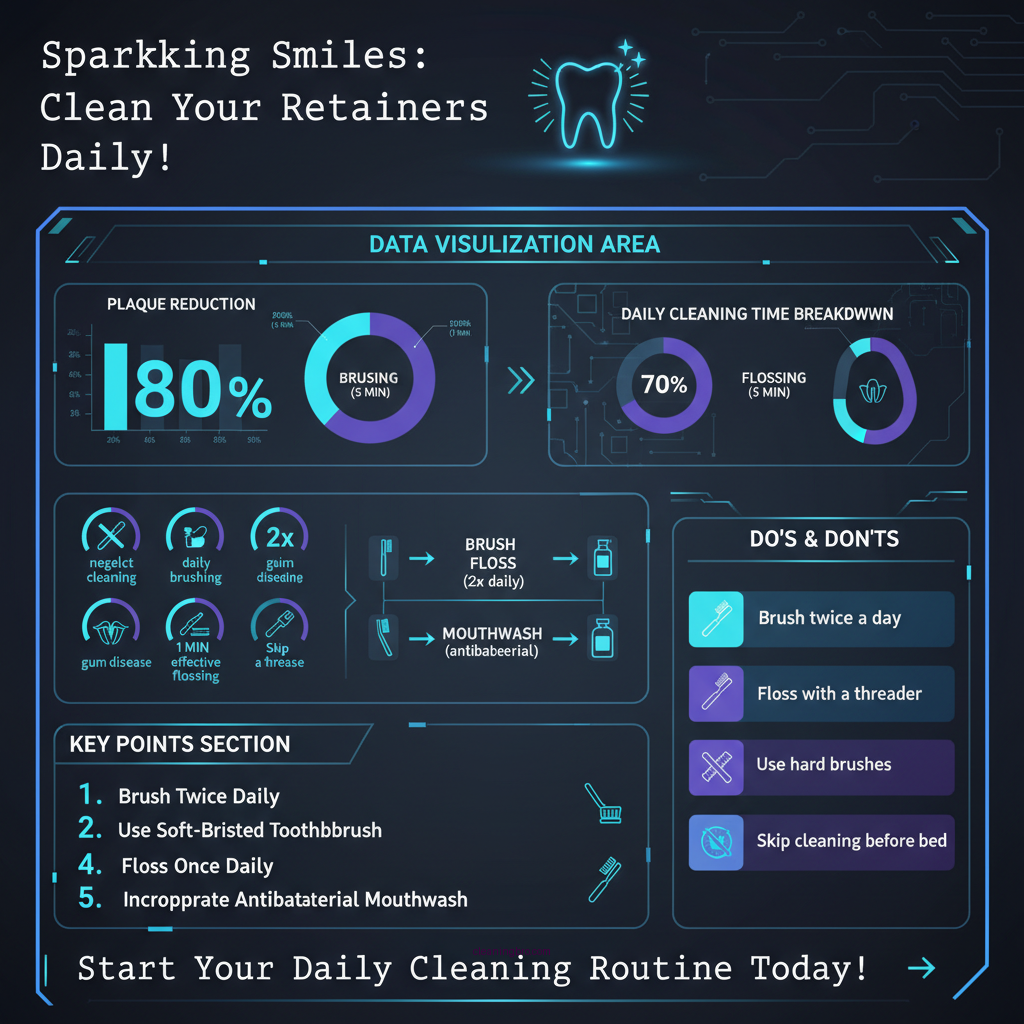

A robust daily cleaning routine is vital for the maintenance of your permanent retainers. It is recommended to brush your teeth at least twice a day, ideally after breakfast and before bedtime. When brushing, pay special attention to the area around the retainer wire. Use a soft-bristled toothbrush along with fluoride toothpaste, as this combination effectively removes food particles and plaque without damaging the retainer’s surface.
It’s important to angle your toothbrush at 45 degrees towards the gum line, using gentle circular motions to clean both your teeth and the retainer wire. Additionally, consider using an antibacterial mouthwash to further reduce bacteria in your mouth, which will help safeguard against gum disease and bad breath.
Flossing Techniques for Retainers
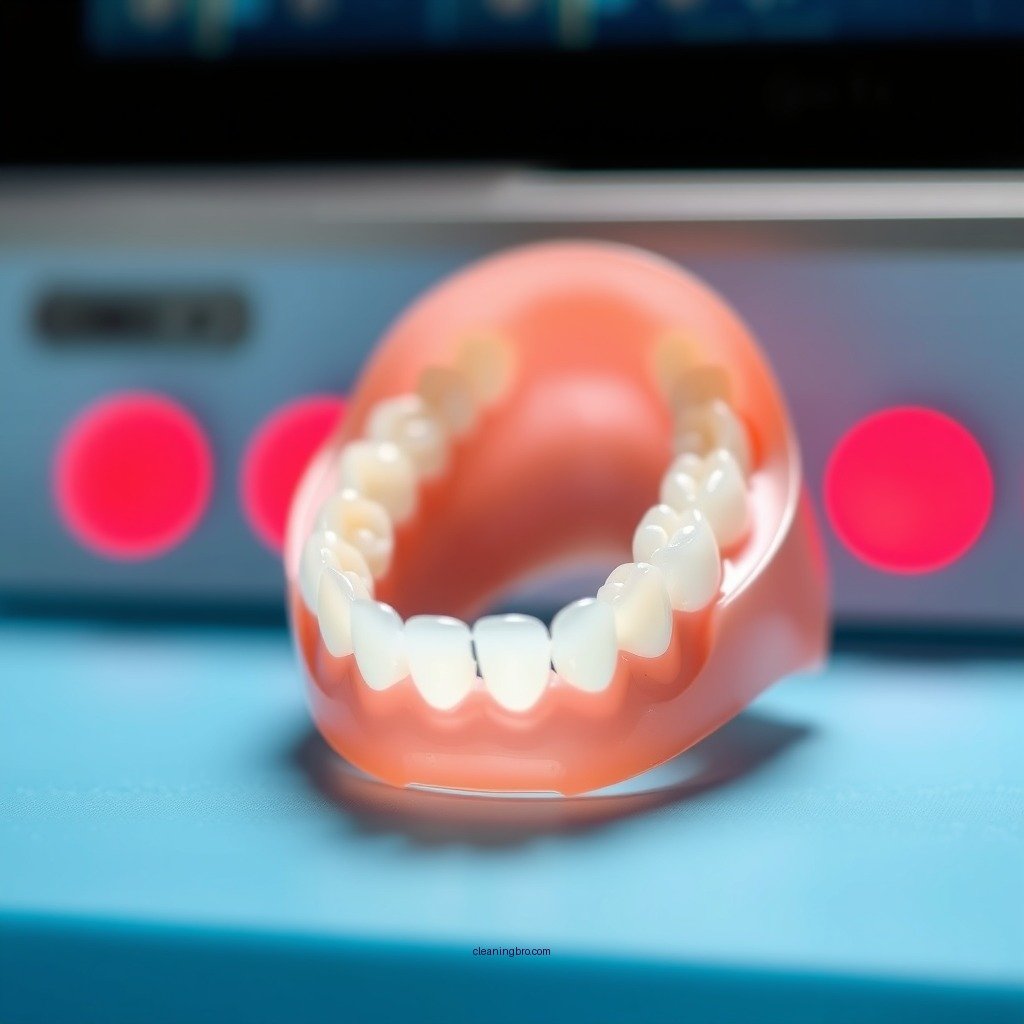
Flossing is a critical component of maintaining oral hygiene, especially for individuals with permanent retainers. Regular flossing helps to eliminate food debris and plaque that can easily accumulate around the retainer wire. Standard floss may not be practical due to the fixed nature of the retainer, so utilizing a floss threader or orthodontic floss is highly recommended.
A floss threader allows you to maneuver the floss around the retainer wire effectively. It is advisable to floss at least once a day, ideally before bedtime, to ensure that all food particles are removed before sleeping. Be gentle to avoid damaging the wire or injuring your gums.
Recommended Cleaning Tools
In addition to traditional brushing and flossing, incorporating specialized cleaning tools can significantly enhance your retainer care routine. A water flosser is an effective tool for cleaning around retainers, utilizing a stream of pulsating water to dislodge food particles and plaque from hard-to-reach areas. This can be particularly helpful for those who struggle with conventional flossing techniques.
Interdental brushes or proxabrushes are also effective for cleaning between teeth and around the retainer wire. These small brushes can easily fit into tight spaces, providing a thorough clean that traditional toothbrushes may miss. Investing in these tools not only simplifies your cleaning routine but also contributes to better overall oral health.
Professional Cleanings and Check-ups
While maintaining a consistent at-home cleaning routine is essential, it is equally important to schedule regular dental check-ups. Visiting your dentist every six months for a professional cleaning allows for a comprehensive examination of your oral health, including the condition of your permanent retainers.
During these visits, you should discuss your retainer care routine with your dentist to receive personalized advice tailored to your specific needs. Your dentist can also identify any potential issues early, preventing more serious problems from developing in the future.
Common Mistakes to Avoid
When it comes to cleaning permanent retainers, there are several common mistakes that should be avoided. One of the primary errors is using abrasive toothpaste, which can scratch and damage the retainer surface over time. Instead, opt for a non-abrasive fluoride toothpaste designed for sensitive teeth.
Another critical mistake is neglecting to floss. Skipping flossing can lead to plaque buildup, increasing the risk of cavities and gum disease. Establishing a consistent routine that includes both brushing and flossing will help maintain your oral health and prolong the lifespan of your retainers.
Top Cleaning Tools for Permanent Retainers (2024)
| # | Tool | Effectiveness | Price Range |
|---|---|---|---|
| 1 | Water Flosser | High | $40 – $100 |
| 2 | Interdental Brushes | Moderate | $5 – $15 |
| 3 | Floss Threader | High | $3 – $10 |
| 4 | Orthodontic Floss | High | $5 – $20 |
| 5 | Antibacterial Mouthwash | Moderate | $3 – $10 |
| 6 | Regular Toothbrush | Low | $2 – $7 |
| 7 | Dental Pick | Moderate | $1 – $5 |
Effectiveness of Cleaning Tools for Permanent Retainers
Best Tools for Cleaning Permanent Retainers
| Feature | ⭐ Water Flosser | Interdental Brushes | Floss Threader |
|---|---|---|---|
| Ease of Use | ✅ | ✅ | ✅ |
| Effectiveness | High | Moderate | High |
| Price | $40 – $100 | $5 – $15 | $3 – $10 |
| Durability | High | Moderate | High |
| Portability | Moderate | High | High |
| Availability | Widely available | Widely available | Commonly available |
| User Reviews | ★★★★☆ | ★★★☆☆ | ★★★★☆ |
| Ease of Replacement | Moderate | Easy | Easy |
| Best For | Daily comprehensive cleaning | Quick maintenance | Targeted cleaning |
Maintaining the cleanliness of your permanent retainers is essential for good oral health. By following these tips and incorporating a thorough cleaning routine, you can ensure that your retainers remain in excellent condition. Make cleaning your retainers a priority, and consult your dentist for personalized advice and check-ups. Prioritizing your oral hygiene routine will not only protect your dental investment but also contribute to your overall health and confidence in your smile.
Frequently Asked Questions
How do I properly clean my permanent retainer at home?
To clean your permanent retainer effectively at home, use a soft-bristled toothbrush and fluoride toothpaste to gently brush around the retainer, ensuring you reach all surfaces. Additionally, consider using a floss threader or interdental brush to clean between the retainer and your teeth, as plaque can accumulate in these hard-to-reach areas.
What products should I use to clean my permanent retainer?
The best products for cleaning your permanent retainer include a soft-bristled toothbrush, fluoride toothpaste, and an antibacterial mouthwash. You can also use specialized dental cleaning solutions designed for retainers or aligners, which help remove plaque and bacteria without damaging the retainer material.
Why is it important to clean my permanent retainer regularly?
Regular cleaning of your permanent retainer is crucial to prevent plaque buildup, bad breath, and potential gum disease. Neglecting to clean your retainer can lead to discoloration and an increased risk of cavities around the retainer, which can compromise your overall dental health.
What is the best way to remove tough stains from my permanent retainer?
The best way to remove tough stains from your permanent retainer is to soak it in a mixture of equal parts white vinegar and water for about 15-20 minutes. After soaking, gently scrub the retainer with a soft toothbrush and rinse thoroughly to ensure all residues are removed.
Which tools are essential for maintaining my permanent retainer?
Essential tools for maintaining your permanent retainer include a soft-bristled toothbrush, dental floss or a floss threader, interdental brushes, and antibacterial mouthwash. Incorporating these tools into your daily oral hygiene routine will help keep your retainer clean and your teeth healthy.
References
- https://www.mayoclinic.org/healthy-lifestyle/consumer-health/in-depth/oral-hygiene/art-20046327
https://www.mayoclinic.org/healthy-lifestyle/consumer-health/in-depth/oral-hygiene/art-20046327 - https://www.ncbi.nlm.nih.gov/pmc/articles/PMC6541322/
https://www.ncbi.nlm.nih.gov/pmc/articles/PMC6541322/ - https://www.colgate.com/en-us/oral-health/basics/brushing-and-flossing/how-to-clean-retainers
https://www.colgate.com/en-us/oral-health/basics/brushing-and-flossing/how-to-clean-retainers - https://www.britannica.com/science/retainer-dentistry
https://www.britannica.com/science/retainer-dentistry - Chronic Suppurative Otitis – StatPearls – NCBI Bookshelf
https://www.ncbi.nlm.nih.gov/books/NBK554592/ - Google Scholar Google Scholar
https://scholar.google.com/scholar?q=cleaning+permanent+retainers - Google Scholar Google Scholar
https://scholar.google.com/scholar?q=oral+hygiene+permanent+retainers - Google Scholar Google Scholar
https://scholar.google.com/scholar?q=permanent+retainer+care+guidelines - Google Scholar Google Scholar
https://scholar.google.com/scholar?q=how+to+clean+permanent+retainers - how to clean permanent retainers – Search results
https://en.wikipedia.org/wiki/Special:Search?search=how+to+clean+permanent+retainers