How to Clean Pigeon Poop Effectively and Safely
Cleaning pigeon poop requires a combination of the right tools, effective techniques, and safety precautions to ensure a thorough job without health risks. In this guide, you’ll learn how to properly clean up pigeon droppings from various surfaces, ensuring a clean and safe environment. Pigeon droppings pose health risks due to the potential for disease transmission, so it’s crucial to employ effective cleaning methods.
Understanding the Risks of Pigeon Droppings
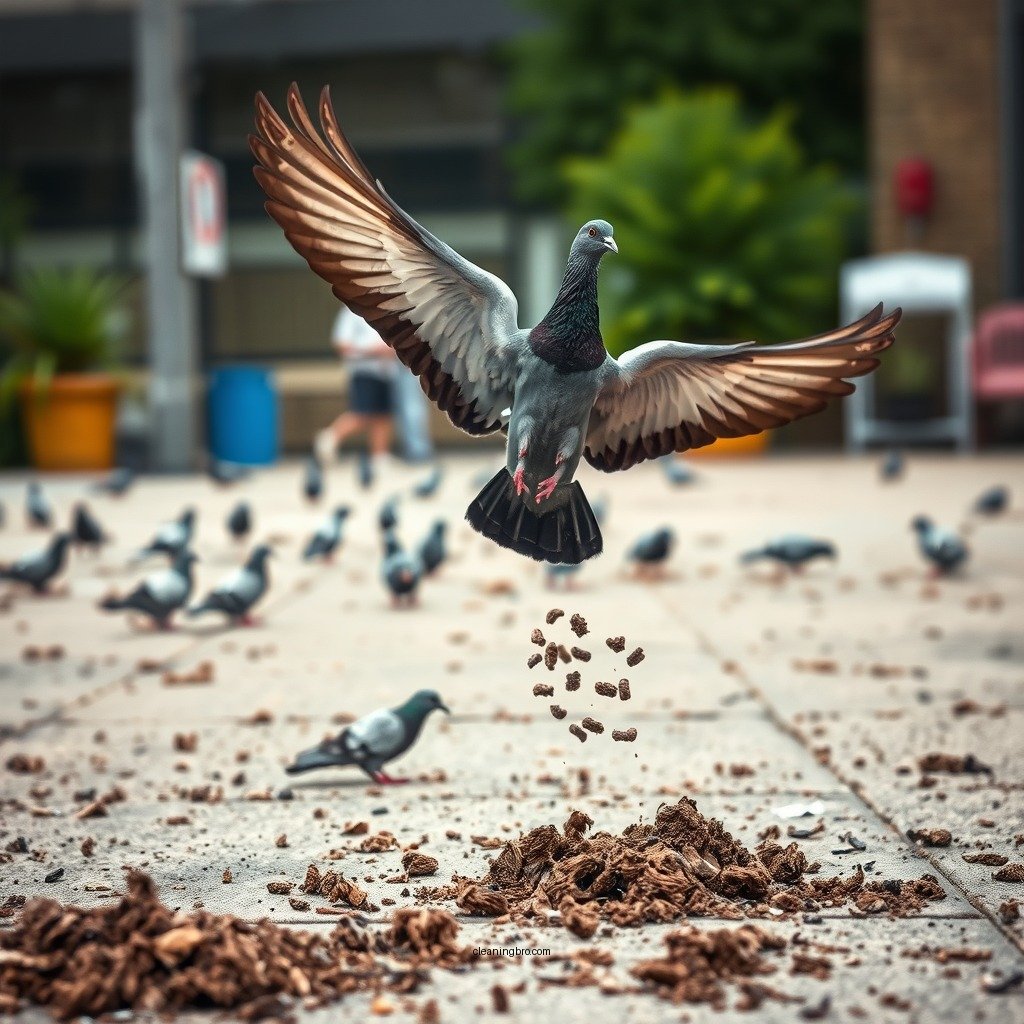
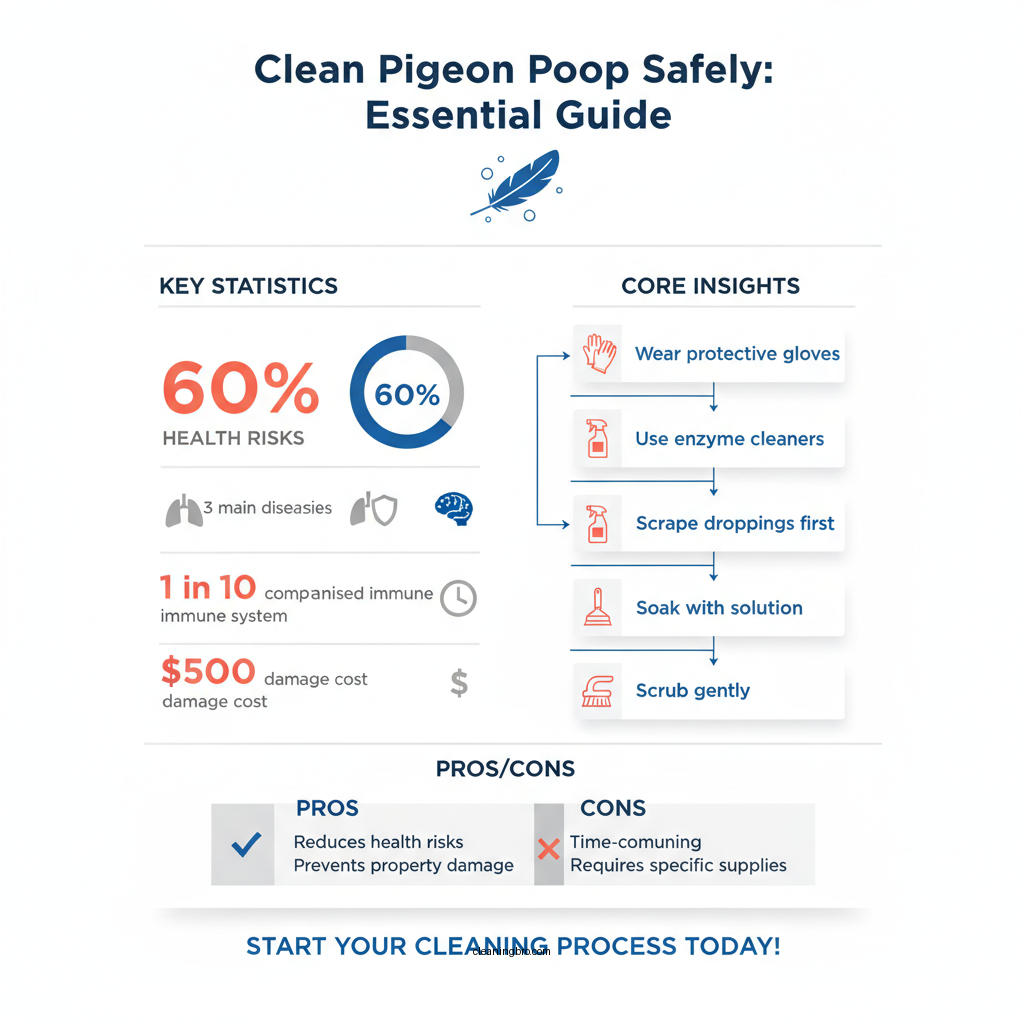
Pigeon poop is not just an unsightly nuisance; it also poses significant health risks. The droppings can carry harmful pathogens such as Histoplasmosis, Cryptococcosis, and Psittacosis, which can lead to severe respiratory issues and other diseases in humans. The risk is particularly pronounced for individuals with weakened immune systems, the elderly, or those with pre-existing health conditions.
Moreover, pigeon droppings contain uric acid, which can corrode and damage various surfaces, including wood, metal, and concrete. This acid can lead to costly repairs if not addressed promptly. Recognizing these risks underlines the importance of taking the necessary precautions during the cleaning process.
Essential Cleaning Supplies
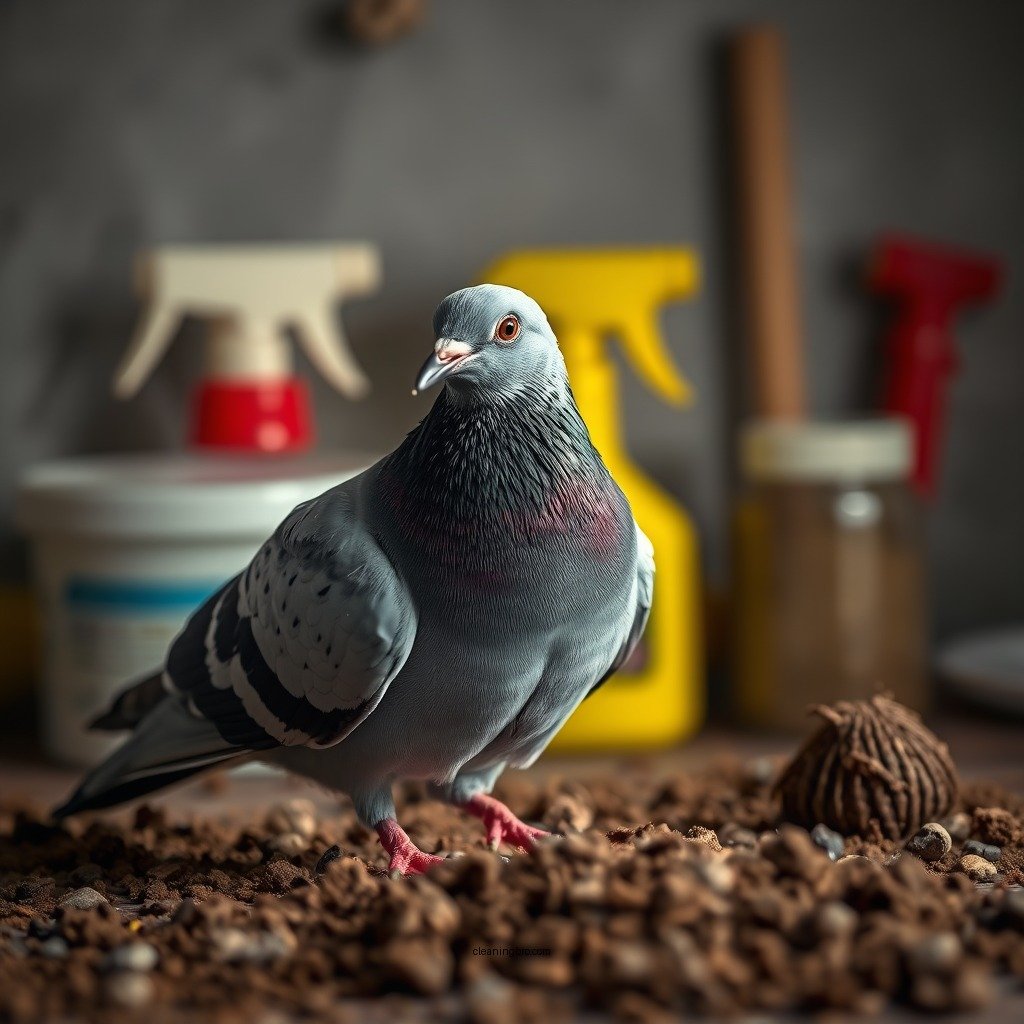
To clean pigeon droppings effectively and safely, gather the following essential supplies:
– Gloves: Opt for rubber or disposable gloves to protect your hands from pathogens and corrosive substances.
– Cleaning Solutions: Enzyme-based cleaners are particularly effective as they break down organic waste. Alternatively, a mixture of water and vinegar can serve as a natural disinfectant.
– Tools: Utilize soft brushes for scrubbing, scrapers for lifting hardened droppings, and buckets to collect waste. You may also need a spray bottle for applying the cleaning solution.
Having the right tools and supplies on hand will streamline the cleaning process and minimize the risk of exposure to harmful bacteria.
Step-by-Step Cleaning Process
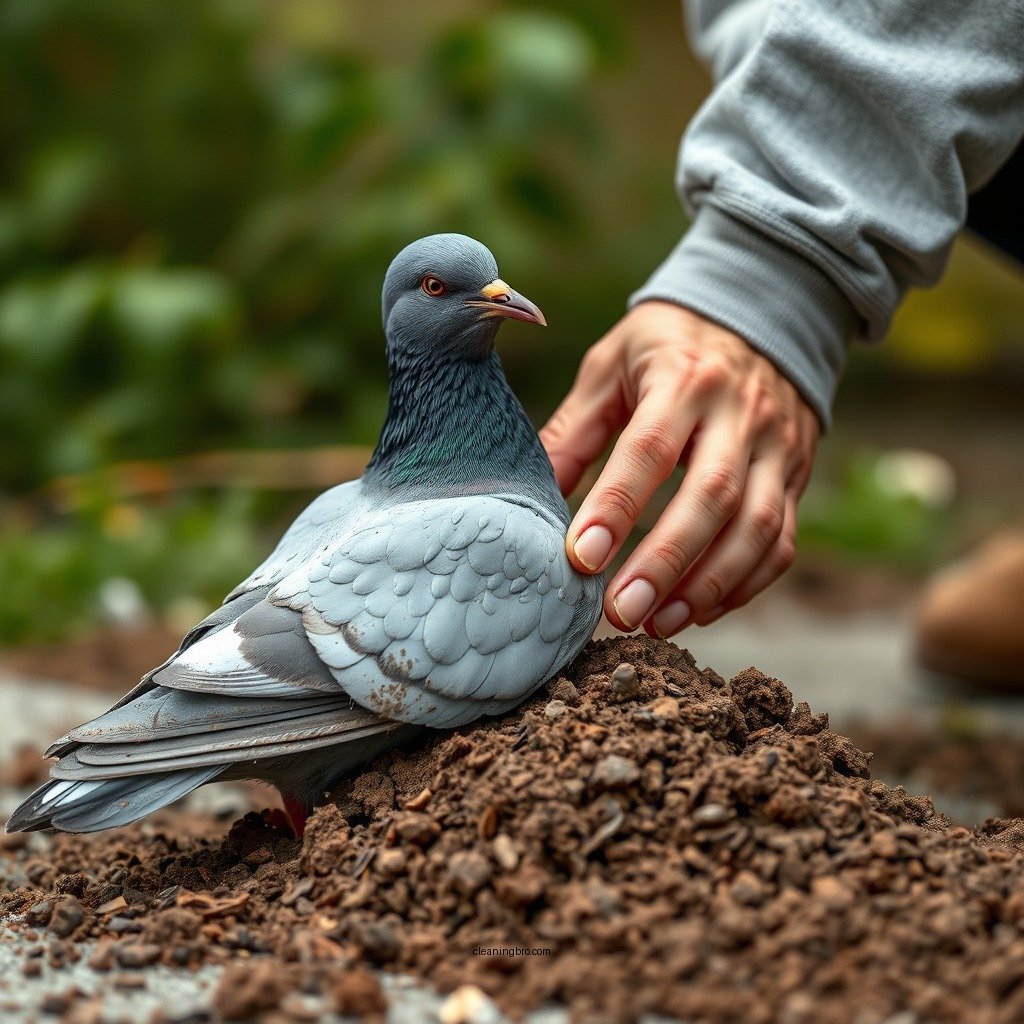
Cleaning pigeon droppings involves a systematic approach to ensure thorough removal without spreading contaminants:
1. Dry Removal: Allow the droppings to dry slightly, which will make them easier to scrape off. Use a scraper to gently lift the droppings without grinding them into the surface.
2. Soaking: Once the droppings are loosened, spray the area with your chosen cleaning solution. Let it soak for 10-15 minutes to break down the waste and disinfect the area.
3. Scrubbing: After soaking, use a soft brush to scrub the surface gently. This action should lift any remaining residue. Rinse the area thoroughly with clean water to remove any cleaner residue.
4. Disposal: Place the collected droppings in a sealed bag and dispose of it according to local regulations. Ensure that you wash your hands thoroughly after cleaning.
This methodical approach reduces the risk of contamination and ensures a cleaner environment.
Common Health Risks from Pigeon Droppings
| # | Health Risk | Symptoms | Transmission Method |
|---|---|---|---|
| 1 | Histoplasmosis | Cough, fever, fatigue | Inhalation of spores |
| 2 | Cryptococcosis | Respiratory issues, meningitis | Inhalation of spores |
| 3 | Psittacosis | Fever, chills, muscle aches | Inhalation or contact |
| 4 | Allergic Reactions | Sneezing, itching, hives | Contact with droppings |
| 5 | Salmonella | Nausea, diarrhea, fever | Contact or ingestion |
| 6 | E. coli | Severe stomach cramps, diarrhea | Contact or ingestion |
| 7 | Leptospirosis | Fever, headache, muscle pain | Contact with contaminated water |
Cleaning Different Surfaces
Different surfaces require tailored approaches for effective cleaning of pigeon droppings:
– Hard Surfaces: For patios, sidewalks, or driveways, use scrapers and brushes to remove the droppings. After scraping, follow up with a pressure washer if needed to eliminate any lingering residues and disinfect the area.
– Soft Surfaces: For fabrics or carpets, it’s essential to act quickly. Blot the area with a damp cloth to absorb the droppings without rubbing them deeper into the fibers. Use specific upholstery cleaners that are designed to tackle organic waste. Always test the cleaner on a hidden area first to avoid discoloration.
– Vehicles: Pigeon droppings on vehicles can lead to paint damage. Use a soft cloth and a specialized car cleaning solution to gently remove droppings, followed by a thorough wash to protect the car’s finish.
Ensuring the right cleaning technique for each surface type will prevent damage and maintain the integrity of the materials.
Best Cleaning Solutions for Pigeon Droppings
| Feature | ⭐ Enzyme Cleaner | Vinegar Solution | Bleach Solution |
|---|---|---|---|
| Effectiveness | ✅ Excellent | ✅ Good | ✅ Good |
| Surface Safety | ✅ Safe | ✅ Safe | ❌ Risky |
| Ease of Use | ✅ Easy | ✅ Easy | ❌ Complicated |
| Natural Ingredients | ✅ Yes | ✅ Yes | ❌ No |
| Odor Neutralization | ✅ Excellent | ✅ Good | ✅ Fair |
| Disinfecting Ability | ✅ High | ✅ Medium | ✅ High |
| Environmental Impact | ✅ Low | ✅ Low | ❌ High |
| Cost | $10-$20 | $5-$10 | $3-$5 |
| 🏆 Best For | Organic waste management | Budget-conscious users | Heavy-duty cleaning |
Safety Measures While Cleaning
When cleaning pigeon droppings, safety should be your top priority. Follow these measures to protect yourself:
– Wear a Mask: Use an N95 mask or a similar respiratory protection device to avoid inhaling dust and spores that may be present in the droppings.
– Ensure Proper Ventilation: If you are cleaning indoors, open windows and doors to provide adequate airflow. This helps disperse any airborne contaminants.
– Proper Waste Disposal: Seal droppings in a plastic bag before disposal. Check local regulations for hazardous waste disposal, especially if cleaning large amounts.
– Wash Hands Thoroughly: After cleaning, wash your hands with soap and water, even if you wore gloves. This reduces the risk of transferring any pathogens to your face or mouth.
Maintaining safety during the cleaning process is essential to prevent exposure to harmful substances.
Preventing Future Issues
Once you have addressed the current pigeon droppings, consider implementing preventive measures to reduce future problems:
– Install Bird Spikes or Nets: These physical barriers can deter pigeons from roosting in areas where their droppings pose a problem.
– Regular Cleaning Practices: Establish a routine cleaning schedule for areas prone to droppings. Regular maintenance can significantly minimize accumulation and the associated health risks.
– Use Repellents: Consider using non-toxic bird repellents that create an unpleasant environment for pigeons. This can further discourage them from returning.
By proactively addressing potential issues, you can maintain a cleaner and healthier environment.
When to Call Professionals
There are situations where calling in professionals is the best option:
– Extensive Infestation: If you notice a large accumulation of droppings or an ongoing pigeon problem, it may be best to consult pest control experts who can safely and effectively manage the situation.
– Health Concerns: If you or anyone in your household has health issues that could be aggravated by cleaning pigeon droppings, it’s advisable to seek professional help.
– Persistent Stains or Damage: For surfaces that have suffered staining or damage due to droppings, professionals may have access to specialized treatments that can restore the surfaces without causing further harm.
Recognizing when to seek professional assistance ensures that cleaning is done effectively while prioritizing health and safety.
Cleaning pigeon poop can be straightforward with the right approach and equipment. By following these steps and understanding the associated risks, you can maintain a clean and safe environment. If you encounter challenges, don’t hesitate to seek professional help for thorough and effective cleaning.
Frequently Asked Questions
What is the best way to clean pigeon poop from outdoor surfaces?
The best way to clean pigeon poop from outdoor surfaces is to first wear protective gloves and a mask to avoid health risks. Use a mixture of warm water and mild detergent to soak the droppings, allowing it to soften for about 10-15 minutes. Then, scrub the area with a stiff brush and rinse thoroughly with water to remove any residue.
How can I safely remove pigeon poop from my car?
To safely remove pigeon poop from your car, start by using a soft cloth or sponge dampened with warm, soapy water to gently lift the droppings without scratching the paint. For stubborn stains, consider using a specialized automotive cleaner. After cleaning, rinse the area with water and dry it to prevent water spots.
Why is it important to clean pigeon droppings promptly?
Cleaning pigeon droppings promptly is important because the feces can harbor harmful pathogens and parasites that pose health risks, including respiratory diseases. Additionally, pigeon poop is acidic and can damage surfaces over time, leading to costly repairs if not addressed quickly.
Which cleaning products are effective for removing pigeon poop?
Effective cleaning products for removing pigeon poop include enzymatic cleaners, which break down organic material, and commercial bird droppings removers specifically designed for this purpose. Alternatively, a solution of vinegar and water or a mild detergent can also work well for less severe cases.
How do I prevent pigeons from returning to my property after cleaning their droppings?
To prevent pigeons from returning to your property after cleaning their droppings, consider installing physical barriers like spikes or nets on ledges and roofs. Additionally, using repellents or decoys can help deter them. Regular maintenance and cleaning also discourage pigeons from nesting in the area.
References
- https://www.cdc.gov/healthywater/emergency/cleaning/pigeon.html
https://www.cdc.gov/healthywater/emergency/cleaning/pigeon.html - Does nesfatin-1 influence the hypothalamic–pituitary–gonadal axis in adult males with obstructive…
https://www.nature.com/articles/s41598-019-47061-3 - https://www.ncbi.nlm.nih.gov/pmc/articles/PMC6053848/
https://www.ncbi.nlm.nih.gov/pmc/articles/PMC6053848/ - https://www.who.int/news-room/questions-and-answers/item/pigeons-and-public-health
https://www.who.int/news-room/questions-and-answers/item/pigeons-and-public-health - Pigeon | Bird of Prey, Flight & Migration Patterns | Britannica
https://www.britannica.com/science/pigeon - https://www.epa.gov/pesticides/pest-control-pigeon-droppings
https://www.epa.gov/pesticides/pest-control-pigeon-droppings - https://www.sciencedirect.com/science/article/pii/S0048969719345991
https://www.sciencedirect.com/science/article/pii/S0048969719345991 - https://www.reuters.com/article/us-pigeons-health-idUSKBN1YR1X1
https://www.reuters.com/article/us-pigeons-health-idUSKBN1YR1X1 - Google Scholar Google Scholar
https://scholar.google.com/scholar?q=how+to+clean+pigeon+poop - Google Scholar Google Scholar
https://scholar.google.com/scholar?q=pigeon+droppings+health+risks