How to Clean Plants for Your Fish Tank: A Simple Guide
Cleaning plants for your fish tank is essential to maintain a healthy aquatic environment. By regularly removing debris and algae, you can promote better water quality and enhance the appearance of your tank. In this guide, you’ll learn effective methods to clean your aquatic plants safely and efficiently, ensuring that both your fish and plants thrive in a pristine habitat.
Understanding the Importance of Cleaning Aquarium Plants
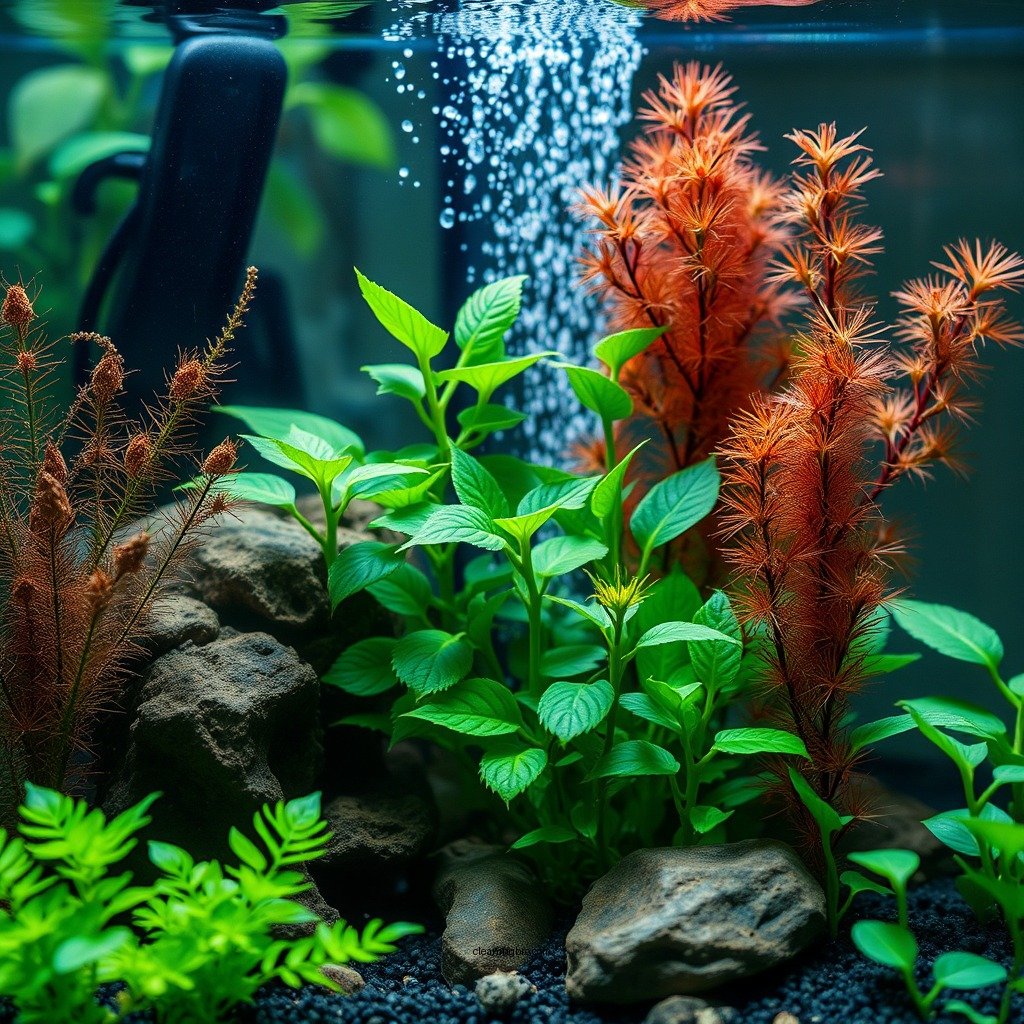
Maintaining clean plants in your aquarium is crucial for several reasons. First and foremost, it prevents algae buildup, which can be detrimental to the health of your fish and plants. Algae thrive on excess nutrients and can quickly overrun your tank, leading to poor water quality and reduced oxygen levels. Furthermore, dirty plants detract from the aesthetic appeal of your aquarium, making it less enjoyable to observe. By keeping your aquatic plants clean, you not only promote a healthier environment but also enhance the overall beauty of your fish tank, creating a serene aquatic landscape.
Tools You Will Need
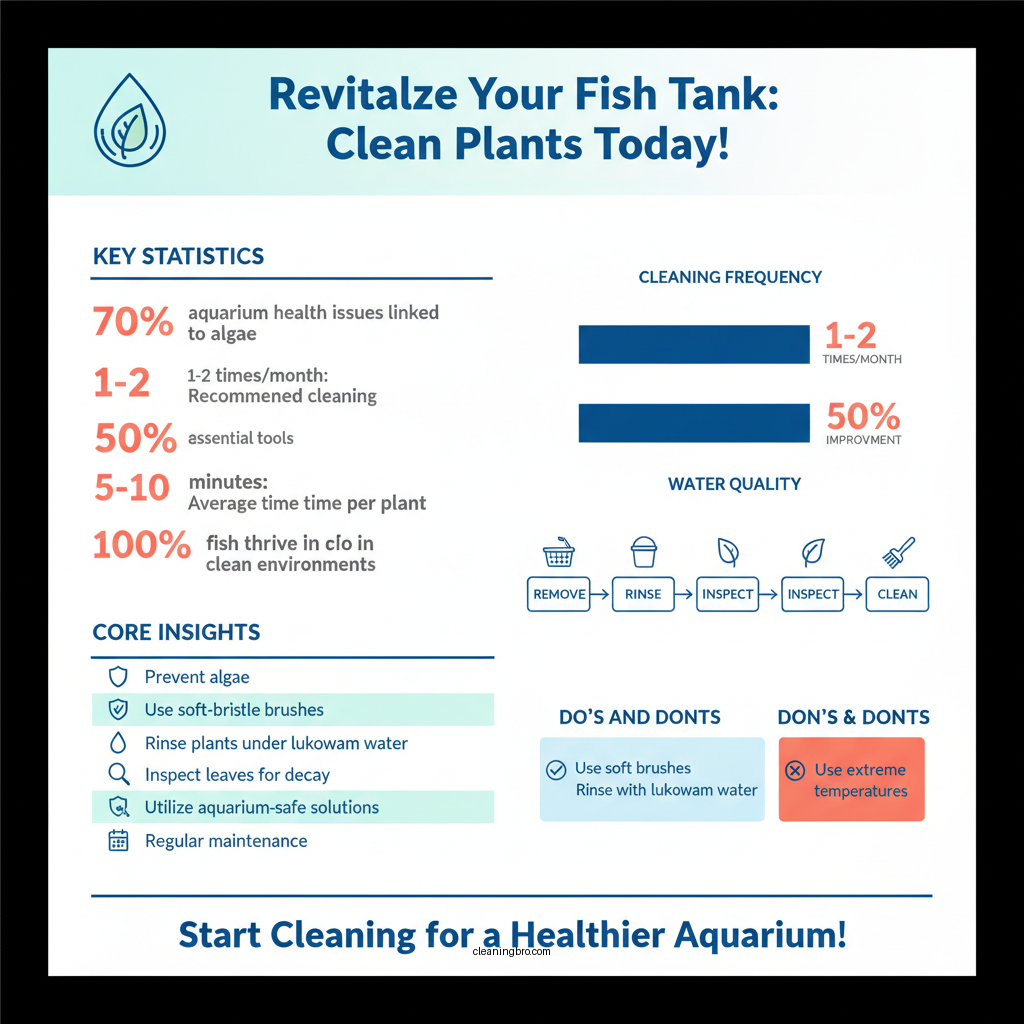
To clean your aquarium plants effectively, you will need a few essential tools:
– Soft-bristle brush: This is ideal for gently scrubbing your plants without causing damage. Avoid using hard brushes, as they can tear delicate leaves.
– Bucket or container: Use a clean bucket or container to rinse your plants after cleaning. This will help prevent debris from re-entering the aquarium.
– Aquarium-safe cleaning solution: While many aquarists prefer to clean plants with just water, a diluted aquarium-safe cleaning solution can be beneficial for tough stains or algae. Ensure that any product used is safe for aquatic life and rinsed thoroughly afterward.
Step-by-Step Cleaning Process
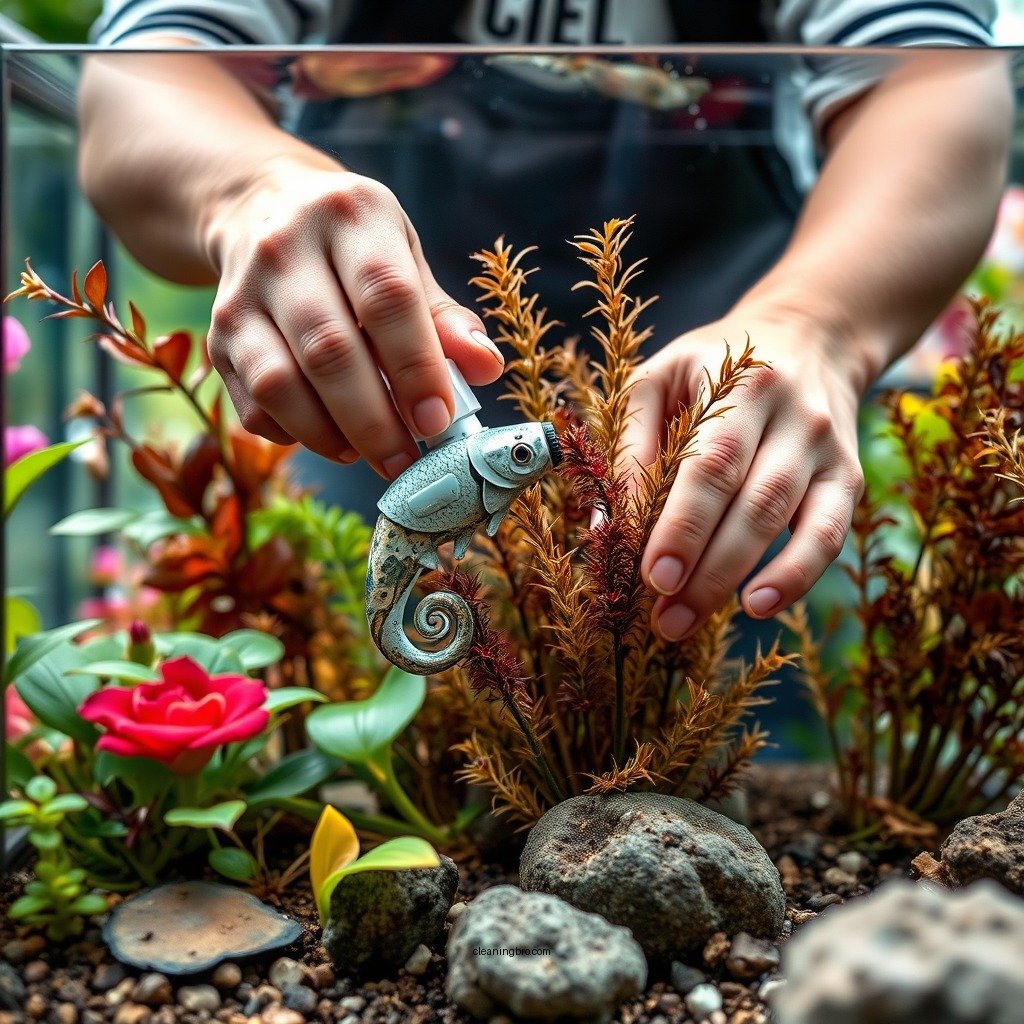
Cleaning your aquarium plants involves a systematic approach to ensure they remain healthy and vibrant:
1. Remove plants from the tank: Carefully detach the plants from the substrate, ensuring minimal disturbance to your fish and tank environment. It’s often best to perform this task during feeding times when fish are less active.
2. Rinse plants under lukewarm water: Place the plants in a bucket and rinse them thoroughly under lukewarm water. This helps to remove loose debris and any small algae present on the leaves. Avoid using hot or cold water, as temperature extremes can stress the plants.
3. Inspect the plants: While rinsing, inspect the leaves for signs of decay or excessive algae growth. This is crucial for determining the next steps in your cleaning process.
Top 7 Common Aquarium Plants and Their Care Needs
| # | Plant Name | Light Requirement | Water Temperature | Growth Rate |
|---|---|---|---|---|
| 1 | Java Fern | Low to Medium | 22-28°C | Slow |
| 2 | Anubias | Low | 23-28°C | Slow |
| 3 | Amazon Sword | Medium to High | 24-28°C | Fast |
| 4 | Cryptocoryne | Low to Medium | 22-26°C | Medium |
| 5 | Hornwort | Low | 15-25°C | Fast |
| 6 | Marimo Moss Ball | Low | 18-24°C | Slow |
| 7 | Water Wisteria | Medium | 22-28°C | Fast |
Dealing with Algae and Debris
Once you’ve rinsed your plants, it’s time to tackle stubborn algae and debris.
– Use the soft-bristle brush: Carefully scrub the leaves with your soft-bristle brush, focusing on areas with visible algae. This gentle approach allows you to remove the algae without damaging the plant’s delicate structure.
– Consider using a diluted vinegar solution: For particularly tough stains, a diluted vinegar solution can be effective. Mix one part vinegar with three parts water, and apply it to the affected areas using a soft cloth or brush. After scrubbing, rinse the plants thoroughly with water to ensure no vinegar residue remains, as it can harm aquatic life if left on the plants.
Maintaining Clean Plants: Best Practices
To keep your aquatic plants in optimal condition, adopt a routine maintenance schedule:
– Regularly inspect plants: Make it a habit to check your plants for signs of algae or decay during your routine tank maintenance. Early detection is key to preventing larger problems from developing.
– Schedule cleanings every 1-2 weeks: Depending on your tank’s conditions, a regular cleaning schedule can help maintain plant health. Tanks with higher light levels or nutrient concentrations may require more frequent cleanings to prevent algae growth.
When to Replace Plants
Despite your best efforts, some plants may reach a point where they are beyond cleaning:
– Identify signs of decay: If your plants show excessive yellowing, wilting, or decay, it may be time to consider replacement. Healthy plants should have vibrant colors and firm leaves.
– Choose the right replacement plants: When selecting new plants, consider those that complement your tank’s existing ecosystem. Researching plants that thrive in similar conditions to your current tank will help create a harmonious environment.
Best Aquarium Plants for Beginners: Full Comparison
| Feature | ⭐ Java Fern | Anubias | Amazon Sword |
|---|---|---|---|
| Light Requirement | Low to Medium | Low | Medium to High |
| Water Temperature | 22-28°C | 23-28°C | 24-28°C |
| Growth Rate | Slow | Slow | Fast |
| Ease of Care | ✅ Very Easy | ✅ Easy | ❌ Moderate |
| Fertilization Needs | Low | Low | Moderate |
| Propagation Method | Division | Cuttings | Cuttings |
| Size Range | Small to Medium | Small | Medium to Large |
| pH Tolerance | 6.0-7.5 | 5.5-7.5 | 6.0-7.5 |
| CO2 Requirements | Low | Low | Medium |
| 🏆 Best For | Beginner aquarists | Low-maintenance setups | Experienced hobbyists |
Tips for Keeping Your Fish Tank Clean
Maintaining a clean fish tank goes beyond just cleaning plants. Here are some essential tips:
– Implement a proper filtration system: A quality filtration system is vital for reducing debris, waste, and excess nutrients in the water. This will help minimize the growth of algae and keep your plants healthy.
– Avoid overfeeding fish: Overfeeding can lead to excess waste that settles on your plants and substrate. Be mindful of the portion sizes and frequency of feeding to maintain a clean environment.
– Consider regular water changes: Regular water changes are an effective way to keep your tank clean. Aim for a 10-15% water change weekly to remove accumulated waste and replenish essential minerals.
Cleaning your plants can greatly enhance the overall health and beauty of your fish tank. By following the outlined steps and maintaining a regular cleaning schedule, you will ensure a thriving aquatic environment for your fish and plants alike. Start today by gathering your tools and giving your plants the care they deserve!
Frequently Asked Questions
How do I clean plants for my fish tank without harming the fish?
To clean plants for your fish tank safely, remove them from the aquarium and gently rinse them under lukewarm water to eliminate debris and algae. Avoid using any soaps or chemicals, as these can be harmful to fish; instead, you can use a soft brush for stubborn spots. After rinsing, consider soaking them in a diluted vinegar solution (1 part vinegar to 10 parts water) for about 10 minutes before rinsing again thoroughly.
What is the best way to remove algae from aquarium plants?
The best way to remove algae from aquarium plants is to gently scrub them with a soft-bristled toothbrush or a sponge under running water. Additionally, you can use an aquarium-safe algae remover, but always follow the manufacturer’s instructions to ensure it’s safe for your fish and plants. Regular maintenance, such as controlling light exposure and nutrient levels, can also help prevent algae growth in the future.
Why is it important to clean plants in a fish tank regularly?
Regularly cleaning plants in a fish tank is essential to maintain water quality, prevent algae buildup, and promote healthy plant growth. Dirty plants can harbor harmful bacteria and pests that may affect the overall health of your aquarium. Moreover, clean plants enhance the aesthetic appeal of your tank, creating a more visually pleasing environment for both fish and owners.
Which cleaning tools are best for maintaining aquarium plants?
The best cleaning tools for maintaining aquarium plants include soft-bristle brushes, sponges, and aquarium-safe tweezers. A toothbrush can also be effective for scrubbing delicate leaves without causing damage. Using these tools helps ensure that you can clean your plants thoroughly while minimizing the risk of harming them or introducing contaminants into the tank.
How often should I clean my aquarium plants?
You should clean your aquarium plants every 1-2 weeks, depending on the growth rate of the plants and the level of algae present in your tank. Regular inspections will help you determine how often cleaning is necessary. Additionally, keeping an eye on water quality and clarity can guide you in establishing a suitable cleaning schedule to maintain a healthy aquatic environment.
References
- Aquascaping
https://en.wikipedia.org/wiki/Aquarium_plant - https://www.ncbi.nlm.nih.gov/pmc/articles/PMC6466863/
https://www.ncbi.nlm.nih.gov/pmc/articles/PMC6466863/ - https://www.sciencedirect.com/science/article/pii/S2351978918300087
https://www.sciencedirect.com/science/article/pii/S2351978918300087 - https://www.oregon.gov/oha/PHD/pages/healthy_aquatic_plants.pdf
https://www.oregon.gov/oha/PHD/pages/healthy_aquatic_plants.pdf - https://www.mayoclinic.org/healthy-lifestyle/consumer-health/in-depth/aquarium-plants/art-20468015
https://www.mayoclinic.org/healthy-lifestyle/consumer-health/in-depth/aquarium-plants/art-20468015 - https://www.bbc.co.uk/news/science-environment-50825095
https://www.bbc.co.uk/news/science-environment-50825095 - https://www.nature.com/articles/s41575-018-0019-8
https://www.nature.com/articles/s41575-018-0019-8 - Google Scholar Google Scholar
https://scholar.google.com/scholar?q=how+to+clean+plants+for+fish+tank - Google Scholar Google Scholar
https://scholar.google.com/scholar?q=aquarium+plant+cleaning+methods - how to clean plants for fish tank – Search results
https://en.wikipedia.org/wiki/Special:Search?search=how+to+clean+plants+for+fish+tank