How to Clean Plaque Off Dentures: Effective Techniques
Cleaning plaque off dentures is essential for maintaining oral hygiene and preventing bad breath. Regularly removing plaque not only keeps your dentures looking their best but also helps prevent gum disease. In this article, you will learn effective techniques to keep your dentures clean and free of plaque buildup.
Understanding Plaque on Dentures
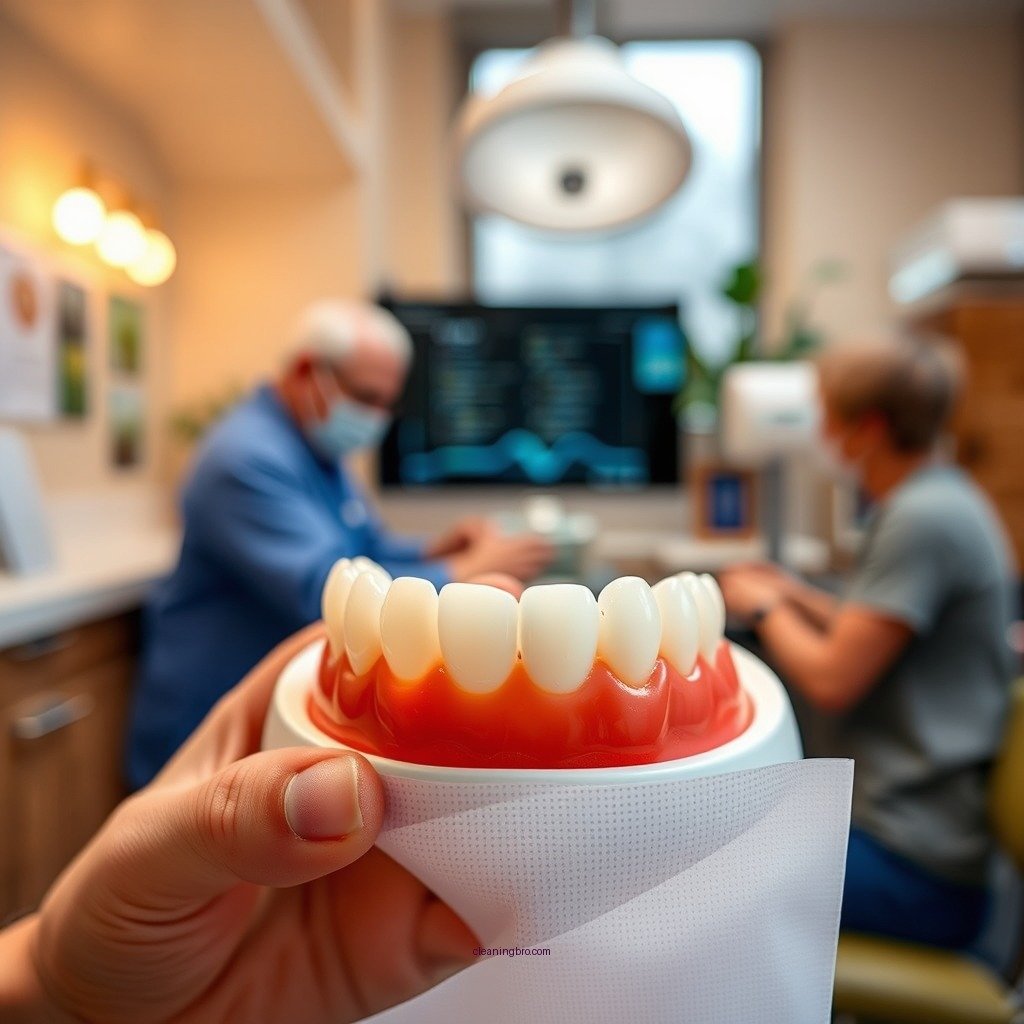
Plaque is a sticky film of bacteria that forms on dentures, which can lead to stains and bad odors. When food particles are not adequately removed from dentures, they can mix with saliva and bacteria, resulting in plaque formation. This accumulation can happen quickly if dentures are not cleaned regularly—often within just a few hours after eating. Over time, plaque can harden into tartar, making it more challenging to remove and potentially leading to dental issues such as gum disease and infections. Knowing how to recognize plaque buildup and the importance of regular cleaning can help denture wearers maintain their oral health.
Daily Cleaning Routine
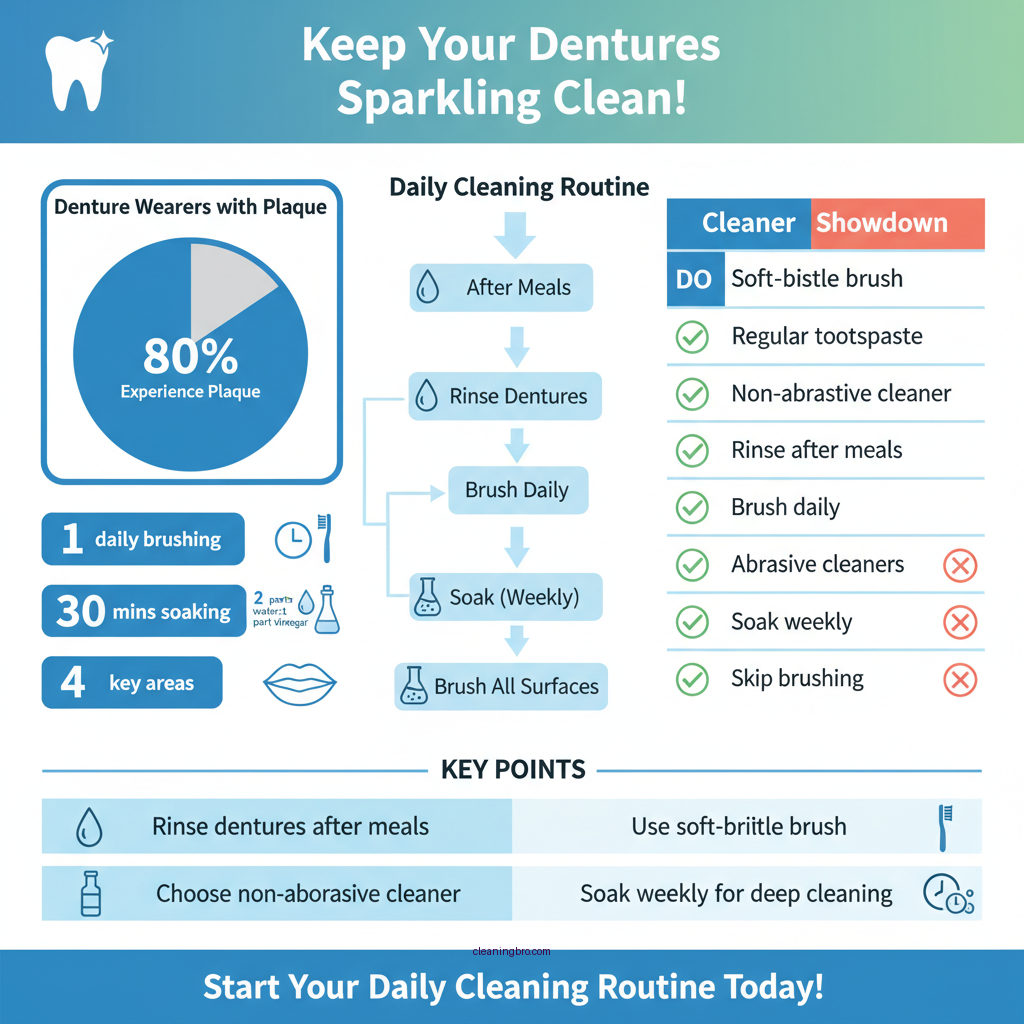
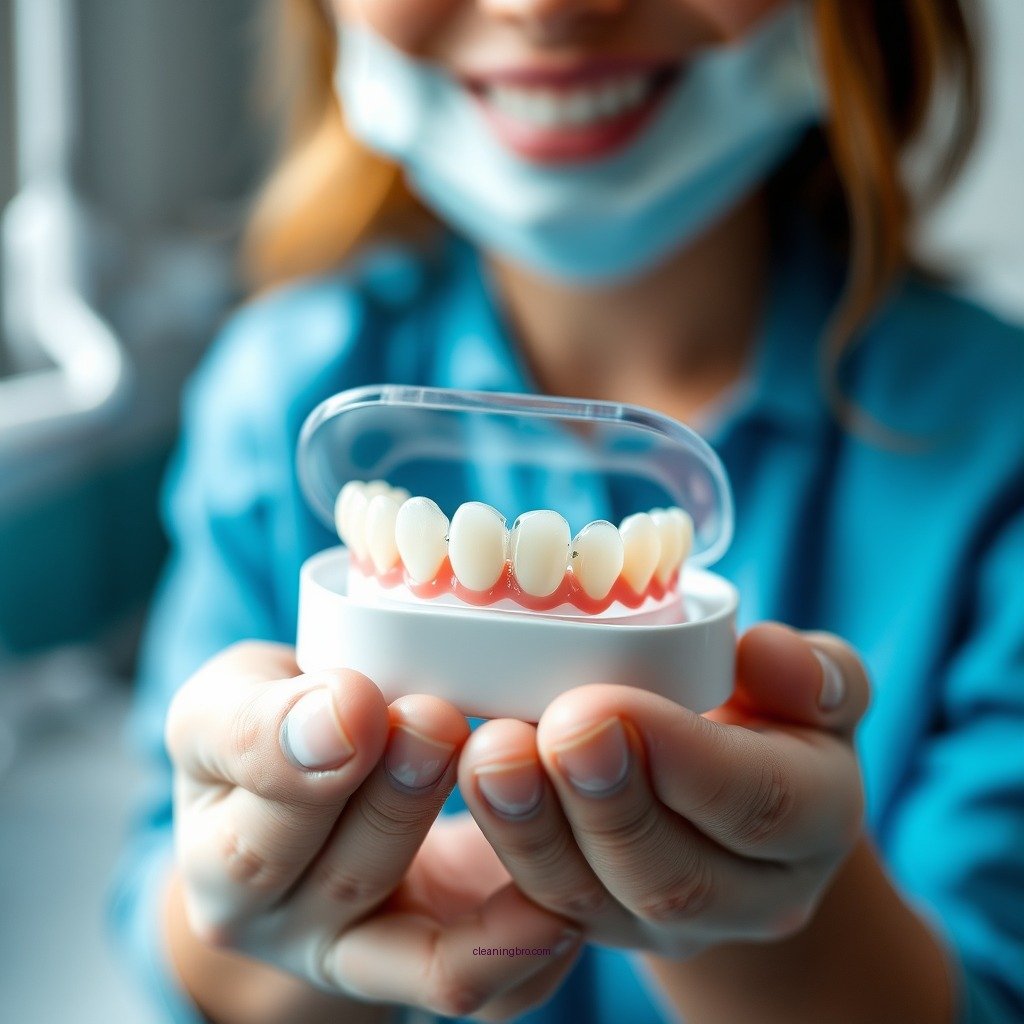
A consistent daily cleaning routine is the cornerstone of denture care. Start by rinsing your dentures under warm water after meals to remove loose food particles. This simple step helps prevent the buildup of plaque and keeps your dentures fresh. It’s crucial to use a soft-bristle toothbrush specifically designed for dentures, as standard toothbrushes can be too abrasive and may scratch the surface of the dentures.
When brushing, opt for a non-abrasive denture cleaner instead of regular toothpaste, which can contain harsh ingredients that damage the denture material. Brush all surfaces of the dentures thoroughly, focusing on areas that are prone to plaque accumulation, such as the gum line and any crevices. Establishing a routine—ideally brushing your dentures at least once daily—will significantly enhance your oral hygiene and prolong the lifespan of your dentures.
Deep Cleaning Techniques
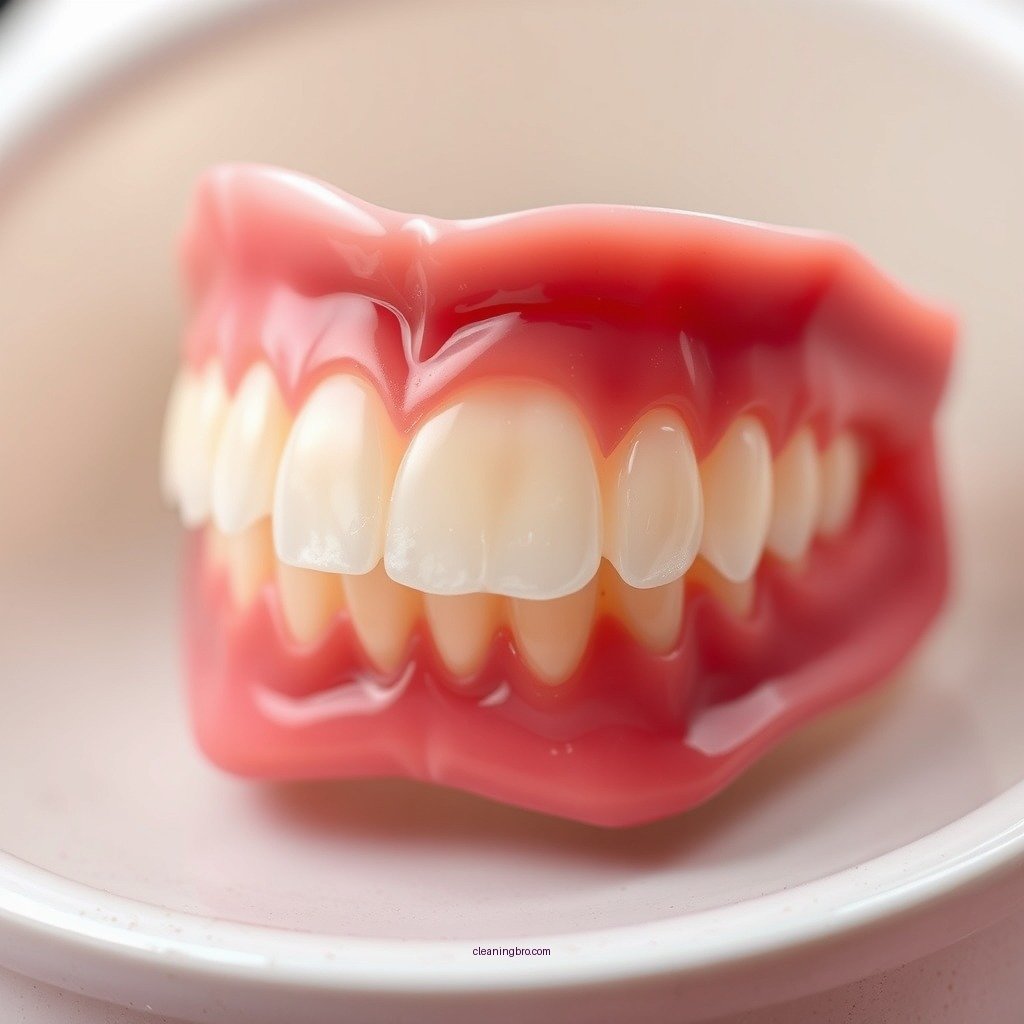
In addition to daily cleaning, incorporating deep cleaning techniques into your routine is vital. At least once a week, soak your dentures in a denture cleaning solution or a mixture of white vinegar and baking soda for a more thorough cleanse. This combination not only helps to dissolve plaque and stains but also eliminates odors. For a simple and effective solution, mix one part vinegar with two parts water and add a tablespoon of baking soda. Allow your dentures to soak for about 30 minutes before rinsing thoroughly.
Another effective option is to use effervescent denture cleaning tablets, which can work wonders in breaking down plaque and stains. Simply place the tablet in a container of water with your dentures and allow it to fizz for the recommended time, usually around 15 to 30 minutes. This method is not only effective but also convenient, as it requires minimal effort on your part.
Tips for Storing Dentures
Proper storage of dentures is equally important to ensure their longevity and cleanliness. Always store dentures in a clean container, submerged in water or a denture solution to prevent them from drying out, which can cause warping or cracking. It’s essential to avoid storing dentures in hot water or in a dry environment, as excessive heat can damage their structure.
Moreover, never use bleach or harsh chemicals for cleaning or storage, as these substances can weaken the denture material and lead to discoloration. Instead, opt for products specifically designed for denture care to maintain their integrity and appearance. Regularly cleaning and replacing the storage container can also help deter bacteria growth and keep your dentures fresh.
Recognizing When to Replace Dentures
Even with the best cleaning routine, dentures have a lifespan and may need to be replaced over time. Signs of wear and damage include persistent plaque buildup that cannot be removed through regular cleaning, cracks, or a noticeable drop in fit or comfort. If your dentures feel loose or cause irritation, it may be time to consult your dentist for an evaluation.
Regular dental check-ups are crucial for monitoring the condition of your dentures. Dentists can assess any wear and provide recommendations on replacement timelines based on your individual needs. Remember, properly maintained dentures can last several years, but being proactive about their health ensures you can enjoy optimal oral hygiene.
Maintaining Overall Oral Hygiene
Maintaining overall oral hygiene goes hand-in-hand with denture care. It’s essential not to neglect your gums, tongue, and any remaining natural teeth. Brush your gums and tongue daily to remove bacteria and promote healthy oral tissue. This practice not only supports gum health but can also enhance the fit of your dentures.
Additionally, scheduling regular dental visits allows for professional cleaning and adjustments to ensure your dentures fit correctly. During these visits, your dentist can also check for any signs of gum disease or other oral health issues that may arise from plaque buildup.
Top 7 Denture Cleaning Methods (2024)
| # | Method | Effectiveness | Ease of Use | Frequency |
|---|---|---|---|---|
| 1 | Daily Brushing | High | Easy | Daily |
| 2 | Soaking Solutions | Very High | Easy | Weekly |
| 3 | Vinegar & Baking Soda | High | Moderate | Weekly |
| 4 | Effervescent Tablets | Very High | Very Easy | Weekly |
| 5 | Ultrasonic Cleaners | High | Moderate | Weekly |
| 6 | Hydrogen Peroxide | Moderate | Easy | Weekly |
| 7 | Baking Soda Paste | High | Easy | Weekly |
Denture Cleaning Solutions: Full Comparison
| Feature | ⭐ Soaking Solutions | Effervescent Tablets | Vinegar & Baking Soda |
|---|---|---|---|
| Ease of Use | ✅ Simple | ✅ Very Simple | ✅ Simple |
| Effectiveness | ✅ Very High | ✅ High | ✅ High |
| Frequency of Use | Weekly | Weekly | Weekly |
| Cost | $10-$15 | $8-$12 | $2-$5 |
| Availability | Widely Available | Widely Available | Common Household Item |
| Allergen-Free | ✅ Yes | ✅ Yes | ✅ Yes |
| Natural Ingredients | ✅ Yes | ✅ Yes | ✅ Yes |
| Safe for Dentures | ✅ Yes | ✅ Yes | ✅ Yes |
| 🏆 Best For | Convenience seekers | Quick cleaning | Budget-conscious |
Summarizing the importance of plaque removal and effective cleaning methods is essential for maintaining your dentures. By following a consistent cleaning routine and employing deep cleaning techniques, you can ensure your dentures remain in great condition. Don’t hesitate to reach out to your dentist if you have concerns about plaque buildup or denture care. Prioritizing your oral hygiene will lead to a healthier smile and overall well-being.
Frequently Asked Questions
What are the best methods to clean plaque off dentures?
The best methods to clean plaque off dentures include using a soft-bristle toothbrush specifically designed for dentures and soaking them in a denture cleaning solution. Additionally, you can use a mixture of vinegar and water or a baking soda paste for a gentle scrub. Regular cleaning helps maintain oral hygiene and prolongs the life of the dentures.
How often should I clean my dentures to prevent plaque buildup?
To prevent plaque buildup, you should clean your dentures at least twice a day, ideally after meals. This routine helps remove food particles and bacteria that can lead to plaque formation. It’s also beneficial to soak your dentures overnight in a cleaning solution to ensure they stay fresh and free from harmful deposits.
Why is it important to remove plaque from dentures?
Removing plaque from dentures is crucial for maintaining oral hygiene and preventing gum disease and infections. Plaque buildup can lead to bad breath and discomfort, impacting your overall dental health. Regular cleaning also ensures that your dentures fit properly and function effectively.
Which products are recommended for effectively removing plaque from dentures?
Recommended products for effectively removing plaque from dentures include enzymatic cleaners, denture-specific brushes, and non-abrasive cleaning pastes. Look for brands that contain ingredients like sodium bicarbonate or calcium carbonate, which help dissolve plaque without damaging the denture material. Avoid using regular toothpaste, as it can be too abrasive.
How can I remove stubborn plaque from my dentures at home?
To remove stubborn plaque from your dentures at home, you can soak them in a mixture of equal parts vinegar and water for about 30 minutes, then gently brush with a denture brush. For tougher stains, a baking soda paste can be applied and scrubbed lightly. Always rinse thoroughly afterward to ensure no cleaning solution remains on the dentures.
References
- https://www.mayoclinic.org/healthy-lifestyle/adult-health/in-depth/denture-care/art-20045026
https://www.mayoclinic.org/healthy-lifestyle/adult-health/in-depth/denture-care/art-20045026 - https://www.ncbi.nlm.nih.gov/pmc/articles/PMC6346507/
https://www.ncbi.nlm.nih.gov/pmc/articles/PMC6346507/ - https://www.ncbi.nlm.nih.gov/pmc/articles/PMC3670401/
https://www.ncbi.nlm.nih.gov/pmc/articles/PMC3670401/ - Oral health
https://www.who.int/news-room/fact-sheets/detail/oral-health - https://www.cdc.gov/oralhealth/conditions/dentures.html
https://www.cdc.gov/oralhealth/conditions/dentures.html - Denture | Implant-Supported, Partial & Complete | Britannica
https://www.britannica.com/science/denture - https://www.niaid.nih.gov/news-events/faq-dentures
https://www.niaid.nih.gov/news-events/faq-dentures - Google Scholar Google Scholar
https://scholar.google.com/scholar?q=how+to+clean+plaque+off+dentures - Google Scholar Google Scholar
https://scholar.google.com/scholar?q=denture+care+oral+health - https://scholar.google.com/scholar?q=removing+plaque+from+dentures Google Scholar
https://scholar.google.com/scholar?q=removing+plaque+from+dentures