How to Clean Plaque Off Retainers: A Step-by-Step Guide
Cleaning plaque off retainers is essential for maintaining oral hygiene and ensuring the longevity of your dental appliances. Start by soaking your retainers in a solution of warm water and mild dish soap, then gently scrub with a soft toothbrush. This article will detail effective methods and tips to keep your retainers clean and free from plaque buildup.
Understanding Plaque and Its Effects on Retainers

Plaque is a sticky film of bacteria that forms on the surface of retainers, much like it does on natural teeth. This biofilm can lead to various oral health issues, including gum disease and tooth decay if left unchecked. The bacteria within the plaque produce acids that can erode the enamel of your teeth and create an unpleasant odor. Furthermore, plaque buildup can cause retainers to become stained, affecting their appearance and effectiveness. Regular cleaning is vital not only for maintaining the integrity of the retainers but also for safeguarding your overall oral health.
Essential Cleaning Supplies You Will Need
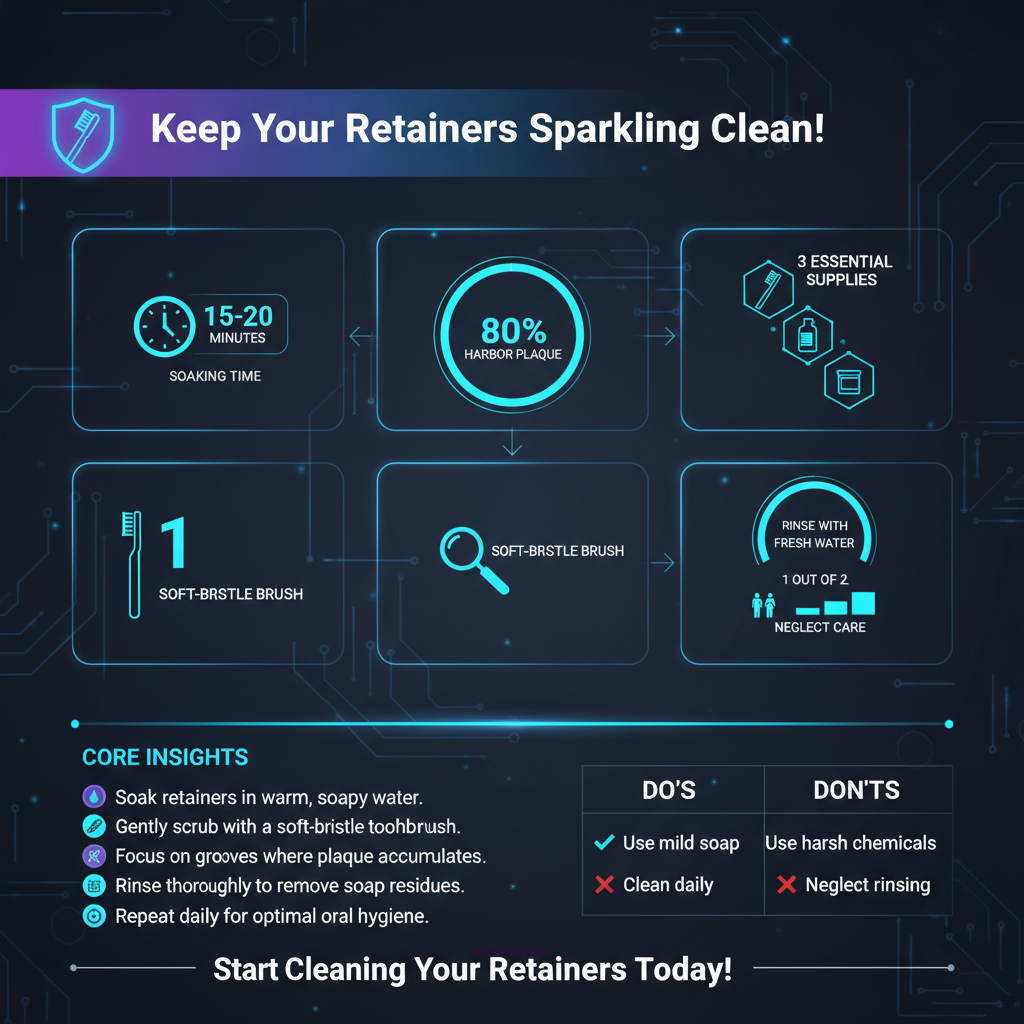

To effectively clean plaque off your retainers, it’s important to have the right tools on hand. Here are the essential supplies you will need:
– Soft-bristle toothbrush: A soft-bristled brush is crucial as it helps avoid scratching the surface of the retainer, ensuring it remains undamaged while effectively removing plaque and debris.
– Non-abrasive cleaning solutions: Mild dish soap or specialized retainer cleaners are ideal. Avoid using harsh chemicals or abrasive cleaners, as these can degrade the material of the retainer.
– Soaking container: A small bowl or container is required for soaking the retainers in the cleaning solution.
– Fresh water: Always rinse your retainers with clean water after using any cleaning solution to remove any residues.
Step-by-Step Cleaning Process
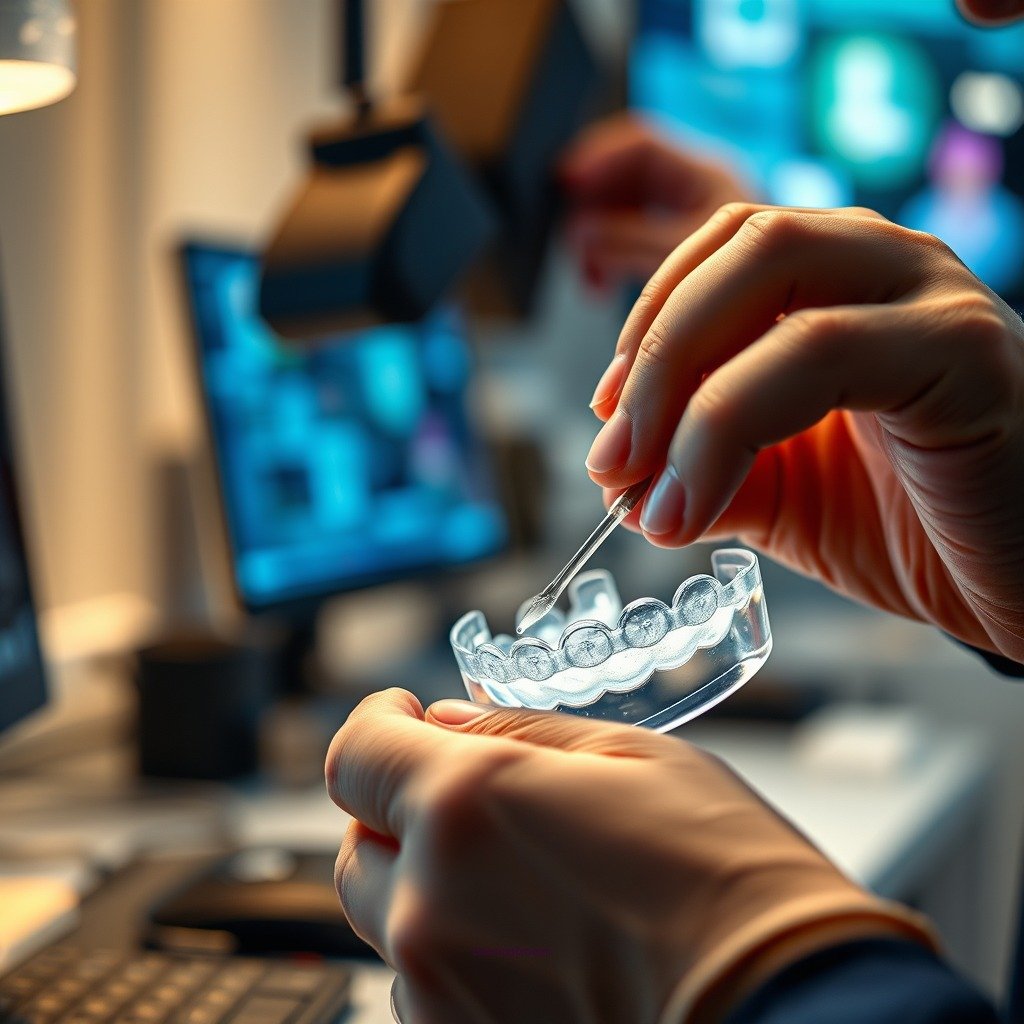
Cleaning your retainers should be a part of your daily oral hygiene routine. Follow these simple steps for effective plaque removal:
1. Soak the retainers: Begin by filling a small bowl with warm water and adding a few drops of mild dish soap. Allow your retainers to soak in this solution for about 15-20 minutes. This soaking process helps to loosen the plaque and bacteria.
2. Brush the retainers: After soaking, take a soft-bristle toothbrush and gently scrub all surfaces of the retainers. Pay special attention to areas where plaque tends to accumulate, such as the grooves and edges. Be gentle to prevent any scratching.
3. Rinse thoroughly: Once you’ve finished brushing, rinse the retainers thoroughly under lukewarm water. Ensure no soap residue remains, as this can cause irritation when the retainers are worn.
4. Dry and store: Allow the retainers to air dry before placing them in their protective case. Ensure the case is clean and dry to prevent contamination.
Alternative Cleaning Methods
For those looking for natural alternatives, there are several effective cleaning methods:
– Vinegar and baking soda: Create a paste using equal parts vinegar and baking soda. Apply this mixture to the retainer and let it sit for about 10-15 minutes before brushing and rinsing thoroughly. This method is effective in breaking down plaque buildup and disinfecting the appliance.
– Ultrasonic cleaners: These devices use sound waves to create tiny bubbles in water that gently clean the retainer without manual scrubbing. They can be an excellent investment for those who want a thorough clean with minimal effort. Simply place your retainers in the ultrasonic cleaner with water and a few drops of cleaning solution, and let the device do the work.
Maintaining Your Retainers Between Deep Cleans
Prevention is key when it comes to maintaining clean retainers. Here are some tips to keep your retainers in good condition between deep cleans:
– Rinse immediately after removal: After taking out your retainers, rinse them under lukewarm water to remove any saliva and food particles. This step helps minimize plaque accumulation.
– Store properly: Always store your retainers in a clean, dry protective case when not in use. Avoid leaving them out in the open or in damp environments, as this can lead to bacterial growth.
– Avoid eating or drinking with retainers in: If possible, remove your retainers when consuming food or beverages, especially sugary or acidic items, to prevent plaque buildup and staining.
Signs That Your Retainers Need Immediate Attention
Even with regular cleaning, there are signs that may indicate your retainers require immediate attention:
– Noticeable discoloration: If you observe any yellowing or staining of your retainers, it may signify plaque buildup or other residues that require deeper cleaning.
– Odor: A foul smell coming from your retainers is a clear indication that bacteria are thriving, suggesting they need a thorough cleaning or even replacement if the odor persists.
– Increased plaque buildup: If you find that plaque accumulates quickly despite your cleaning efforts, it may be time to consult with your orthodontist or dentist for advice on maintaining your retainers or possibly switching to a different cleaning method.
Top 7 Cleaning Methods for Retainers (2024)
| # | Method | Effectiveness | Ease of Use | Cost |
|---|---|---|---|---|
| 1 | Warm Water & Soap | High | Easy | Low |
| 2 | Vinegar & Baking Soda | Very High | Moderate | Low |
| 3 | Ultrasonic Cleaner | Very High | Easy | Moderate |
| 4 | Retainer Cleaner Tablets | High | Very Easy | Moderate |
| 5 | Hydrogen Peroxide | High | Moderate | Low |
| 6 | Baking Soda Paste | High | Moderate | Very Low |
| 7 | Dish Soap & Water | High | Very Easy | Very Low |
Cleaning Effectiveness of Different Methods
Best Retainer Cleaning Solutions
| Feature | ⭐ Vinegar & Baking Soda | Ultrasonic Cleaner | Retainer Cleaner Tablets |
|---|---|---|---|
| Effectiveness | 90% | 85% | 78% |
| Ease of Use | Moderate | Easy | Very Easy |
| Cost | Low | Moderate | Moderate |
| Time Required | 15-20 minutes | 5-10 minutes | 10 minutes |
| Environmental Friendly | ✅ | ❌ | ✅ |
| Disinfection Properties | ✅ | ✅ | ❌ |
| Ease of Finding Ingredients | ✅ | ✅ | ✅ |
| Frequency of Use | Weekly | Weekly | Daily |
| Best For | Deep cleaning | Quick maintenance | Daily use |
| 🏆 Best For | Natural cleaning enthusiasts | Tech-savvy users | Convenience seekers |
Regular cleaning of your retainers is crucial for preventing plaque buildup and maintaining your oral health. By following the steps outlined above and using the right cleaning methods, you can keep your retainers in top condition. Make it a habit to clean your retainers daily and schedule periodic deep cleans to ensure lasting freshness and hygiene. Taking these steps will not only improve the longevity of your retainers but also contribute positively to your overall oral health.
Frequently Asked Questions
How can I effectively remove plaque from my retainers at home?
To effectively remove plaque from your retainers at home, start by rinsing them under warm water to loosen debris. Use a soft toothbrush and a non-abrasive cleaner, such as mild dish soap or a retainer cleaning solution, to gently scrub all surfaces. Avoid using toothpaste, as it can be too abrasive and may scratch the retainer.
What are the best cleaning solutions for plaque on retainers?
The best cleaning solutions for plaque on retainers include specialized retainer cleaning tablets, vinegar, or baking soda mixed with water. These products help break down plaque without damaging the retainer material. Always ensure to rinse thoroughly with water after cleaning to remove any residue.
Why is it important to regularly clean plaque off my retainers?
Regularly cleaning plaque off your retainers is crucial for maintaining oral hygiene and preventing bad breath. Plaque buildup can harbor harmful bacteria, leading to tooth decay and gum disease. By keeping your retainers clean, you also ensure they remain clear and comfortable to wear.
Which tools are most effective for cleaning retainers?
The most effective tools for cleaning retainers include a soft-bristled toothbrush, retainer cleaning tablets, and dental floss. A soft toothbrush allows you to reach all areas without scratching, while cleaning tablets help dissolve plaque and bacteria. Using dental floss can also assist in cleaning any tight spaces between your teeth and the retainer.
How often should I clean my retainers to prevent plaque buildup?
You should clean your retainers daily to prevent plaque buildup and maintain optimal oral hygiene. Additionally, it’s advisable to soak them in a cleaning solution once a week for a deeper clean. Establishing a consistent cleaning routine will help keep your retainers clear and free of harmful bacteria.
References
- https://www.mayoclinic.org/healthy-lifestyle/oral-health/in-depth/dental-retainers/art-20045857
https://www.mayoclinic.org/healthy-lifestyle/oral-health/in-depth/dental-retainers/art-20045857 - https://www.ncbi.nlm.nih.gov/pmc/articles/PMC6138370/
https://www.ncbi.nlm.nih.gov/pmc/articles/PMC6138370/ - https://www.healthline.com/health/dental-health/how-to-clean-retainers
https://www.healthline.com/health/dental-health/how-to-clean-retainers - https://www.who.int/oral_health/publications/retainers-and-dentures/en/
https://www.who.int/oral_health/publications/retainers-and-dentures/en/ - https://www.ncbi.nlm.nih.gov/pmc/articles/PMC5013503/
https://www.ncbi.nlm.nih.gov/pmc/articles/PMC5013503/ - Dentistry | Definition, History, & Fields | Britannica
https://www.britannica.com/science/dentistry/Preventive-dentistry - Google Scholar Google Scholar
https://scholar.google.com/scholar?q=how+to+clean+plaque+off+retainers - Google Scholar Google Scholar
https://scholar.google.com/scholar?q=dental+retainers+cleaning+methods - Google Scholar Google Scholar
https://scholar.google.com/scholar?q=oral+health+retainers+plaque+removal - how to clean plaque off retainers – Search results
https://en.wikipedia.org/wiki/Special:Search?search=how+to+clean+plaque+off+retainers