How to Clean Plastic Aquarium Plants: A Step-by-Step Guide
Cleaning plastic aquarium plants is a straightforward process that ensures your aquatic environment remains healthy and visually appealing. By following a few simple steps, you can effectively remove algae, dirt, and other debris from your plastic plants, keeping them looking their best. Neglecting this task can lead to unsightly algae growth and may even affect the water quality in your aquarium. This guide will provide you with a comprehensive approach to maintaining the cleanliness of your plastic aquarium plants, ensuring a vibrant and aesthetically pleasing environment for your aquatic life.
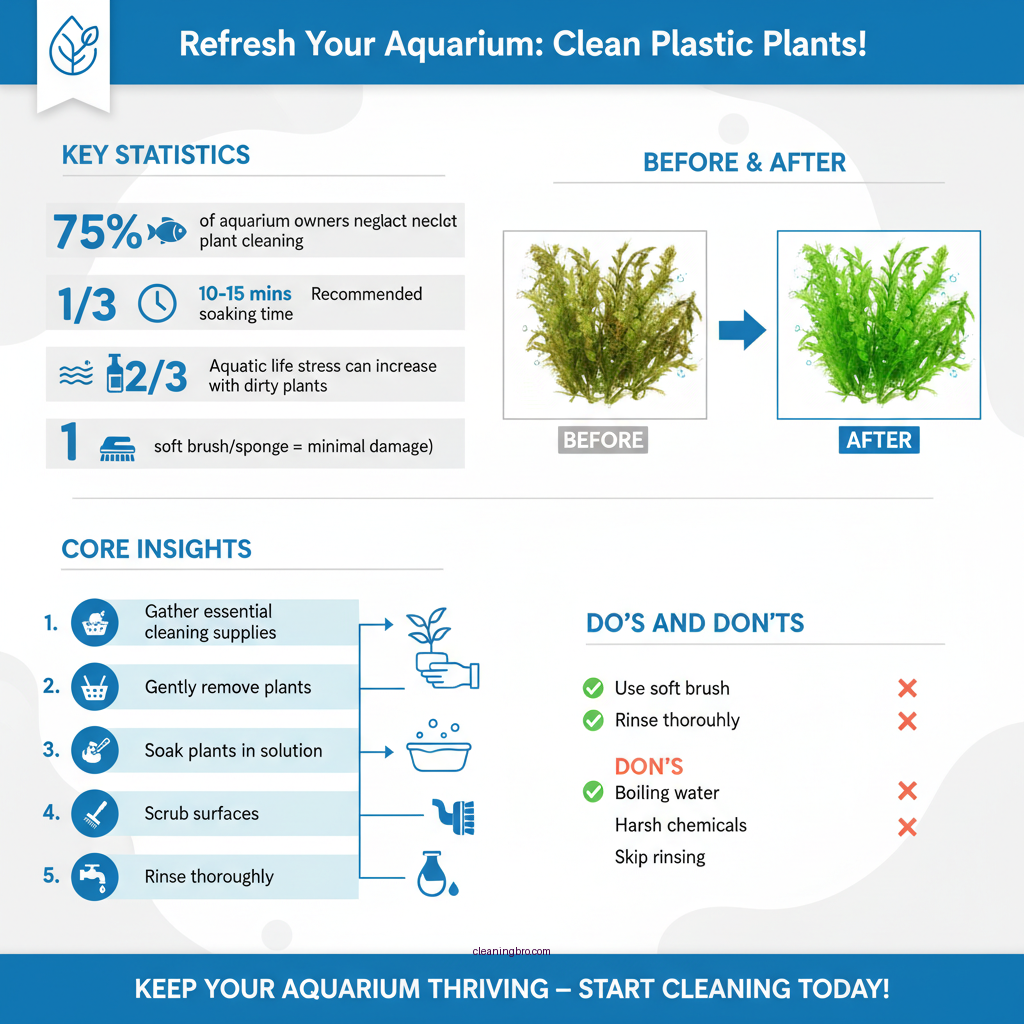
Gather Your Cleaning Supplies
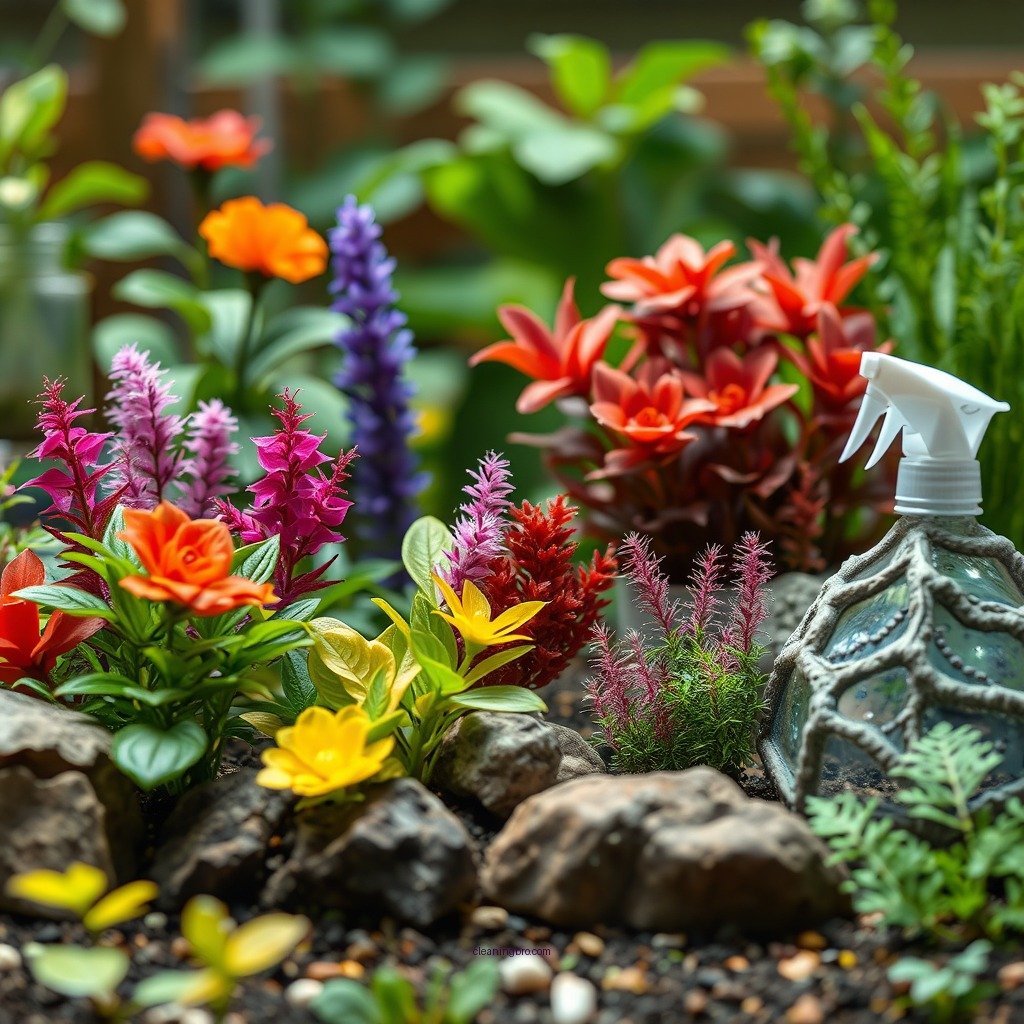
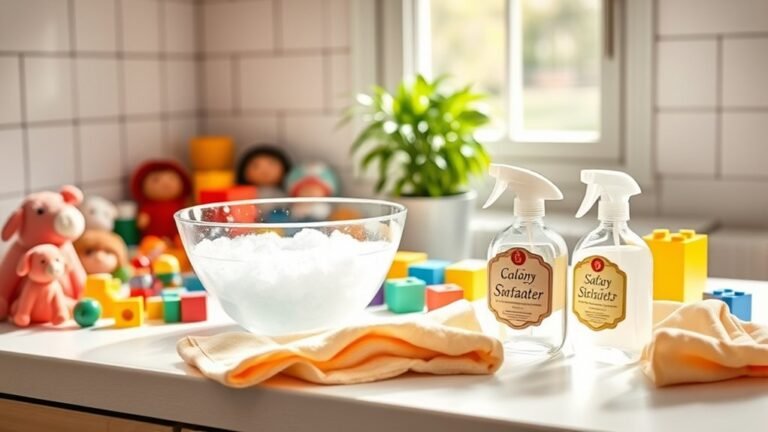
To begin the cleaning process, it’s essential to gather the right supplies. The following tools will help you clean your plastic aquarium plants effectively:
– Soft Brush or Sponge: Using a soft brush or sponge is crucial to avoid scratching the surface of the plants. These materials are gentle yet effective at removing dirt and algae without damaging the plants.
– Cleaning Solution: Prepare a mixture of warm water and an aquarium-safe cleaner, or you can opt for white vinegar as a natural alternative. Both options are effective in breaking down grime and algae buildup. If using vinegar, a solution of one part vinegar to three parts water is generally effective.
– Basin or Sink: A clean basin or sink will facilitate the soaking and scrubbing process, keeping your workspace tidy.
By preparing these supplies in advance, you can streamline the cleaning process and ensure that you have everything you need at hand.
Remove Plants from the Aquarium
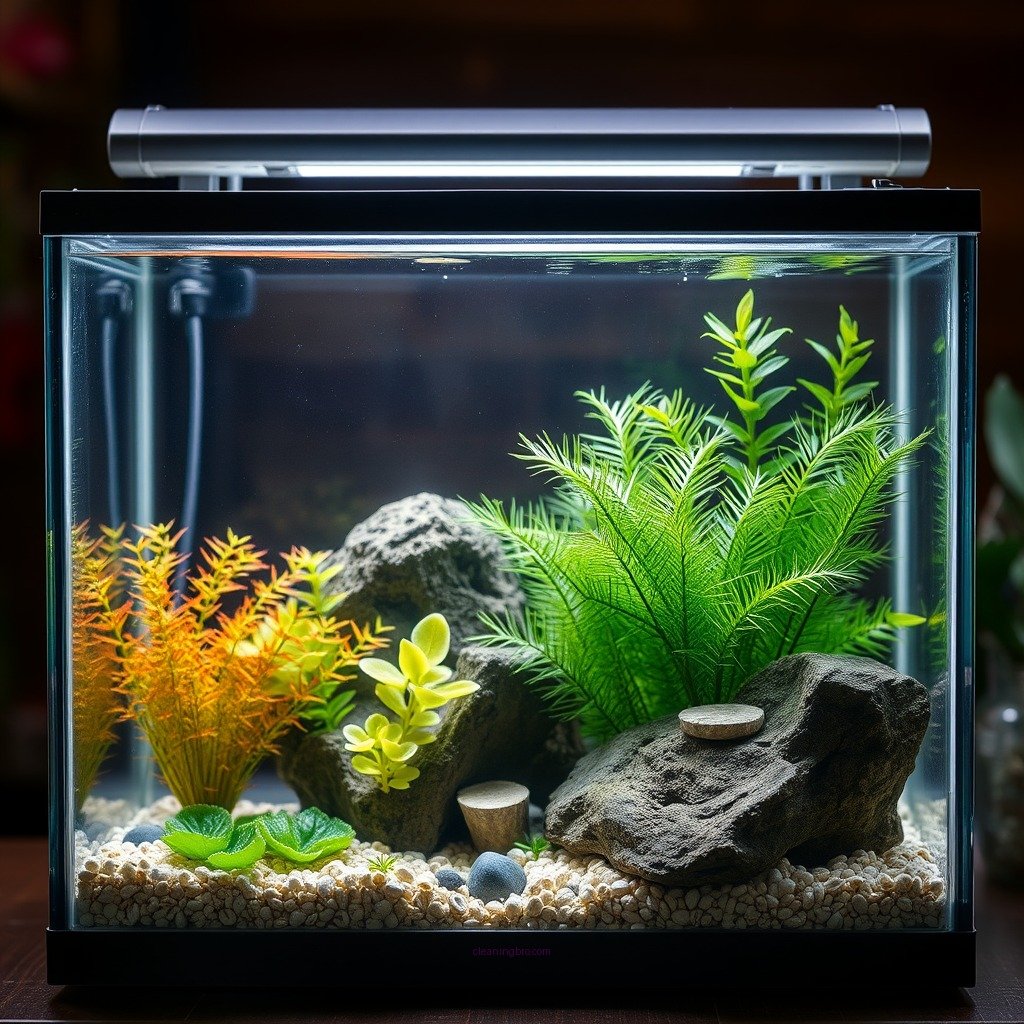
Once your supplies are ready, the next step is to carefully remove the plastic plants from your aquarium:
– Gentle Removal: Take your time when pulling out each plastic plant. Use a gentle hand to avoid disturbing the fish or substrate in your aquarium. Sudden movements can startle your fish and may cause stress.
– Placement: As you remove each plant, place it in a clean basin or sink filled with the pre-prepared cleaning solution. This makes it easier to access the plants for scrubbing and ensures that any debris that falls off does not return to the aquarium.
Removing the plants in a calm manner ensures minimal disruption to your aquatic ecosystem and prepares you for the next steps in the cleaning process.
Soak and Scrub the Plants
With your plants now safely in the cleaning solution, it’s time to soak and scrub them:
– Soaking: Submerge the plastic plants in the cleaning solution for about 10-15 minutes. This soaking time allows the solution to penetrate and loosen any stubborn algae or dirt.
– Scrubbing: After soaking, gently scrub each plant with your soft brush or sponge. Pay particular attention to any areas where algae is more prevalent, such as the crevices or leaves. For intricate designs or heavily soiled areas, a soft toothbrush can be particularly effective.
This step is vital for maintaining the appearance of your plastic plants and ensuring they do not harbor harmful organisms that could affect your aquarium’s ecosystem.
Rinse Thoroughly
After scrubbing, rinsing the plants is essential:
– Warm Running Water: Rinse each plant under warm running water to wash away the cleaning solution and any remaining debris. It is important to ensure that no cleaning solution remains, as residues can harm your fish.
– Inspection: Take this opportunity to inspect each plant for any signs of wear or damage that may require attention. Look for peeling paint, cracks, or other issues that might affect the plant’s appearance or safety in the aquarium.
Rinsing thoroughly ensures that your plants are clean and safe to return to the aquarium, promoting a healthy environment for your aquatic life.
Dry and Inspect
Once rinsed, the next step is to dry and inspect the plants:
– Air Drying: Allow the plants to air dry completely. This ensures that any remaining moisture evaporates, which can help prevent mold or mildew from forming when the plants are returned to the aquarium.
– Final Inspection: As the plants dry, conduct a final inspection for any damages or signs of wear. If you notice any issues, consider replacing the plants or repairing them if possible.
Taking the time to dry and inspect your plants can extend their lifespan, enhancing the overall aesthetic of your aquarium.
Reintroduce Plants to the Aquarium
The final step is to reintroduce the cleaned plants back into your aquarium:
– Placement: Place the cleaned plants back in their original positions or rearrange them for a fresh look. A new arrangement can provide a stimulating environment for your fish.
– Monitoring: After reintroducing the plants, monitor your aquarium for any changes in water quality or fish behavior. It’s a good practice to check the water parameters after cleaning to ensure everything remains stable.
Reintroducing the plants thoughtfully will help maintain the aesthetic appeal of your aquarium while ensuring a healthy environment for your aquatic inhabitants.
Maintaining the cleanliness of your plastic aquarium plants not only enhances the aesthetic of your tank but also contributes to the overall health of your aquatic environment. Regular cleaning can prevent algae buildup and extend the life of your decorations. Take these steps to keep your aquarium vibrant and thriving!
Top 7 Aquarium Plant Cleaning Solutions (2024)
| # | Product | Type | Effectiveness |
|---|---|---|---|
| 1 | Aquarium Solutions | Cleaner | High |
| 2 | API AlgaeFix | Liquid Treatment | Very High |
| 3 | Seachem Flourish Excel | Liquid Fertilizer | High |
| 4 | Fluval Aquatic Plant Care | Cleaner | Moderate |
| 5 | Tetra Algae Control | Liquid Treatment | High |
| 6 | Hikari Algae Wafers | Food Supplement | Moderate |
| 7 | Kent Marine Tech M | Liquid Fertilizer | Very High |
Effectiveness of Cleaning Solutions for Plastic Aquarium Plants
Comparison of Top Cleaning Products for Plastic Aquarium Plants
| Feature | ⭐ Aquarium Solutions | API AlgaeFix | Seachem Flourish Excel |
|---|---|---|---|
| Type | Cleaner | Liquid Treatment | Liquid Fertilizer |
| Effectiveness | High | Very High | High |
| Fish Safe | ✅ | ✅ | ✅ |
| Price | $15.99 | $12.99 | $10.99 |
| Container Size | 16 oz | 8 oz | 16 oz |
| Application Method | Manual | Pour | Pour |
| Odor | Low | Moderate | Low |
| Frequency of Use | Weekly | As needed | Every 2 weeks |
| Best For | Routine Cleaning | Heavy Algae Growth | Fertilizing Plants |
In conclusion, maintaining the cleanliness of your plastic aquarium plants is essential for the overall health and aesthetics of your aquarium. By following this step-by-step guide, you can ensure that your plants remain free from algae and dirt, promoting a thriving aquatic environment. Regular cleaning not only enhances the beauty of your aquarium but also contributes to the well-being of your fish and other aquatic life. By investing time in proper maintenance, you can enjoy a pristine and vibrant aquarium for years to come.
Frequently Asked Questions
How often should I clean plastic aquarium plants?
It’s recommended to clean plastic aquarium plants every 2 to 4 weeks to prevent algae buildup and maintain a healthy aquarium environment. Regular cleaning not only enhances the appearance of your tank but also ensures that any harmful bacteria or residue are removed, promoting the well-being of your fish.
What is the best way to remove algae from plastic aquarium plants?
To effectively remove algae from plastic aquarium plants, soak them in a solution of water and white vinegar for about 15-20 minutes. After soaking, scrub the plants gently with a soft brush to dislodge any stubborn algae, then rinse thoroughly with clean water to ensure no vinegar residue remains.
Why are my plastic aquarium plants turning brown?
Plastic aquarium plants may turn brown due to algae growth or exposure to high levels of organic waste in the tank. Regular cleaning, along with maintaining proper water conditions and filtration, can help prevent this discoloration and keep your plants looking vibrant and healthy.
Which cleaning products are safe for plastic aquarium plants?
The safest cleaning products for plastic aquarium plants include white vinegar, mild dish soap, or aquarium-safe cleaners specifically designed for aquatic environments. Always avoid harsh chemicals or bleach, as these can harm your fish and disrupt the biological balance of your aquarium.
How can I prevent algae growth on plastic aquarium plants?
To prevent algae growth on plastic aquarium plants, maintain proper lighting by avoiding excessive light exposure and regularly check water parameters like nitrate and phosphate levels. Additionally, introducing algae-eating fish or invertebrates can help manage algae naturally, keeping your aquarium plants clean and healthy.
References
- Aquascaping
https://en.wikipedia.org/wiki/Aquarium_plant - https://www.ncbi.nlm.nih.gov/pmc/articles/PMC7154821/
https://www.ncbi.nlm.nih.gov/pmc/articles/PMC7154821/ - https://www.sciencedirect.com/science/article/pii/S2351978919300634
https://www.sciencedirect.com/science/article/pii/S2351978919300634 - Aquatic plant | botany | Britannica
https://www.britannica.com/plant/aquatic-plant - Integration of Herbal Medicine into Evidence-Based Clinical Practice – Herbal Medicine – NCBI Boo…
https://www.ncbi.nlm.nih.gov/books/NBK92760/ - https://www.aaas.org/resources/cleaning-aquarium
https://www.aaas.org/resources/cleaning-aquarium - Google Scholar Google Scholar
https://scholar.google.com/scholar?q=cleaning+plastic+aquarium+plants - Google Scholar Google Scholar
https://scholar.google.com/scholar?q=maintenance+of+aquarium+plants - Google Scholar Google Scholar
https://scholar.google.com/scholar?q=cleaning+methods+for+aquarium+decor - Google Scholar Google Scholar
https://scholar.google.com/scholar?q=how+to+clean+plastic+aquarium+plants