How to Clean Plywood: Step-by-Step Guide
Cleaning plywood effectively requires the right techniques and materials. To maintain its appearance and durability, start by dusting off any loose dirt and debris. Then, use a gentle cleaning solution to remove stains and grime without damaging the wood. In this article, you’ll learn various methods for cleaning plywood, including essential tips and precautions to ensure a thorough and safe cleaning process.
Understanding Plywood

Plywood is an engineered wood product made from thin layers of wood veneer, known as plies, glued together with adjacent layers having their grain rotated up to 90 degrees. This unique construction gives plywood its strength and versatility, making it a popular choice in a variety of applications, from furniture and cabinetry to wall panels and flooring. In homes, plywood is often used for both structural and aesthetic purposes, providing a durable yet attractive surface.
Regular cleaning of plywood is essential to prevent the accumulation of dust and grime, which can lead to deterioration over time. It not only enhances the visual appeal of plywood surfaces but also helps in prolonging their lifespan. Dirt and moisture can penetrate the wood if not addressed promptly, leading to issues such as warping, staining, and even mold growth.
Materials Needed for Cleaning
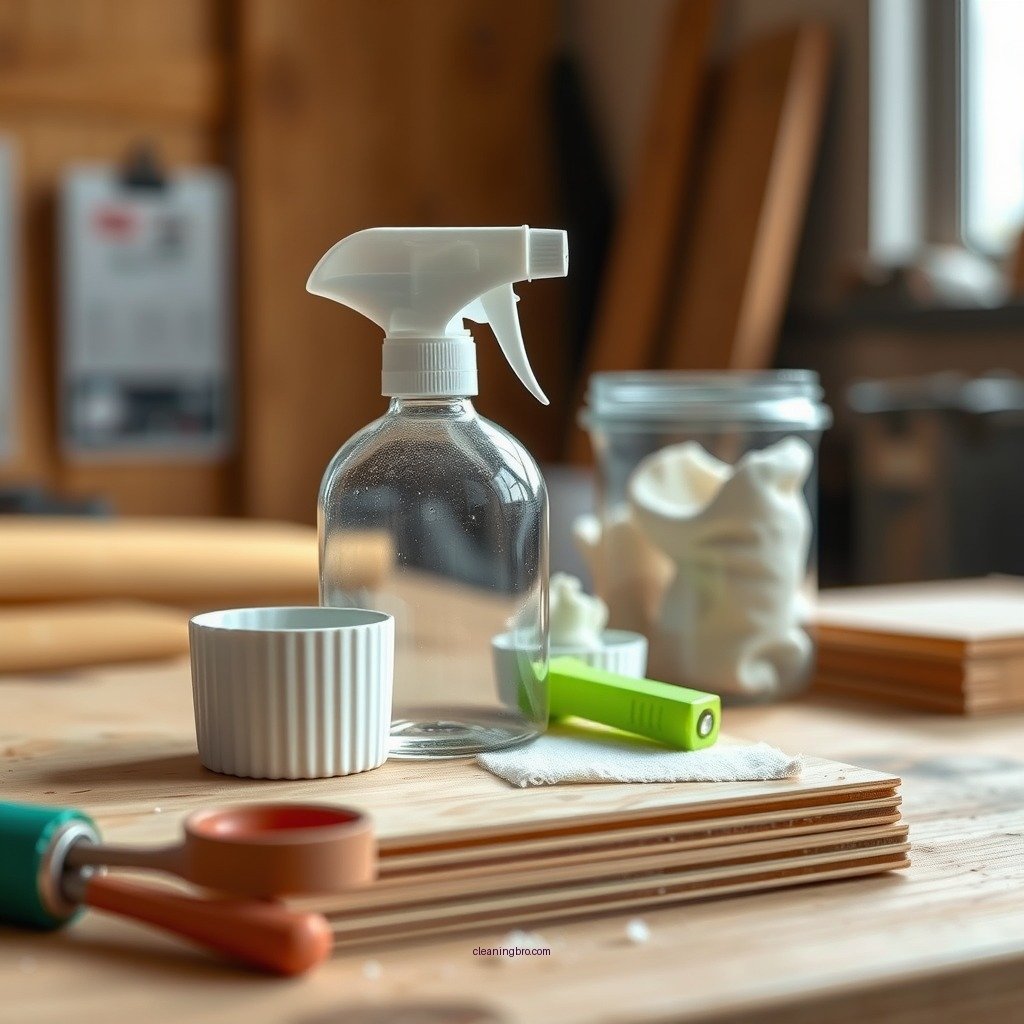
To effectively clean plywood, it’s important to gather the right materials. Here’s a comprehensive list:
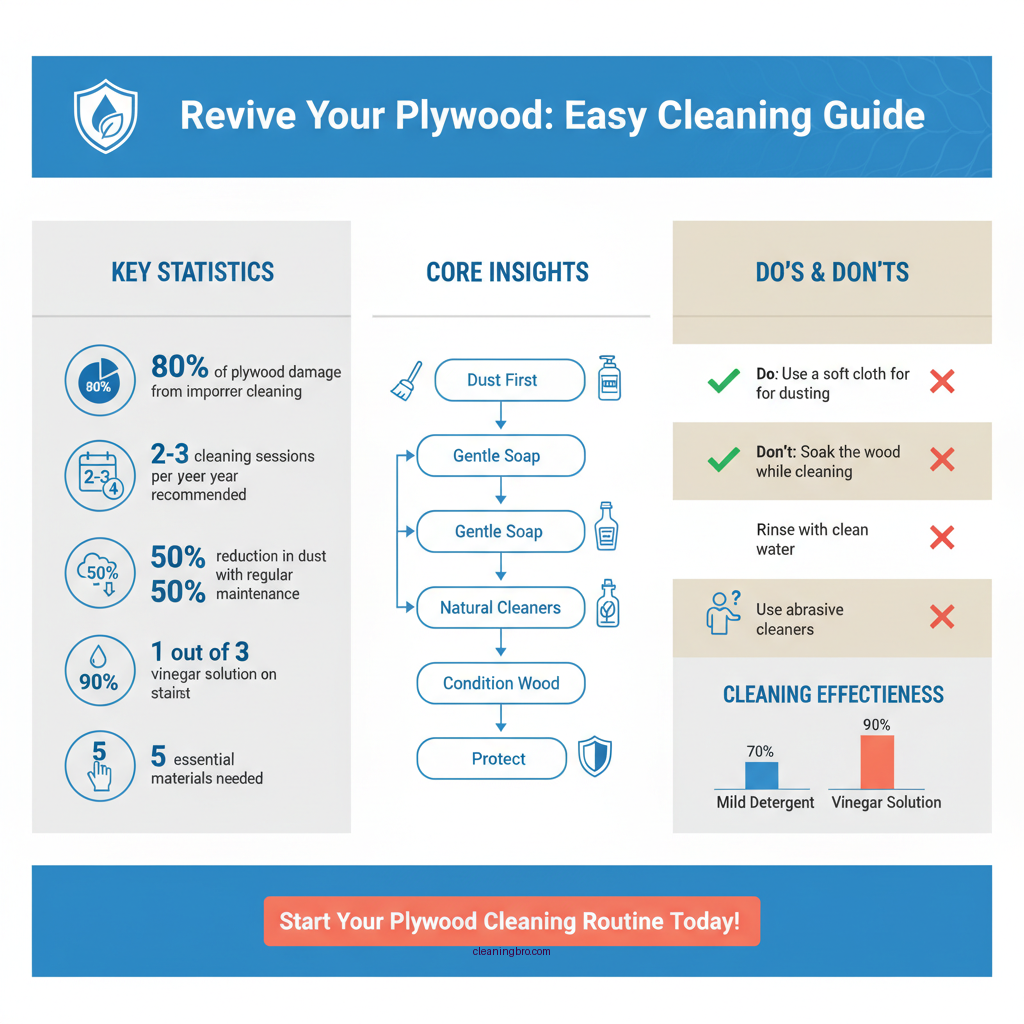
– Mild Detergent: A gentle dish soap or a specialized wood cleaner that won’t damage the finish.
– Soft Cloths: Microfiber cloths are ideal as they are non-abrasive and won’t scratch the wood.
– Water: Used to dilute the detergent and for rinsing.
– Vinegar Solution: A mixture of equal parts white vinegar and water can serve as a natural cleaning agent for tougher stains.
– Wood Conditioner: Helps to nourish the wood after cleaning, restoring moisture and luster.
– Protective Coatings: Such as wax or polyurethane to add a layer of protection against future damage.
Basic Cleaning Steps
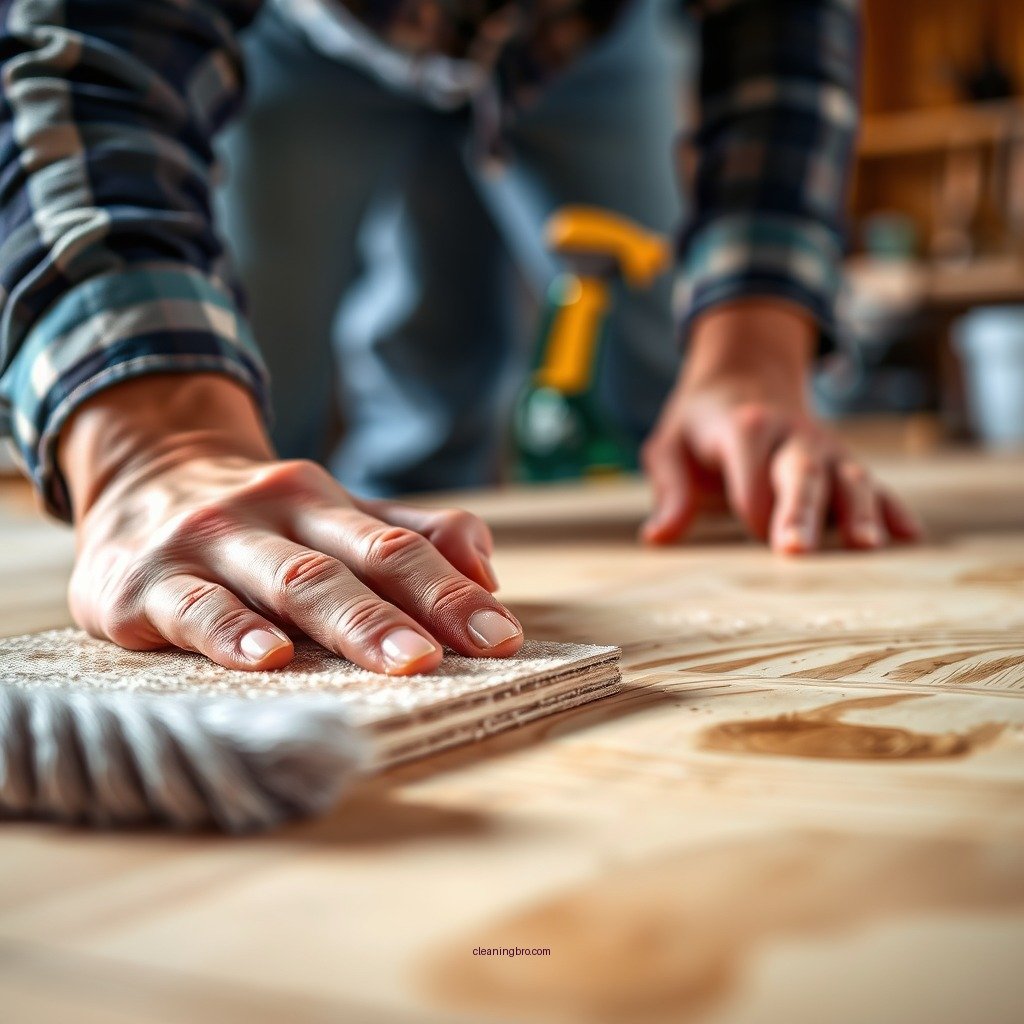
Cleaning plywood involves a straightforward process, which can be broken down into two main steps:
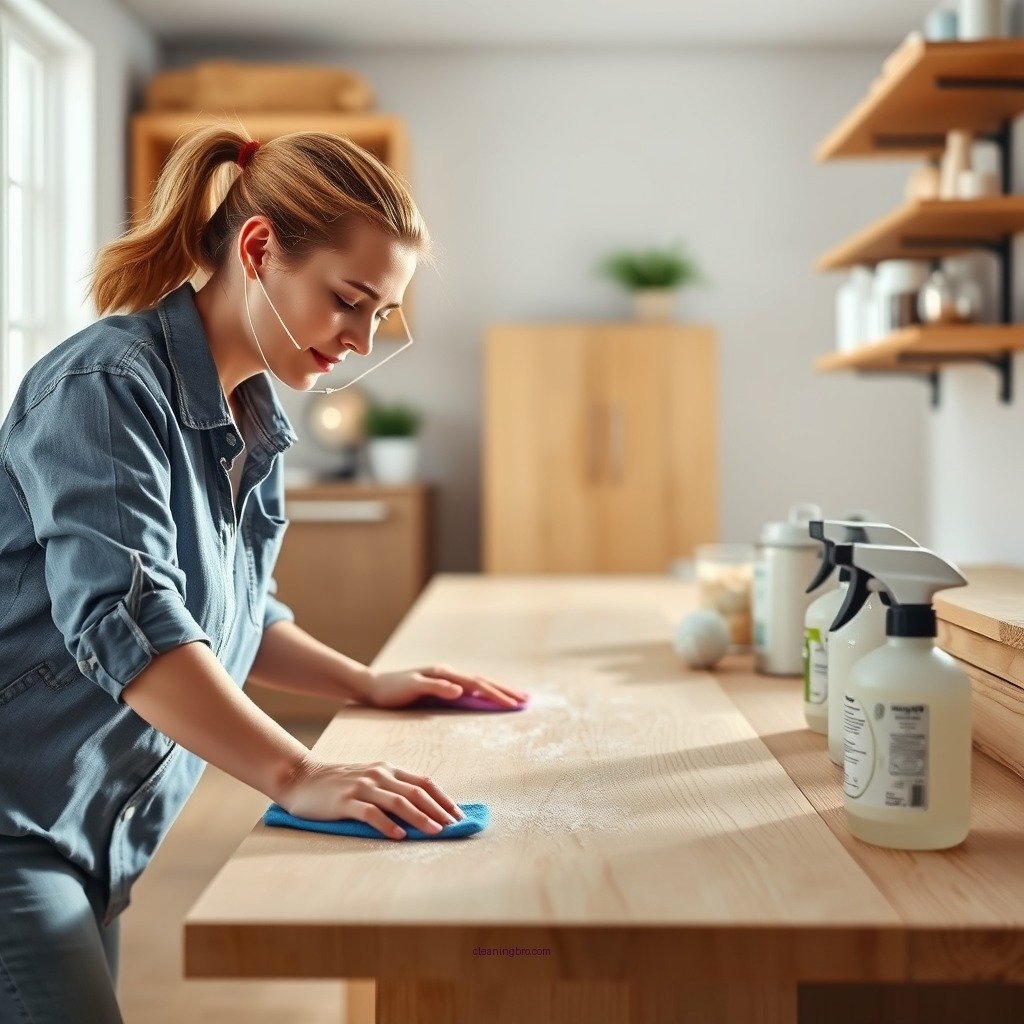
1. Dusting: Begin by removing loose dirt and dust. Use a dry microfiber cloth or a vacuum with a brush attachment. This step is crucial as it prevents scratching the surface during the cleaning process.
2. Surface Cleaning: Mix a small amount of mild detergent with warm water. Dampen a clean cloth with the solution (avoid soaking it) and gently wipe down the plywood surface. For stubborn spots, let the damp cloth sit on the stain for a minute before wiping. Always follow up with a clean, damp cloth to remove any soap residue, and dry the surface thoroughly with a soft cloth.
Dealing with Stains
Plywood can be susceptible to various stains, including watermarks, grease, and food spills. Here’s how to effectively tackle these common issues:
– Watermarks: For light water stains, rub the area with a soft, damp cloth. For more stubborn marks, use a mixture of equal parts vinegar and olive oil. Apply the solution with a cloth, rub in the direction of the grain, and then wipe clean.
– Grease Stains: Sprinkle baking soda on the stain and let it sit for a few minutes. Dampen a cloth with warm, soapy water and gently scrub the area. Rinse with a clean cloth and dry thoroughly.
– General Stains: Spot cleaning is key. Use a small amount of the mild detergent solution, apply it directly to the stain, and gently rub with a soft cloth. Rinse and dry as mentioned above.
Preventing Damage During Cleaning
To maintain the integrity of plywood, it is crucial to avoid harsh chemicals and abrasive materials during cleaning. Here are some precautions to consider:
– Avoid Harsh Chemicals: Strong solvents and bleach can damage the finish and the wood itself. Stick to mild soaps and natural cleaning solutions.
– Test Before Full Application: Always test any cleaning solution on a small, inconspicuous area of the plywood before applying it to the entire surface. This helps in ensuring that the cleaner does not react negatively with the wood.
– Gentle Pressure: When wiping or scrubbing, use gentle pressure. Excessive force can scratch the surface or damage the finish.
Maintaining Plywood After Cleaning
Post-cleaning maintenance is essential for extending the life of plywood surfaces. Here are several recommendations:
– Regular Dusting: Make it a habit to dust your plywood surfaces regularly to prevent dirt build-up.
– Conditioning: Apply a wood conditioner or polish every few months to keep the wood hydrated and looking its best. This helps to enhance its natural beauty and protect against moisture.
– Protective Coatings: Consider applying a protective finish like wax or a clear polyurethane coat. This will help guard against spills and scratches while making future cleaning easier.
When to Seek Professional Help
While routine cleaning can be managed at home, there are times when professional help may be necessary. Here are some signs to watch for:
– Extensive Damage: If the plywood is warped, cracked, or has deep stains that cannot be removed through regular cleaning methods, professional restoration may be required.
– Persistent Odors or Mold: If you notice any musty smells or signs of mold growth, it’s crucial to consult with a professional to avoid health risks and further damage.
– Specialized Finishes: If your plywood has a special finish that requires expert care, reaching out to a professional cleaner or restorer can ensure it is handled correctly.
Hiring an expert can save time and prevent costly mistakes, especially when dealing with stubborn stains or extensive damage. Professionals have access to specialized tools and techniques that can restore your plywood to its original condition.
Cleaning plywood doesn’t have to be a daunting task. By following these steps and tips, you can keep your plywood surfaces looking fresh and well-maintained. Start implementing these cleaning techniques today, and enjoy the benefits of beautiful and durable plywood in your space!
Top 7 Plywood Types for Home Use (2024)
| # | Plywood Type | Common Uses | Durability | Cost |
|---|---|---|---|---|
| 1 | Birch Plywood | Furniture, Cabinets | High | $$$ |
| 2 | Pine Plywood | Cabinets, Floors | Medium | $ |
| 3 | Oak Plywood | Cabinets, Furniture | High | $$$ |
| 4 | Marine Plywood | Boats, Outdoor Furniture | Very High | $$$$ |
| 5 | Furniture Plywood | Furniture, Cabinets | Medium | $$ |
| 6 | Bamboo Plywood | Sustainable Furniture | Medium | $$ |
| 7 | Hardwood Plywood | Furniture, Cabinets | High | $$$ |
Birch vs Pine vs Oak Plywood: A Complete Comparison
| Feature | ⭐ Birch Plywood | Pine Plywood | Oak Plywood |
|---|---|---|---|
| Price | $$$ | $ | $$$ |
| Strength | ✅ High | ✅ Medium | ✅ High |
| Weight | Heavy | Light | Heavy |
| Aesthetic Appeal | ✅ Attractive | ✅ Natural | ✅ Rich |
| Moisture Resistance | ✅ Good | ❌ Low | ✅ High |
| Workability | ✅ Easy | ✅ Very Easy | ✅ Moderate |
| Sustainability | ✅ Sustainable | ❌ Low | ✅ Sustainable |
| Finish Availability | Various | Limited | Various |
| Best Uses | Furniture | Cabinets | Furniture |
| 🏆 Best For | Quality furniture makers | Budget-conscious projects | High-end furniture |
Frequently Asked Questions
What is the best way to clean plywood surfaces?
The best way to clean plywood surfaces is to use a soft cloth or sponge with a mild detergent mixed with warm water. Avoid using excessive water, as plywood can swell and warp; instead, dampen the cloth and wipe the surface gently. After cleaning, dry the plywood thoroughly with a clean, dry cloth to prevent moisture damage.
How can I remove stains from plywood without damaging it?
To remove stains from plywood, you can create a paste using baking soda and water, applying it to the stain and letting it sit for a few minutes before gently scrubbing with a soft cloth. For tougher stains, consider using a mixture of vinegar and water, but always test it on a small, inconspicuous area first to ensure it doesn’t damage the finish.
Why is it important to clean plywood regularly?
Regularly cleaning plywood is important to maintain its appearance and prolong its lifespan. Dust and dirt can accumulate, leading to scratches and discoloration, while moisture buildup can cause warping or mold growth. A consistent cleaning routine helps protect the integrity of the plywood and keeps it looking fresh.
Which cleaning products are safe for plywood?
Safe cleaning products for plywood include mild dish soap, vinegar diluted with water, and specialized wood cleaners that are free from harsh chemicals. It’s crucial to avoid abrasive cleaners or excessive moisture, as these can damage the wood and its finish. Always check the manufacturer’s recommendations for cleaning solutions before use.
How do I protect plywood after cleaning it?
After cleaning plywood, you can protect it by applying a wood conditioner or a clear sealant to create a barrier against moisture and stains. This not only enhances the wood’s appearance but also adds a layer of protection against daily wear and tear. Regularly reapplying the sealant as needed will help maintain the plywood’s durability over time.
References
- Plywood
https://en.wikipedia.org/wiki/Plywood - https://www.sciencedirect.com/topics/engineering/plywood
https://www.sciencedirect.com/topics/engineering/plywood - Plywood | Sheet, Panel, Description, & Facts | Britannica
https://www.britannica.com/topic/plywood - https://www.woodmagazine.com/materials-guide/lumber/cleaning-and-maintaining-wood
https://www.woodmagazine.com/materials-guide/lumber/cleaning-and-maintaining-wood - https://www.nature.com/articles/s41598-021-88700-8
https://www.nature.com/articles/s41598-021-88700-8 - https://www.ncbi.nlm.nih.gov/pmc/articles/PMC6471227/
https://www.ncbi.nlm.nih.gov/pmc/articles/PMC6471227/ - Google Scholar Google Scholar
https://scholar.google.com/scholar?q=cleaning+plywood - Google Scholar Google Scholar
https://scholar.google.com/scholar?q=how+to+clean+wood+surfaces - Google Scholar Google Scholar
https://scholar.google.com/scholar?q=plywood+maintenance+cleaning - Google Scholar Google Scholar
https://scholar.google.com/scholar?q=how+to+clean+plywood