How to Clean Polycarbonate: A Comprehensive Guide
Cleaning polycarbonate is simple and effective with the right techniques and materials. In this guide, you’ll learn how to safely clean polycarbonate surfaces without damaging them while ensuring they remain clear and scratch-free. By understanding the properties of polycarbonate and utilizing the proper cleaning supplies and methods, you can maintain the integrity and appearance of your polycarbonate items, whether they are eyewear, outdoor panels, or other applications.
Understanding Polycarbonate Materials
Polycarbonate is a robust, lightweight thermoplastic that is renowned for its exceptional strength and durability. Frequently used in applications such as eyewear lenses, safety goggles, greenhouse panels, and even in automotive and construction industries, polycarbonate is favored for its impact resistance and optical clarity. Understanding the properties of polycarbonate is crucial when selecting cleaning methods, as certain harsh chemicals and abrasive tools can lead to irreversible damage, such as scratching or clouding.
Polycarbonate is also sensitive to UV light, which can cause degradation over time. Therefore, cleaning methods that protect against UV exposure while maintaining clarity are essential for preserving the longevity and aesthetic of polycarbonate surfaces.
Recommended Cleaning Supplies

When it comes to cleaning polycarbonate, the right supplies make all the difference. Here are some recommended items:
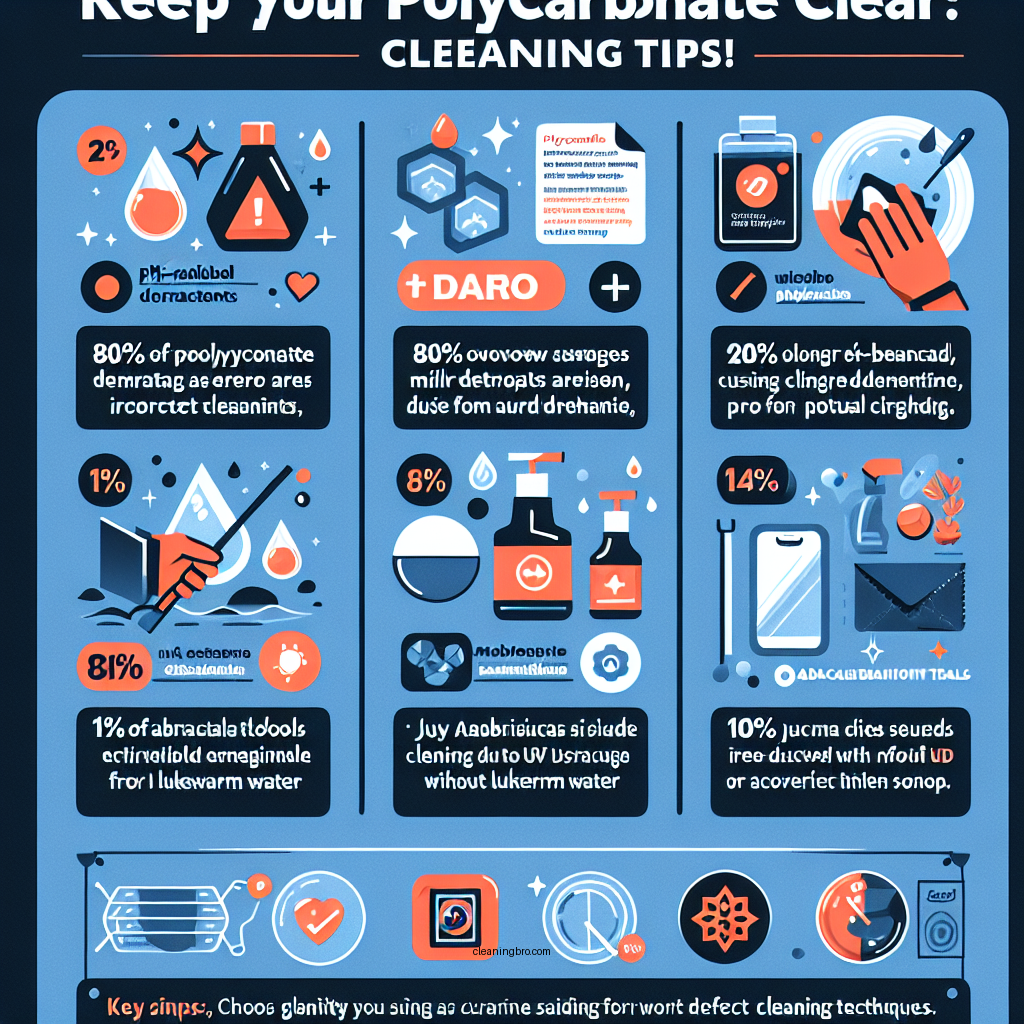
– Mild Detergents: Opt for pH-balanced, non-abrasive dish soaps or specialized polycarbonate cleaners that won’t harm the surface.
– Soft Cloths or Microfiber Towels: These materials are ideal for cleaning as they are less likely to scratch the polycarbonate. Avoid paper towels or rough fabrics that can create micro-abrasions.
– Lukewarm Water: Use lukewarm water to assist in loosening dirt and grime without causing thermal shock to the material.
– Spray Bottle: A spray bottle can be useful for applying cleaning solutions evenly across the surface.
Avoid using any abrasive cleaners, solvents (like acetone or ammonia), or hard brushes that can scratch or dull the surface of polycarbonate.
Step-by-Step Cleaning Process
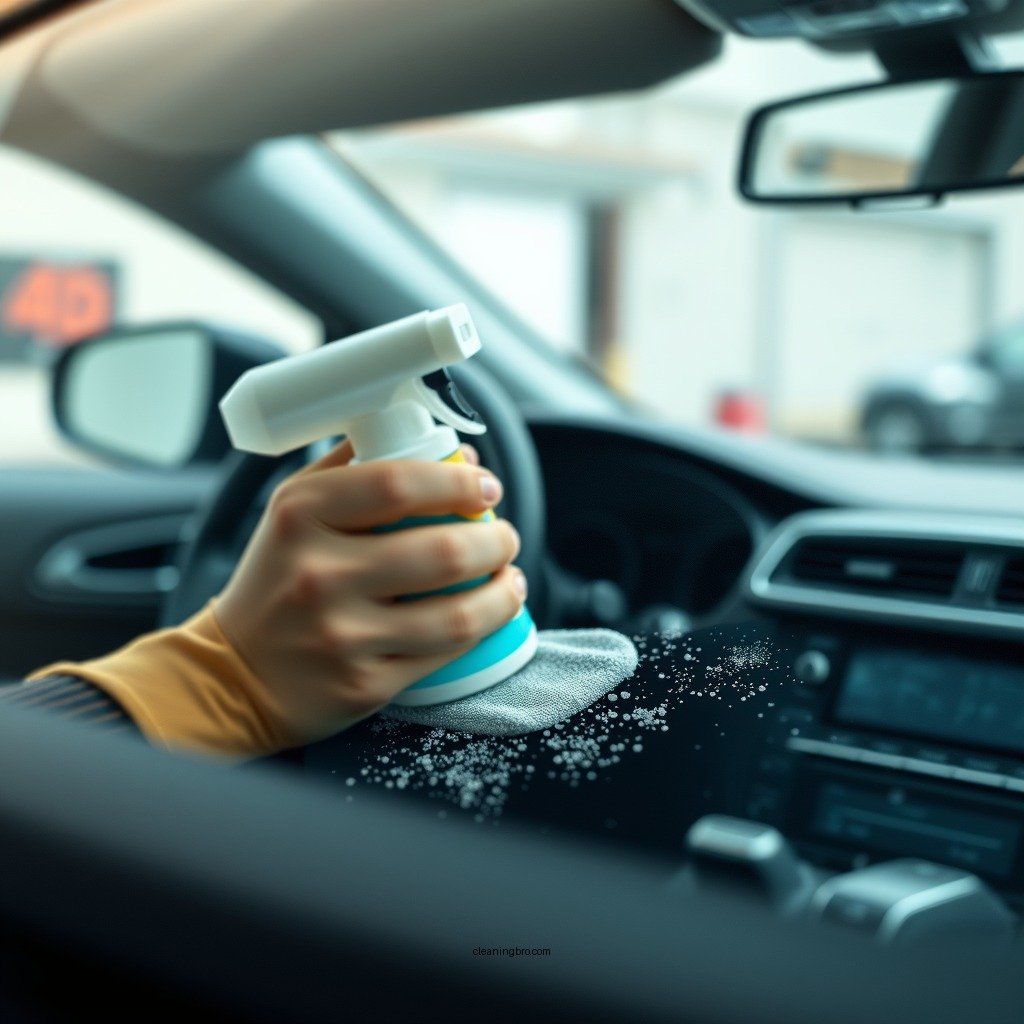
Cleaning polycarbonate effectively involves a straightforward process that can be completed in a few simple steps:
1. Rinse the Surface: Start by rinsing the polycarbonate surface with lukewarm water to help remove any loose dust or debris. This step prevents scratching during the cleaning process.
2. Prepare Cleaning Solution: Mix a small amount of mild detergent with lukewarm water in a spray bottle. A ratio of one tablespoon of detergent to a quart of water is generally effective.
3. Apply the Solution: Spray the cleaning solution onto the surface of the polycarbonate item. Be sure to cover the area evenly without soaking it.
4. Wipe Gently: Using a soft cloth or microfiber towel, gently wipe the surface in a circular motion. This technique helps to lift dirt without scratching the surface.
5. Rinse Again: After cleaning, rinse the surface thoroughly with clean lukewarm water to remove any soap residue.
6. Dry the Surface: Use a clean, dry microfiber cloth to wipe the surface dry. This step helps prevent streaks and maintains clarity.
Cleaning Data Table
Top 7 Polycarbonate Applications and Their Cleaning Needs
| # | Application | Cleaning Frequency | Ideal Cleaner | Common Issues |
|---|---|---|---|---|
| 1 | Eyewear Lenses | Weekly | Lens Cleaner | Scratches from abrasives |
| 2 | Greenhouse Panels | Monthly | Mild Soap Solution | Algae buildup |
| 3 | Safety Goggles | After Each Use | Lens Cleaner | Fogging |
| 4 | Automotive Windows | Bi-weekly | Mild Soap Solution | Scratches from improper cleaning |
| 5 | Outdoor Panels | Monthly | Mild Soap Solution | Dirt accumulation |
| 6 | Protective Shields | Quarterly | Mild Soap Solution | Fogging |
| 7 | Lighting Covers | Monthly | Mild Soap Solution | Yellowing from UV exposure |
Tips for Streak-Free Finish
To achieve a streak-free finish when cleaning polycarbonate surfaces, consider the following tips:
– Use a Dry Microfiber Cloth: After rinsing the surface, use a clean, dry microfiber cloth to wipe away any excess moisture. This helps prevent streaks from forming as the water dries.
– Wipe in a Circular Motion: Employing a circular wiping motion allows for even distribution of cleaning solution, ensuring that you cover all areas without missing spots or creating streaks.
– Avoid Direct Sunlight: If possible, clean polycarbonate items out of direct sunlight to prevent rapid evaporation of the cleaning solution which can lead to streaking.
– Pat Dry: Instead of rubbing, consider patting the surface dry with a microfiber cloth to minimize the risk of scratching.
Special Considerations for Different Applications
Different applications of polycarbonate require specific cleaning methods and considerations:
– Eyewear: For polycarbonate eyewear lenses, use lens cleaners specifically designed for this material to avoid scratching. Clean them regularly to maintain clarity.
– Outdoor Panels: When cleaning outdoor polycarbonate panels, choose cooler parts of the day to clean them. This approach prevents soap residues from drying too quickly, which can leave unsightly marks.
– Automotive Uses: In automotive applications, ensure that the cleaning products used are safe for plastics. Using dedicated plastic cleaning products can help maintain clarity and prevent scratches.
– Industrial Uses: For protective shields and industrial applications, ensure you follow the manufacturer’s guidelines on cleaning to prevent damage.
Comparison Table
Eyewear Cleaners vs. Soap Solutions vs. Commercial Polycarbonate Cleaners
| Feature | ⭐ Eyewear Cleaners | Soap Solutions | Commercial Cleaners |
|---|---|---|---|
| Effectiveness | High | Moderate | High |
| Price | $5-$15 | $2-$5 | $10-$30 |
| Safety | ✅ Safe | ✅ Safe | ❌ Caution Required |
| Application | Lenses | All surfaces | All surfaces |
| Residue | ✅ No Residue | ✅ Minimal Residue | ✅ No Residue |
| Ease of Use | ✅ Simple | ✅ Moderate | ✅ Simple |
| Time to Dry | Quick | Moderate | Fast |
| Environmental Impact | Low | Low | Moderate |
| 🏆 Best For | Daily Use | General Cleaning | Heavy-Duty Cleaning |
Maintenance Tips for Longevity
To ensure the longevity of polycarbonate items, consider the following maintenance tips:
– Regular Inspections: Frequently check for scratches, cloudiness, or any signs of damage. Addressing these issues promptly can prevent further deterioration.
– Proper Storage: When not in use, store polycarbonate items in a cool, dark place away from direct sunlight. Prolonged exposure to UV light can cause yellowing and brittleness.
– Avoiding High Temperatures: Keep polycarbonate away from high-heat sources, as excessive heat can warp or distort the material.
– Use a Protective Coating: For outdoor applications, consider a UV protective coating that can shield the polycarbonate from harmful rays while maintaining transparency.
When to Seek Professional Help
In some cases, cleaning and maintenance may require professional assistance:
– Heavy Scratches: If you notice deep scratches that cannot be removed through regular cleaning, consult a professional for repair options.
– Extensive Damage: For polycarbonate applications that involve structural integrity, such as automotive or architectural panels, it is advisable to seek specialized cleaning services.
– Restoration Needs: If your polycarbonate items have become cloudy or discolored over time, professionals can help restore their original clarity.
Cleaning polycarbonate surfaces doesn’t have to be daunting. By following these steps and using the right materials, you’ll keep your polycarbonate items clear and in great condition. Implement these tips to achieve the best results, and enjoy the durability and clarity that polycarbonate has to offer.
Frequently Asked Questions
What is the best way to clean polycarbonate surfaces without scratching them?
The best way to clean polycarbonate surfaces is to use a soft microfiber cloth and a mild soap solution mixed with warm water. Avoid using abrasive cleaners or scrubbers, as they can scratch the polycarbonate. Always rinse with clean water and dry with a soft cloth to prevent water spots.
How do I remove stubborn stains from polycarbonate?
To remove stubborn stains from polycarbonate, you can create a paste using baking soda and water. Apply the paste to the stained area, gently rub with a soft cloth, and then rinse thoroughly with water. For more persistent stains, consider using a specialized polycarbonate cleaner designed for tough marks.
Why is it important to avoid certain cleaners when cleaning polycarbonate?
It is important to avoid harsh chemicals, ammonia-based cleaners, and solvents when cleaning polycarbonate because they can cause cloudiness, discoloration, or even damage the material. Using the wrong cleaners can lead to costly replacements and diminish the polycarbonate’s clarity and durability.
Which tools are recommended for cleaning polycarbonate safely?
Recommended tools for cleaning polycarbonate safely include soft microfiber cloths, sponge cloths, and a bucket for mixing cleaning solutions. Avoid using paper towels or rough materials, as they can scratch the surface. Additionally, a gentle spray bottle can help apply the cleaning solution evenly.
How often should I clean my polycarbonate items to maintain their appearance?
To maintain the appearance of your polycarbonate items, it’s best to clean them every few months, or more frequently if they are exposed to dust, dirt, or harsh weather conditions. Regular cleaning not only enhances their clarity but also prolongs their lifespan, ensuring they remain in optimal condition.
References
- Polycarbonate
https://en.wikipedia.org/wiki/Polycarbonate - https://www.sciencedirect.com/topics/materials-science/polycarbonate
https://www.sciencedirect.com/topics/materials-science/polycarbonate - https://www.mayoclinic.org/healthy-lifestyle/consumer-health/in-depth/cleaning-tips/art-20045481
https://www.mayoclinic.org/healthy-lifestyle/consumer-health/in-depth/cleaning-tips/art-20045481 - Polycarbonate (PC) | Britannica
https://www.britannica.com/science/polycarbonate - https://www.ncbi.nlm.nih.gov/pmc/articles/PMC6591697/
https://www.ncbi.nlm.nih.gov/pmc/articles/PMC6591697/ - https://www.nature.com/articles/s41598-020-77313-4
https://www.nature.com/articles/s41598-020-77313-4 - https://www.cdc.gov/niosh/docs/2000-139/default.html
https://www.cdc.gov/niosh/docs/2000-139/default.html - https://www.reuters.com/article/us-cleaning-polycarbonate-idUSKBN2A20T6
https://www.reuters.com/article/us-cleaning-polycarbonate-idUSKBN2A20T6 - Google Scholar Google Scholar
https://scholar.google.com/scholar?q=how+to+clean+polycarbonate - Google Scholar Google Scholar
https://scholar.google.com/scholar?q=cleaning+polycarbonate+materials