How to Clean Pool Walls: Effective Techniques and Tips
Cleaning your pool walls is essential for maintaining a healthy swimming environment and keeping your pool looking pristine. To effectively clean pool walls, you should regularly brush them, use the right cleaning tools, and maintain proper chemical balance in your pool. This article will guide you through each step to ensure your pool walls remain spotless.
Understanding the Importance of Cleaning Pool Walls
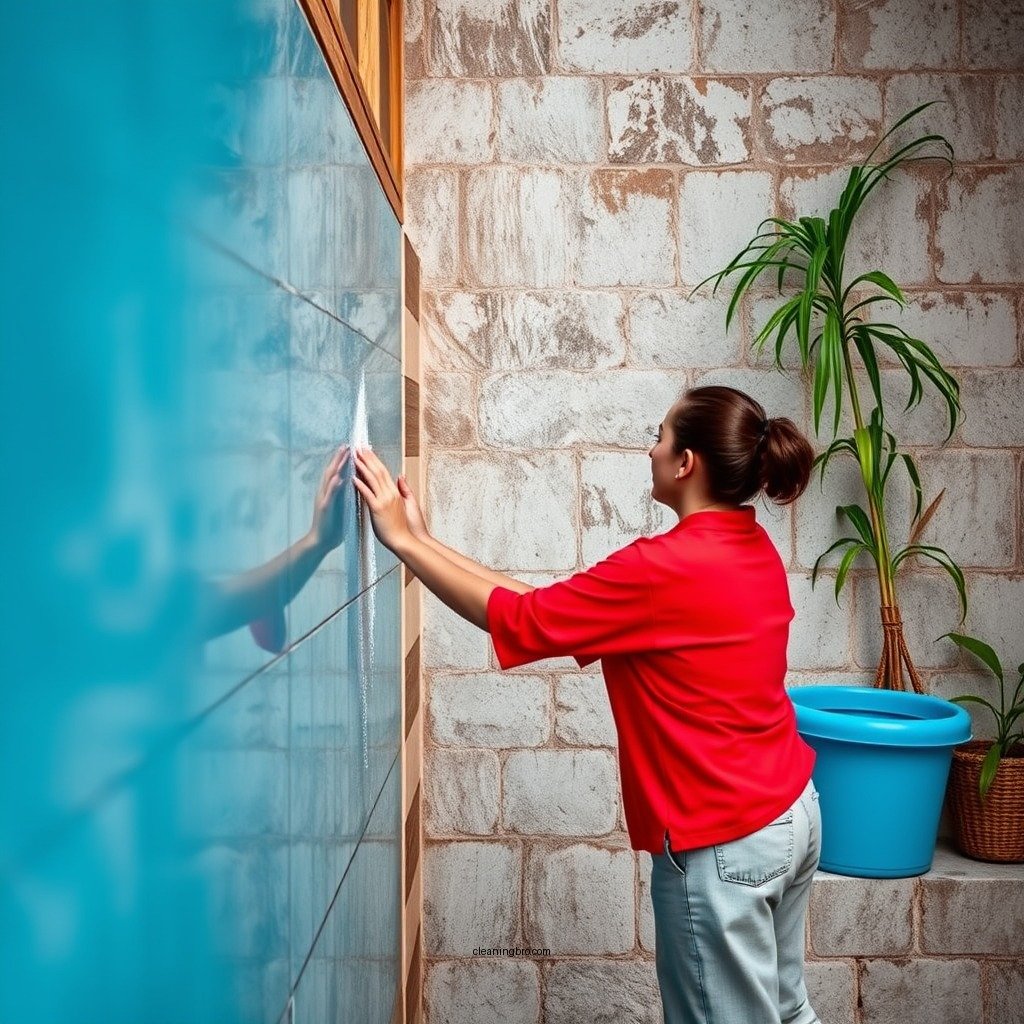
Regular cleaning of pool walls is not merely a cosmetic task; it plays a critical role in maintaining the overall health of your swimming pool. One of the primary benefits is the prevention of algae growth and stains, which can occur when debris and organic matter are allowed to accumulate. Algae not only creates unsightly green or black patches but can also pose health risks to swimmers. Maintaining clean walls helps ensure that your pool remains free from harmful bacteria and contaminants, promoting a safe swimming experience.
Moreover, clean pool walls contribute to water clarity and hygiene. When dirt and grime build up, they can cloud the water, making it less inviting for swimmers. By keeping your pool walls clean, you enhance the visual appeal of your pool while also ensuring that the water remains crystal clear and hygienic.
Tools and Equipment Needed
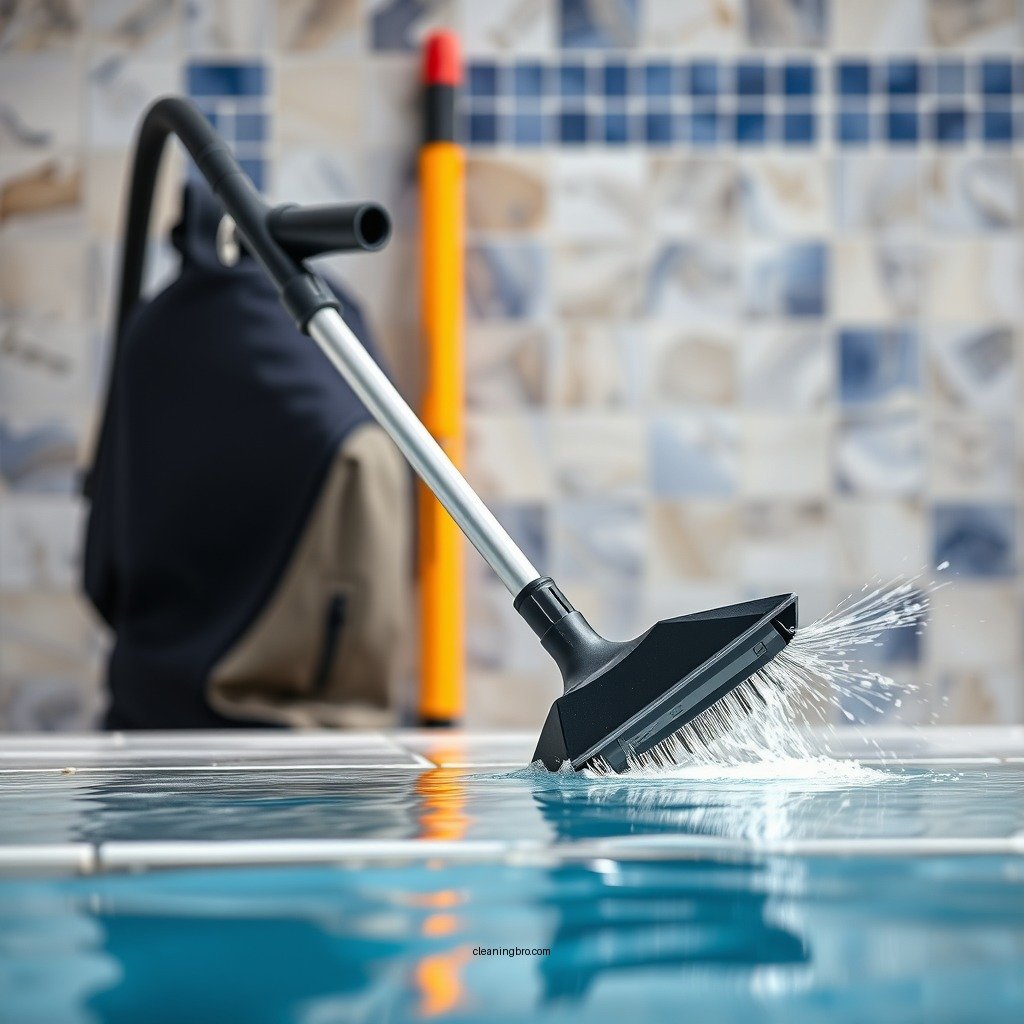
To efficiently clean your pool walls, having the right tools and equipment is paramount. Here’s a list of essential items you’ll need:
– Pool Brush Types:
– Nylon Brushes: Ideal for vinyl-lined pools as they clean without scratching the surface.
– Stainless Steel Brushes: Perfect for concrete or gunite pools, as they can effectively remove tough stains and debris.
– Vacuum Cleaner Options:
– Manual Vacuums: These require manual effort but can provide a deep clean for targeted spots.
– Automatic Vacuums: These are more efficient and can clean the entire pool with minimal supervision.
– Essential Cleaning Chemicals:
– Algaecides: Help prevent algae growth.
– Chlorine: Essential for keeping the water sanitized and killing bacteria.
Investing in quality tools will make the cleaning process more efficient and effective, ensuring that your pool walls remain in excellent condition.
Step-by-Step Guide to Brushing Pool Walls
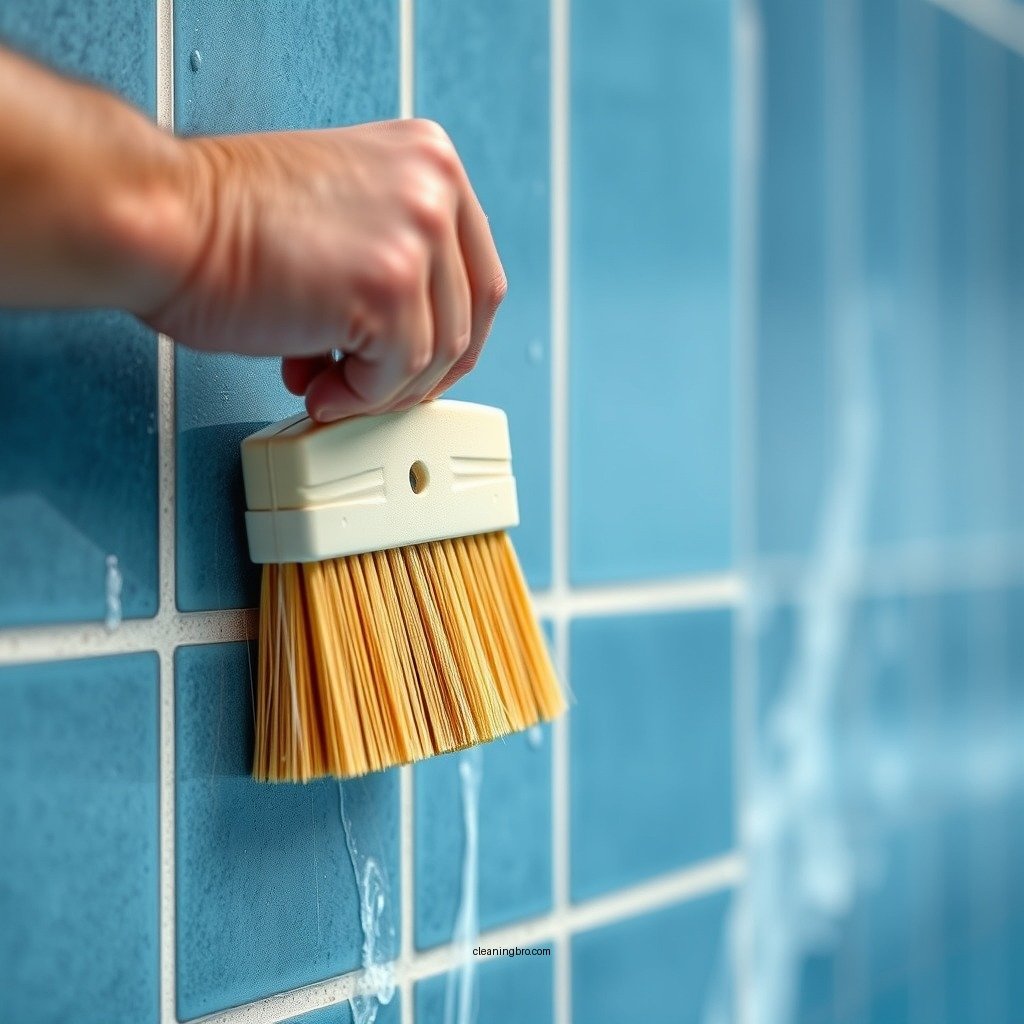
Brushing your pool walls is a straightforward yet effective way to maintain their cleanliness. Follow these steps for optimal results:
1. Start from the Waterline and Work Downwards: Begin brushing at the waterline where dirt and grime tend to accumulate. This ensures that debris is moved downwards and into the pool for vacuuming.
2. Use a Consistent Brushing Technique: Apply even pressure while brushing in a circular motion. This technique helps to dislodge stubborn dirt and algae. Focus on corners and edges where debris collects more readily.
3. Brush Regularly: Establish a routine for brushing your pool walls, ideally once a week, to maintain cleanliness and prevent buildup.
By adhering to these steps, you’ll ensure that your pool walls are not only clean but also well-maintained, enhancing the longevity of your pool’s surface.
Top 7 Pool Cleaning Tools (2024)
| # | Tool | Type | Best For | Price Range |
|---|---|---|---|---|
| 1 | Hayward Pool Brush | Nylon | Vinyl Pools | $15-$25 |
| 2 | Pentair Kreepy Krauly | Automatic Vacuum | All Pools | $300-$400 |
| 3 | Intex Wall Mounted Brush | Manual | Above Ground Pools | $10-$15 |
| 4 | Zodiac MX6 | Automatic Vacuum | In-Ground Pools | $500-$600 |
| 5 | Oreq Pool Brush | Nylon | Vinyl & Fiberglass | $20-$30 |
| 6 | Blue Torrent Pool Vacuum | Manual | All Pools | $50-$70 |
| 7 | Poolmaster Brush | Stainless Steel | Concrete Pools | $25-$35 |
How to Use a Pool Vacuum Effectively
Using a pool vacuum can significantly enhance the cleaning process. Here are some tips on how to use both manual and automatic vacuums effectively:
– Choose the Right Vacuum for Your Pool Type: For above-ground pools, lighter, manual vacuums may suffice, while in-ground pools often benefit from more robust automatic vacuums.
– Operating a Manual Vacuum: Connect the vacuum to the pool’s skimmer or a dedicated suction line. Move the vacuum slowly across the pool floor and walls, ensuring coverage of all areas. Use a consistent speed to allow the vacuum to pick up debris efficiently.
– Tips for Automatic Vacuums: Program your automatic vacuum according to the manufacturer’s instructions. Ensure the pool is clear of large debris before use to enhance suction and efficiency. Monitor the vacuum periodically to ensure it is functioning correctly.
By using the right technique and equipment, you can ensure your pool remains clean and inviting with minimal effort.
Manual vs Automatic Pool Vacuums: Full Comparison
| Feature | ⭐ Automatic Vacuum | Manual Vacuum |
|---|---|---|
| Ease of Use | ✅ | ❌ |
| Cleaning Speed | ✅ Faster | ❌ Slower |
| Cost | Higher | Lower |
| Maintenance | Requires upkeep | Minimal |
| Energy Use | Higher | Lower |
| Durability | ✅ High | ❌ Lower |
| Manual Control | ❌ Limited | ✅ Full control |
| Suitability for All Pool Types | ✅ Yes | ❌ Limited |
| Time Investment | ❌ Less | ✅ More |
| 🏆 Best For | Busy pool owners | Hands-on cleaning |
Maintaining Chemical Balance for Clean Walls
Another crucial aspect of keeping your pool walls clean is ensuring proper chemical balance. The right chemical balance not only maintains water clarity but also prevents the growth of algae and other contaminants. Here are key factors to consider:
– Importance of pH Levels and Chlorine: The pH level of your pool water should be between 7.2 and 7.8 for optimal chlorine efficiency. Chlorine levels should ideally be maintained between 1-3 ppm (parts per million) to effectively sanitize the water.
– Regular Testing and Adjusting of Chemicals: Invest in a quality pool testing kit to check the chemical levels regularly. Adjust the pH and chlorine levels as needed. This will help maintain a clean environment and prevent buildup on pool walls.
By diligently monitoring and adjusting chemical levels, you can prolong the cleanliness of your pool walls and enhance the overall swimming experience.
Preventive Measures to Reduce Cleaning Frequency
Implementing preventive measures can significantly reduce the frequency of cleaning your pool walls. Here are some effective strategies:
– Use a Pool Cover When Not in Use: A pool cover will prevent debris from accumulating in the water, reducing the workload for your cleaning routine. Covers also help maintain the water temperature and minimize evaporation.
– Regularly Check and Clean Filters: Your pool’s filtration system plays a vital role in keeping the water clean. Ensure that the filters are clean and functioning properly to reduce the amount of debris that settles on the walls.
By taking these preventive steps, you can maintain a cleaner pool with less effort and time invested in cleaning.
When to Seek Professional Help
While DIY cleaning is effective, there are times when professional help is necessary. Watch for these signs that indicate you might need to call in the experts:
– Signs That Indicate Professional Cleaning is Necessary: If you notice persistent stains, cloudy water, or an algae bloom that you cannot manage on your own, it may be time to hire a professional service.
– How to Find a Reliable Pool Cleaning Service: Look for services with positive reviews, certifications, and experience in handling pools similar to yours. Asking for recommendations from friends or family can also help you find a reputable service provider.
Professional cleaning services can save you time and ensure that your pool remains in optimal condition, allowing you to enjoy a clean and safe swimming environment.Cleaning your pool walls regularly not only enhances the aesthetic appeal of your pool but also contributes to a healthier swimming environment. By following the techniques outlined above, you can ensure your pool remains clean and inviting. Don’t hesitate to implement these steps today and enjoy a sparkling clean pool!
Frequently Asked Questions
How often should I clean my pool walls?
It is recommended to clean your pool walls at least once a week to prevent algae buildup and maintain water clarity. Regular brushing not only keeps the walls looking pristine but also helps distribute chemicals evenly throughout the pool, ensuring optimal water quality.
What tools do I need to effectively clean pool walls?
To effectively clean your pool walls, you will need a pool brush, a vacuum, and a skimmer net. A long-handled pool brush is ideal for scrubbing walls and corners, while a vacuum helps remove debris and dirt. Having a skimmer net on hand allows you to catch leaves or floating debris before they sink.
Why is it important to clean the walls of my pool?
Cleaning the walls of your pool is crucial for preventing the growth of algae and bacteria, which can lead to water quality issues and health risks. Additionally, maintaining clean walls enhances the overall aesthetics of your pool and extends the lifespan of the pool surface by removing harmful contaminants.
What is the best method to clean algae off pool walls?
The best method to clean algae off pool walls involves using a combination of brushing and chemical treatment. First, scrub the affected areas with a pool brush to dislodge the algae, then apply an algaecide or chlorine shock treatment to kill the remaining spores. Regular maintenance will help prevent future algae growth.
Which cleaning products are safe for pool wall surfaces?
When cleaning pool walls, it’s essential to use products specifically designed for pool surfaces, such as pH-balanced cleaners or algaecides that are safe for your pool type (e.g., vinyl, plaster, or fiberglass). Avoid harsh chemicals like bleach or abrasive cleaners, as they can damage the surface and disrupt the water chemistry.
References
- https://www.poolandspa.com/cleaning-your-pool-walls-and-floors
https://www.poolandspa.com/cleaning-your-pool-walls-and-floors - https://www.cdc.gov/healthywater/swimming/aquatic-facilities/pool-cleaning.html
https://www.cdc.gov/healthywater/swimming/aquatic-facilities/pool-cleaning.html - https://www.britannica.com/science/pool
https://www.britannica.com/science/pool - https://www.sciencedirect.com/topics/agricultural-and-biological-sciences/pool-cleaning
https://www.sciencedirect.com/topics/agricultural-and-biological-sciences/pool-cleaning - Google Scholar Google Scholar
https://scholar.google.com/scholar?q=how+to+clean+pool+walls - Google Scholar Google Scholar
https://scholar.google.com/scholar?q=pool+maintenance+cleaning+methods - Google Scholar Google Scholar
https://scholar.google.com/scholar?q=pool+cleaning+techniques - how to clean pool walls – Search results
https://en.wikipedia.org/wiki/Special:Search?search=how+to+clean+pool+walls - https://www.ncbi.nlm.nih.gov/search/research-articles/?term=how+to+clean+pool+walls
https://www.ncbi.nlm.nih.gov/search/research-articles/?term=how+to+clean+pool+walls