How to Clean Pressure Treated Wood: A Step-by-Step Guide
Cleaning pressure treated wood is essential for maintaining its longevity and appearance. To effectively clean it, you should use a combination of gentle detergents and proper techniques to avoid damaging the wood. This guide will provide you with all the steps necessary to clean your pressure treated wood surfaces safely and effectively.
Understanding Pressure Treated Wood
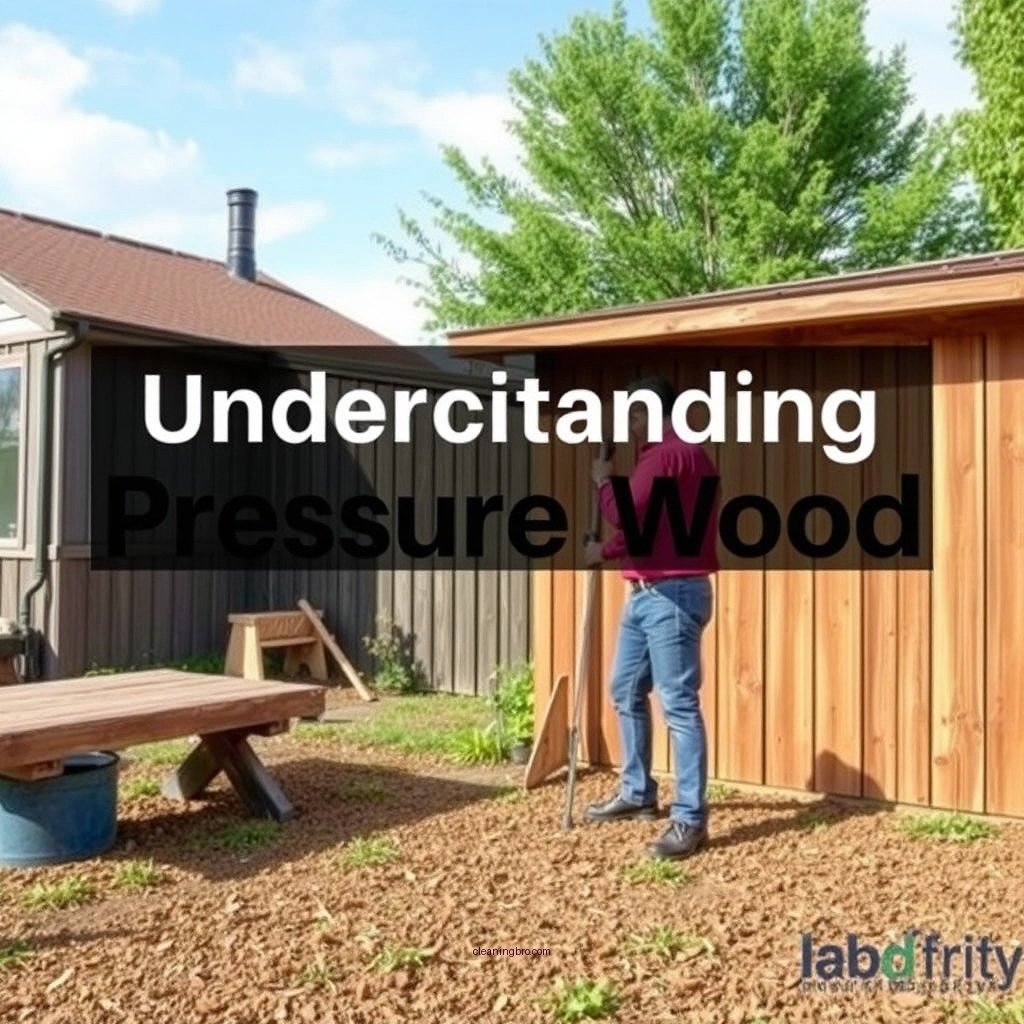
Pressure treated wood is a type of lumber that has been infused with preservatives through a high-pressure process. This treatment helps the wood resist decay, rot, and insect infestation, making it an ideal choice for outdoor structures such as decks, fences, and garden furniture. The preservatives commonly used include copper-based compounds that provide durability and extend the lifespan of the wood.
Due to its chemical treatment, proper care and maintenance are crucial. While pressure treated wood is designed to withstand the elements, it can still accumulate dirt, mold, and mildew over time, which can detract from its appearance and structural integrity. Understanding the unique characteristics of pressure treated wood is the first step in ensuring it remains in excellent condition for years to come.
Gathering the Right Supplies
Before embarking on the cleaning process, it is essential to gather the right supplies. Here’s what you need:
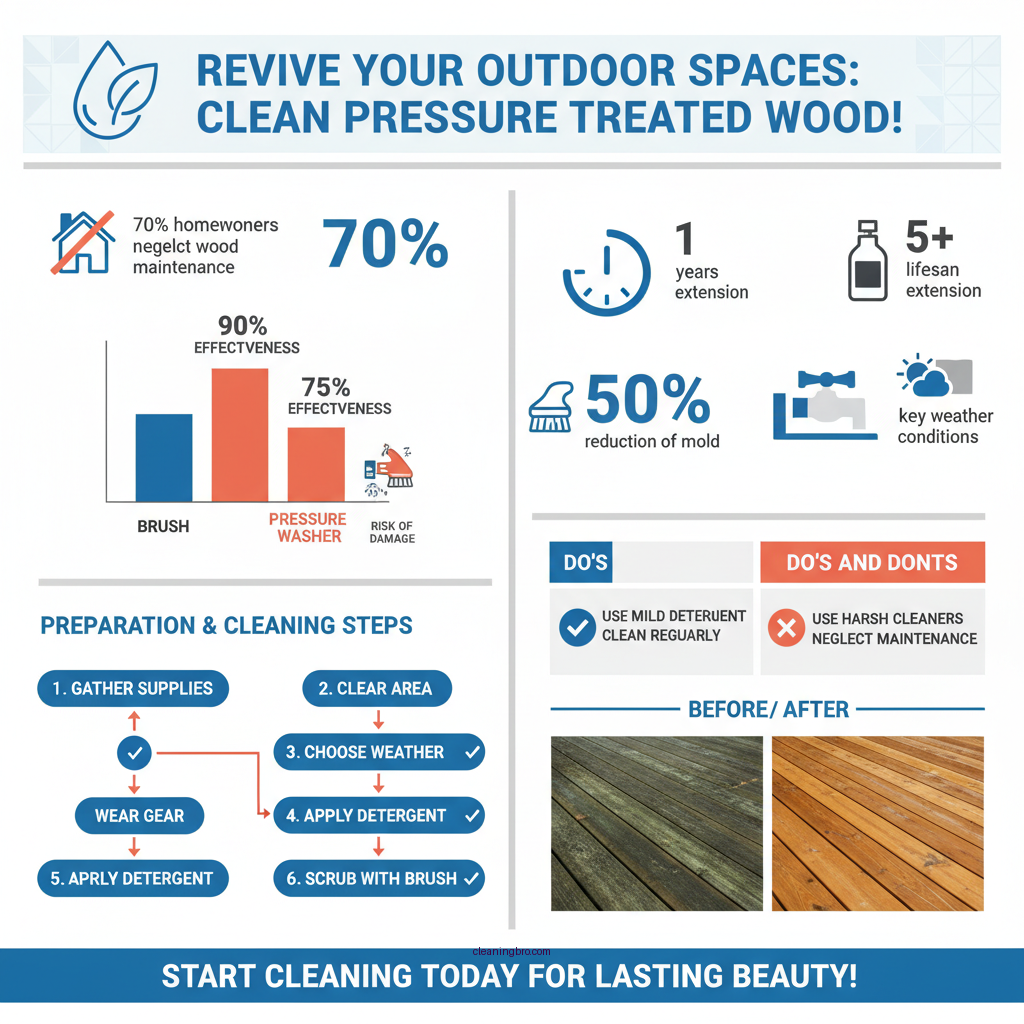
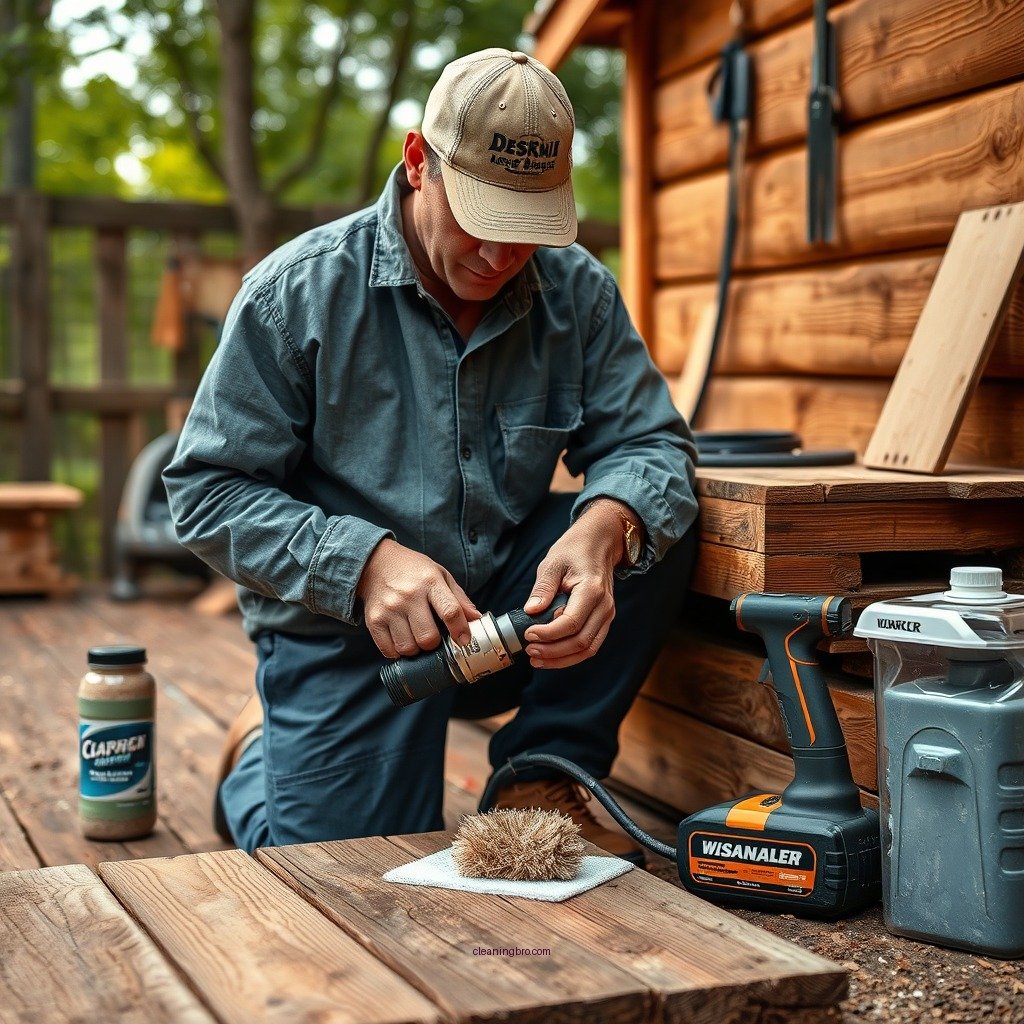
– Mild Detergent or Wood Cleaner: Opt for a wood cleaner specifically designed for outdoor use, as these products are formulated to be gentle yet effective. Avoid harsh detergents that can strip away the wood’s protective layer.
– Soft-Bristle Brush or Sponge: A soft-bristle brush is ideal for scrubbing the wood without causing scratches or damage. Alternatively, a sponge can be used for lighter cleaning.
– Pressure Washer (Optional): For more significant cleaning tasks, a pressure washer can be effective. However, it’s vital to use a low setting to prevent damage.
– Protective Gear: Wear gloves and safety goggles to protect yourself from cleaning chemicals and debris.
Having these supplies on hand will streamline the cleaning process and help achieve the best results.
Preparing the Area for Cleaning
Before starting the cleaning process, preparation is key to ensuring an effective clean. Follow these steps:
1. Clear the Area: Remove any furniture, planters, or other items near the wood surfaces. This not only provides a clear workspace but also protects your belongings from potential damage during cleaning.
2. Check the Weather: Ensure that the weather is appropriate for cleaning. Ideally, choose a dry day with moderate temperatures. Avoid cleaning in direct sunlight or during rain, as this can affect the cleaning solution’s effectiveness.
3. Access to Water: Make sure you have a reliable water source. If using a pressure washer, check that it is working correctly and that you have the necessary hoses and attachments.
By adequately preparing the area, you set the stage for a thorough and efficient cleaning process.
Cleaning Techniques for Pressure Treated Wood
Cleaning pressure treated wood requires a careful approach to avoid damaging the surface. Here are two effective cleaning methods:
– Light Cleaning: For routine maintenance or light stains, mix a mild detergent with water in a bucket. Use a soft-bristle brush to scrub the surface gently. Work in sections, applying the detergent solution and scrubbing in the direction of the wood grain to avoid scratches. Rinse thoroughly with clean water after scrubbing to remove any detergent residue.
– Deep Cleaning: For stubborn stains or heavy mold buildup, a pressure washer can be a powerful ally. Set the machine to a low setting (typically below 1500 PSI) and maintain a distance of at least 12 inches from the wood surface. Use a sweeping motion to evenly distribute the water and avoid concentrated streams that could damage the wood. After washing, rinse the area with clean water to ensure all debris is cleared.
Employing these techniques will help rejuvenate the appearance of your pressure treated wood while maintaining its integrity.
Rinsing and Drying the Wood
Once the cleaning is complete, proper rinsing and drying are critical steps:
– Rinse Thoroughly: Use a garden hose or pressure washer set to a low pressure to rinse the wood surface thoroughly. Make sure to remove all detergent and debris, as leftover soap can lead to discoloration or mold growth.
– Drying Time: Allow the wood to dry completely before applying any sealants, stains, or finishes. This drying process may take several hours to a full day, depending on humidity and temperature. Inspect the wood after drying to ensure it is clean and free of residue.
Taking the time to rinse and dry properly will prepare your pressure treated wood for any future treatments, ensuring optimal performance.
Maintaining Clean Pressure Treated Wood
To keep your pressure treated wood looking its best, regular maintenance is essential. Here are some practical tips:
– Routine Cleaning: Regularly sweep the surfaces to remove dirt and debris. Washing the wood with a mild detergent solution at least once a year can prevent mold and mildew buildup.
– Inspect for Damage: Regularly check for signs of wear, such as splintering or discoloration, which may indicate the need for more intensive cleaning or treatment.
– Apply Sealant: Consider applying a protective sealant every few years. This not only enhances the wood’s durability but also provides an additional layer of protection against moisture and UV rays.
By implementing these maintenance practices, you can prolong the life and beauty of your pressure treated wood surfaces.
Troubleshooting Common Issues
Despite diligent care, you may encounter some common issues with pressure treated wood. Here are solutions for a few of these problems:
– Stubborn Stains: For tough stains that resist cleaning, consider applying a specialized wood cleaner. Alternatively, you may need to repeat the cleaning process with a more concentrated detergent solution.
– Discoloration: If the wood appears discolored or gray, light sanding may help restore its original appearance. After sanding, clean the wood again to remove any dust particles.
– Mold or Mildew: In cases where mold or mildew persists, a diluted solution of bleach and water can be applied to the affected areas. Rinse thoroughly afterward to avoid damaging the wood.
By addressing these issues promptly, you can maintain the quality and appearance of your pressure treated wood.
Top 7 Cleaning Products for Pressure Treated Wood (2024)
| # | Product | Type | Effectiveness |
|---|---|---|---|
| 1 | Behr Premium Wood Cleaner | Liquid | High |
| 2 | Olympic Premium Deck Cleaner | Liquid | High |
| 3 | Simple Green Deck and Patio Cleaner | Spray | Moderate |
| 4 | Wet & Forget Outdoor Cleaner | Liquid | High |
| 5 | Star brite Deck Cleaner | Liquid | Moderate |
| 6 | Krud Kutter Deck and Fence Cleaner | Spray | High |
| 7 | Zep Deck and Fence Cleaner | Liquid | Low |
Best Wood Cleaner Options: Behr, Olympic, and Simple Green
| Feature | ⭐ Behr Premium Wood Cleaner | Olympic Premium Deck Cleaner | Simple Green Deck Cleaner |
|---|---|---|---|
| Application Method | Brush or Spray | Brush or Spray | Spray |
| Concentration | Highly Concentrated | Concentrated | Ready to Use |
| Stain Removal | ✅ Excellent | ✅ Very Good | ✅ Good |
| Mold and Mildew Prevention | ✅ Yes | ✅ Yes | ❌ No |
| Drying Time | 1 hour | 1-2 hours | 30 minutes |
| Environmental Safety | ✅ Eco-friendly | ✅ Eco-friendly | ❌ Not eco-friendly |
| Surface Compatibility | Wood, Composite | Wood, Composite | Wood Only |
| pH Level | Neutral | Neutral | Alkaline |
| Price | $15.99 | $16.99 | $12.99 |
| 🏆 Best For | All-round cleaning | Decks and patios | Quick applications |
Cleaning your pressure treated wood properly can extend its life and keep it looking great. By following these steps, you can ensure that your outdoor wood surfaces remain in top condition. Start your cleaning process today, and enjoy the benefits of well-maintained wooden structures!
Frequently Asked Questions
How should I clean pressure treated wood to ensure its longevity?
To clean pressure treated wood effectively, start by sweeping away any debris and dirt. Use a mixture of warm water and mild detergent, applying it with a soft-bristle brush to avoid damaging the wood. Rinse thoroughly with a garden hose to remove soap residues, and allow the wood to dry completely before applying any sealants or stains.
What products are best for cleaning pressure treated wood?
The best products for cleaning pressure treated wood are specifically formulated wood cleaners that are free of harsh chemicals. Look for biodegradable options that can effectively tackle mold, mildew, and stains without causing harm to the environment or the wood itself. Additionally, oxygen bleach can be a safe alternative for deeper cleaning.
Why is it important to regularly clean pressure treated wood?
Regularly cleaning pressure treated wood is essential to prevent the buildup of dirt, mold, and mildew, which can compromise the wood’s integrity and appearance. By maintaining a clean surface, you can extend the life of the wood and preserve its resistance to decay and insect damage, ensuring your outdoor structures remain safe and attractive.
How often should I clean my pressure treated wood deck?
It’s recommended to clean your pressure treated wood deck at least once a year, preferably in the spring or fall. However, if your deck is exposed to heavy rain, shade, or high foot traffic, you may need to clean it more frequently to remove dirt and prevent mold growth. Regular maintenance will help maintain its beauty and durability.
Which methods should I avoid when cleaning pressure treated wood?
Avoid using harsh chemical cleaners, bleach, or high-pressure washing when cleaning pressure treated wood, as these methods can damage the wood fibers and lead to splintering. Additionally, refrain from using abrasive scrubbers or steel wool, which can leave scratches and affect the wood’s protective treatments. Stick to gentle, non-toxic products for the best results.
References
- Wood preservation
https://en.wikipedia.org/wiki/Pressure-treated_wood - https://www.extension.purdue.edu/extmedia/ho/ho-243-w.pdf
https://www.extension.purdue.edu/extmedia/ho/ho-243-w.pdf - https://www.extension.umn.edu/garden/landscaping/cleaning-pressure-treated-wood/
https://www.extension.umn.edu/garden/landscaping/cleaning-pressure-treated-wood/ - https://www.fs.fed.us/t-d/pubs/htmlpubs/htm07312808/
https://www.fs.fed.us/t-d/pubs/htmlpubs/htm07312808/ - https://www.nrcs.usda.gov/wps/portal/nrcs/detail/national/home/?cid=nrcs143_014199
https://www.nrcs.usda.gov/wps/portal/nrcs/detail/national/home/?cid=nrcs143_014199 - https://www.sciencedirect.com/topics/agricultural-and-biological-sciences/pressure-treated-wood
https://www.sciencedirect.com/topics/agricultural-and-biological-sciences/pressure-treated-wood - https://www.britannica.com/technology/pressure-treated-wood
https://www.britannica.com/technology/pressure-treated-wood - https://scholar.google.com/scholar?q=cleaning+pressure+treated+wood Google Scholar
https://scholar.google.com/scholar?q=cleaning+pressure+treated+wood - Google Scholar Google Scholar
https://scholar.google.com/scholar?q=maintenance+of+pressure+treated+wood - Google Scholar Google Scholar
https://scholar.google.com/scholar?q=pressure+treated+wood+cleaning+methods