How to Clean Primer Before Painting: Essential Steps
Cleaning primer before painting is crucial for achieving a smooth and durable finish. By ensuring that the surface is free of dust, dirt, and grease, you can enhance paint adhesion and prevent issues like peeling or bubbling. This article will guide you through the essential steps to effectively clean primer, ensuring your paint adheres properly and looks great.
Importance of Cleaning Primer

Cleaning primer is a fundamental step in the painting process that should never be overlooked. A clean primer surface is essential for several reasons:
– Ensures Better Paint Adhesion: The primary function of primer is to provide a binding surface for paint. If the primer is dirty or contaminated, the paint may not adhere correctly, resulting in a finish that can chip or peel over time. Proper cleaning ensures that the paint bonds effectively to the surface.
– Prevents Imperfections: Cleaning the primer also helps to eliminate any potential imperfections that could manifest in the final paint job. Contaminants like grease or dust can lead to defects such as bubbling, uneven texture, or discoloration in the paint. By taking the time to clean the primer thoroughly, you set the stage for a flawless finish.
Tools and Materials Needed
Before you begin the cleaning process, gather the following tools and materials:
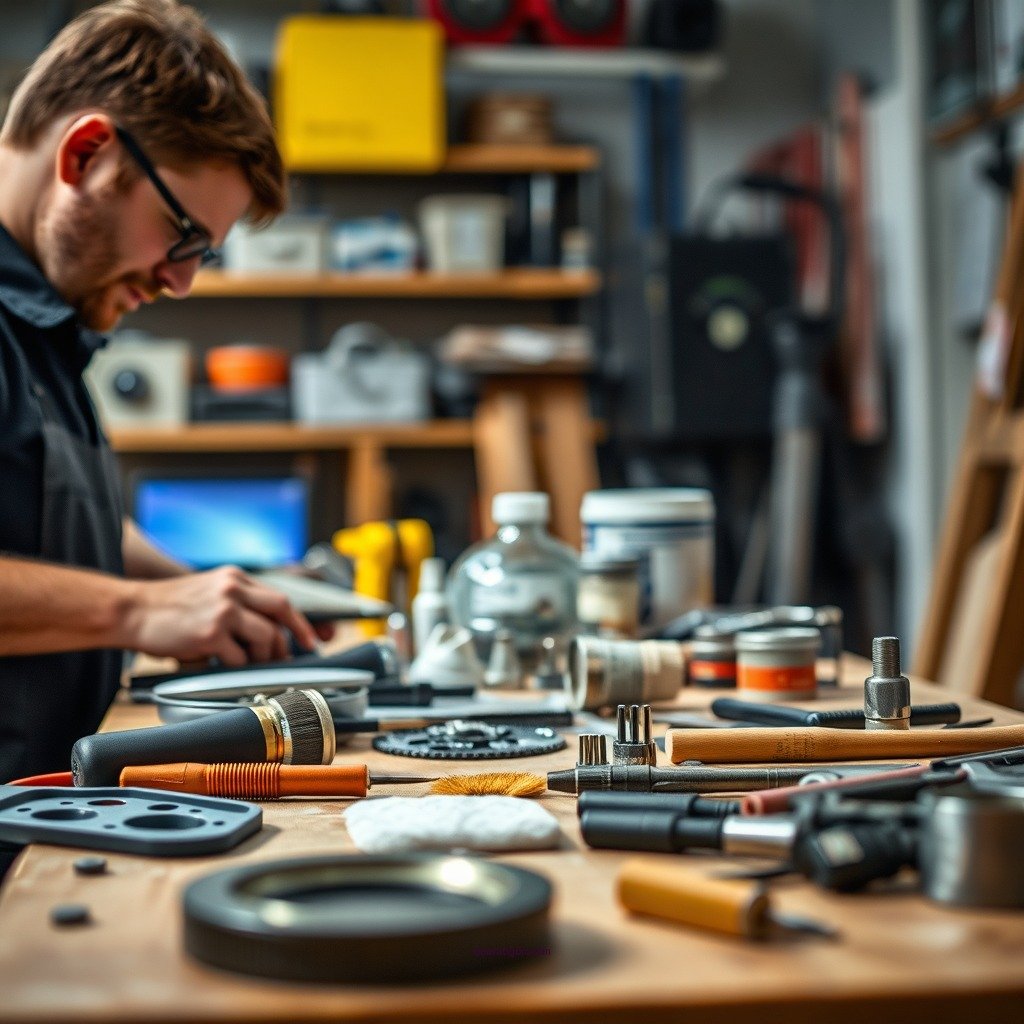
– Soft Cloths or Rags: These are essential for wiping down the surface without scratching or damaging the primer.
– Mild Detergent or Specialized Cleaner: A gentle cleaning solution is effective for removing dirt and grease without harming the primer’s integrity. Avoid harsh chemicals that may degrade the primer.
– Bucket of Clean Water: Fresh water is necessary for rinsing off any soap residue after cleaning.
– Sponge or Soft Brush: For stubborn dirt or grime, a sponge or soft brush can help lift debris without scratching the primer.
Steps to Clean Primer

Cleaning primer involves a systematic approach to ensure the best results. Follow these steps:
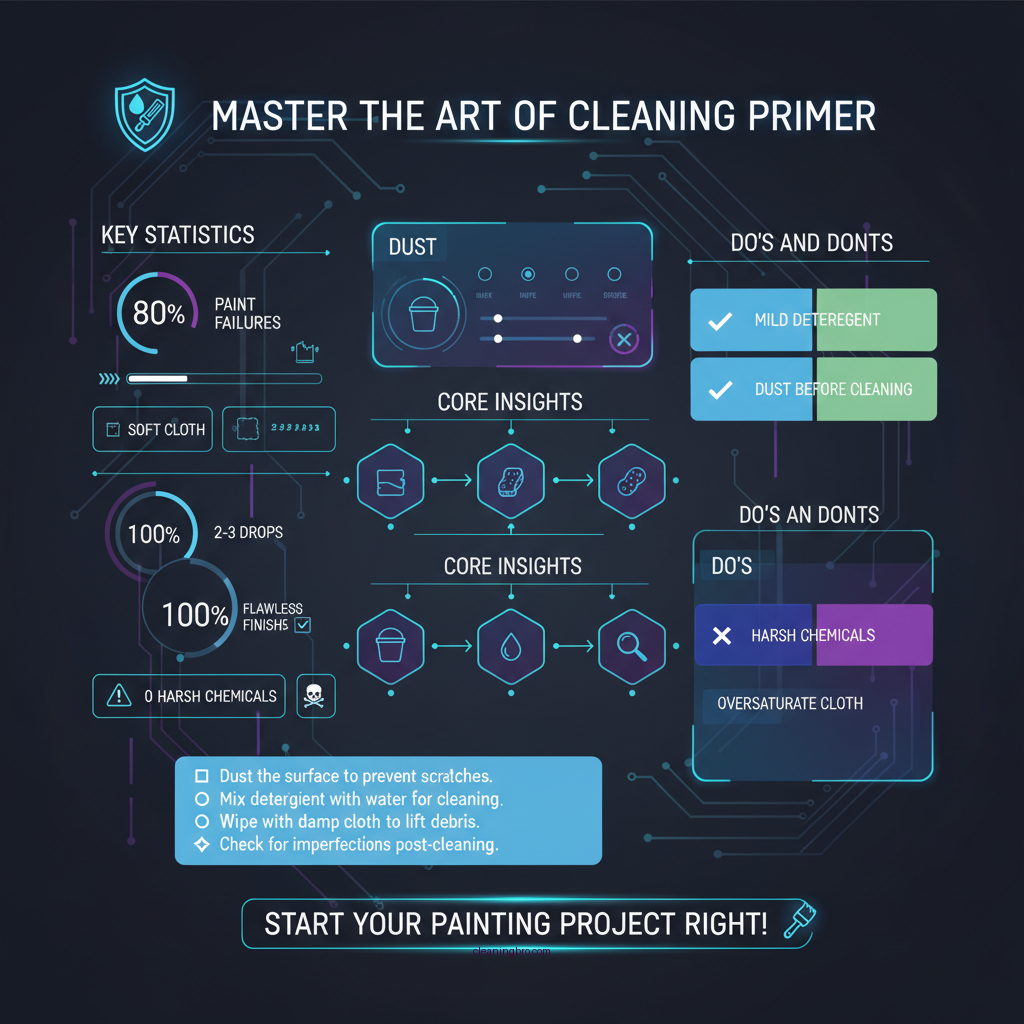
1. Dust the Surface: Start by using a dry cloth to remove any loose dust or particles from the primer. This step is crucial because it prevents scratches during the cleaning process.
2. Prepare the Cleaning Solution: Mix a few drops of mild detergent with clean water in a bucket. Avoid using excessive soap, as this can leave a residue on the primer.
3. Apply the Cleaning Solution: Dip the cloth or sponge into the cleaning solution and wring it out to avoid oversaturation. Wipe the surface of the primer with the damp cloth, ensuring that you cover all areas thoroughly.
4. Rinse the Surface: After cleaning, rinse the area with clean water to remove any soap residue. It is important to ensure that no cleaning solution remains on the surface.
5. Dry the Primer: Use a clean, dry cloth to wipe down the primer or allow it to air dry completely. This step is critical to avoid trapping moisture under the paint.
Techniques for Effective Cleaning
To maximize the effectiveness of your cleaning process, consider the following techniques:
– Use Circular Motions: When wiping the surface, employ circular motions to avoid streaks and ensure that the cleaning solution is evenly distributed across the primer.
– Rinse Thoroughly: After washing, ensure that you rinse the surface thoroughly with clean water. This step is vital to remove any detergent residue that could affect paint adhesion.
– Inspect During Cleaning: As you clean, take the opportunity to inspect the primer for any imperfections, such as bubbles or peeling areas. Address these issues before proceeding with painting.
Drying and Preparing the Surface
Once you have cleaned the primer, it is vital to prepare the surface for painting:
– Allow Full Drying: Ensure that the cleaned primer is completely dry before applying paint. Depending on the environment, this could take anywhere from a few hours to a full day.
– Inspect for Residue: After drying, inspect the surface again for any remaining debris or imperfections. If you notice any, repeat the cleaning process in those areas.
– Sand If Necessary: For any imperfections that remain, consider lightly sanding the area to create a smooth surface for painting. Be careful not to sand too aggressively, as this could damage the primer.
Common Mistakes to Avoid
There are several pitfalls to avoid when cleaning primer to ensure a successful painting project:
– Skipping the Dusting Step: Neglecting to dust the surface can lead to poor adhesion and imperfections in the final paint job. Always start with a clean slate.
– Using Harsh Chemicals: Strong solvents or abrasive cleaners can damage the primer, leading to a compromised surface for painting. Stick to mild detergents and soft cloths.
– Not Allowing for Proper Drying: Rushing the drying process can result in moisture being trapped under the paint, leading to peeling or bubbling. Always allow adequate time for the primer to dry.
Final Touches Before Painting
Before you begin painting, it’s essential to perform a final check to ensure that everything is ready:
– Check for Imperfections: Inspect the cleaned primer one last time for any remaining imperfections. If needed, sand down any rough spots or blemishes.
– Prepare the Environment: Ensure that the painting area is clean and dust-free. Close windows if necessary to prevent dust from settling on your newly cleaned surface.
– Gather Painting Supplies: Have all your painting tools ready, including brushes, rollers, and paint, to streamline the process once you’re ready to start.
By following these steps, you’ll ensure that your primer is clean and ready for painting, which leads to a professional-looking finish. After cleaning, gather your painting supplies and get started on your project for stunning results!
Top 7 Primer Brands for Painting (2024)
| # | Brand | Type | Coverage (sq ft) | Price per Gallon |
|---|---|---|---|---|
| 1 | Zinsser BIN | Shellac-based | 100-150 | $45 |
| 2 | KILZ Premium | Latex-based | 300-400 | $30 |
| 3 | Behr Premium Plus | Acrylic-based | 250-350 | $35 |
| 4 | Rust-Oleum Zinsser | Oil-based | 150-200 | $40 |
| 5 | Benjamin Moore Fresh Start | Acrylic-based | 300-400 | $50 |
| 6 | Valspar Signature | Latex-based | 250-350 | $32 |
| 7 | Sherwin-Williams SuperPaint | Acrylic-based | 300-400 | $45 |
KILZ Premium vs Behr Premium Plus vs Benjamin Moore Fresh Start: Full Comparison
| Feature | ⭐ KILZ Premium | Behr Premium Plus | Benjamin Moore Fresh Start |
|---|---|---|---|
| Type | Latex-based | Acrylic-based | Acrylic-based |
| Drying Time | 1 hour | 1 hour | 1 hour |
| Coverage | 300-400 sq ft | 250-350 sq ft | 300-400 sq ft |
| Stain Blocking | ✅ Excellent | ✅ Good | ✅ Good |
| Mildew Resistance | ✅ Good | ✅ Excellent | ✅ Good |
| Easy Application | ✅ Smooth | ✅ Smooth | ✅ Smooth |
| Price per Gallon | $30 | $35 | $50 |
| Low VOC | ✅ Yes | ✅ Yes | ✅ Yes |
| Suitable for Interior/Exterior | ✅ Both | ✅ Both | ✅ Both |
| 🏆 Best For | Budget-conscious users | Homeowners seeking quality | Professionals and high-end projects |
In conclusion, cleaning primer before painting is a critical step that enhances paint adhesion and ensures a flawless final finish. By following the outlined steps and techniques, avoiding common mistakes, and paying attention to the drying and preparation phases, you can set yourself up for success in your painting project. With the right tools, materials, and methods, you will achieve a professional-looking result that stands the test of time.
Frequently Asked Questions
What is the best method to clean primer before painting?
The best method to clean primer before painting involves using a damp cloth or sponge with warm, soapy water to remove any dust, dirt, or grease. After wiping down the surface, rinse with clean water and let it dry completely. This ensures optimal adhesion of the paint to the primer.
How do I prepare a primed surface for painting?
To prepare a primed surface for painting, start by cleaning it thoroughly to remove any contaminants. After cleaning, lightly sand the primer with fine-grit sandpaper to create a smooth surface and enhance paint adhesion. Finally, wipe away any dust created during sanding with a tack cloth.
Why is it important to clean primer before applying paint?
Cleaning primer before applying paint is crucial because any dust, dirt, or oil can interfere with the paint’s adhesion and finish. If the surface is not properly cleaned, it may lead to peeling or uneven paint application, compromising the overall durability and appearance of your paint job.
Which cleaning products are safe to use on primer before painting?
Safe cleaning products for use on primer include mild dish soap mixed with water, isopropyl alcohol, or a gentle all-purpose cleaner. Avoid harsh chemicals that can damage the primer or leave residues. Always test any cleaner on an inconspicuous area first to ensure compatibility.
How long should I wait after cleaning primer before painting?
After cleaning primer, you should wait at least 1-2 hours to ensure the surface is completely dry before painting. Humidity and temperature can affect drying times, so make sure the area is well-ventilated and the primer is fully dry to achieve the best results when applying paint.
References
- Painting
https://en.wikipedia.org/wiki/Painting - https://www.sciencedirect.com/topics/engineering/paint-preparation
https://www.sciencedirect.com/topics/engineering/paint-preparation - https://www.nature.com/articles/s41545-021-00243-3
https://www.nature.com/articles/s41545-021-00243-3 - Google Scholar Google Scholar
https://scholar.google.com/scholar?q=cleaning+primer+before+painting - https://pubmed.ncbi.nlm.nih.gov/18201045/
https://pubmed.ncbi.nlm.nih.gov/18201045/ - https://www.cdc.gov/niosh/topics/paintingsafety/default.html
https://www.cdc.gov/niosh/topics/paintingsafety/default.html - https://www.bbc.com/future/article/20200205-how-to-paint-and-decorate-your-home
https://www.bbc.com/future/article/20200205-how-to-paint-and-decorate-your-home - Google Scholar Google Scholar
https://scholar.google.com/scholar?q=preparation+for+painting+surfaces - https://www.hud.gov/program_offices/healthy_homes/healthyhomes/leadpaint
https://www.hud.gov/program_offices/healthy_homes/healthyhomes/leadpaint - https://www.nytimes.com/wirecutter/blog/how-to-paint-your-house/
https://www.nytimes.com/wirecutter/blog/how-to-paint-your-house/