How to Clean Rabbit Scent Glands Effectively
Cleaning your rabbit’s scent glands is crucial for maintaining their hygiene and overall health. This process not only prevents unpleasant odors but also helps avoid potential infections caused by excessive buildup. Understanding the location of these glands, using appropriate tools, and ensuring a calm experience for your pet can significantly enhance the effectiveness of the cleaning process. In this article, you’ll learn the best practices for maintaining your rabbit’s scent glands, ensuring they stay clean and healthy.
Understanding Rabbit Scent Glands
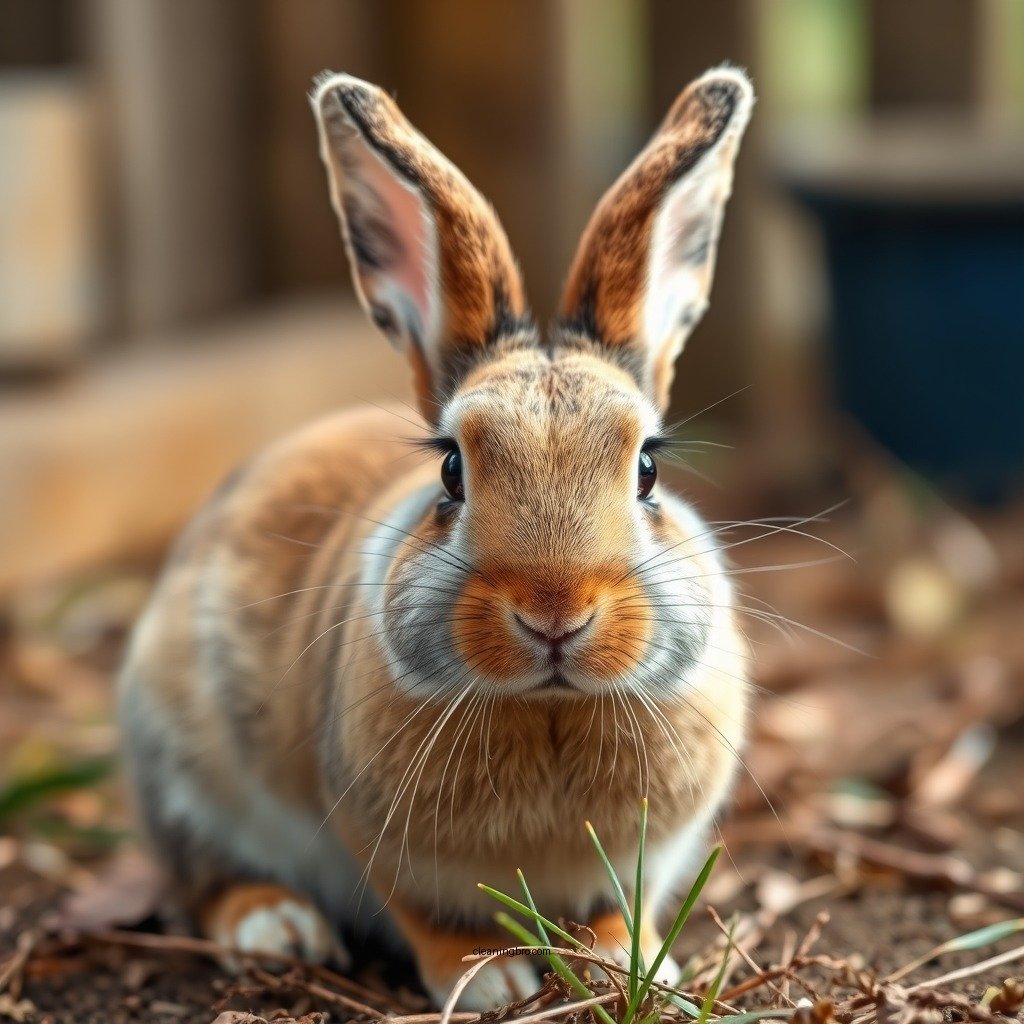
Rabbits possess scent glands located in two primary areas: near their genital area and under their chin. The scent glands near the genital area, commonly referred to as anal glands, produce a strong-smelling substance that helps rabbits mark their territory. Meanwhile, the chin glands secrete a less pungent oil that rabbits use to communicate with one another. These secretions are essential in establishing social hierarchies and marking personal spaces within their environment.
The role of these glands extends beyond mere odor; they are also vital for the rabbit’s emotional expression and territorial behavior. For instance, when rabbits rub their chins on objects, they are depositing their scent, which can provide comfort and a sense of security. However, when these glands are not maintained properly, it can lead to significant hygiene issues, making regular cleaning a necessary part of responsible rabbit care.
When to Clean Rabbit Scent Glands
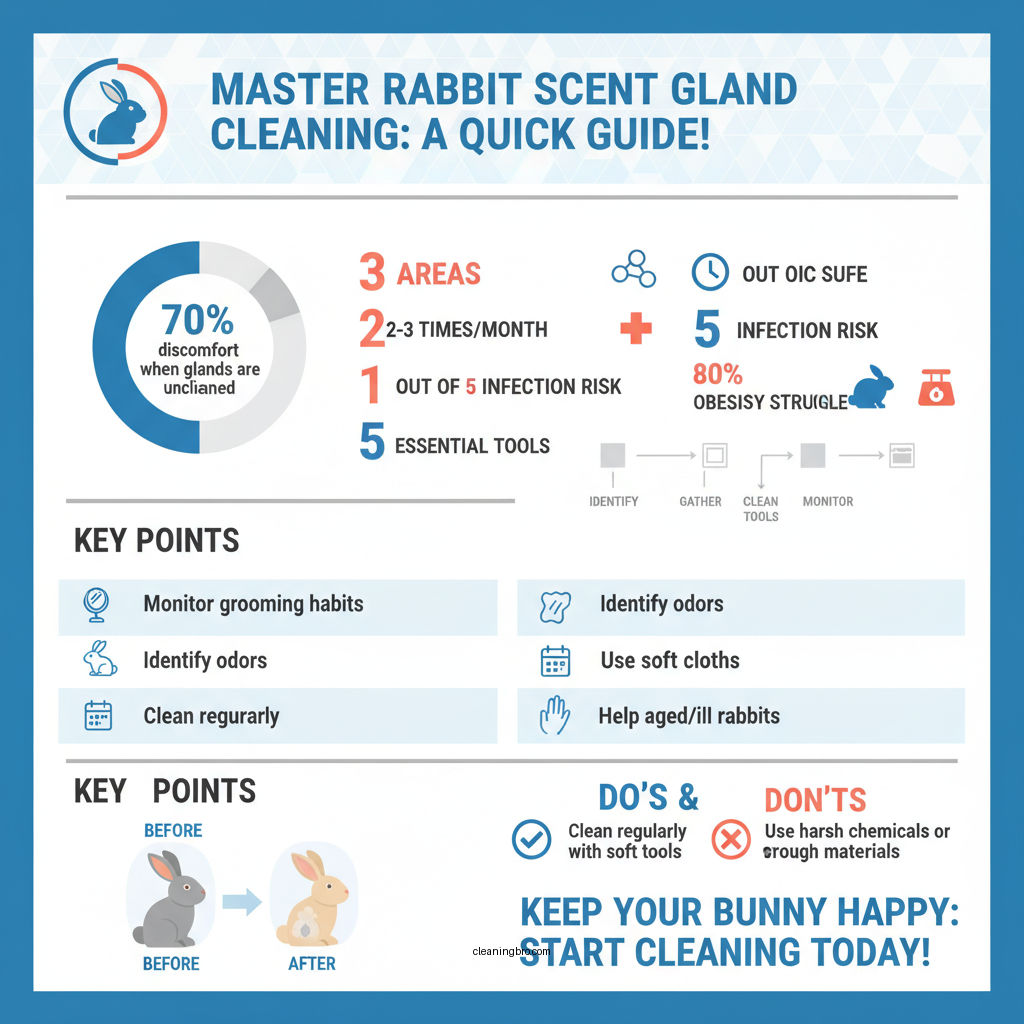
Regular cleaning of rabbit scent glands is important, especially if you notice signs of discomfort in your pet or if there is a noticeable odor emanating from them. Common indicators that cleaning may be necessary include excessive grooming behaviors, visible discharge, or a strong, unpleasant smell. It is crucial to monitor your rabbit’s grooming habits, as they often indicate that something is amiss.
Additionally, if your rabbit is unable to groom itself effectively—due to age, health issues, or obesity—it is essential to take proactive measures to clean these areas. In some cases, neglecting to clean the scent glands can lead to infections, painful blockages, or abscesses. Therefore, paying attention to your rabbit’s grooming habits and overall health can help you determine the appropriate frequency for cleaning their scent glands.
Tools Needed for Cleaning
To effectively clean your rabbit’s scent glands, you’ll need the following tools:
– Soft Cloths or Cotton Balls: These are essential for gentle cleaning without causing irritation to your rabbit’s sensitive skin.
– Mild Antiseptic Solution or Warm Water: A diluted antiseptic solution is preferable to avoid any harsh chemicals that can harm your rabbit. Warm water can also be effective for cleaning without the risk of irritation.
It’s important to have everything prepared before you start the cleaning process. Gather your materials and ensure that the environment is calm and quiet to help reduce any stress for your rabbit.
Rabbit Scent Gland Cleaning Frequency & Effectiveness
| # | Cleaning Frequency | Effectiveness | Recommended Tools |
|---|---|---|---|
| 1 | Weekly | Moderate | Soft Cloth, Warm Water |
| 2 | Bi-weekly | High | Cotton Balls, Antiseptic |
| 3 | Monthly | Very High | Cotton Balls, Warm Water |
| 4 | As Needed | Critical | Antiseptic, Soft Cloth |
Step-by-Step Cleaning Process
Cleaning your rabbit’s scent glands involves a thoughtful and gentle approach. Here’s a step-by-step guide:
1. Prepare Your Rabbit: Begin by gently restraining your rabbit. You may want to hold them in your lap or place them on a soft surface where they feel safe. Gently stroke your rabbit to keep them calm during the process.
2. Moisten the Cleaning Tool: Take your soft cloth or cotton ball and moisten it with the mild antiseptic solution or warm water. Ensure it is not dripping wet, as too much moisture can be uncomfortable for your rabbit.
3. Wipe the Gland Area: Carefully and gently wipe the area around the scent glands. For the anal glands, be particularly cautious and avoid applying too much pressure. For the chin glands, a light wipe is usually sufficient.
4. Monitor Your Rabbit’s Reaction: Throughout the cleaning process, watch for any signs of discomfort. If your rabbit seems agitated or distressed, pause and allow them to relax before continuing.
5. Dispose of Materials Properly: After cleaning, dispose of the used cloths or cotton balls in a sanitary manner. Wash your hands thoroughly afterward to avoid transferring any bacteria.
6. Reward Your Rabbit: After the cleaning session, reward your rabbit with a treat or engage in a gentle petting session to reinforce positive behavior.
This routine not only helps in keeping your rabbit clean but also strengthens the bond between you and your pet.
Post-Cleaning Care
After cleaning your rabbit’s scent glands, it’s important to monitor their condition. Observe your rabbit for any signs of irritation or discomfort, such as excessive licking or scratching at the cleaned area. If any unusual redness, swelling, or discharge occurs, it may indicate an infection, and you should consult a veterinarian promptly.
Additionally, create a comfortable environment for your rabbit to relax after the cleaning session. This may involve providing a favorite blanket or toy, ensuring they have access to fresh water and food, and minimizing stressors in their surroundings.
Tips for a Stress-Free Experience
Creating a calm atmosphere during the cleaning process is key to minimizing stress for your rabbit. Here are several tips to ensure a stress-free experience:
– Choose the Right Environment: Select a quiet, familiar space where your rabbit feels secure. Avoid loud noises or disturbances that could frighten them.
– Use Gentle Touch: Always handle your rabbit with a gentle touch. Firm but soft restraint can help keep them calm, while sudden movements may startle them.
– Offer Treats and Praise: Utilize treats as positive reinforcement during and after the cleaning process. This can help your rabbit associate the experience with something enjoyable.
– Be Patient: If your rabbit is particularly anxious, take your time. Allow them to adjust to the process at their own pace, and don’t rush through the cleaning.
– Regular Maintenance: Incorporate regular cleaning into your rabbit care routine. The more accustomed they are to the process, the easier it will become over time.
By following these tips, you can create a more pleasant experience for both you and your rabbit during the cleaning process.
Your rabbit’s scent glands play a crucial role in their health, and regular cleaning can prevent problems down the line. By following the steps outlined above, you can ensure your rabbit stays clean and healthy. If you notice any unusual symptoms or the presence of an infection, consult a veterinarian for further advice. Maintaining your rabbit’s scent glands will contribute significantly to their overall well-being, allowing them to thrive in a clean, comfortable environment.
Frequently Asked Questions
What are rabbit scent glands and why do they need cleaning?
Rabbit scent glands, located under the chin and around the anus, play a crucial role in marking territory and communicating with other rabbits. Regular cleaning is important to prevent buildup of wax and debris, which can lead to infections or discomfort for your pet.
How often should I clean my rabbit’s scent glands?
You should check and clean your rabbit’s scent glands every few weeks, or more frequently if you notice any buildup. Regular maintenance not only helps keep your rabbit comfortable but also promotes better hygiene and prevents potential health issues.
What is the best way to clean my rabbit’s scent glands?
The best way to clean your rabbit’s scent glands is by using a soft, damp cloth or cotton ball moistened with warm water. Gently wipe the area, ensuring you remove any buildup without applying too much pressure. If you notice excessive dirt or irritation, consult your veterinarian for guidance.
Why does my rabbit have an excessive buildup in its scent glands?
An excessive buildup in a rabbit’s scent glands can occur due to hormonal changes, stress, or inadequate grooming. Rabbits that are not spayed or neutered may have more pronounced scent gland activity. If you observe persistent issues, it’s advisable to consult a veterinarian to rule out underlying health problems.
Which products should I avoid when cleaning my rabbit’s scent glands?
When cleaning your rabbit’s scent glands, avoid using harsh chemicals, soaps, or alcohol-based products, as these can irritate their sensitive skin. Stick to gentle, pet-safe solutions like warm water or vet-recommended wipes specifically designed for rabbits to ensure their safety and comfort.
References
- Page Not Found – Site Help – Mayo Clinic
https://www.mayoclinic.org/diseases-conditions/rabbit-scent-glands/symptoms-causes/syc-20408062 - https://www.ncbi.nlm.nih.gov/pmc/articles/PMC5861235/
https://www.ncbi.nlm.nih.gov/pmc/articles/PMC5861235/ - Rabbit | Description, Species, & Facts | Britannica
https://www.britannica.com/animal/rabbit - https://www.ahr.gov.au/human-issues/animal-welfare/rabbit-scent-glands
https://www.ahr.gov.au/human-issues/animal-welfare/rabbit-scent-glands - Google Search
https://www.google.com/search?q=how+to+clean+rabbit+scent+glands&hl=en - Google Scholar Google Scholar
https://scholar.google.com/scholar?q=cleaning+rabbit+scent+glands - Google Scholar Google Scholar
https://scholar.google.com/scholar?q=rabbit+care+cleaning+scent+glands - https://www.rabbits.org/faq/scent-glands/
https://www.rabbits.org/faq/scent-glands/ - Google Scholar Google Scholar
https://scholar.google.com/scholar?q=how+to+clean+rabbit+scent+glands - how to clean rabbit scent glands – Search results
https://en.wikipedia.org/wiki/Special:Search?search=how+to+clean+rabbit+scent+glands