How to Clean Rust Off Damascus Steel: Effective Methods
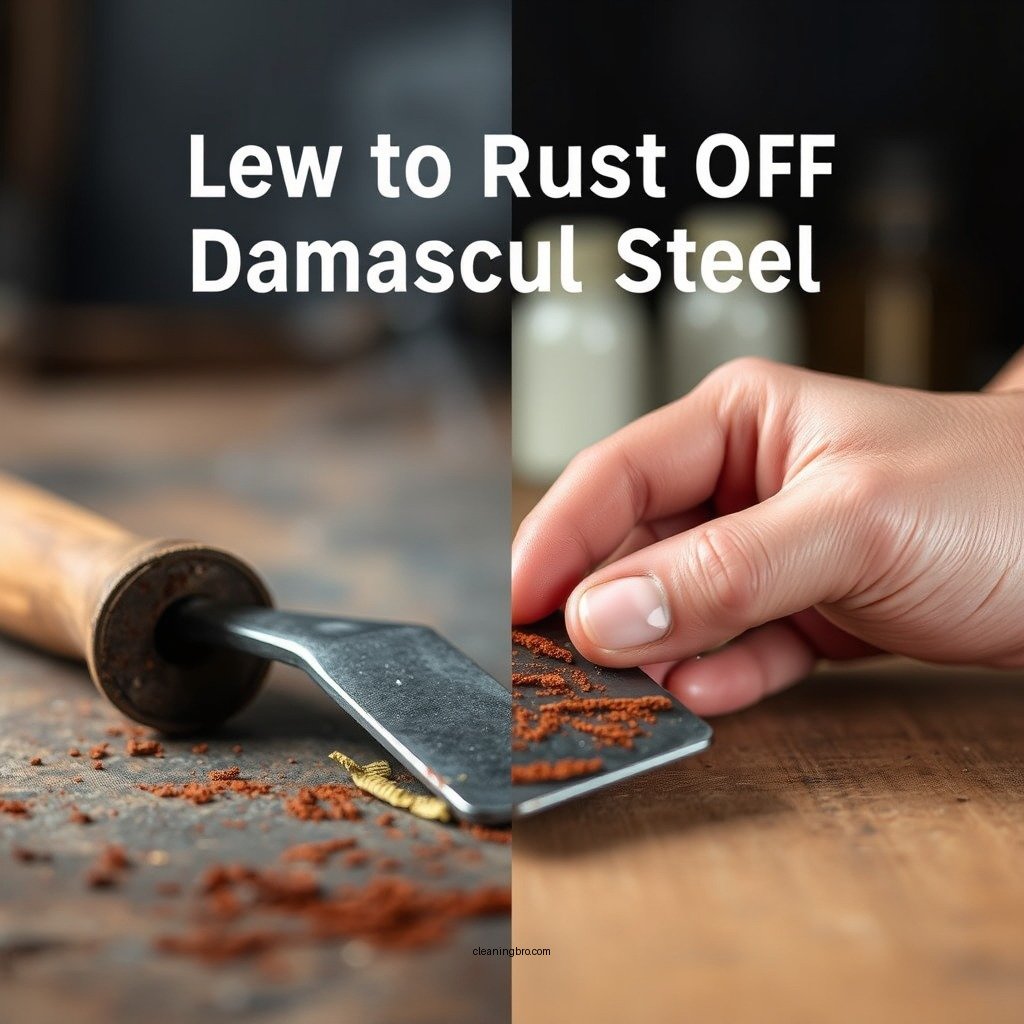
Cleaning rust off Damascus steel is essential to maintain its beauty and integrity. To effectively remove rust, you can use a combination of gentle abrasives, oils, and proper techniques. This guide will provide you with the best methods to restore your Damascus steel to its original luster while preserving its unique patterns.
Understanding Damascus Steel and Its Vulnerability
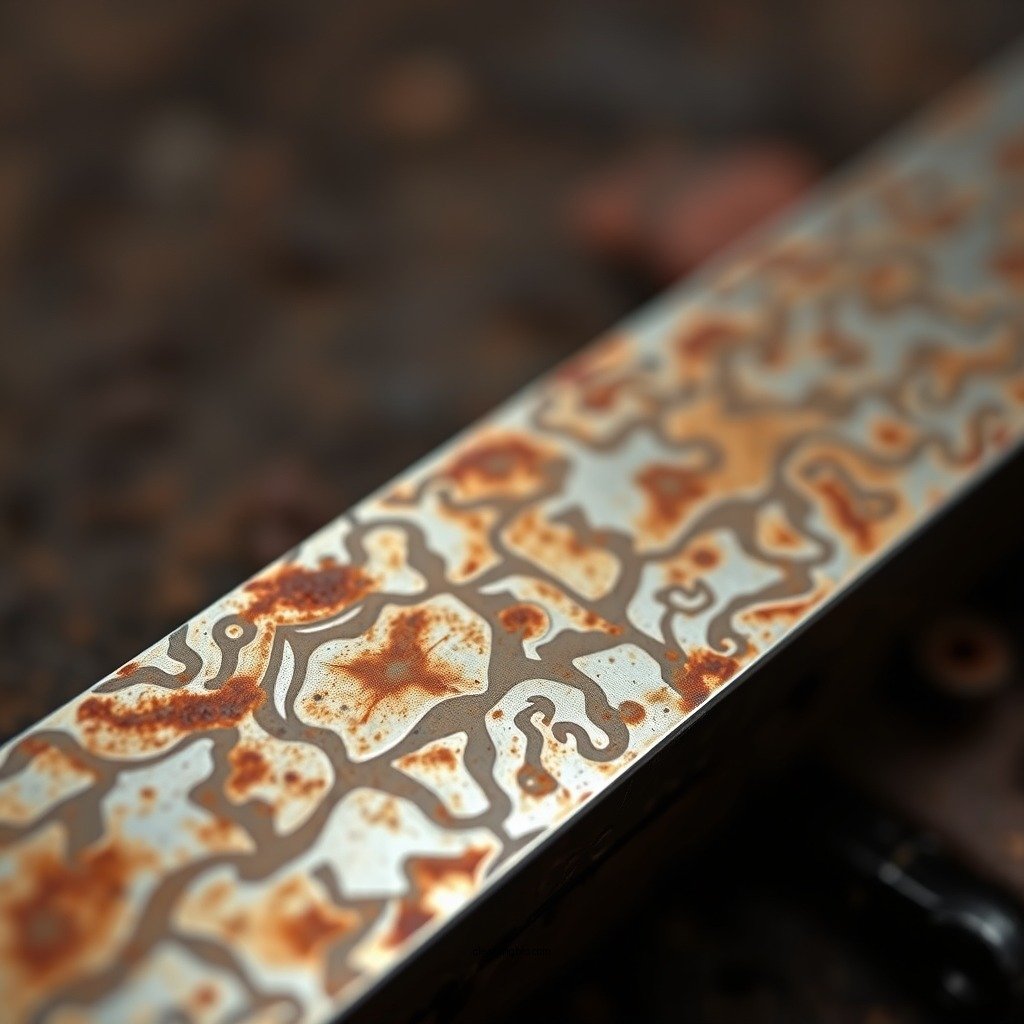
Damascus steel is renowned for its unique patterns and exceptional strength, created through the process of layering different types of steel. This ancient technique results in a material characterized by its durability and aesthetic appeal. However, the very composition that gives Damascus steel its beauty also makes it vulnerable to rust, especially in environments with high humidity or exposure to moisture. The layers of different metals can react with moisture, leading to oxidation and corrosion if not properly maintained. Therefore, understanding the properties and vulnerabilities of Damascus steel is crucial for anyone who owns knives, tools, or decorative items made from this remarkable material.
Essential Tools and Materials
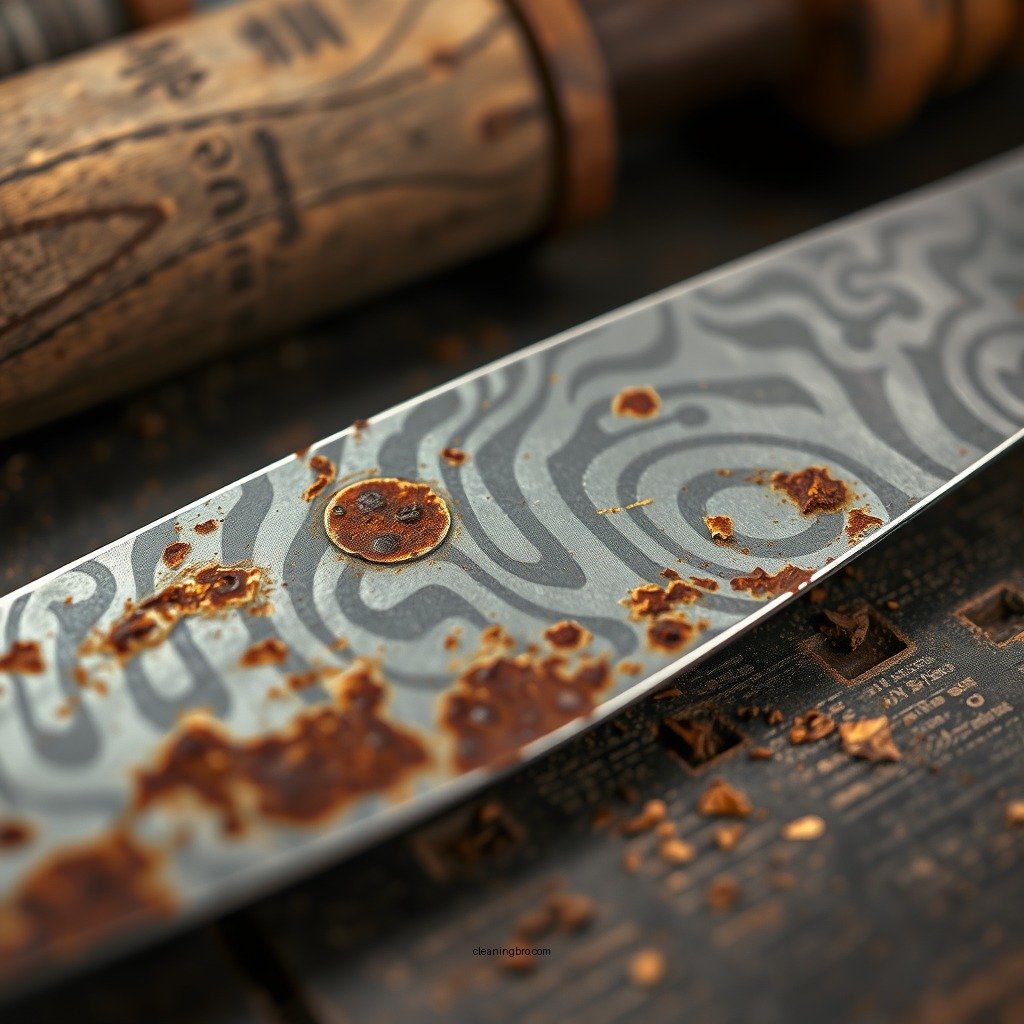
To effectively clean rust off Damascus steel, you will need specific tools and materials that are both effective and gentle on the surface:
– White Vinegar or Lemon Juice: These natural acids are excellent for loosening rust without damaging the metal.
– Fine Steel Wool or Soft Cloth: Using a fine grade of steel wool or a soft cloth will help scrub away rust while minimizing the risk of scratching the intricate patterns.
– Mineral Oil or Specialized Blade Oil: After cleaning, applying oil will create a protective barrier against moisture, which is essential for preventing future rust.
Gathering these items will prepare you for a thorough cleaning process that preserves the quality of your Damascus steel.
Step-by-Step Cleaning Process

Cleaning rust from Damascus steel is a straightforward process if done correctly. Follow these steps to ensure effective rust removal:
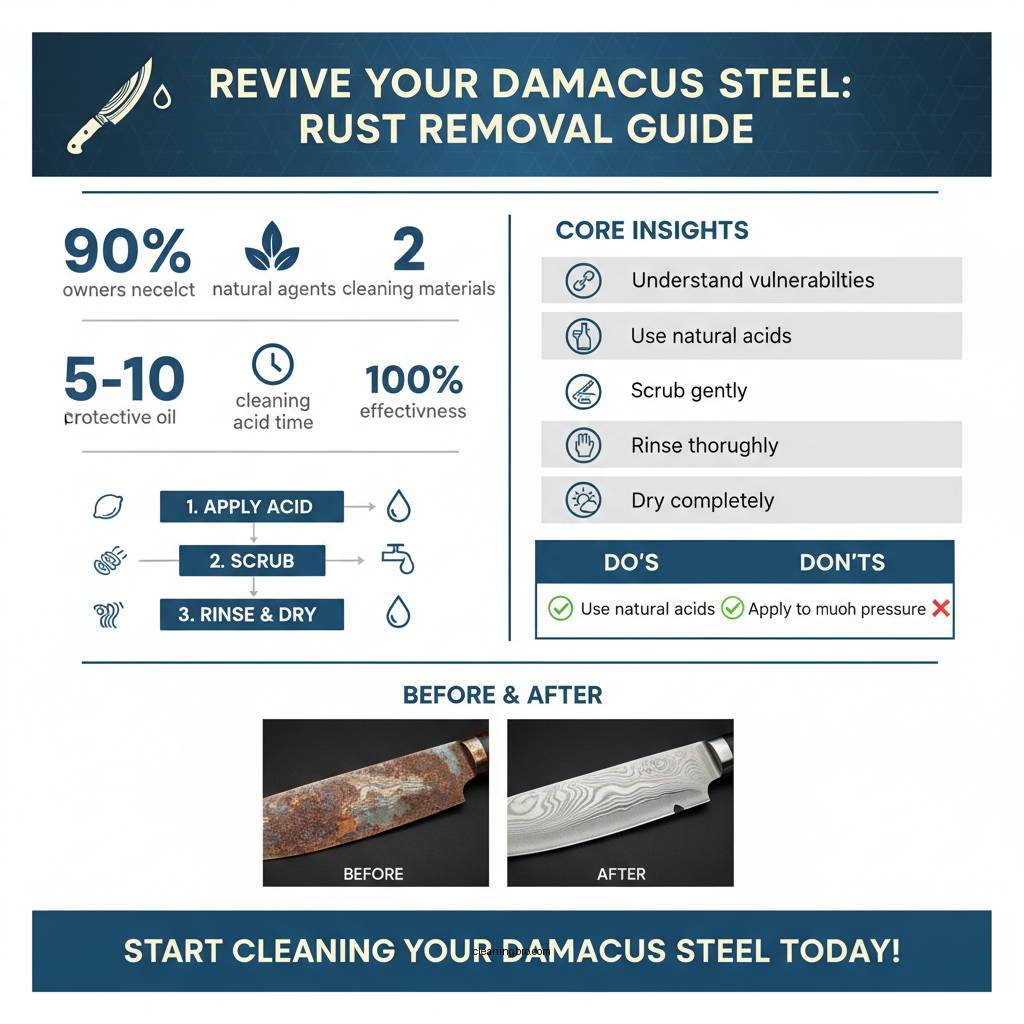
1. Apply White Vinegar or Lemon Juice: Start by generously applying white vinegar or lemon juice to the rusted area. Allow it to sit for about 5-10 minutes. The acidity will begin to break down the rust.
2. Scrub Gently: Using fine steel wool or a soft cloth, gently scrub the rusted area. Make sure to use light pressure to avoid scratching the surface. It’s crucial to follow the grain of the steel for best results.
3. Rinse and Dry: Once the rust is removed, rinse the area thoroughly with water. It’s essential to eliminate all acidic residues. After rinsing, dry the item completely with a clean cloth to prevent further rust formation.
Following these steps will help restore the aesthetic appeal of your Damascus steel while ensuring its longevity.
Top 7 Tips for Cleaning Rust Off Damascus Steel
| # | Method | Effectiveness | Time Required |
|---|---|---|---|
| 1 | White Vinegar | High | 5-10 min |
| 2 | Lemon Juice | High | 5-10 min |
| 3 | Fine Steel Wool | Medium | 5-15 min |
| 4 | Soft Cloth | Medium | 5-15 min |
| 5 | Mineral Oil Application | High | 2-5 min |
| 6 | Water Rinse | Essential | 1-2 min |
| 7 | Thorough Drying | Essential | 1-2 min |
Preventative Measures for Rust
Taking proactive steps can significantly reduce the likelihood of rust developing on your Damascus steel. Here are some effective preventative measures:
– Regular Oiling: Apply a thin layer of mineral oil or a specialized blade oil after cleaning. This creates a protective barrier against moisture and helps maintain the polished surface.
– Dry Environment Storage: Store your Damascus steel items in a cool, dry place, avoiding areas with high humidity. Using silica gel packets or desiccants can further help in absorbing moisture.
– Post-Use Maintenance: After each use, especially if the steel has been exposed to food or moisture, promptly clean and dry the item. This simple practice is key in rust prevention.
Implementing these measures will not only enhance the longevity of your Damascus steel but also preserve its aesthetic beauty.
Handling Severe Rust Cases
In instances where rust has become extensive, the cleaning method may need to be intensified:
– Rust Remover Products: Consider using commercial rust remover products specifically designed for metal. Always follow the manufacturer’s instructions and test a small area first.
– Professional Restoration: If the rust is deep or extensive, seeking professional restoration services is recommended. Professionals have the expertise and tools to restore the integrity of the blade without causing damage.
Addressing severe rust issues promptly can prevent further deterioration and maintain the quality of your Damascus steel.
Rust Removal Methods: Effectiveness Comparison
| Method | ⭐ White Vinegar | Lemon Juice | Rust Remover |
|---|---|---|---|
| Effectiveness | High | High | Very High |
| Risk of Damage | Low | Low | Medium |
| Time Required | 5-10 min | 5-10 min | 15-30 min |
| Cost | Low | Low | Medium |
| Availability | Common | Common | Widely Available |
| Post-Cleaning Care | ✅ Oil Required | ✅ Oil Required | ✅ Oil Required |
| Suitable for Deep Rust | ❌ | ❌ | ✅ |
| Environmental Impact | Low | Low | Medium |
| 🏆 Best For | Light Rust | Light Rust | Severe Rust |
Final Touches and Maintenance
After effectively cleaning your Damascus steel, it’s important to take a few final steps to ensure continued protection and maintenance:
– Apply a Thin Layer of Oil: Once the steel is clean and dry, apply a thin coat of mineral oil or specialized blade oil to the surface. This will help protect against moisture and enhance the appearance of the steel.
– Regular Inspections: Make it a habit to regularly check your Damascus steel for any signs of rust or damage. Early detection is key to preventing rust from spreading.
– Proper Storage: Store your Damascus steel in a way that minimizes exposure to air and moisture. Consider using a protective sheath or case, especially if you are storing it for an extended period.
By following these maintenance tips, you will significantly extend the lifespan of your Damascus steel tools, preserving both their functionality and beauty.
Maintaining your Damascus steel is crucial for longevity and aesthetics. By following these steps, you can effectively clean rust and keep your knives or tools in top condition. Don’t forget to implement preventative measures to avoid future rust issues!
Frequently Asked Questions
What is the best method to clean rust off Damascus steel?
The best method to clean rust off Damascus steel involves using a combination of mild abrasive materials and rust removers. Start by using a fine steel wool or a soft-bristle brush to gently scrub the rusted areas, followed by applying a rust remover specifically designed for metals. Always rinse the blade thoroughly with water and dry it completely to prevent further rusting.
How can I prevent rust from forming on my Damascus steel knives?
To prevent rust from forming on your Damascus steel knives, it’s essential to keep them clean and dry after each use. Additionally, applying a thin layer of mineral oil or a specialized knife oil can create a protective barrier against moisture and humidity, significantly reducing the risk of rust development.
Why is it important to remove rust from Damascus steel promptly?
It is important to remove rust from Damascus steel promptly because rust can compromise the integrity and aesthetic appeal of the blade. If left untreated, rust can eat away at the metal, leading to pitting and permanent damage, which not only affects the knife’s performance but also diminishes its value.
Which household items can be used to clean rust off Damascus steel?
Household items such as vinegar, baking soda, and lemon juice can effectively clean rust off Damascus steel. Soak the affected area in vinegar for a few minutes, then scrub with a soft cloth or sponge. Alternatively, make a paste of baking soda and water to gently buff out the rust, followed by rinsing and drying the blade thoroughly.
How often should I clean my Damascus steel knives to avoid rust?
You should clean your Damascus steel knives after each use to avoid rust and maintain their quality. Regular maintenance, including drying the blade immediately and applying a protective oil, can help prevent rust buildup and ensure your knives remain in excellent condition for years to come.
References
- Damascus steel
https://en.wikipedia.org/wiki/Damascus_steel - https://www.sciencedirect.com/topics/materials-science/damascus-steel
https://www.sciencedirect.com/topics/materials-science/damascus-steel - https://pubmed.ncbi.nlm.nih.gov/32993922/
https://pubmed.ncbi.nlm.nih.gov/32993922/ - Damascus steel | Description, Production, & Facts | Britannica
https://www.britannica.com/topic/Damascus-steel - Google Scholar Google Scholar
https://scholar.google.com/scholar?q=cleaning+rust+off+damascus+steel - Google Scholar Google Scholar
https://scholar.google.com/scholar?q=damascus+steel+maintenance - Google Scholar Google Scholar
https://scholar.google.com/scholar?q=how+to+remove+rust+from+damascus+steel - https://www.theguardian.com/technology/2020/sep/10/damascus-steel-what-is-it
https://www.theguardian.com/technology/2020/sep/10/damascus-steel-what-is-it - https://www.nature.com/articles/s41598-020-68815-2
https://www.nature.com/articles/s41598-020-68815-2 - https://www.nytimes.com/2021/06/01/style/damascus-steel.html
https://www.nytimes.com/2021/06/01/style/damascus-steel.html