How to Clean Rusty Nuts and Bolts: Effective Methods
Cleaning rusty nuts and bolts can be accomplished effectively with a few simple techniques. Whether you’re looking to restore hardware for a project or simply want to maintain your tools, methods like vinegar soaking, baking soda paste, and wire brushing can help you achieve clean, usable fasteners. In this guide, you’ll learn several effective methods to tackle rust on nuts and bolts, ensuring they are ready for future use.
Understanding Rust and Its Effects
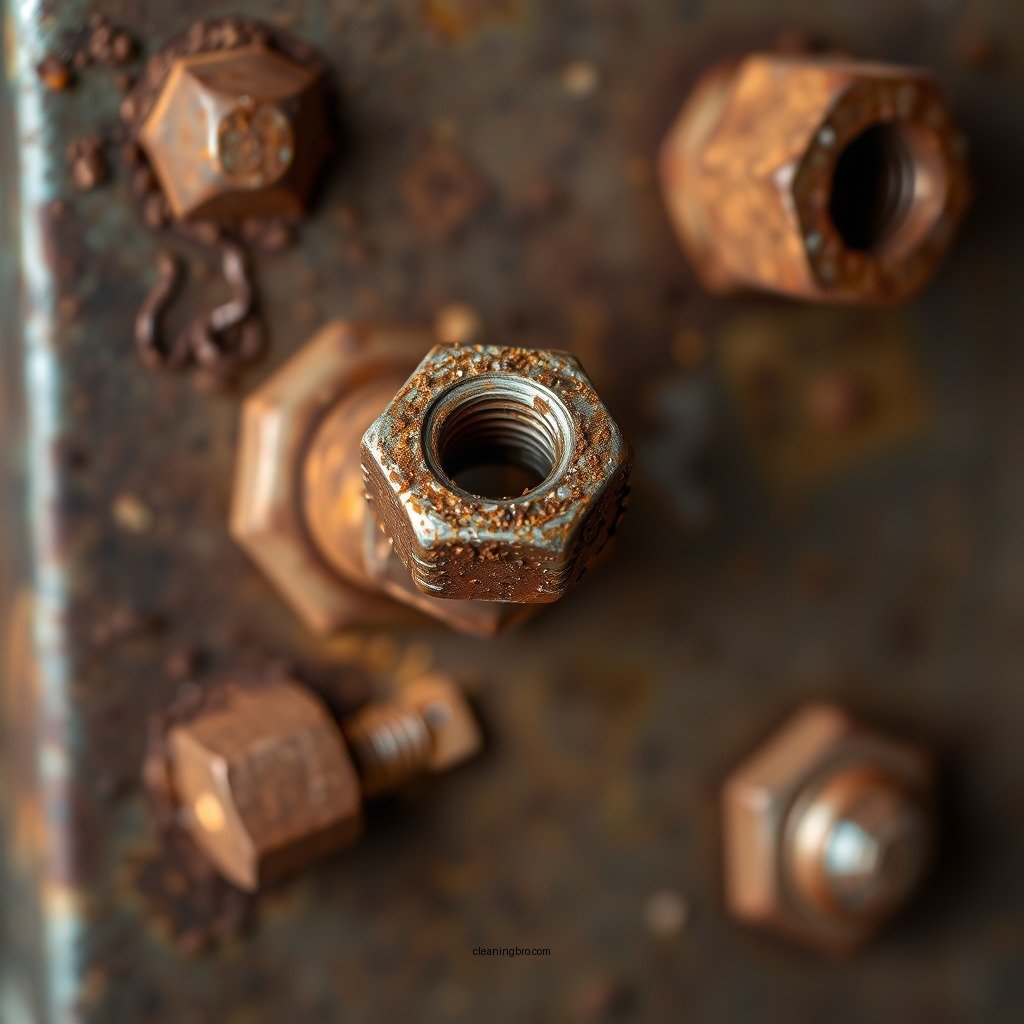
Rust is the result of oxidation that occurs when metal is exposed to moisture and oxygen. This chemical reaction produces iron oxide, which is commonly recognized as rust. Over time, rust can significantly weaken the integrity of nuts and bolts, making them difficult to remove or use effectively. This degradation not only affects the appearance of the fasteners but can also lead to structural failures in applications where reliability is critical, such as in machinery or construction. Therefore, maintaining your nuts and bolts by preventing rust formation or removing it when it occurs is essential for ensuring the longevity and safety of your projects.
Method 1: Vinegar Soaking
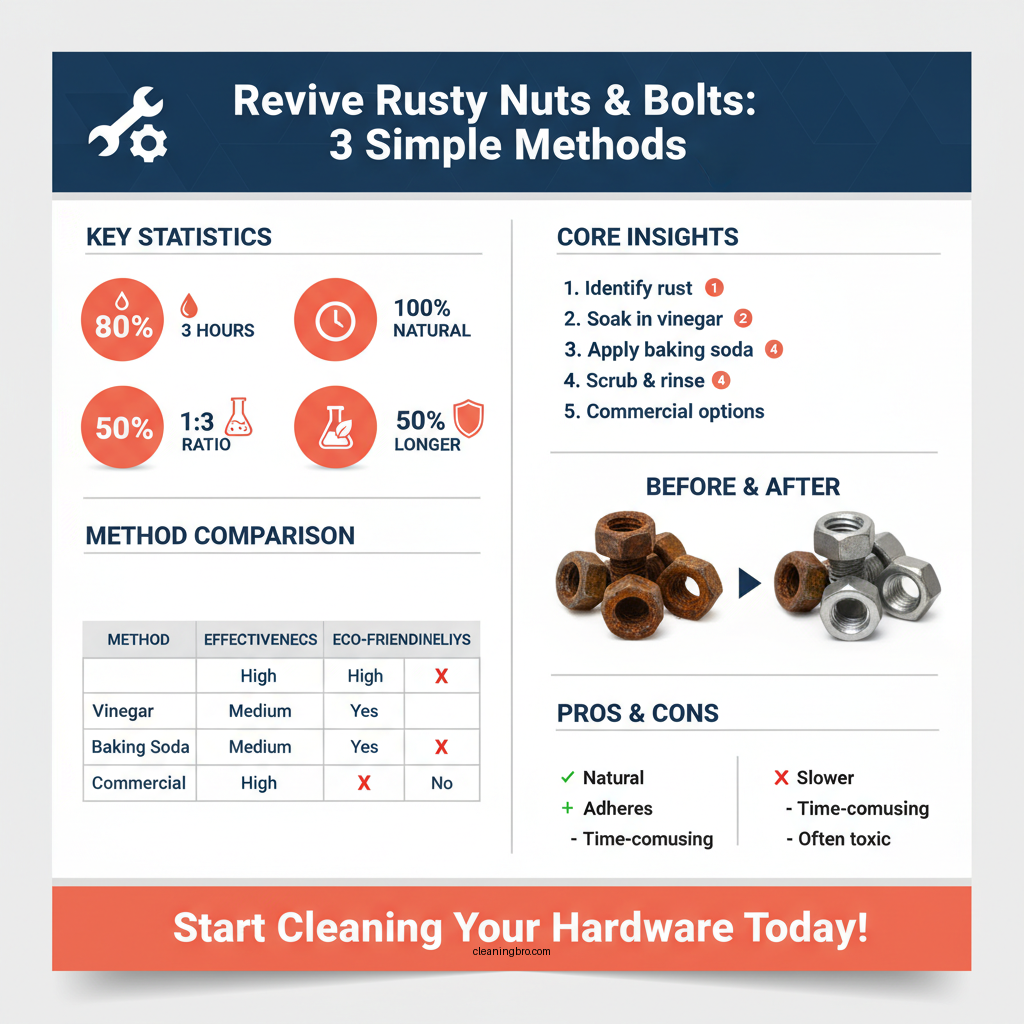

One of the most straightforward methods for cleaning rusty nuts and bolts is vinegar soaking. White vinegar, which contains acetic acid, is effective at dissolving rust. To utilize this method, simply submerge the rusty fasteners in a bowl of white vinegar and let them soak for several hours or overnight. After soaking, you’ll notice that the rust begins to loosen. For best results, scrub the nuts and bolts with a wire brush or steel wool to remove any remaining rust. Rinse with water and dry thoroughly to prevent further oxidation. This method is particularly beneficial for those who prefer a natural approach to rust removal, as vinegar is non-toxic and environmentally friendly.
Method 2: Baking Soda Paste
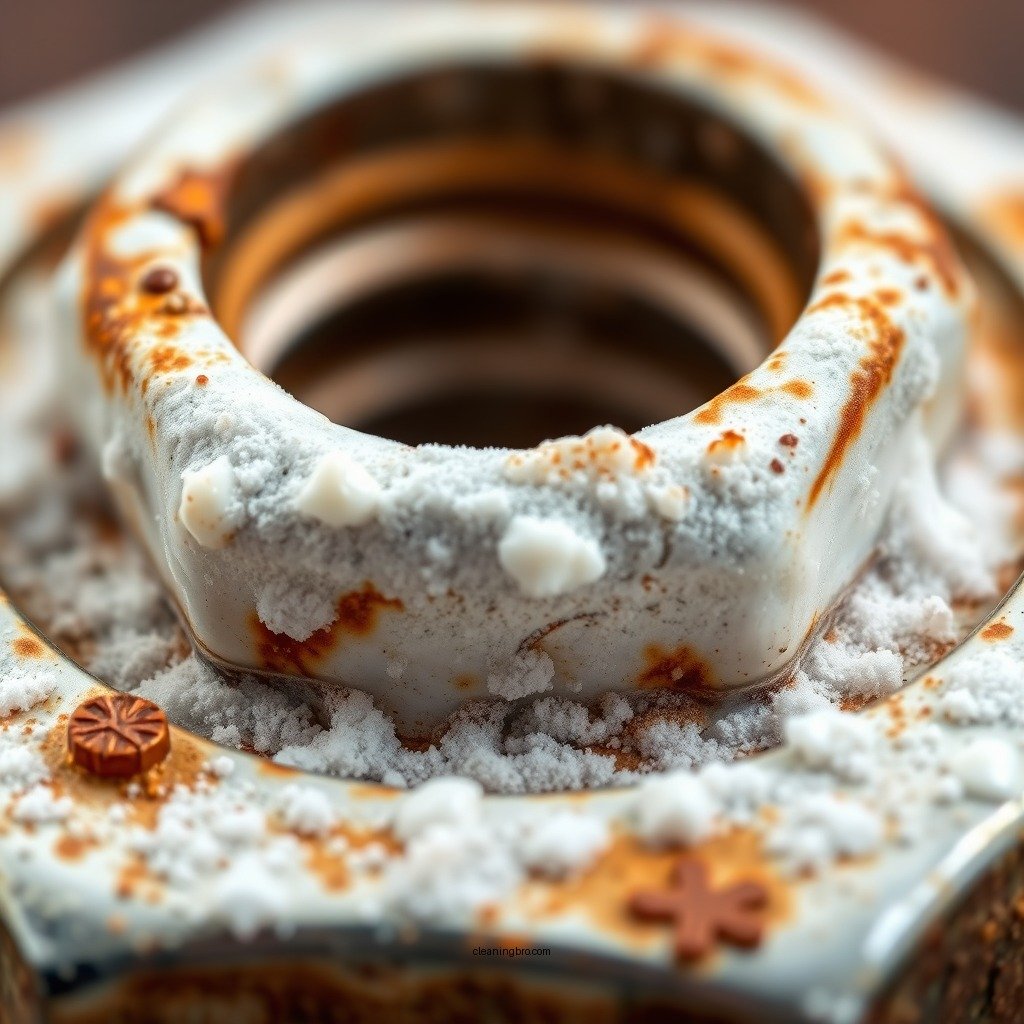
Baking soda is another effective and readily available rust remover. To create a baking soda paste, mix three parts baking soda with one part water until it forms a thick consistency. Apply this paste generously to the rusted areas of the nuts and bolts, ensuring full coverage. Allow the paste to sit for a couple of hours; this duration allows the alkaline properties of baking soda to interact with the rust. After the waiting period, scrub off the paste with a brush or cloth to reveal clean metal underneath. Rinse with water and dry completely. This method is particularly useful for smaller items or intricate fasteners, as the paste can adhere well to various shapes.
Method 3: Using Commercial Rust Removers
For those who prefer a more aggressive approach, commercial rust removers are widely available and designed specifically to tackle rust. These products often contain stronger acids or chemical formulations that can quickly dissolve rust. When using a commercial rust remover, it is crucial to follow the manufacturer’s instructions closely for the best results. Additionally, ensure you take the necessary safety precautions, such as wearing gloves and goggles, and working in a well-ventilated area. Commercial rust removers can be particularly effective for heavily rusted items that require more than just a simple soaking or scrubbing.
Method 4: Mechanical Cleaning
Mechanical cleaning methods involve the use of physical tools to remove rust. This can include using a wire brush, drill attachments, or sandpaper. Mechanical cleaning is effective for stubborn rust that may not respond well to chemical methods. To use this approach, secure the nuts and bolts firmly to prevent movement and utilize a wire brush or drill attachment to scrub away rust and debris. Sandpaper can also be effective for smoothing out rough surfaces after rust removal. While this method is efficient, it requires caution to avoid damaging the underlying metal. Always inspect the fasteners for any signs of structural weakness post-cleaning.
Top 7 Methods for Cleaning Rusty Nuts and Bolts
| # | Method | Effectiveness | Time Required | Cost |
|---|---|---|---|---|
| 1 | Vinegar Soaking | High | Overnight | Low |
| 2 | Baking Soda Paste | Moderate | 2 hours | Very Low |
| 3 | Commercial Rust Removers | Very High | 15-30 minutes | Moderate |
| 4 | Mechanical Cleaning | High | Varies | Low |
| 5 | Electrolytic Rust Removal | Very High | 2-4 hours | High |
| 6 | Oxalic Acid Treatment | High | 1 hour | Moderate |
| 7 | Rust Converter Application | Moderate | 30 minutes | Moderate |
Preventing Future Rust
Preventing future rust on nuts and bolts is just as important as cleaning them. To minimize moisture exposure, store your nuts and bolts in a dry environment. Ideally, keep them in a sealed container or toolbox that is away from humidity and direct water exposure. Another effective prevention method is to apply a protective coating. This could be a light layer of machine oil, a rust inhibitor, or an anti-corrosion spray. These coatings create a barrier between the metal and the environment, significantly reducing the likelihood of oxidation. Regularly check your stored hardware for any signs of rust, and address any issues promptly to maintain their usability.
Reassembling and Testing
After you’ve successfully cleaned your nuts and bolts, it’s essential to inspect them thoroughly. Look for any signs of remaining rust or damage that could compromise their performance. Once satisfied with their condition, reassemble the components as needed and conduct a functional test to ensure everything operates correctly. This step is crucial, especially in applications where safety and reliability are paramount, such as in automotive or machinery repairs. If adjustments are necessary, make them before finalizing your project to ensure optimal performance.
Cleaning rusty nuts and bolts is straightforward with the right methods at your disposal. Whether you opt for natural solutions like vinegar and baking soda or more mechanical approaches, you can restore your hardware effectively. Follow these steps and keep your nuts and bolts in excellent condition for all your future projects! By implementing preventive measures, you can further extend the lifespan of your fasteners, ensuring they remain functional and reliable for years to come.
Frequently Asked Questions
What are the best methods to clean rusty nuts and bolts?
The best methods to clean rusty nuts and bolts include using vinegar, baking soda, or commercial rust removers. Soaking the rusty items in white vinegar for several hours can effectively dissolve rust due to its acetic acid content. Alternatively, you can create a paste with baking soda and water, apply it to the rusted areas, and scrub it off after letting it sit.
How long should I soak rusty nuts and bolts in vinegar for optimal results?
For optimal results, you should soak rusty nuts and bolts in vinegar for at least 24 hours. The longer they soak, the more effective the vinegar will be at breaking down the rust. After soaking, scrub the bolts with a brush to remove any remaining rust and rinse them thoroughly with water.
Why do nuts and bolts get rusty, and how can I prevent it?
Nuts and bolts get rusty due to moisture, exposure to air, and lack of protective coatings. To prevent rust, you can apply anti-corrosion sprays, store them in a dry place, and use stainless steel or galvanized fasteners that are less prone to rusting. Regular maintenance and checking for moisture can also help.
Which tools are essential for cleaning rusty nuts and bolts effectively?
Essential tools for cleaning rusty nuts and bolts include wire brushes, sandpaper, and rust removal solutions. A wire brush can help scrub off loose rust, while sandpaper can smooth out any rough surfaces. Additionally, using a rust-removing solution will enhance the cleaning process and leave the bolts ready for reuse.
What safety precautions should I take when cleaning rusty nuts and bolts?
When cleaning rusty nuts and bolts, wear safety goggles and gloves to protect your eyes and skin from rust particles and cleaning solutions. Ensure you work in a well-ventilated area, especially if using chemical rust removers, to avoid inhaling fumes. Always follow the manufacturer’s instructions for any products used to ensure safe handling.
References
- Rust
https://en.wikipedia.org/wiki/Rust - https://www.sciencedirect.com/topics/materials-science/rust
https://www.sciencedirect.com/topics/materials-science/rust - Rust | Description, Causes, & Life Cycle | Britannica
https://www.britannica.com/science/rust - https://pubmed.ncbi.nlm.nih.gov/30770293/
https://pubmed.ncbi.nlm.nih.gov/30770293/ - https://www.nature.com/articles/s41598-019-39728-5
https://www.nature.com/articles/s41598-019-39728-5 - https://www.cdc.gov/niosh/topics/rust.html
https://www.cdc.gov/niosh/topics/rust.html - Google Scholar Google Scholar
https://scholar.google.com/scholar?q=cleaning+rusty+nuts+and+bolts - Google Scholar Google Scholar
https://scholar.google.com/scholar?q=rust+removal+methods - Google Scholar Google Scholar
https://scholar.google.com/scholar?q=rust+prevention+and+cleaning+techniques - https://www.nytimes.com/2020/05/14/style/how-to-remove-rust-from-tools.html
https://www.nytimes.com/2020/05/14/style/how-to-remove-rust-from-tools.html