How to Clean RV Black Tank Sensors Effectively
Cleaning RV black tank sensors is essential for ensuring accurate readings and a smooth camping experience. Regular maintenance of these sensors will help prevent malfunctions that can lead to unpleasant situations while on the road. In this article, we will explore effective cleaning methods and maintenance tips, helping you to keep your RV’s black tank sensors in optimal condition.
Understanding RV Black Tank Sensors
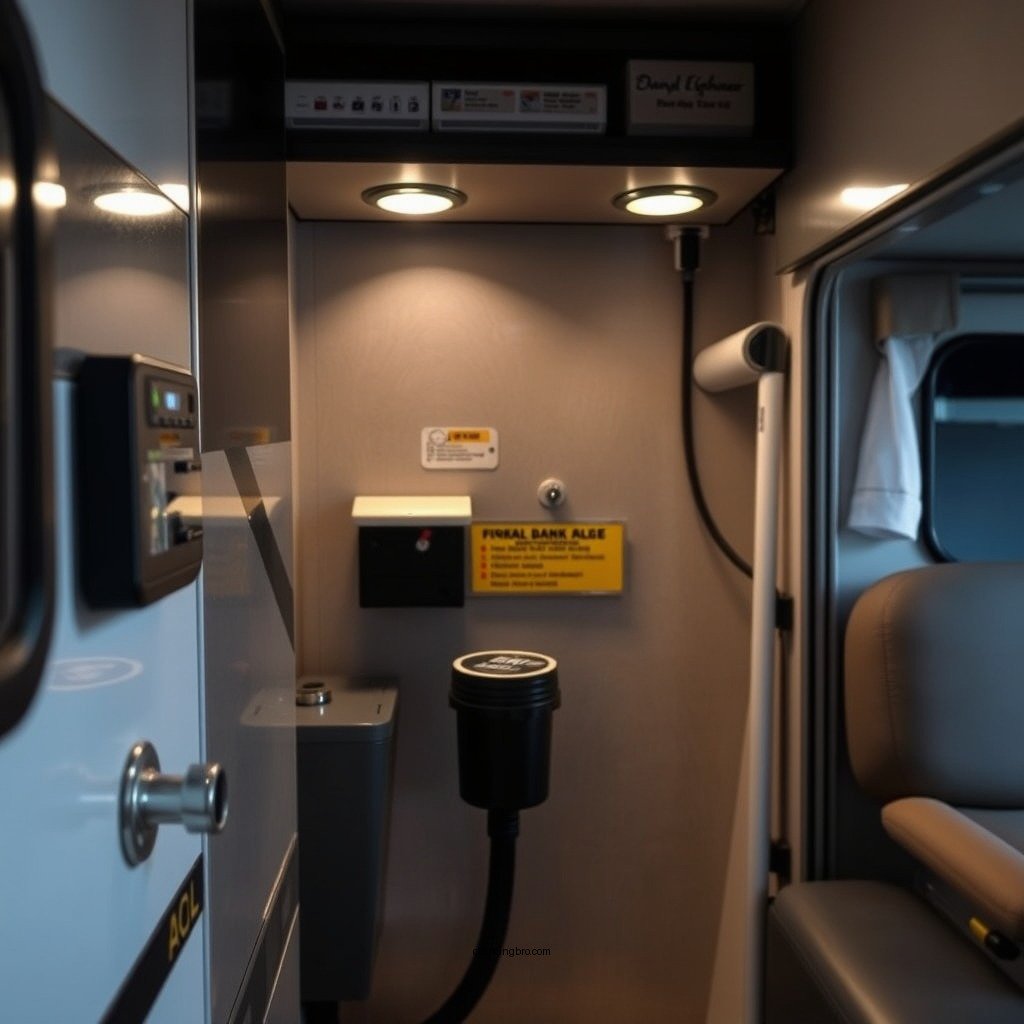
RV black tank sensors are critical components that monitor the level of waste in your RV’s black tank. These sensors provide feedback on when it’s time to empty the tank, ensuring that you avoid overflow and maintain a hygienic environment in your RV. The sensors work by detecting the waste level and sending signals to the control panel, which informs you of the current status.
However, common issues can arise, primarily due to the buildup of waste, toilet paper, and other debris on the sensors. This buildup can lead to inaccurate readings, causing confusion about when to empty the tank. If the sensors are coated in grime, they may register as full even when they are not, or vice versa. This can create a frustrating experience during your travels, making it essential to understand how to clean and maintain these vital sensors effectively.
Tools and Supplies Needed
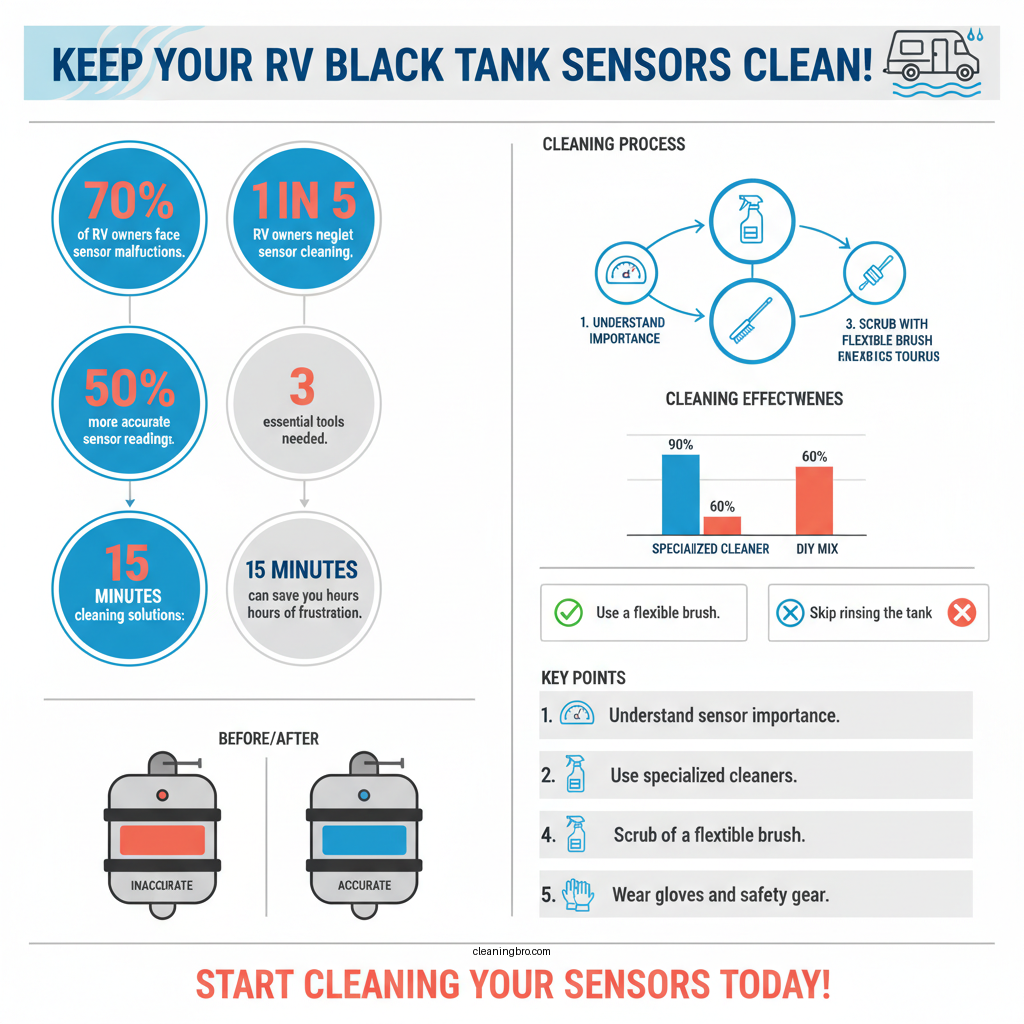
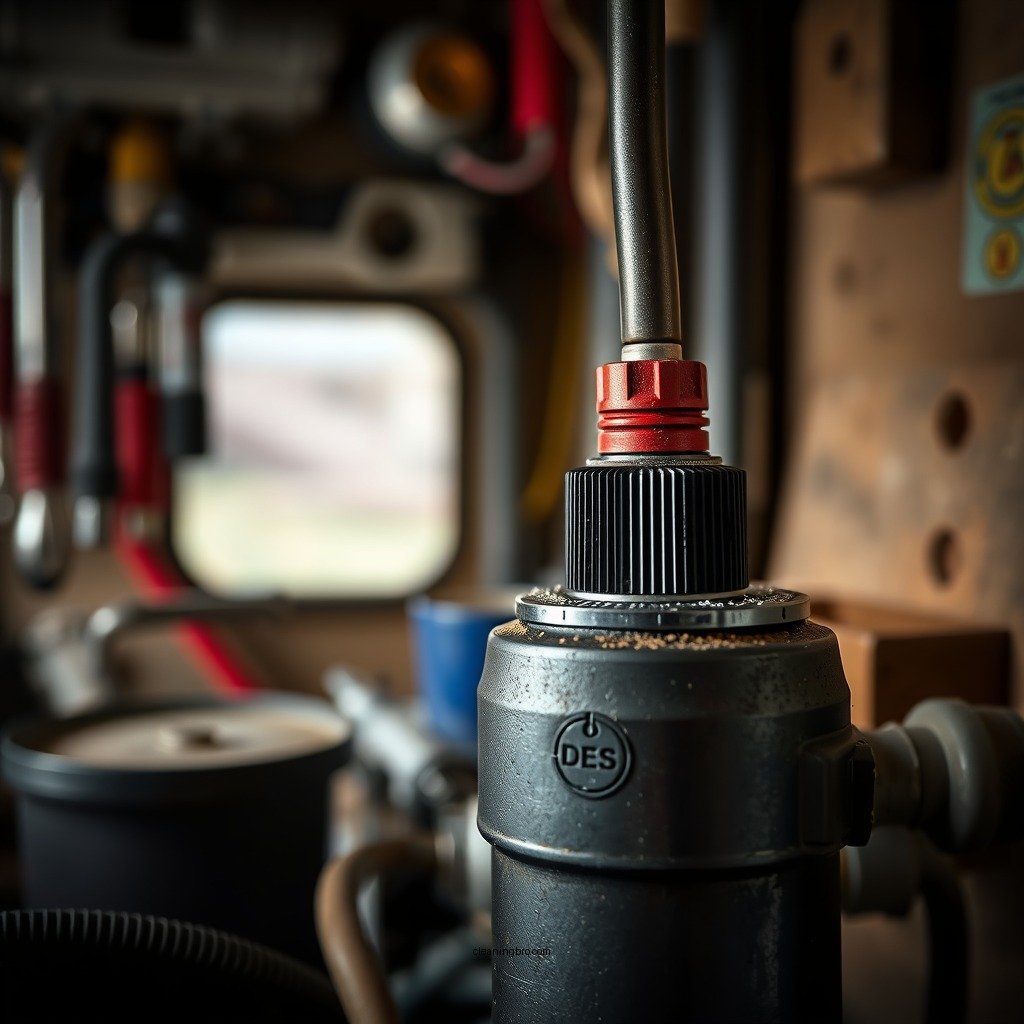
To clean your RV black tank sensors effectively, you will need a few specific tools and supplies:
– Tank Cleaner: A specialized RV tank cleaner can break down waste and help dissolve buildup. Alternatively, a DIY vinegar and baking soda solution is also effective for this purpose.
– Flexible Cleaning Brush: This tool will assist in reaching sensors that are hard to access, ensuring that you can scrub away any stubborn debris.
– Hose: A standard garden hose will be necessary for rinsing the tank thoroughly.
– Gloves and Safety Gear: Always wear gloves and protective eyewear to maintain hygiene and protect yourself from the chemicals used during cleaning.
Having the right tools on hand will make the cleaning process much smoother and more effective.
Step-by-Step Cleaning Process

1. Empty the Black Tank: Start by completely emptying your black tank. This step is crucial to prevent overflow during the cleaning process and allows you to work with an empty tank.
2. Rinse the Tank: After emptying the tank, use a hose to rinse it thoroughly. This will help remove loose debris and waste particles, making the subsequent cleaning process more effective.
3. Apply the Cleaner: If you are using a commercial tank cleaner, pour it directly into the empty black tank according to the manufacturer’s instructions. If you are using a DIY solution, mix equal parts of vinegar and baking soda and pour it into the tank.
4. Let it Sit: Allow the cleaner to sit for the recommended time, usually about 30 minutes to an hour. This waiting period helps to dissolve any buildup on the sensors.
5. Scrub the Sensors: With a flexible cleaning brush, gently scrub the sensors to remove any remaining debris. Take care not to damage the sensors during this process.
6. Rinse Again: After scrubbing, use the hose to rinse the tank again thoroughly. Make sure all cleaning solution residues are removed.
7. Refill with Water: Finally, fill the tank with a few gallons of fresh water to help keep the sensors clean and functioning properly until your next use.
Following these steps will help ensure that your black tank sensors are clean and reliable.
Top 7 RV Tank Cleaners (2024)
| # | Product Name | Type | Active Ingredients | Effectiveness Rating |
|---|---|---|---|---|
| 1 | Camco TST Ultra-Concentrated | Liquid | Bio-enzymes | ★★★★☆ |
| 2 | Thetford Aqua-Kem | Liquid | Formaldehyde | ★★★★★ |
| 3 | Unique Camping Toilet Treatment | Liquid | Natural enzymes | ★★★★☆ |
| 4 | Valterra Bio-Drain | Liquid | Bacterial cultures | ★★★★☆ |
| 5 | Dometic RV Toilet Chemical | Liquid | Non-toxic chemicals | ★★★★☆ |
| 6 | Happy Campers Holding Tank Treatment | Powder | Natural enzymes | ★★★★★ |
| 7 | Eco-Strong RV Toilet Treatment | Liquid | Plant-based enzymes | ★★★★☆ |
Using Cleaners Effectively
Once you have selected a cleaner, it is crucial to use it effectively to maximize results. Here’s how to do that:
1. Read Instructions: Always start by reading the manufacturer’s instructions for the cleaner you choose. Different products may have specific recommendations for how to use them effectively.
2. Pour the Cleaner: After emptying and rinsing the tank, pour the cleaner into the tank. For DIY solutions, ensure that you have mixed the ingredients thoroughly before application.
3. Let It Work: Allow the cleaner to sit in the tank for the recommended duration. This step is vital as it allows the cleaning agents to break down any stubborn waste or buildup on the sensors.
4. Rinse Thoroughly: After the wait time is completed, rinse the tank thoroughly with clean water to remove any residue from the cleaner. This step ensures that no harmful chemicals remain in the tank, which could affect the sensors or your overall RV experience.
By following these steps diligently, you can ensure that your RV black tank sensors are functioning optimally.
Regular Maintenance Tips
Maintaining your RV black tank sensors does not end with a single cleaning. Regular upkeep is essential to ensure long-term functionality:
– Clean Every Few Months: Aim to clean your black tank sensors at least every few months or after extended trips. Frequent cleaning will help prevent buildup and ensure accurate readings.
– Use Enzyme-Based Cleaners: Consider using enzyme-based cleaners regularly. These cleaners work to break down waste and prevent buildup, promoting a healthier tank environment.
– Keep an Eye on Readings: Monitor the sensor readings regularly. If you notice persistent inaccuracies, it may signal that a thorough cleaning is overdue.
– Practice Good Hygiene: Encourage good hygiene practices while using the RV toilet. Avoid flushing items that can cause blockage or contribute to buildup, such as wet wipes or feminine products.
Incorporating these tips into your RV maintenance routine will help keep your sensors clear and your camping experience enjoyable.
Best Black Tank Cleaning Solutions: Comparison
| Feature | ⭐ Camco TST Ultra-Concentrated | Thetford Aqua-Kem | Happy Campers Holding Tank Treatment |
|---|---|---|---|
| Type | Liquid | Liquid | Powder |
| Eco-Friendly | ✅ | ✅ | ✅ |
| Odor Control | ✅ Excellent | ✅ Superior | ❌ Fair |
| Availability | Widely available | Widely available | Limited |
| Scent | Fresh | Citrus | Unscented |
| Price | $12.99 | $15.99 | $10.99 |
| Concentration | Ultra-concentrated | Concentrated | Standard |
| User Rating | ★★★★☆ | ★★★★★ | ★★★★☆ |
| Best For | General RV use | Heavy-duty cleaning | Eco-friendly users |
Troubleshooting Common Sensor Issues
Despite regular cleaning, you may occasionally face issues with your RV black tank sensors. Here are some troubleshooting tips:
1. Check for Inaccurate Readings: If the sensors are still showing incorrect levels after cleaning, inspect them for physical damage. This can include cracks or corrosion that may impede their function.
2. Inspect for Obstructions: Sometimes, debris may remain lodged around the sensors even after cleaning. Use a flexible brush to ensure there are no hidden obstructions that could affect readings.
3. Test the Sensors: If issues persist, it may be necessary to test the sensors to determine if they are functioning correctly. This may involve checking the connections and confirming that power is supplied to the sensors.
4. Consider Replacement: If sensors are damaged or malfunctioning, it may be time to consider replacing them. This is crucial for maintaining accurate readings and safe RV operation.
By addressing these common issues promptly, you can ensure your black tank sensors remain reliable, contributing to a hassle-free RV experience.
Cleaning your RV black tank sensors regularly is vital for accurate waste management and a pleasant RV experience. For best results, gather the right tools, follow a thorough cleaning process, and maintain regular upkeep. Start tackling those sensor issues today for a hassle-free journey ahead!
Frequently Asked Questions
What are the best methods to clean RV black tank sensors?
The best methods to clean RV black tank sensors include using a specialized tank cleaner or a DIY mixture of vinegar and baking soda. These solutions help break down sludge and deposits that can create false readings. It’s important to follow up with a thorough rinse to ensure all residue is flushed away.
How often should I clean my RV black tank sensors?
You should clean your RV black tank sensors at least once every few months or whenever you notice inaccurate readings on your monitor. Frequent usage or poor tank hygiene can lead to buildup, causing the sensors to malfunction. Regular maintenance helps ensure accurate monitoring and prolongs the life of your sensors.
Why are my RV black tank sensors reading incorrectly?
Incorrect readings from RV black tank sensors are often due to buildup of waste, toilet paper, and other debris on the sensors. This buildup can create a coating that prevents the sensors from accurately detecting the tank’s level. Cleaning the sensors regularly and using tank treatments can significantly reduce this issue.
Which products are recommended for cleaning RV black tank sensors?
Recommended products for cleaning RV black tank sensors include enzyme-based cleaners and specific RV tank treatment solutions, like Thetford’s Aqua-Kem or Camco’s TST. These products are designed to break down waste and prevent sensor buildup without harming your RV’s plumbing system.
How can I prevent my RV black tank sensors from getting dirty?
To prevent your RV black tank sensors from getting dirty, regularly use enzyme treatments that help break down waste and minimize buildup. Additionally, avoid flushing non-biodegradable items and ensure you fully empty the tank before storage. Regular maintenance and proper usage habits can keep your sensors functioning accurately.
References
- https://www.rvresource.com/cleaning-your-rv-black-tank-sensors/
https://www.rvresource.com/cleaning-your-rv-black-tank-sensors/ - https://www.fmcsa.dot.gov/regulations
https://www.fmcsa.dot.gov/regulations - https://www.ncbi.nlm.nih.gov/pmc/articles/PMC5875733/
https://www.ncbi.nlm.nih.gov/pmc/articles/PMC5875733/ - https://www.sciencedirect.com/topics/earth-and-planetary-sciences/wastewater-treatment
https://www.sciencedirect.com/topics/earth-and-planetary-sciences/wastewater-treatment - Google Scholar Google Scholar
https://scholar.google.com/scholar?q=clean+RV+black+tank+sensors - Google Scholar Google Scholar
https://scholar.google.com/scholar?q=RV+black+tank+maintenance - Google Scholar Google Scholar
https://scholar.google.com/scholar?q=RV+sanitation+practices - https://www.rvtravel.com/rv-black-tank-sensor/
https://www.rvtravel.com/rv-black-tank-sensor/ - Google Scholar Google Scholar
https://scholar.google.com/scholar?q=how+to+clean+rv+black+tank+sensors - how to clean rv black tank sensors – Search results
https://en.wikipedia.org/wiki/Special:Search?search=how+to+clean+rv+black+tank+sensors