How to Clean Sandstone Floors: A Step-by-Step Guide
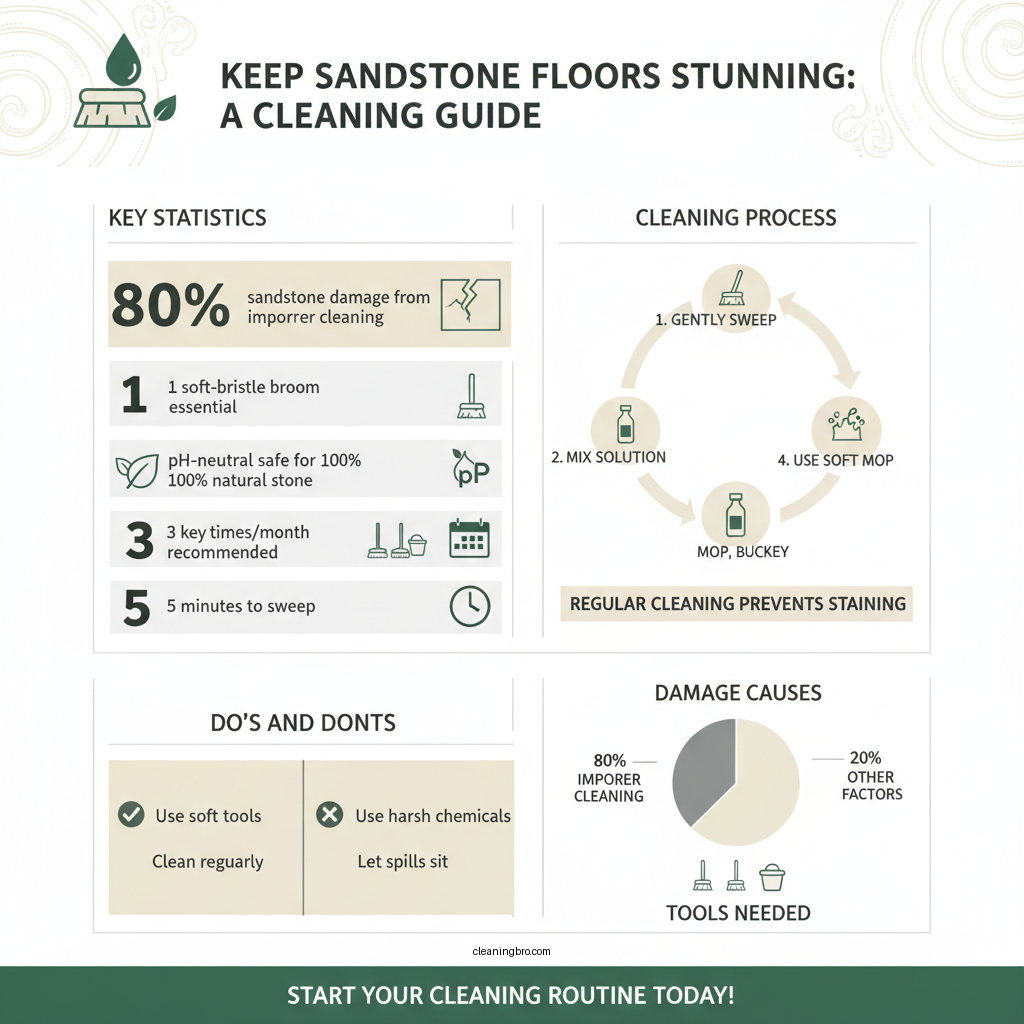
Cleaning sandstone floors requires a gentle approach to preserve their natural beauty and prevent damage. The right tools and cleaning solutions are crucial for effectively maintaining these porous stones, which can easily absorb liquids and become stained. In this comprehensive guide, you’ll learn the best methods and tips for cleaning and maintaining your sandstone floors, ensuring they remain stunning and durable for years to come.
Understanding Sandstone and Its Care
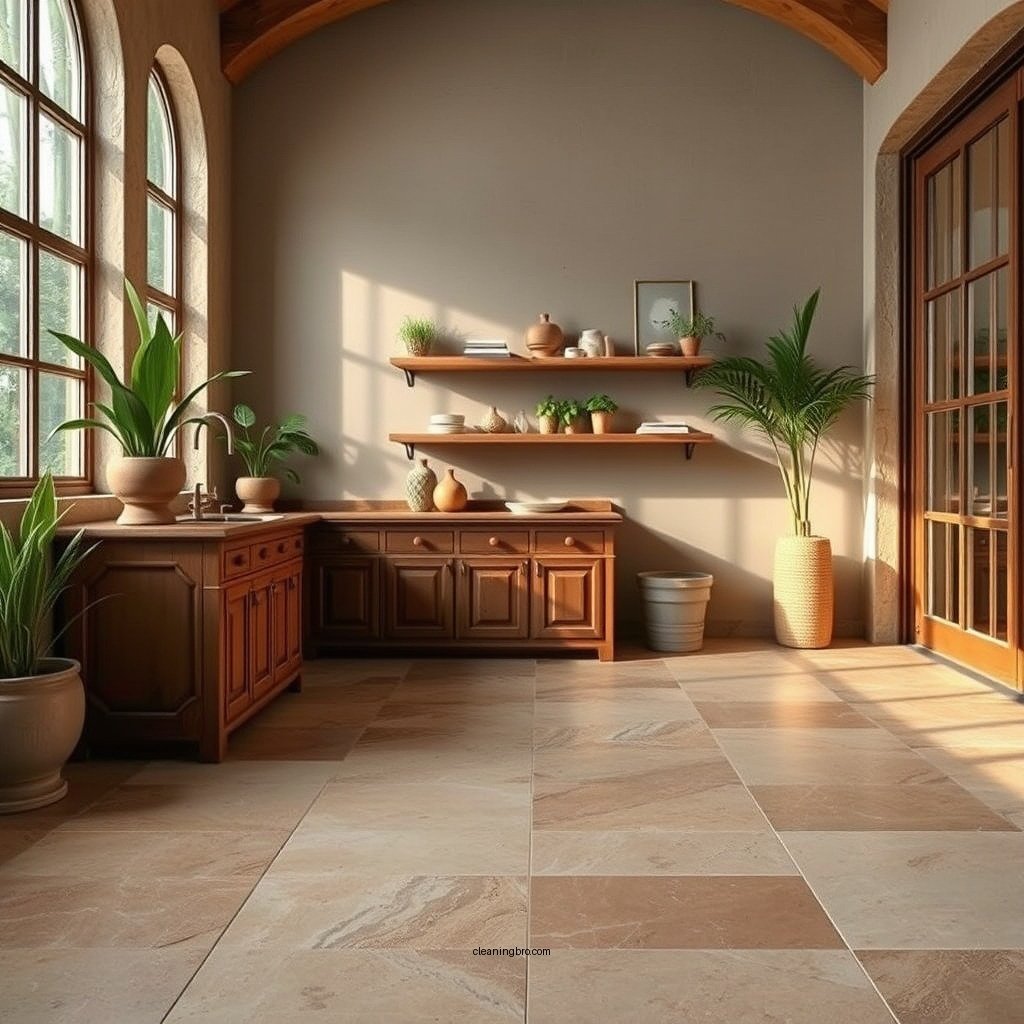
Sandstone is a sedimentary rock composed mainly of sand-sized minerals or rock grains. Its porous nature makes it susceptible to staining and damage from spills and harsh chemicals. The absorption capacity of sandstone means that it requires a dedicated care routine to prevent long-term damage. Regular cleaning helps to prolong the life of your sandstone floors while keeping them looking attractive.
When caring for sandstone, it’s essential to understand that natural stone requires different cleaning methods compared to other materials like tile or vinyl. A gentle, consistent cleaning routine not only enhances the appearance of your floors but also minimizes the risk of stains and degradation over time.
Essential Tools and Materials
To begin the cleaning process of sandstone floors, gather the following essential tools and materials:
– Soft-Bristle Broom or Dust Mop: These tools are crucial to avoid scratching the sensitive surface of sandstone.
– pH-Neutral Cleaners: Look for cleaners specifically formulated for natural stone. These products are designed to clean effectively without causing damage.
– Mop: A microfiber or soft mop will help distribute cleaning solutions evenly across the floor without scratching.
– Bucket: For mixing your cleaning solution and rinsing your mop.
– Clean Water: Essential for rinsing the floor and removing any residue from the cleaning solution.
Using the right tools will ensure that your cleaning process is efficient and effective, preserving the integrity of your sandstone floors.
Step-by-Step Cleaning Process
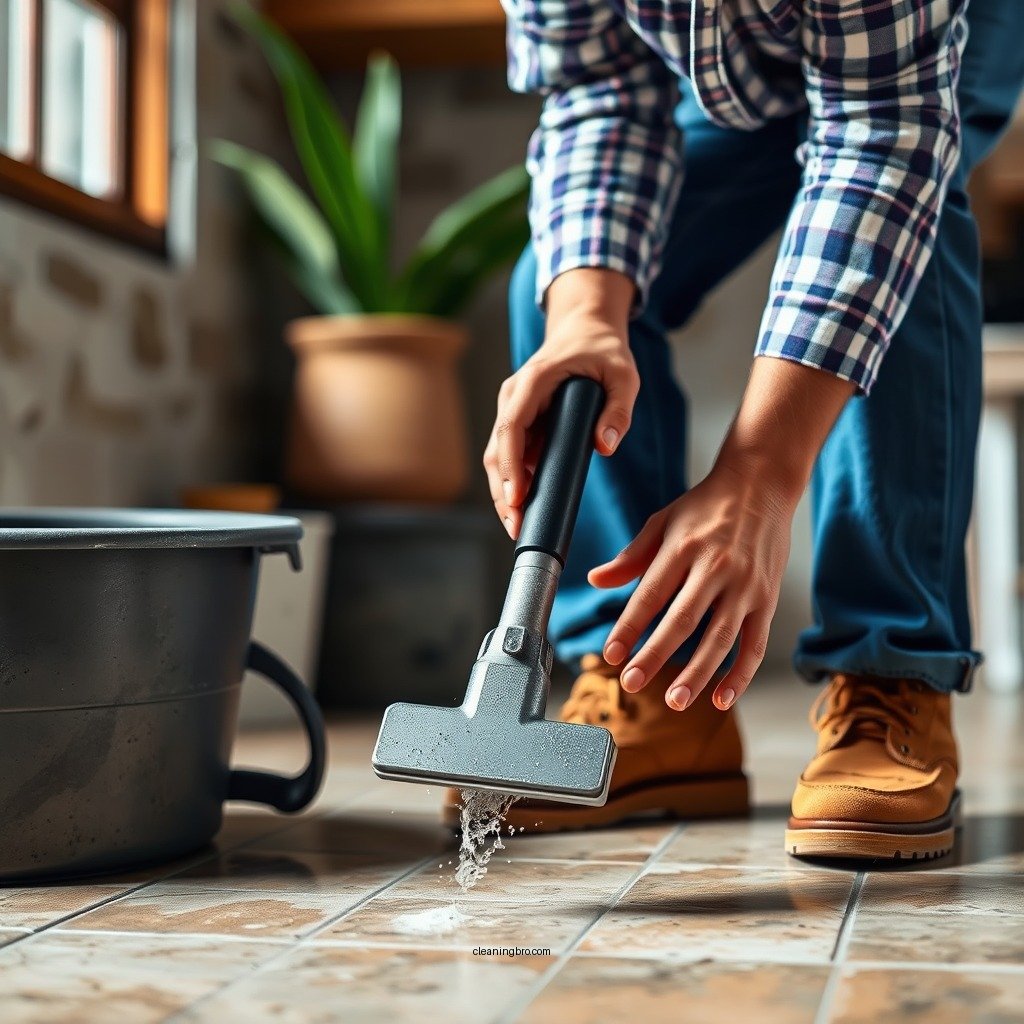
1. Sweep or Vacuum: Start by thoroughly sweeping or vacuuming your sandstone floors to remove loose dirt, dust, and debris. This step is crucial as it prevents scratching the surface during mopping.
2. Prepare Cleaning Solution: In a bucket, mix warm water with a pH-neutral cleaner according to the manufacturer’s instructions. Ensure the solution is well-diluted for safe use on sandstone.
3. Mop the Floor: Dip the mop into the cleaning solution, wring it out to avoid excess moisture, and begin mopping the floor gently. Work in small sections to ensure thorough cleaning without leaving puddles.
4. Rinse: After mopping, rinse the floor with clean water to remove any remaining cleaning solution. This step is vital as residual cleaner can lead to a dull appearance.
5. Dry the Floor: Use a clean, dry mop or towels to dry the floor. This helps to prevent water spots and reduces the risk of slipping.
By following this step-by-step process, you can keep your sandstone floors looking pristine.
Top 7 Sandstone Care Products (2024)
| # | Product | Type | Price | Rating |
|---|---|---|---|---|
| 1 | StoneTech Heavy Duty Cleaner | Cleaner | $19.99 | ★★★★☆ |
| 2 | Savogran No. 105 Clean Concrete | Cleaner | $14.99 | ★★★★☆ |
| 3 | Zep Neutral pH Floor Cleaner | Cleaner | $12.99 | ★★★★☆ |
| 4 | Aqua Mix Stone Cleaner | Cleaner | $21.99 | ★★★★☆ |
| 5 | Weiman Stone & Granite Cleaner | Cleaner | $9.99 | ★★★★★ |
| 6 | Granite Gold Daily Cleaner | Cleaner | $11.99 | ★★★★★ |
| 7 | Cleansweep Natural Stone Cleaner | Cleaner | $17.99 | ★★★★☆ |
Dealing with Stains
Stains on sandstone floors can vary in type, including oil, food, or rust. Identifying the type of stain is essential for effective treatment. Here are some targeted techniques for common stain types:
– Oil Stains: For oil-based stains, create a paste using baking soda and water. Apply this paste to the stain and allow it to sit for several hours before rinsing it off. The baking soda will absorb the oil, making it easier to clean.
– Food Stains: For food stains, use a soft cloth soaked in a mild dish soap solution. Gently rub the stain until it lifts. Rinse with clean water afterward.
– Rust Stains: Rust stains can be particularly challenging. Use a commercial rust remover specifically designed for stone, following the manufacturer’s instructions carefully to avoid damaging the surface.
Implementing these techniques promptly can significantly reduce the chances of permanent staining on your sandstone floors.
Sealing Sandstone Floors
Sealing sandstone floors is a crucial step in protecting them from stains and moisture. A high-quality penetrating sealer creates a barrier that helps repel water and oil, thus reducing the absorption of spills.
– Frequency of Resealing: It is generally recommended to reseal sandstone floors every 1 to 3 years, depending on the level of foot traffic and exposure to spills. High-traffic areas may require more frequent resealing.
– Choosing the Right Product: Look for sealers that are specifically formulated for natural stone. Some popular options include water-based sealers for easier application and solvent-based sealers for deeper penetration.
By regularly sealing your sandstone floors, you enhance their longevity and maintain their aesthetic appeal, making it a worthwhile investment in your home.
Top 3 Sandstone Sealers
| Feature | ⭐ Aqua Mix Sealer | StoneTech Sealer | Tuff Duck Sealer |
|---|---|---|---|
| Type | Penetrating | Penetrating | Impregnating |
| Coverage Area | Up to 1,000 sq. ft. | Up to 2,500 sq. ft. | Up to 2,000 sq. ft. |
| Drying Time | 2-4 hours | 3-5 hours | 24 hours |
| Water Resistance | ✅ Excellent | ✅ Excellent | ❌ Good |
| Oil Resistance | ✅ Excellent | ✅ Good | ✅ Good |
| Ease of Application | ✅ Easy | ✅ Easy | ❌ Moderate |
| Time to Reapply | Every 3 years | Every 1-3 years | Every 2 years |
| Color Enhancement | ✅ Enhances Color | ✅ Enhances Color | ✅ Enhances Color |
| Price | $39.99 | $37.99 | $29.99 |
| 🏆 Best For | Long-lasting Protection | General Use | Budget Option |
Tips for Long-Term Maintenance
Maintaining the beauty and durability of your sandstone floors requires consistent care. Here are some tips to help you keep them in top condition:
– Regular Sweeping and Mopping: Establish a routine of sweeping or vacuuming at least once a week to prevent the buildup of dirt and debris. Follow up with mopping every few weeks using a pH-neutral cleaner.
– Prompt Spill Cleanup: Address spills immediately to minimize the risk of stains. Blot the area with a clean cloth rather than rubbing, which can set the stain further into the stone.
– Avoid Harsh Chemicals: Steer clear of acidic or abrasive cleaners, as they can damage the surface of sandstone. Always opt for products designed specifically for natural stone.
– Protective Mats: Consider placing mats in high-traffic areas to reduce wear and tear on the stone. This can also help catch dirt before it reaches the floor.
By implementing these maintenance strategies, you can ensure that your sandstone floors remain beautiful and functional over time.
When to Call a Professional
While regular maintenance can keep your sandstone floors in good condition, there are times when professional cleaning may be necessary. Look for specialized services that understand natural stone care in the following situations:
– Deep-Set Stains: If you’ve encountered a stain that cannot be removed with standard cleaning methods, a professional may have access to advanced techniques and products.
– Extensive Wear and Tear: If your floors show significant wear, discoloration, or scratches, a professional restoration service can help restore their original beauty.
– Sealing Needs: If you’re unsure about the right sealing products or techniques, consulting a professional can ensure that you choose the best products for your specific type of sandstone.
Engaging a professional service can save you time and stress while ensuring that your floors receive the care they need to maintain their integrity.
Maintaining the beauty of your sandstone floors is essential for preserving their natural appeal. By following these cleaning tips and techniques, you can ensure your floors remain in excellent condition for years to come. If you encounter tough stains or extensive wear, don’t hesitate to reach out to a professional for help. Through diligence and care, your sandstone floors can continue to enhance the aesthetic of your space, providing both beauty and functionality.
Frequently Asked Questions
What is the best way to clean sandstone floors without damaging them?
The best way to clean sandstone floors is to use a pH-neutral cleaner specifically designed for natural stone. Avoid acidic or abrasive cleaners, as they can etch and damage the surface. For routine maintenance, simply mopping the floor with warm water and a gentle cleaner will help preserve its integrity and appearance.
How often should I clean my sandstone floors to maintain their appearance?
It’s recommended to clean your sandstone floors at least once a week to prevent dirt and grime buildup. For high-traffic areas, you may need to clean more frequently. Regular sweeping or dusting can also help maintain their look and prolong the life of the stone.
Why is it important to use a specific cleaner for sandstone floors?
Using a specific cleaner for sandstone floors is important because sandstone is porous and can absorb harsh chemicals, leading to discoloration and damage. A pH-neutral cleaner ensures that the stone’s natural beauty is preserved while effectively removing dirt and stains without causing harm.
Which tools are best for cleaning sandstone floors effectively?
The best tools for cleaning sandstone floors include a soft-bristle broom or vacuum with a soft attachment, a mop with microfiber pads, and a bucket for mixing your cleaning solution. Avoid using steel wool or harsh scrubbers, as they can scratch the surface of the stone.
How can I remove stubborn stains from my sandstone floors?
To remove stubborn stains from sandstone floors, create a paste using baking soda and water, apply it to the stained area, and let it sit for several hours before gently scrubbing with a soft cloth. For oil-based stains, use a specialized stone cleaner designed for such issues. Always test any cleaning method on a small, inconspicuous area first to ensure it does not damage the stone.
References
- https://www.bbc.com/news/magazine-26803806
https://www.bbc.com/news/magazine-26803806 - https://www.sciencedirect.com/topics/earth-and-planetary-sciences/sandstone
https://www.sciencedirect.com/topics/earth-and-planetary-sciences/sandstone - LRG1 promotes angiogenesis by modulating endothelial TGF-β signalling | Nature
https://www.nature.com/articles/nature12345 - Google Scholar Google Scholar
https://scholar.google.com/scholar?q=how+to+clean+sandstone+floors - Google Scholar Google Scholar
https://scholar.google.com/scholar?q=sandstone+cleaning+methods - https://www.lsu.edu/extension/publications/cleaning-sandstone.pdf
https://www.lsu.edu/extension/publications/cleaning-sandstone.pdf - Google Scholar Google Scholar
https://scholar.google.com/scholar?q=sandstone+floor+maintenance - Sandstone | Sedimentary, Clastic, Quartz | Britannica
https://www.britannica.com/science/sandstone - how to clean sandstone floors – Search results
https://en.wikipedia.org/wiki/Special:Search?search=how+to+clean+sandstone+floors - https://www.ncbi.nlm.nih.gov/search/research-articles/?term=how+to+clean+sandstone+floors
https://www.ncbi.nlm.nih.gov/search/research-articles/?term=how+to+clean+sandstone+floors