How to Clean Sea Urchin: A Step-by-Step Guide
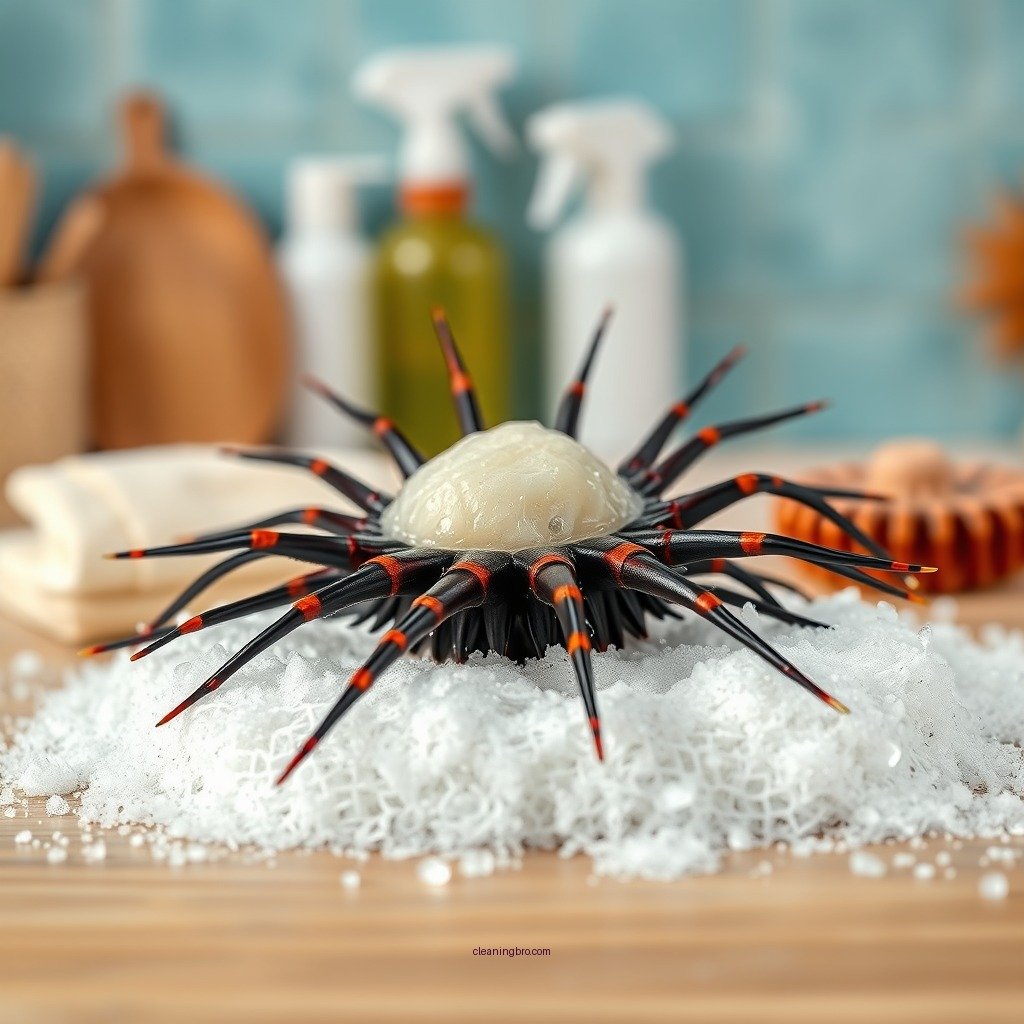
Cleaning a sea urchin is a straightforward process that allows you to enjoy its delicious roe. To clean a sea urchin, you’ll need a few tools, including scissors and a spoon, and follow a simple method that involves cutting and scooping out the edible parts. This guide will walk you through the steps to ensure you get the most out of your sea urchin, giving you the confidence to explore this unique delicacy.
Sea urchins are marine creatures known for their spiky exterior and succulent roe, often referred to as uni. With a growing popularity in gourmet and sushi cuisine, knowing how to properly clean a sea urchin can enhance your culinary repertoire. This guide will provide you with detailed, step-by-step instructions, ensuring you can enjoy the rich flavors of this seafood delicacy while minimizing waste.
Tools You Will Need
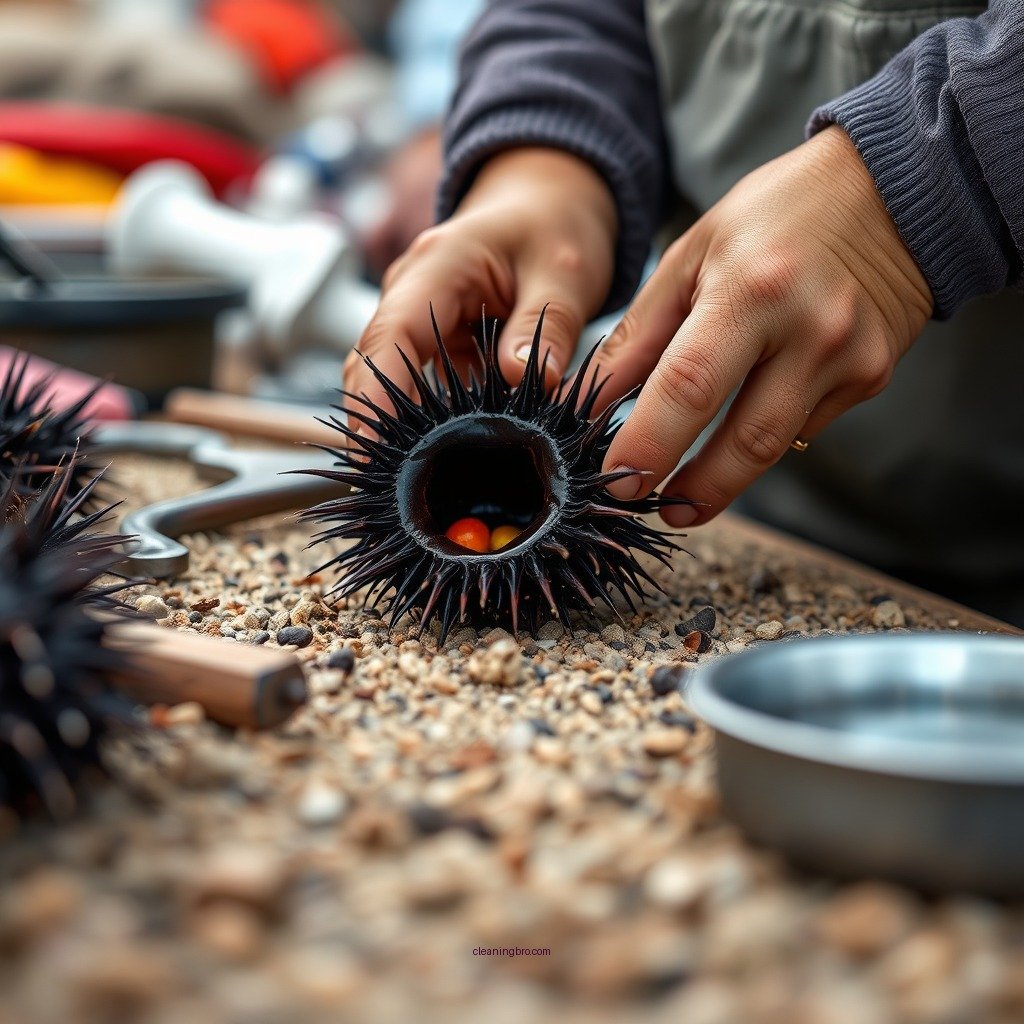
Before you begin the cleaning process, gather the necessary tools to ensure a smooth and efficient task:
– Scissors or a sharp knife: These will be used to cut the shell of the sea urchin.
– A spoon: A standard spoon will help you scoop out the delicate roe without damaging it.
– A bowl: This is essential for collecting the edible parts, ensuring you can easily access the roe after cleaning.
– A cutting board: Provides a stable surface to work on, preventing slips and accidents during the cleaning process.
Having these tools on hand will make the cleaning process much easier and more efficient.
Preparing the Sea Urchin
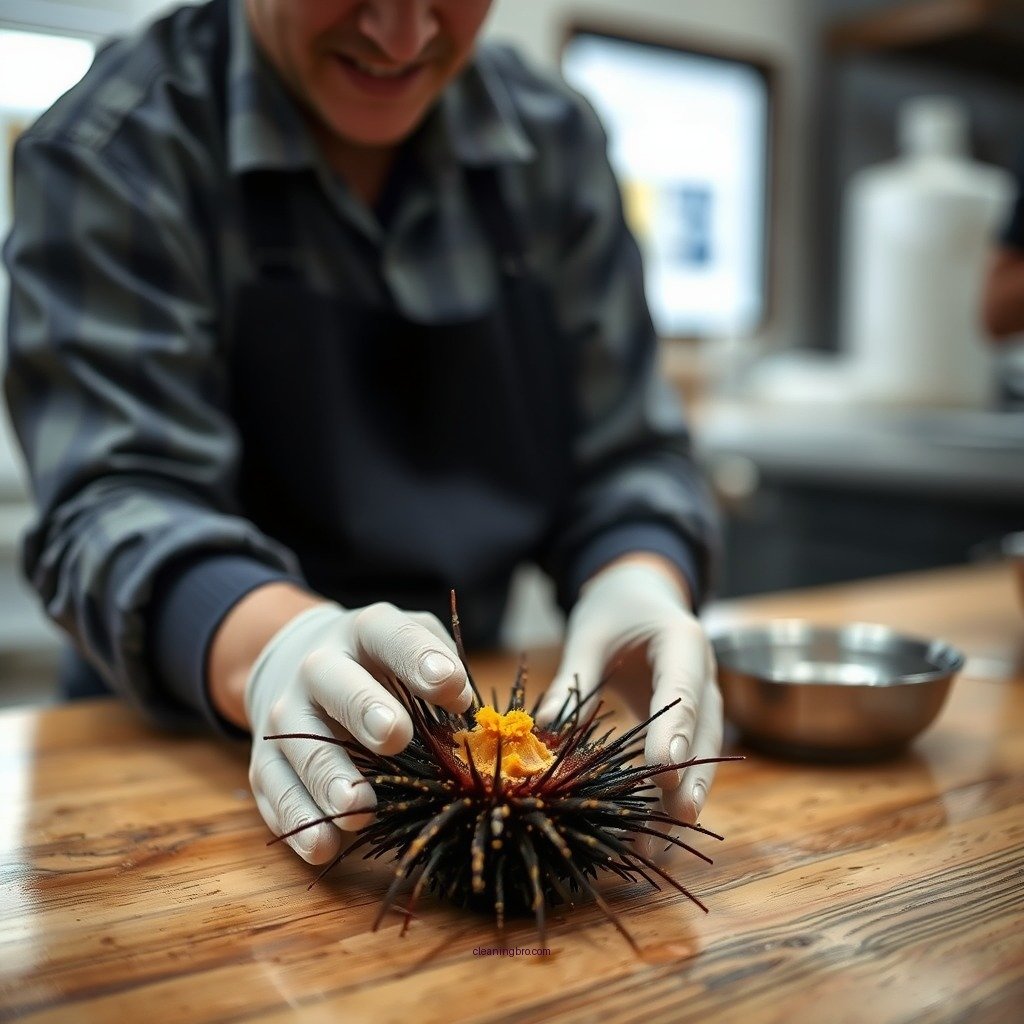
The preparation phase is crucial for ensuring that the cleaning process goes smoothly:
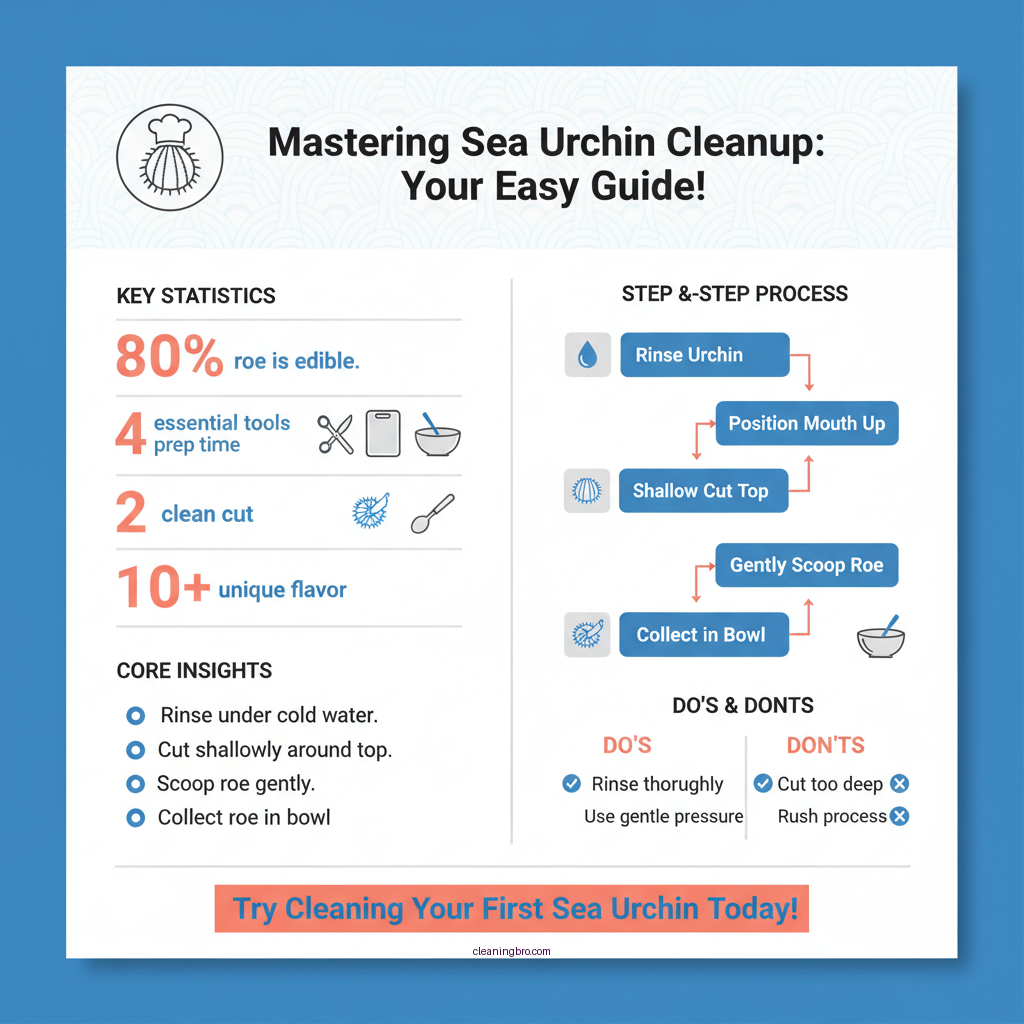
– Rinse the sea urchin under cold water: This step is vital for removing any sand, debris, or unwanted particles that may have accumulated on the exterior. A gentle rinse helps maintain the quality of the roe inside.
– Place the sea urchin on a cutting board: Position the sea urchin with its mouth facing up. The mouth is the softer spot on the top, indicating where you should begin your cutting.
Preparing the sea urchin properly sets the stage for the next steps, allowing for a more efficient cleaning process.
Cutting Open the Sea Urchin
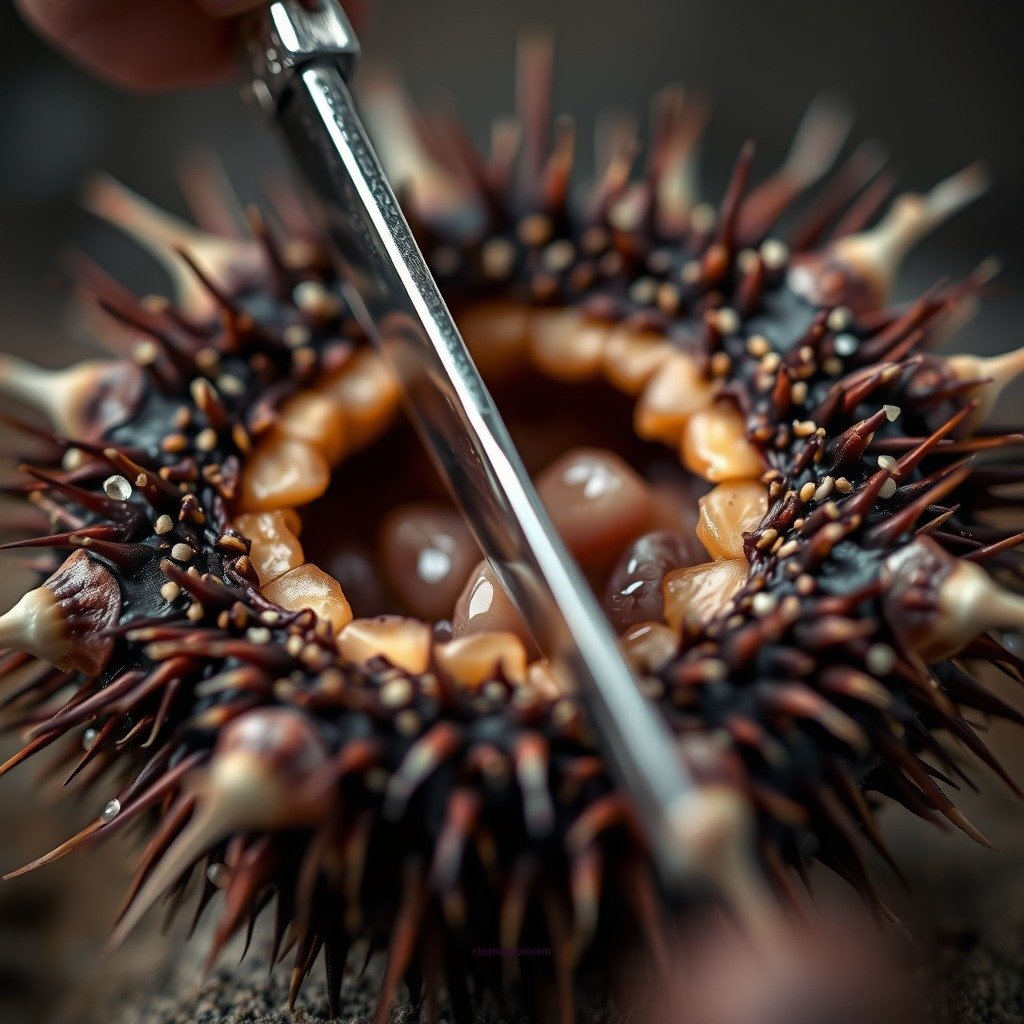
Now that the sea urchin is prepped, it’s time to access the roe:
– Use scissors or a knife to carefully cut around the top of the urchin: Create a lid by making a shallow cut around the top. Be cautious not to cut too deeply, as this could damage the roe inside. A clean cut will ensure you can easily remove the top shell later.
– Ensure to make the cut shallow enough to avoid damaging the inside: The goal is to access the inside without harming the delicate roe, which can be easily crushed.
A gentle approach during this step is crucial; rushing can lead to mistakes that waste the edible parts.
Scooping Out the Roe
With the top shell removed, you can now access the prized roe:
– Gently remove the top shell and set it aside: The top shell should come off easily if your cut was made correctly. Handle the shell with care, as it can be sharp.
– Use a spoon to scoop out the orange or yellow roe: Carefully scoop out the roe from the inside of the sea urchin. Take your time to avoid breaking apart the delicate roe, which can be quite fragile.
The roe is the most prized part of the sea urchin, and taking care during this step ensures you maximize the yield.
Cleaning the Inside
After extracting the roe, it’s important to clean the inside of the sea urchin:
– Rinse the inside of the shell with cold water: This removes any leftover bits of roe or debris, ensuring the shell is clean.
– Check for any unwanted material and discard it: Look for any remnants of the internal organs or other inedible parts. Discard these to ensure a clean final product.
Cleaning the inside thoroughly helps maintain the freshness of the roe and ensures safe consumption.
Storing Cleaned Sea Urchin
Once the sea urchin is cleaned, proper storage is essential:
– Place the cleaned roe in a bowl: Arrange the roe carefully, ensuring it doesn’t get squished.
– Cover it with a bit of sea water or ice: This keeps the roe fresh and maintains its texture. If using ice, ensure it doesn’t come into direct contact with the roe to avoid dilution.
– Store in the refrigerator: Consume the cleaned sea urchin roe within a day or two for the best flavor and quality.
Proper storage techniques are key to preserving the delicate flavors of the sea urchin roe.Cooking and Serving Options
Sea urchin roe is versatile and can be enjoyed in various culinary applications:
– Raw: Sea urchin roe is often enjoyed raw, either straight from the shell or atop sushi. Its creamy texture and briny flavor complement many dishes.
– Added to sushi: Incorporate the roe into sushi rolls, nigiri, or sashimi for a luxurious touch that elevates the dish.
– Used in pasta dishes: Create a gourmet pasta sauce using sea urchin roe for a rich, umami flavor that pairs beautifully with seafood.
Experimenting with different preparations will allow you to discover your favorite way to enjoy this unique delicacy.
Top 7 Sea Urchin Species by Culinary Value (2024)
| # | Species | Roe Color | Flavor Profile | Culinary Value |
|---|---|---|---|---|
| 1 | Strongylocentrotus droebachiensis | Bright Orange | Rich, Sweet | High |
| 2 | Paracentrotus lividus | Pale Yellow | Creamy, Umami | Medium |
| 3 | Strongylocentrotus purpuratus | Deep Yellow | Salty, Rich | High |
| 4 | Lytechinus variegatus | Bright Yellow | Mild, Sweet | Low |
| 5 | Centrostephanus rodgersii | Dark Orange | Savory, Oceanic | Medium |
| 6 | Echinometra lucunter | Pale Yellow | Light, Fresh | Low |
| 7 | Echinus esculentus | Dark Green | Rich, Briny | High |
Sea Urchin Species Comparison: Best for Culinary Use
| Feature | ⭐ Strongylocentrotus droebachiensis | Strongylocentrotus purpuratus | Paracentrotus lividus |
|---|---|---|---|
| Roe Color | Bright Orange | Deep Yellow | Pale Yellow |
| Flavor Profile | Rich, Sweet | Salty, Rich | Creamy, Umami |
| Culinary Value | High | High | Medium |
| Availability | Common | Common | Less Common |
| Harvesting Season | Winter/Spring | Winter/Spring | Year-round |
| Texture | Creamy | Buttery | Smooth |
| Price per Pound | $30 | $25 | $20 |
| Ideal Pairing | Sushi, Pasta | Sushi, Salad | Salad, Appetizers |
| Sustainability | Sustainable | Sustainable | Moderate |
| 🏆 Best For | Fine Dining & Sushi | Culinary Enthusiasts | Casual Cooking |
Cleaning sea urchins may seem intimidating, but with the right tools and steps, it can be a rewarding experience. By following this guide, you’ll be able to enjoy the unique taste of sea urchin roe in no time. Whether you’re preparing for a special dish or just curious about seafood, cleaning sea urchins is a skill worth mastering. The rich flavors and textures of this delicacy can elevate your culinary creations, making them truly unforgettable.
Frequently Asked Questions
What is the best method to clean a sea urchin?
The best method to clean a sea urchin involves using a sharp pair of scissors or a knife. First, place the sea urchin on a stable surface and carefully cut around the top, removing the spines if necessary. Once you open it, scoop out the edible gonads using a spoon, discarding any inedible parts.
How do I safely open a sea urchin without injuring myself?
To safely open a sea urchin, make sure to wear gloves to protect your hands from the sharp spines. Use a pair of sturdy scissors or a knife to cut a clean opening around the top, applying gentle pressure to avoid slipping. Always keep the urchin stable and secure while working to minimize accidents.
Why is it important to clean sea urchins immediately after catching them?
It’s important to clean sea urchins immediately after catching them to preserve their freshness and prevent spoilage. Sea urchins are highly perishable, and cleaning them right away helps maintain their flavor and texture, ensuring that you enjoy the best possible taste when consuming them.
Which tools are essential for cleaning sea urchins effectively?
Essential tools for cleaning sea urchins effectively include a sharp pair of scissors or a knife, a spoon for scooping out the edible parts, and gloves to protect your hands from spines. Additionally, having a bowl for holding the cleaned gonads can help keep your workspace organized during the cleaning process.
What should I do with the inedible parts after cleaning a sea urchin?
After cleaning a sea urchin, you should dispose of the inedible parts, such as the shell and any unwanted internal organs, in an environmentally-friendly manner. If possible, composting the organic waste can be a great option, as it helps reduce landfill waste while contributing to soil health.
References
- Sea urchin
https://en.wikipedia.org/wiki/Sea_urchin - https://www.sciencedirect.com/topics/agricultural-and-biological-sciences/sea-urchin
https://www.sciencedirect.com/topics/agricultural-and-biological-sciences/sea-urchin - https://www.ncbi.nlm.nih.gov/pmc/articles/PMC5740308/
https://www.ncbi.nlm.nih.gov/pmc/articles/PMC5740308/ - https://www.ncbi.nlm.nih.gov/pmc/articles/PMC6147511/
https://www.ncbi.nlm.nih.gov/pmc/articles/PMC6147511/ - https://www.britannica.com/animal/sea-urchin
https://www.britannica.com/animal/sea-urchin - https://www.ncbi.nlm.nih.gov/pmc/articles/PMC6376220/
https://www.ncbi.nlm.nih.gov/pmc/articles/PMC6376220/ - Google Search
https://www.google.com/search?q=how+to+clean+sea+urchin&hl=en - Google Search
https://www.google.com/search?q=cleaning+sea+urchin&hl=en - https://scholar.google.com/scholar?q=how+to+clean+sea+urchin Google Scholar
https://scholar.google.com/scholar?q=how+to+clean+sea+urchin - https://www.ncbi.nlm.nih.gov/books/NBK459395/
https://www.ncbi.nlm.nih.gov/books/NBK459395/