How to Clean Silicone Lubricant Off: Effective Techniques
Removing silicone lubricant requires specific techniques to ensure that surfaces are left clean and free of residue. Whether you’re dealing with silicone lubricant on your skin, fabrics, or hard surfaces, this guide will provide you with the most effective methods to achieve a thorough clean. By understanding the nature of silicone lubricants and utilizing the right cleaning strategies, you can successfully remove any unwanted remnants and maintain the integrity of your belongings.
Understanding Silicone Lubricant
Silicone lubricants are popular in various applications due to their long-lasting properties, resistance to water, and ability to reduce friction. These lubricants are often favored in the automotive, industrial, and personal care sectors for their ability to provide a smooth, slippery surface without breaking down over time. However, their oily texture can make them particularly challenging to clean, as they do not easily dissolve in water. This resistance can lead to stubborn stains and residue on skin, fabrics, and various surfaces, requiring specialized cleaning techniques to effectively remove them.
Cleaning Silicone Lubricant from Skin
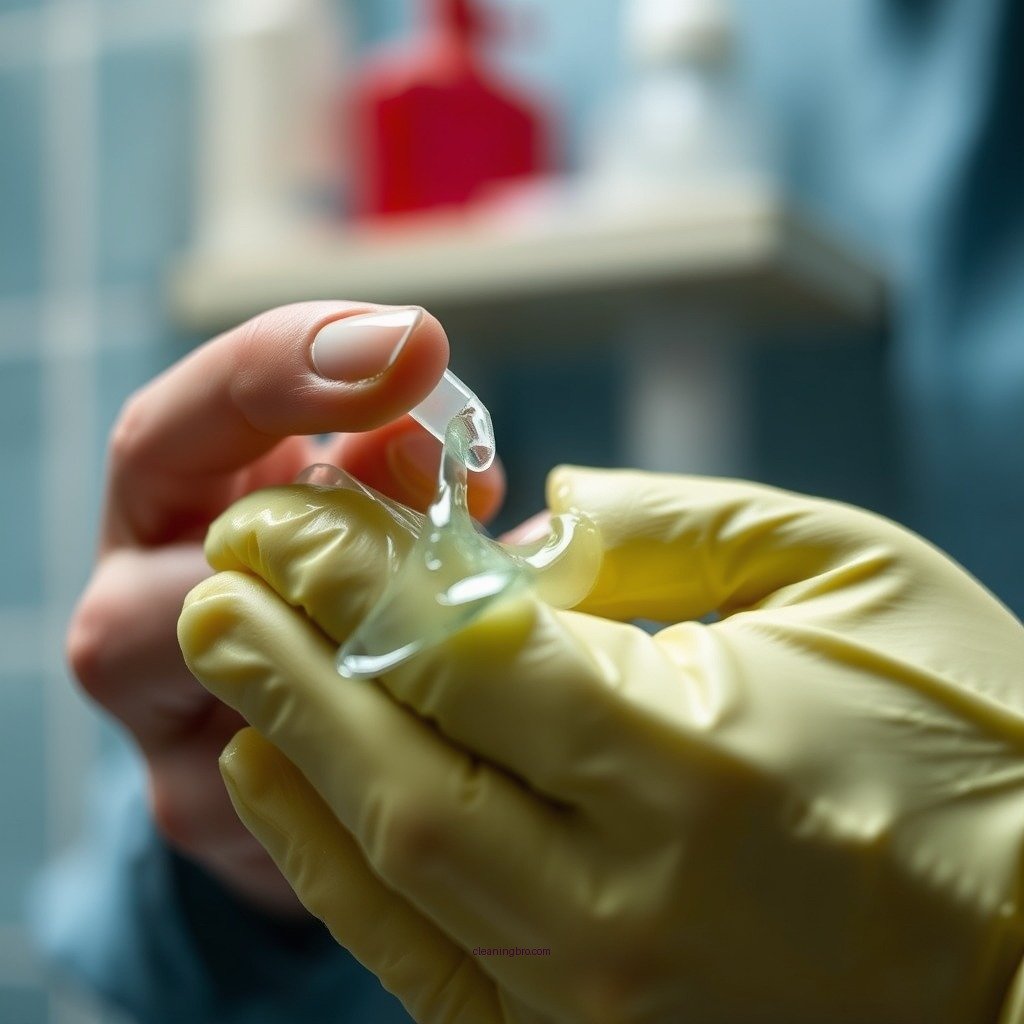
When it comes to removing silicone lubricant from the skin, the following methods are most effective:
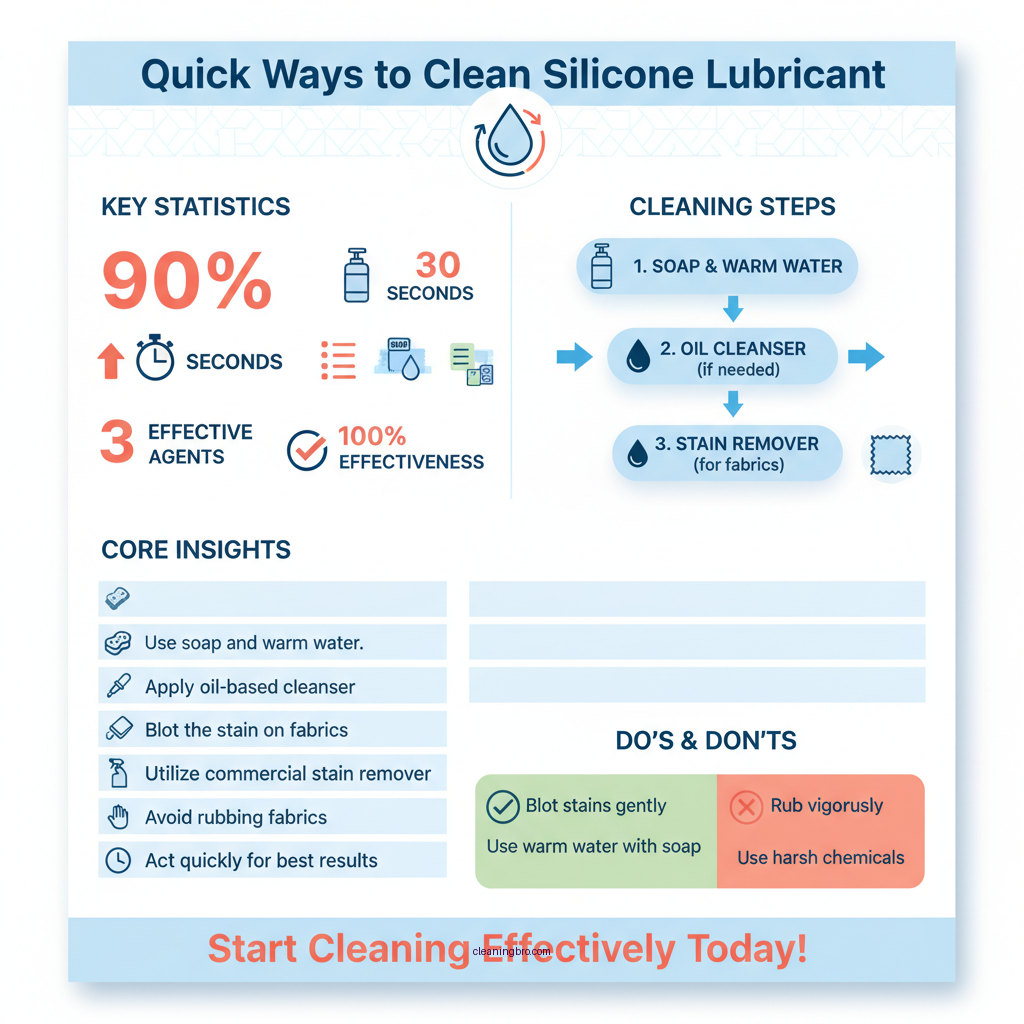
– Use Soap and Warm Water: The simplest method involves using mild soap combined with warm water. The heat from the water helps to break down the silicone, while the soap emulsifies the lubricant. Start by wetting your hands, applying a generous amount of soap, and thoroughly scrubbing the affected areas for at least 30 seconds before rinsing with warm water.
– Try an Oil-Based Cleanser: If soap and water do not completely remove the lubricant, an oil-based cleanser may be necessary. Products like baby oil, olive oil, or mineral oil can effectively dissolve silicone residues. Apply a small amount of the oil to a cotton pad or your fingers, gently massage it into the affected area, and then wipe away with a clean cloth or rinse off.
Removing Silicone Lubricant from Fabrics
Cleaning silicone lubricant from fabrics requires careful handling to avoid spreading the stain further:
– Blot the Stain: Start by gently blotting the fabric with a paper towel to absorb as much of the excess lubricant as possible. Avoid rubbing, as this can push the lubricant deeper into the fibers.
– Use a Stain Remover: After blotting, apply a commercial stain remover specifically designed for oily stains, or you can create your own mixture using dish soap and water. Apply the solution to the stained area, let it sit for about 15 minutes, then launder as per the fabric care instructions. If the stain persists after washing, repeat the process before drying, as heat can set the stain.
Cleaning Silicone Lubricant from Hard Surfaces
For hard surfaces, the approach to removing silicone lubricant varies slightly:
– Use a Solvent: Solvents such as rubbing alcohol or acetone can be highly effective in breaking down silicone residues on hard surfaces. Apply a small amount of the solvent to a clean cloth and gently rub the affected area until the lubricant begins to dissolve.
– Wipe with a Microfiber Cloth: After treating the area with the solvent, use a microfiber cloth to wipe away the residue. This material is ideal because it is soft and non-abrasive, ensuring that the surface remains scratch-free.
Tips for Preventing Silicone Lubricant Stains
Preventing silicone lubricant stains can save you time and effort in the long run:
– Apply Carefully: When using silicone lubricants, try to use small amounts and apply them carefully to minimize the risk of accidental spills.
– Use Protective Coverings: In areas where lubricant is likely to be applied, consider using towels or mats to catch any spills. This can help protect surfaces and make cleanup easier.
Special Considerations for Cleaning Tools and Toys
When it comes to cleaning tools and toys that have been in contact with silicone lubricant, it’s crucial to follow specific guidelines:
– Follow Manufacturer Instructions: Always check the care labels or manufacturer guidelines for cleaning specific items. Some materials may require special attention or products to avoid damage.
– Use Warm, Soapy Water: For many tools and toys, a thorough wash with warm, soapy water is sufficient. Make sure to rinse well and dry completely to prevent any residue from remaining.
Top 7 Silicone Lubricants for Various Applications
| # | Product | Best For | Price | Rating |
|---|---|---|---|---|
| 1 | ID Glide | Personal Use | $12.99 | ★★★★☆ |
| 2 | Pjur Bodyglide | Massage | $15.99 | ★★★★★ |
| 3 | Wet Platinum | Long-lasting | $10.99 | ★★★★☆ |
| 4 | Astroglide | Personal Use | $8.99 | ★★★☆☆ |
| 5 | Sliquid Silk | Sensitive Skin | $14.99 | ★★★★☆ |
| 6 | Swiss Navy | Versatile Use | $9.99 | ★★★☆☆ |
| 7 | Liquid V | Water-based | $11.99 | ★★★★☆ |
Silicone Lubricants: Removal Effectiveness
Cleaning Techniques for Silicone Lubricants
| Technique | ⭐ Best Overall | Most Versatile | Budget-Friendly |
|---|---|---|---|
| Effectiveness | ✅ High | ✅ Medium | ✅ Low |
| Ease of Use | ✅ Simple | ✅ Moderate | ✅ Very Simple |
| Availability | Widely available | Common | Readily |
| Cost | $ | $$ | $ |
| Surface Compatibility | All surfaces | Most surfaces | Limited |
| Time Required | Quick | Moderate | Quick |
| Residual Odor | None | Minimal | None |
| Skin Safety | ✅ Safe | ✅ Safe | ✅ Caution |
| Eco-Friendly | ✅ Yes | ✅ Moderate | ❌ No |
| 🏆 Best For | General Use | Multiple Applications | Budget-Conscious Users |
Cleaning silicone lubricant doesn’t have to be difficult with the right techniques. By following these steps, you can effectively clean silicone from your skin, fabrics, and hard surfaces. Additionally, being proactive about prevention can save you from future cleaning headaches. For more tips on maintaining and caring for your belongings, explore our other articles!
Frequently Asked Questions
What is the best way to clean silicone lubricant off surfaces?
The best way to clean silicone lubricant off surfaces is to use a solvent like rubbing alcohol or a specialized silicone remover. Apply the solvent to a clean cloth and gently rub the affected area until the lubricant is removed. For stubborn residues, you may need to repeat the process or use a soft-bristled brush for better results.
How can I remove silicone lubricant from fabric?
To remove silicone lubricant from fabric, first, blot the area with a paper towel to absorb excess lubricant. Then, apply a small amount of dish soap mixed with warm water directly onto the stain, gently scrubbing with a soft brush. Rinse thoroughly and repeat if necessary, followed by laundering the fabric as per its care instructions.
Why is it difficult to clean silicone lubricant off surfaces?
Silicone lubricant is difficult to clean off surfaces because it creates a water-resistant barrier and can bond with materials, making it slippery and persistent. Its silicone-based composition is designed for durability, which means it often requires specific solvents or cleaning agents to effectively break it down and remove it completely.
Which products are effective for cleaning silicone lubricant off skin?
Effective products for cleaning silicone lubricant off skin include baby oil, mineral oil, or hand sanitizers that contain alcohol. Apply the product to the affected area, rubbing gently until the lubricant begins to dissolve. Follow up with soap and water to ensure all residue is removed and your skin is clean.
How do I prevent silicone lubricant stains when using it?
To prevent silicone lubricant stains, apply it sparingly and use it in controlled environments where spills are less likely. Consider placing a towel or cloth underneath the application area to catch any excess lubricant. Additionally, using a silicone lubricant with a thicker consistency can help minimize drips and mess.
References
- https://www.ncbi.nlm.nih.gov/pmc/articles/PMC4997390/
https://www.ncbi.nlm.nih.gov/pmc/articles/PMC4997390/ - The page you were looking for has moved.
https://www.cdc.gov/niosh/topics/chemical.html - https://www.mayoclinic.org/healthy-lifestyle/consumer-health/in-depth/cleaning-chemical-safety/art-20046257
https://www.mayoclinic.org/healthy-lifestyle/consumer-health/in-depth/cleaning-chemical-safety/art-20046257 - https://www.sciencedirect.com/topics/engineering/silicone-lubricants
https://www.sciencedirect.com/topics/engineering/silicone-lubricants - https://www.reuters.com/article/us-health-cleaning-idUSKCN1VV1SH
https://www.reuters.com/article/us-health-cleaning-idUSKCN1VV1SH - https://www.bbc.com/future/article/20200330-how-to-really-clean-your-house
https://www.bbc.com/future/article/20200330-how-to-really-clean-your-house - Google Scholar Google Scholar
https://scholar.google.com/scholar?q=how+to+clean+silicone+lubricant - Google Scholar Google Scholar
https://scholar.google.com/scholar?q=cleaning+silicone+lubricants+methods - Google Scholar Google Scholar
https://scholar.google.com/scholar?q=silicone+cleaning+techniques - Google Scholar Google Scholar
https://scholar.google.com/scholar?q=how+to+clean+silicone+lubricant+off