How to Clean Silver Coins at Home: Simple Methods
Cleaning silver coins at home is a straightforward process that can restore their shine and value. You can effectively clean your coins using materials you likely already have at home. In this article, you’ll learn various methods for cleaning silver coins safely and effectively without damaging them.
Understanding Silver Coin Tarnish

Silver coins tarnish due to exposure to air and moisture, forming a dull layer on their surface. This tarnishing is a natural reaction and occurs when silver reacts with sulfur compounds present in the air, leading to the formation of silver sulfide. Identifying the level of tarnish is critical; light tarnish may just require gentle cleaning, while heavy tarnish may need more robust methods. It is essential to assess your coins’ condition before proceeding with any cleaning technique to ensure you don’t inadvertently damage them.
Recommended Cleaning Materials
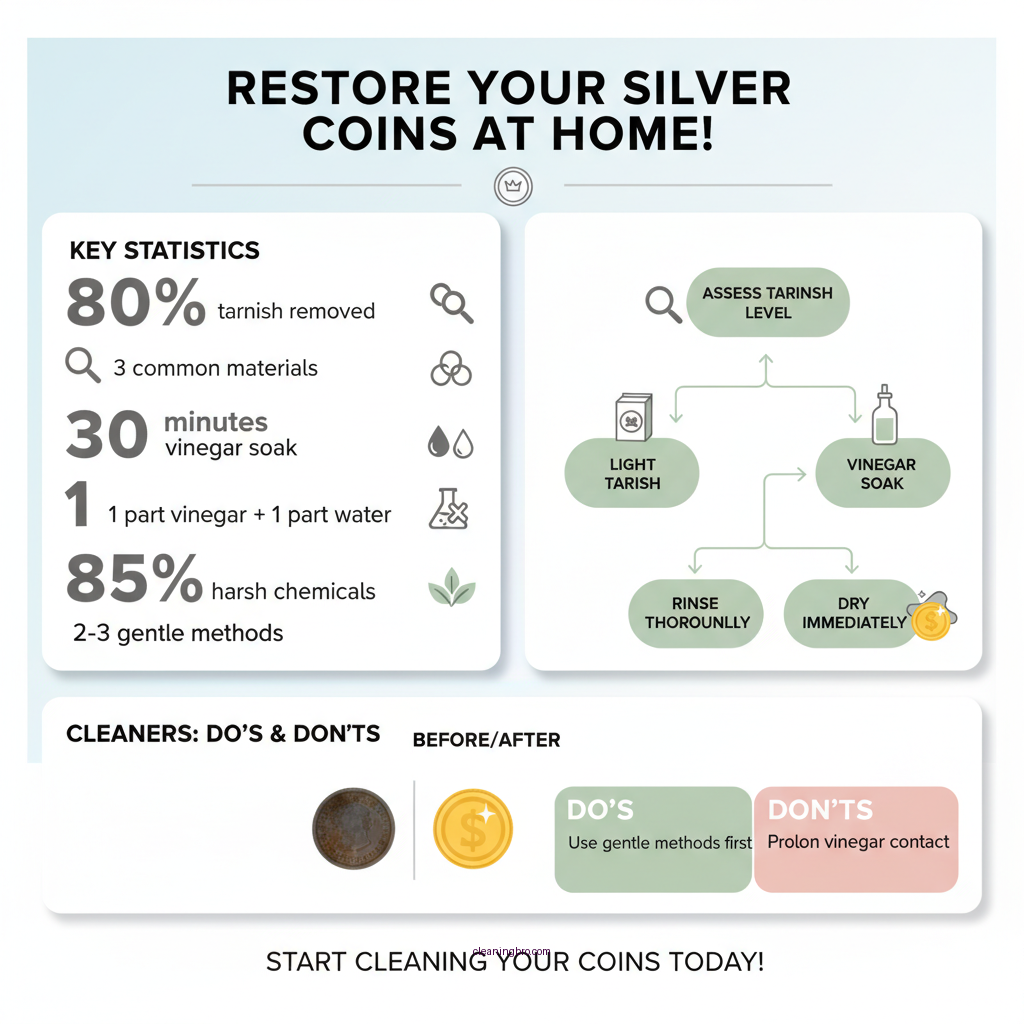
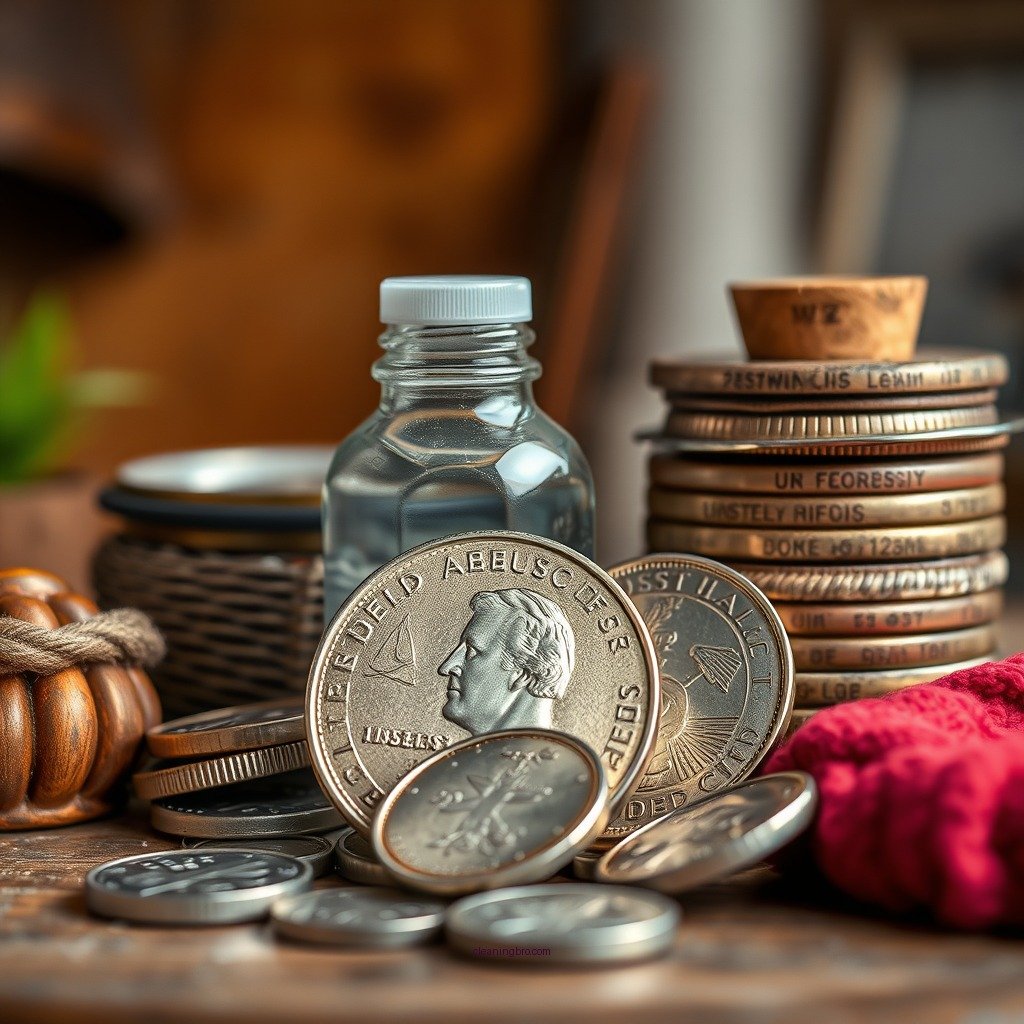
Common household items like baking soda, vinegar, and aluminum foil can be used effectively to clean silver coins. Baking soda is a mild abrasive that can gently scrub tarnish without scratching the metal. Vinegar, being acidic, can dissolve tarnish but requires careful handling to avoid prolonged contact with the coin’s surface. Aluminum foil serves as a catalyst in chemical reactions that can lift tarnish away from silver. While commercial silver cleaners are available, they often contain harsh chemicals that may damage the coin or alter its value. It’s advisable to opt for gentle, non-abrasive methods first before considering commercial products.
Method 1: Baking Soda Paste
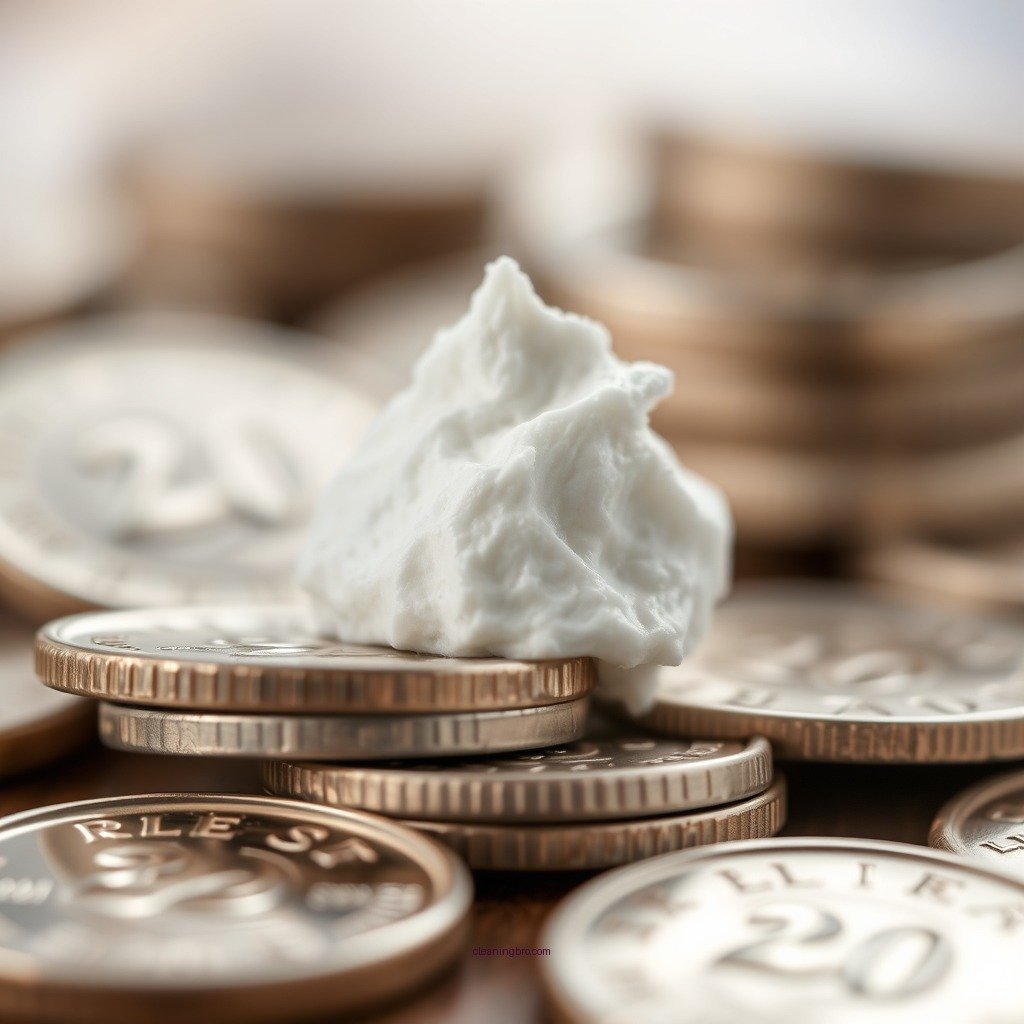
To create a baking soda paste, mix three parts baking soda with one part water to form a thick paste. This paste can be applied gently to the surface of the coin using a soft, lint-free cloth. It’s important to rub the paste in a circular motion, applying minimal pressure to avoid scratching the coin. After cleaning, rinse the coin thoroughly under lukewarm water to remove any residue, and dry it immediately with a soft cloth. This method is particularly effective for coins with light tarnish and is safe for most silver coins.
Method 2: Vinegar Soak
For coins with more significant tarnish, a vinegar soak can be effective. Mix equal parts of white vinegar and water in a bowl, and immerse the coins for about 30 minutes to a few hours, depending on the tarnish level. After soaking, use a soft toothbrush to gently scrub the surface of the coins, focusing on any areas with stubborn tarnish. Rinse the coins thoroughly with water to remove any remaining vinegar, and dry them with a soft cloth. This method is highly effective but should be used cautiously to avoid prolonged exposure to the vinegar, which can lead to damage.
Method 3: Aluminum Foil Method
The aluminum foil method is a popular choice for cleaning silver coins due to its effectiveness and simplicity. To use this method, line a bowl with aluminum foil, shiny side up. Add a tablespoon of baking soda and a tablespoon of salt to the foil-lined bowl, then pour in a cup of hot water. The coins should be placed in the solution, ensuring they touch the aluminum foil. This creates a chemical reaction that lifts tarnish from the coins. Allow the coins to soak for a few minutes, then remove them, rinse under water, and dry with a soft cloth. This technique is particularly effective for heavily tarnished coins.
Important Tips for Cleaning
– Handle with Care: Always handle coins by the edges using gloves to avoid leaving fingerprints or oils from your skin on the surface.
– Test First: Before applying any cleaning method to valuable coins, test the approach on a less valuable coin to ensure it does not cause damage.
– Avoid Abrasives: Steer clear of abrasive materials such as steel wool or harsh scrubbing pads, which can scratch the surface of the coins.
– Limit Exposure: Minimize the time your coins are exposed to cleaning solutions, especially acidic ones like vinegar, to prevent deterioration.
– Dry Thoroughly: After cleaning, ensure coins are dried completely to prevent new tarnishing or moisture damage.
When to Seek Professional Help
If your coins are highly valuable or rare, it may be best to consult a professional conservator for cleaning. Professional cleaning can prevent potential damage from home methods that may inadvertently alter the coin’s surface or patina. A conservator can provide tailored advice and services based on the specific needs of your coins, preserving their integrity and value.
Top 7 Methods for Cleaning Silver Coins
| # | Method | Effectiveness | Ease of Use | Safety |
|---|---|---|---|---|
| 1 | Baking Soda Paste | High | Very Easy | Safe |
| 2 | Vinegar Soak | Medium | Easy | Moderate |
| 3 | Aluminum Foil Method | High | Very Easy | Safe |
| 4 | Commercial Cleaners | Medium | Easy | Risky |
| 5 | Dish Soap and Water | Low | Very Easy | Safe |
| 6 | Toothpaste | Medium | Easy | Risky |
| 7 | Lemon Juice | Medium | Easy | Safe |
Effectiveness of Different Cleaning Methods
Best Cleaning Methods: A Comparison
| Feature | ⭐ Baking Soda Paste | Vinegar Soak | Aluminum Foil Method |
|---|---|---|---|
| Effectiveness | High | Medium | High |
| Ease of Use | Very Easy | Easy | Very Easy |
| Safety | Safe | Moderate | Safe |
| Time Required | 15 mins | 30 mins | 10 mins |
| Cost | Low | Low | Low |
| Best for | Light tarnish | Moderate tarnish | Heavy tarnish |
| Environmental Impact | Minimal | Moderate | Minimal |
| Scent | Neutral | Strong | Neutral |
| Residue | None | Yes | None |
| 🏆 Best For | General Use | Moderate Tarnish | Heavy Tarnish |
Cleaning silver coins at home can enhance their appearance and preserve their value. By using the right materials and methods, you can achieve great results while ensuring your coins remain safe. Employing techniques such as baking soda paste, vinegar soaks, or the aluminum foil method can effectively restore your coins. Always remember to handle coins with care and consider professional help for valuable pieces. Try these techniques and enjoy the satisfaction of restoring your silver coins!
Frequently Asked Questions
What is the best method to clean silver coins at home?
The best method to clean silver coins at home is to use a gentle solution of warm water and mild dish soap. Soak the coins for a few minutes, then gently scrub with a soft toothbrush to remove dirt and tarnish without scratching the surface. Rinse thoroughly with clean water and pat dry with a soft cloth to restore their shine.
How can I remove tarnish from silver coins effectively?
To effectively remove tarnish from silver coins, you can create a paste using baking soda and water. Apply the paste to the coins and gently rub with a soft cloth or sponge, then rinse with warm water and dry thoroughly. This method helps restore the original luster of the coins without damaging them.
Why should I avoid cleaning silver coins with harsh chemicals?
You should avoid cleaning silver coins with harsh chemicals because they can cause irreversible damage to the coin’s surface and reduce its numismatic value. Harsh cleaners can lead to scratches, discoloration, and loss of patina, which diminishes the coin’s appeal to collectors. It’s best to use gentle cleaning methods to preserve their integrity.
Which household items can I use to clean silver coins?
Household items that are effective for cleaning silver coins include baking soda, white vinegar, and aluminum foil. For example, you can soak coins in a mixture of vinegar and baking soda, or line a bowl with aluminum foil and place the coins in it with baking soda and hot water to remove tarnish. These items are safe and readily available, making them great for home cleaning.
How often should I clean my silver coins to maintain their appearance?
You should clean your silver coins only when necessary, ideally every few months or when you notice significant tarnish. Over-cleaning can wear down the surface and reduce their value. Regularly storing them in a cool, dry place and avoiding contact with moisture can help maintain their appearance without frequent cleaning.
References
- Silver coin
https://en.wikipedia.org/wiki/Silver_coin - Coin | History, Value, & Types | Britannica Money
https://www.britannica.com/art/coin - https://www.sciencedirect.com/topics/earth-and-planetary-sciences/silver-coin
https://www.sciencedirect.com/topics/earth-and-planetary-sciences/silver-coin - https://pubmed.ncbi.nlm.nih.gov/26177692/
https://pubmed.ncbi.nlm.nih.gov/26177692/ - Museums & Collections (U.S. National Park Service)
https://www.nps.gov/museum/publications/conserveogram/cons_tips/cleaning_coins.html - Porkbun Marketplace: The domain coinsworld.com is for sale.
https://www.coinsworld.com/news/cleaning-coin-13028 - https://www.fws.gov/sites/default/files/documents/cleaning-silver-coins.pdf
https://www.fws.gov/sites/default/files/documents/cleaning-silver-coins.pdf - Google Scholar Google Scholar
https://scholar.google.com/scholar?q=how+to+clean+silver+coins+at+home - Google Scholar Google Scholar
https://scholar.google.com/scholar?q=cleaning+silver+coins+methods - how to clean silver coins at home – Search results
https://en.wikipedia.org/wiki/Special:Search?search=how+to+clean+silver+coins+at+home