How to Clean Silverette Nipple Cups: A Simple Guide
To clean Silverette nipple cups effectively, start by rinsing them with warm water and mild soap. This initial step helps remove any milk residue or buildup. In this guide, you’ll learn the best methods and tips for maintaining your Silverette cups, ensuring they remain hygienic and ready for use.
Understanding Silverette Nipple Cups
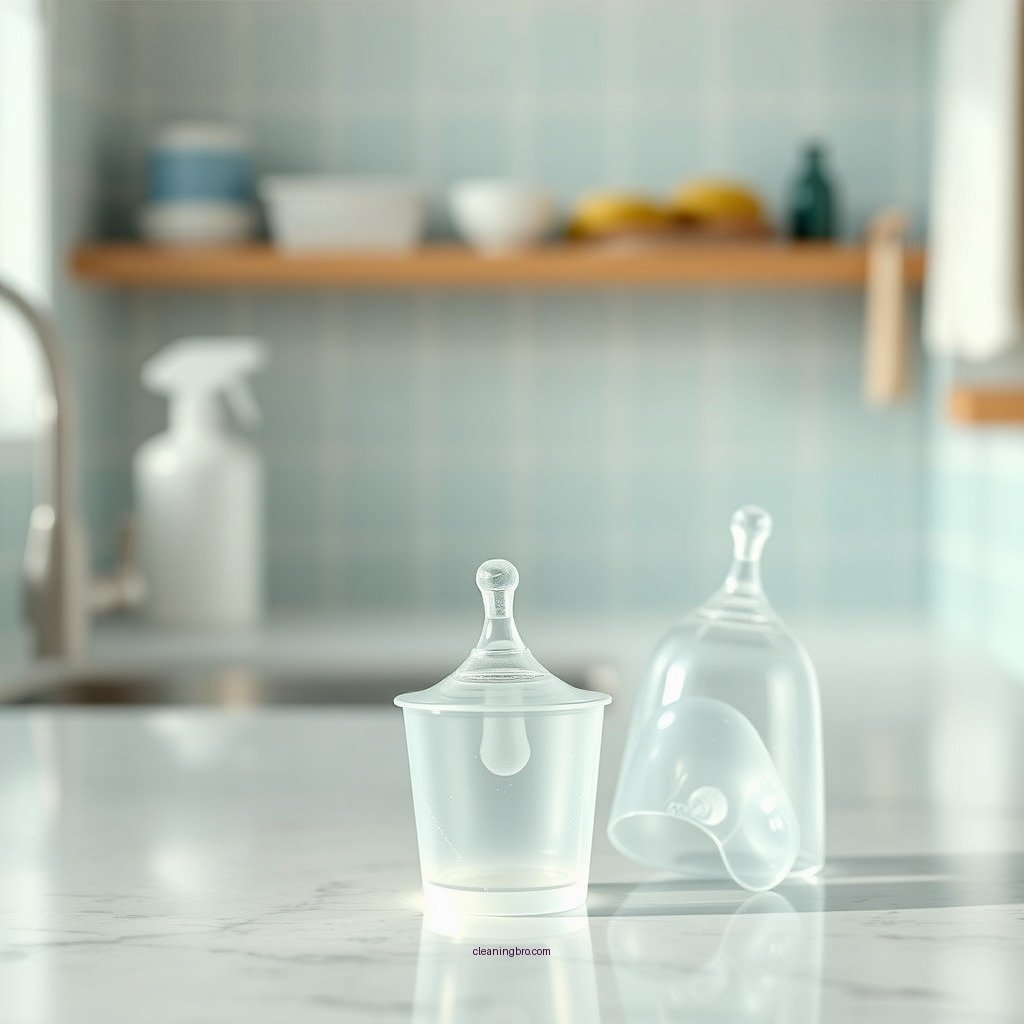
Silverette nipple cups are innovative breastfeeding tools crafted from 925 sterling silver, renowned for its antibacterial properties. These cups not only provide relief from nipple soreness during breastfeeding but also promote healing thanks to the natural qualities of silver. However, proper cleaning and maintenance are crucial to preserve their functionality and longevity. If not cared for correctly, milk residue can accumulate, leading to potential bacterial growth and tarnishing of the silver. Therefore, understanding how to clean and store your Silverette cups is essential for effective breastfeeding support.
Daily Cleaning Routine
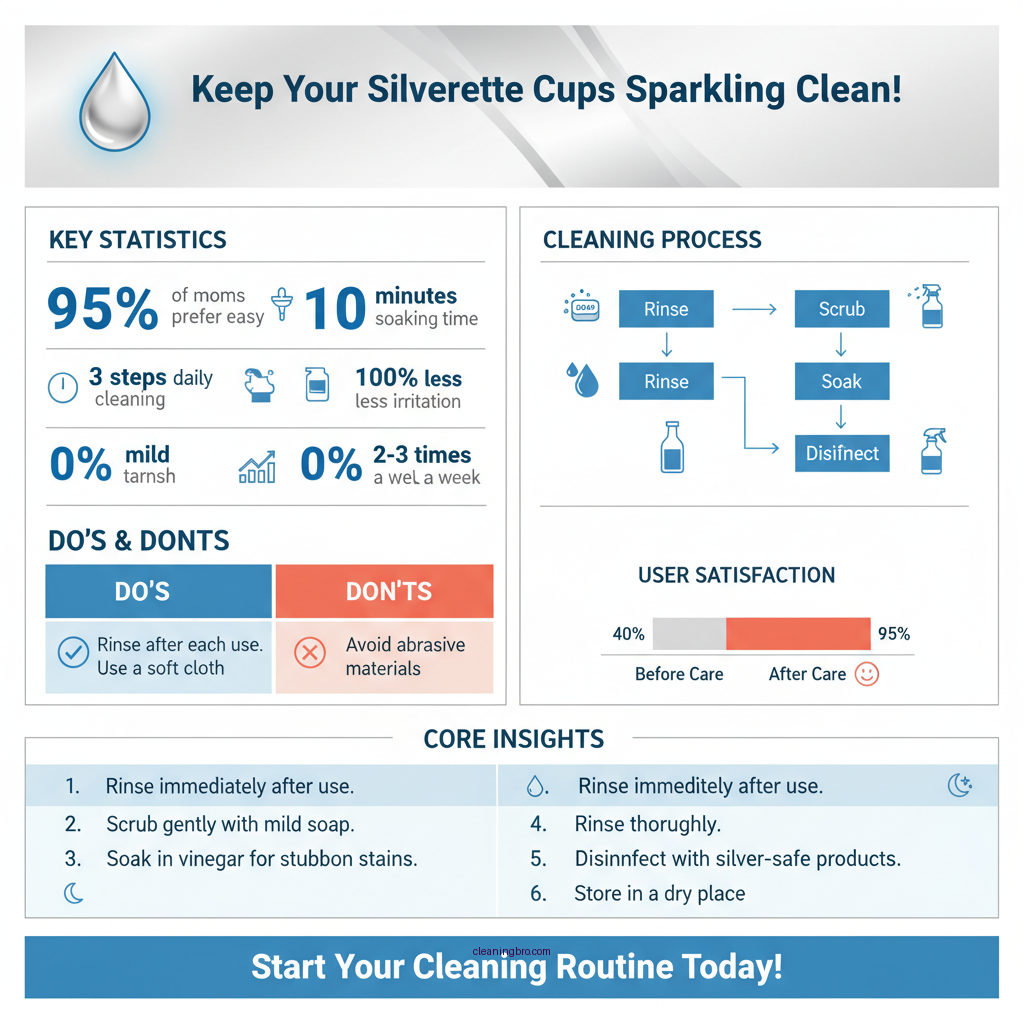
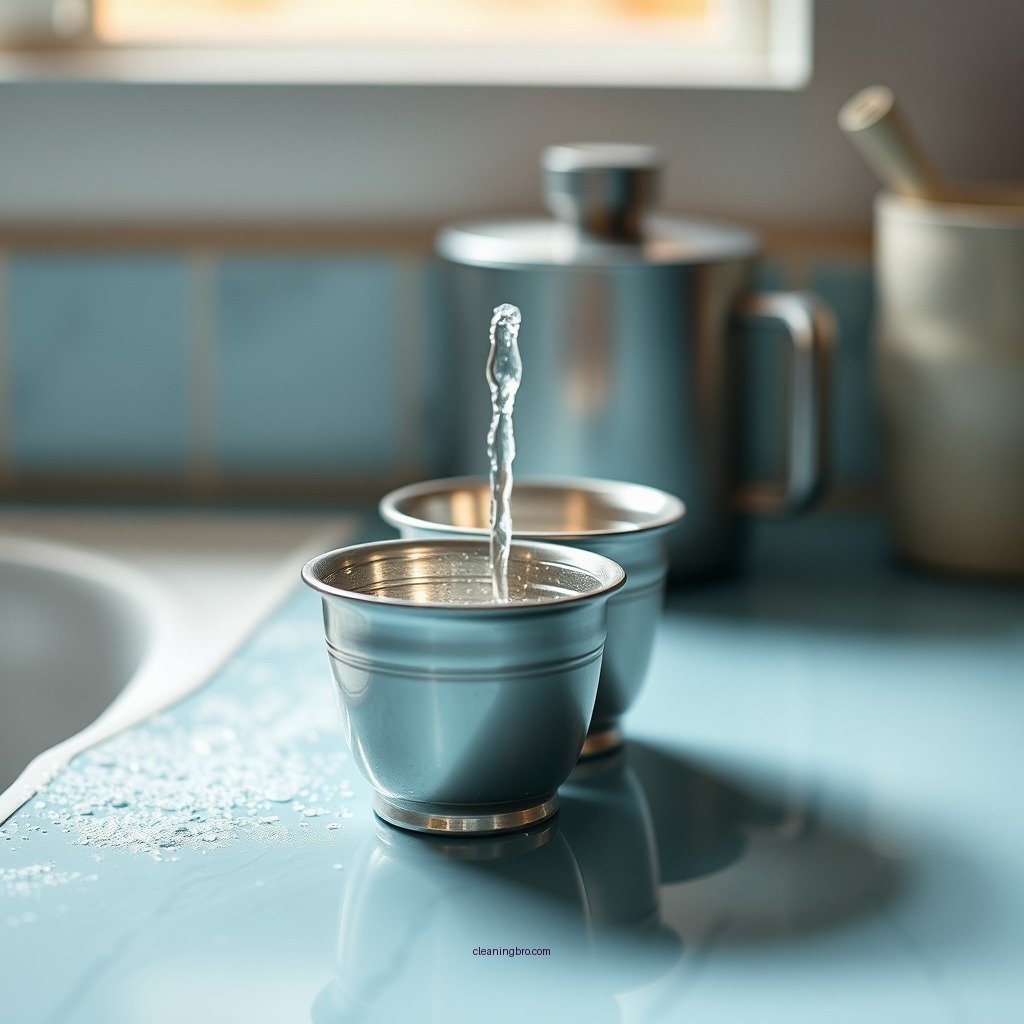
Establishing a daily cleaning routine for your Silverette nipple cups is vital to ensure their hygiene. After each use, rinse the cups with warm water immediately. This step helps to dissolve and wash away any milk residue that may have adhered to the surface. Following the rinse, use a mild soap to gently scrub the surface of the cups. It’s best to apply the soap with a soft cloth or sponge, as this prevents scratching the delicate silver finish. After scrubbing, rinse thoroughly under warm running water to ensure all soap is removed, which could otherwise lead to irritation during subsequent uses.
Deep Cleaning Techniques
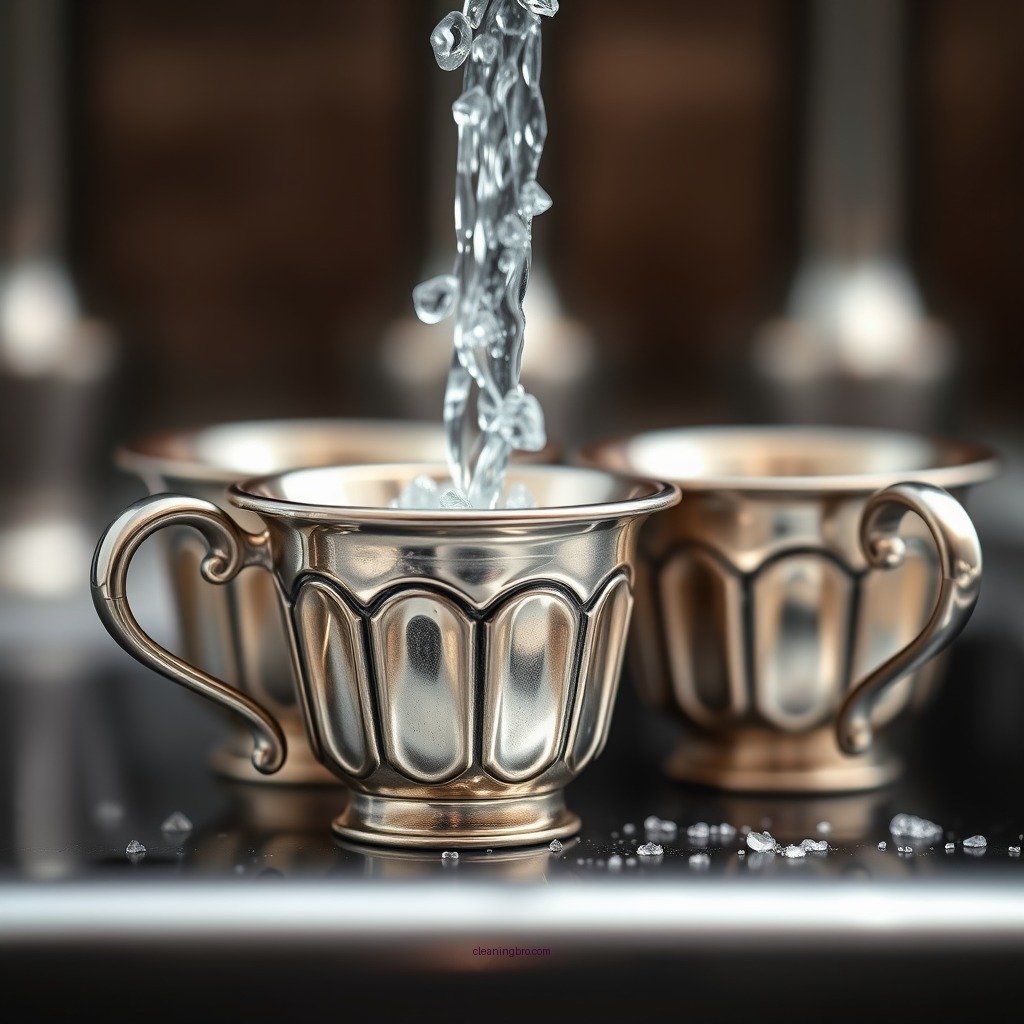
For more stubborn stains or buildup that may not come off with daily cleaning, consider deep cleaning techniques. A popular method is to soak the Silverette cups in a solution of warm water and white vinegar for about 10 minutes. The acidity in the vinegar helps break down any persistent residue or tarnish. After soaking, use a soft cloth or sponge to gently scrub the cups, ensuring not to use any abrasive materials that could scratch the silver. Rinse thoroughly with warm water to remove any vinegar residue, leaving the cups clean and shiny.
Disinfecting Your Silverette Cups
To ensure that your Silverette cups are free from germs, consider disinfecting them after cleaning. Use a silver-safe disinfectant to avoid damaging the silver. After applying the disinfectant, let it sit for the time recommended on the product’s label. Rinse the cups again with warm water to remove any disinfectant residue, which could cause irritation or an adverse reaction during nursing. Disinfection is especially important during cold and flu seasons or if anyone in your household is unwell.
Storing Your Silverette Cups
Proper storage of your Silverette nipple cups is equally as important as cleaning. Store them in a dry, cool place to prevent tarnishing. Silver can tarnish when exposed to moisture and air, so keeping them in a sealed container or a soft pouch can help maintain their appearance. Additionally, wrapping them in a soft cloth can prevent scratches and other damages when not in use. Avoid storing them in direct sunlight or humid environments, as these conditions can accelerate tarnishing.
Troubleshooting Common Issues
Despite your best efforts, you may encounter some common issues with your Silverette cups. If you notice tarnishing, use a silver polish specifically designed for sterling silver to restore their shine. Apply the polish with a soft cloth, following the instructions on the product label. For persistent stains that do not respond to home cleaning methods, it may be prudent to consult a professional cleaning service. They can provide specialized care that will not compromise the integrity of your cups.
Maintaining the cleanliness of your Silverette nipple cups is essential for both hygiene and functionality. By following these cleaning methods and storage tips, you can ensure your cups remain in excellent condition for extended use. Make cleaning a regular practice, and enjoy the benefits of these unique breastfeeding aids.
Cleaning Methods for Silverette Nipple Cups
| # | Method | Time Required | Effectiveness |
|---|---|---|---|
| 1 | Daily Rinse | 5 minutes | High |
| 2 | Mild Soap Scrub | 10 minutes | High |
| 3 | Vinegar Soak | 10 minutes | Very High |
| 4 | Disinfectant Use | 5 minutes | High |
| 5 | Professional Cleaning | Varies | Very High |
| 6 | Deep Cleaning | 10 minutes | High |
| 7 | Storage Prep | 5 minutes | Medium |
Effectiveness of Cleaning Methods for Silverette Cups
Cleaning Supplies for Silverette Nipple Cups
| Feature | ⭐ Silver Polish | Mild Dish Soap | Vinegar |
|---|---|---|---|
| Cleaning Action | Restores shine | Gentle cleaning | Stain removal |
| Best Use Frequency | Monthly | Daily | Weekly |
| Safety | Safe for silver | Safe for food | Safe for silver |
| Price | $10 | $3 | $2 |
| Ease of Use | Easy | Very easy | Easy |
| Availability | Online/Stores | Grocery stores | Grocery stores |
| Environmental Impact | Low | Low | Low |
| Multi-Purpose Use | No | Yes | No |
| 🏆 Best For | Tarnished silver | Daily use | Light cleaning |
In conclusion, maintaining your Silverette nipple cups is not just about cleanliness but also about ensuring their longevity and effectiveness. By following the outlined cleaning routines, deep cleaning techniques, and proper storage methods, you can enjoy the benefits of these exceptional breastfeeding aids with confidence. Regular maintenance is key to ensuring that these cups continue to provide comfort and relief, making your breastfeeding journey smoother and more enjoyable.
Frequently Asked Questions
How do I properly clean my Silverette nipple cups?
To clean your Silverette nipple cups, start by rinsing them with warm water to remove any milk residue. Then, use a mild soap or a gentle dish detergent with a soft cloth to wipe them clean. Rinse thoroughly with warm water and allow them to air dry completely to prevent any moisture buildup.
What cleaning products are safe for Silverette nipple cups?
It’s best to use mild, fragrance-free dish soap for cleaning Silverette nipple cups, as harsh chemicals or strong fragrances can damage the material. Avoid bleach and abrasive cleaners, as these can scratch the surface or leave harmful residues that may come into contact with your skin or baby.
Why is it important to clean Silverette nipple cups regularly?
Regular cleaning of Silverette nipple cups is essential to maintain hygiene and prevent bacterial growth, which can lead to infections or irritations. Since these cups are used in close contact with sensitive skin and can trap milk residue, consistent cleaning helps ensure a safe and comfortable breastfeeding experience.
What is the best way to sanitize Silverette nipple cups?
The best way to sanitize Silverette nipple cups is to place them in a pot of boiling water for about 5-10 minutes. This method effectively eliminates bacteria and germs while ensuring the integrity of the cups. Alternatively, you can use a steam sterilizer designed for baby products for added convenience.
Which common mistakes should I avoid when cleaning Silverette nipple cups?
Common mistakes to avoid include using hot water that is too extreme, which can warp the cups, or neglecting to dry them completely, which may cause mold or mildew. Additionally, steer clear of using rough sponges or abrasive materials that can scratch the surface, compromising their effectiveness and durability.
References
- https://www.ncbi.nlm.nih.gov/pmc/articles/PMC7316401/
https://www.ncbi.nlm.nih.gov/pmc/articles/PMC7316401/ - Acute bronchitis: Is it contagious? – Mayo Clinic
https://www.mayoclinic.org/healthy-lifestyle/infant-and-toddler-health/expert-answers/nipple-cups/faq-20057839 - https://www.who.int/news-room/questions-and-answers/item/breastfeeding-and-breast-milk-substitutes
https://www.who.int/news-room/questions-and-answers/item/breastfeeding-and-breast-milk-substitutes - Recommended Dietary Intakes for Individuals – Dietary Reference Intakes – NCBI Bookshelf
https://www.ncbi.nlm.nih.gov/books/NBK45183/ - Nipple | mammary gland | Britannica
https://www.britannica.com/topic/nipple - https://www.ncbi.nlm.nih.gov/pmc/articles/PMC4152032/
https://www.ncbi.nlm.nih.gov/pmc/articles/PMC4152032/ - Google Scholar Google Scholar
https://scholar.google.com/scholar?q=clean+silverette+nipple+cups - Google Scholar Google Scholar
https://scholar.google.com/scholar?q=how+to+clean+nipple+cups - Google Scholar Google Scholar
https://scholar.google.com/scholar?q=silverette+nipple+cups+care - Google Scholar Google Scholar
https://scholar.google.com/scholar?q=how+to+clean+silverette+nipple+cups