How to Clean Ski Boots: A Comprehensive Guide
Cleaning your ski boots is essential for maintaining their performance and extending their lifespan. To effectively clean your ski boots, start by removing any dirt and debris, then focus on disinfecting and drying them properly. In this guide, you’ll learn the best techniques and tips to keep your ski boots in top condition.
Gather the Necessary Supplies
Before you embark on the cleaning process, it is crucial to gather the right supplies to ensure you can clean your ski boots effectively without causing any damage. Here’s a detailed list of what you’ll need:
– Soft brush or cloth: Choose a soft-bristled brush or a microfiber cloth to gently remove dirt and debris from the boot’s surface without scratching it or damaging the materials.
– Mild soap or boot cleaner: Opt for a specialized boot cleaner or a mild soap that is gentle on the materials of your ski boots. Avoid harsh chemicals that can deteriorate the boot’s integrity.
– Water: You will need clean water for rinsing off soap and dampening your cleaning cloth. Make sure the water is at a moderate temperature, as hot water can warp some materials.
Having these supplies ready will streamline the cleaning process and ensure your boots receive the care they need.
Remove the Liners and Insoles
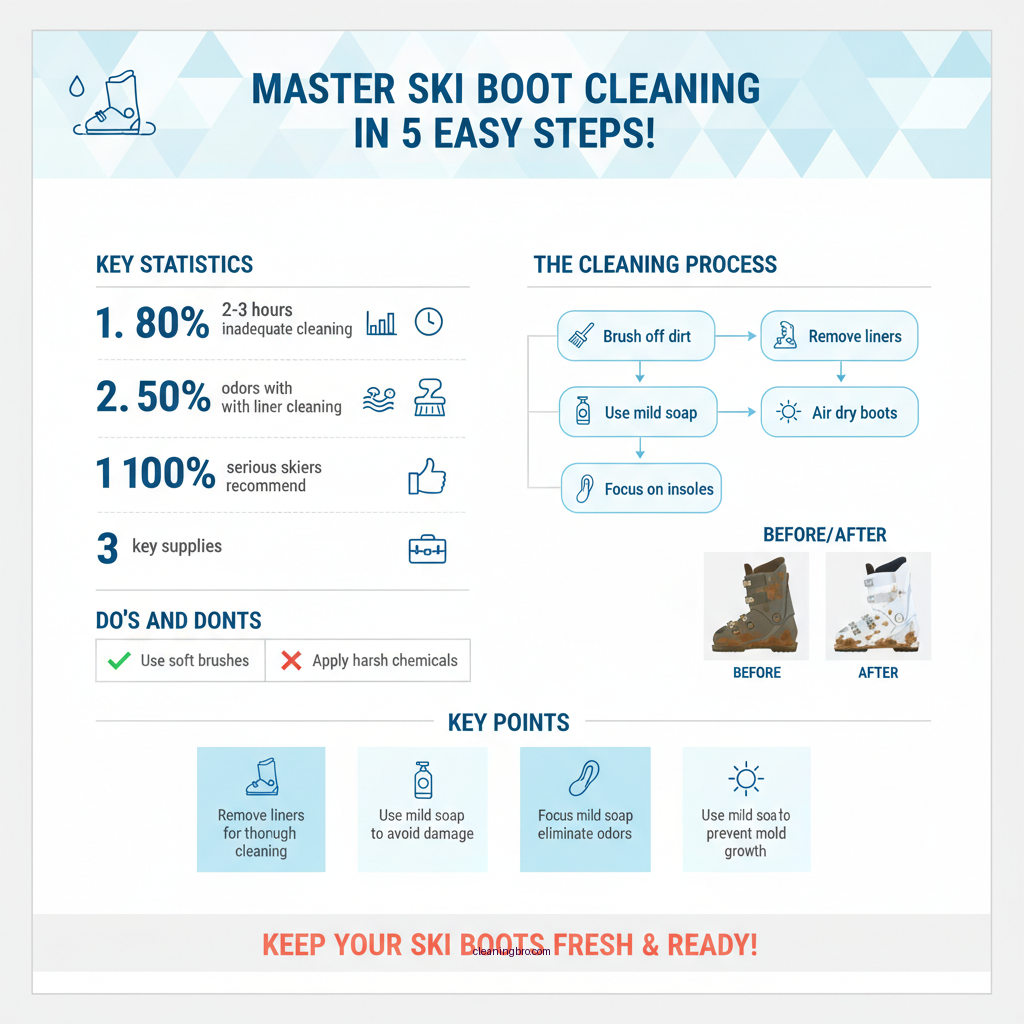
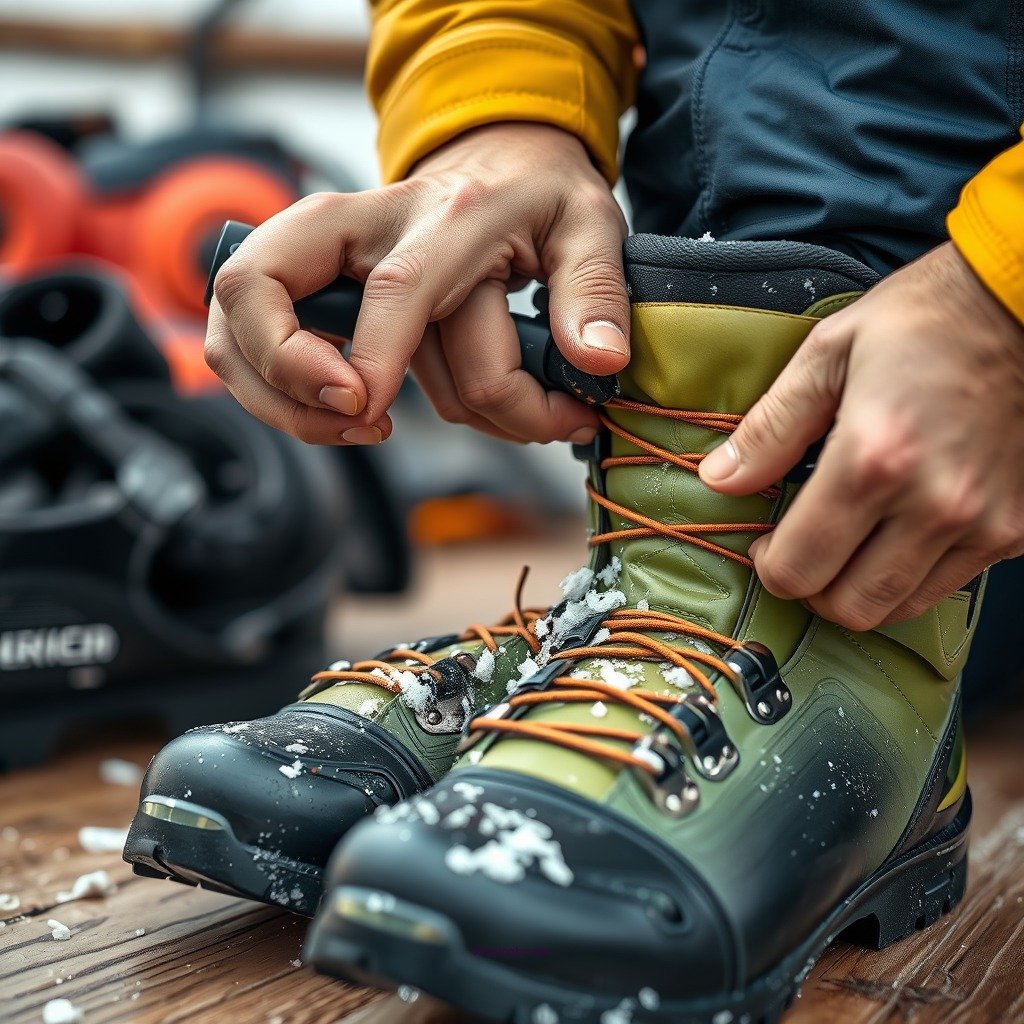
One of the primary steps in cleaning your ski boots is removing the liners and insoles, which allows for a deeper and more effective cleaning. Here’s how to do it properly:
– Take out the liners: Gently pull out the liners from the shell of the boots. This step is crucial because it allows both the outer boot and the liner to dry more thoroughly, reducing the risk of mold and unpleasant odors developing.
– Clean the insoles: Use a damp cloth along with a mild soap solution to scrub the insoles. Focus on areas that may harbor bacteria or odor, especially if you’ve had sweaty feet during skiing. Rinse thoroughly to ensure no soap residue remains and let them air dry.
Taking the time to clean the liners and insoles will enhance your comfort on the slopes and prolong the life of your ski boots.
Clean the Exterior of the Boots
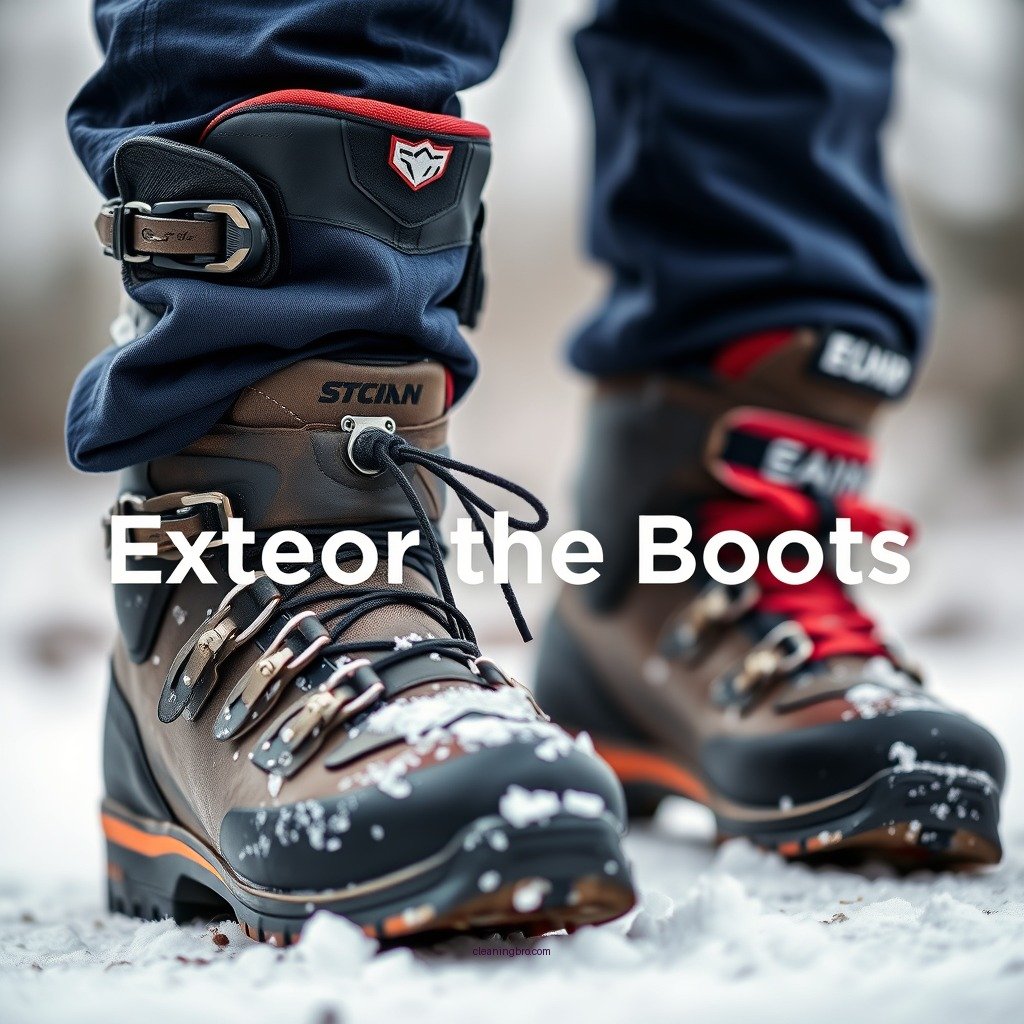
With the liners removed, it’s time to focus on the exterior of the ski boots. This step is vital as the outer shell is subjected to harsh conditions that can lead to dirt and grime buildup. Here’s how to clean the exterior effectively:
– Brush off loose dirt: Utilize your soft brush to remove any mud, snow, or debris from the surface. Pay special attention to the seams and crevices where dirt tends to accumulate.
– Wipe with a damp cloth: Dampen a cloth with water and add a small amount of mild soap. Wipe down the outer shell of the boots, ensuring you get into all the nooks and crannies. This helps maintain the integrity of the materials while keeping them looking fresh.
Disinfect the Liners
Disinfecting the liners is crucial for eliminating bacteria and odors that can develop after use. Here’s how to properly disinfect your ski boot liners:
– Soak in mild soap solution: Fill a basin with warm water and add a small amount of mild soap. Submerge the liners and let them soak for a few minutes. This will help to lift any stubborn dirt and odors.
– Rinse thoroughly: After soaking, rinse the liners under running water to remove all soap residue. It is important to ensure that no soap is left behind, as it can irritate your feet during your next ski outing. Once rinsed, allow the liners to air dry completely in a well-ventilated area.
Taking these steps will help maintain hygiene and comfort for your feet, especially during long days on the slopes.
Dry the Boots Properly
Proper drying is critical to prevent moisture buildup, which can lead to mold and unpleasant odors. Here’s how to dry your ski boots effectively:
– Use a boot dryer: If you own a boot dryer, now is the time to use it. Boot dryers are designed to circulate warm air, effectively removing moisture from the inside of the boots. This method is the most efficient way to ensure a thorough drying.
– Air dry in a cool place: If you don’t have a boot dryer, place your ski boots in a cool, dry area away from direct sunlight and heat sources. Excessive heat can warp the materials of the boots, compromising their fit and performance. Ensure that the boots are positioned upside down to allow any remaining moisture to escape.
Taking the time to dry your boots properly will prolong their lifespan and enhance your comfort in future skiing adventures.
Store Your Boots Correctly
Once your boots are clean and dry, it’s important to store them properly to ensure they remain in excellent condition when you need them next. Here are some tips for effective storage:
– Keep them in a cool, dry place: Store your ski boots in a location that is free from heat and moisture. A temperature-controlled environment is ideal, as extreme temperatures can damage the materials.
– Avoid closing them tightly: Leave the buckles slightly open to maintain their shape and prevent creasing. This also allows for better air circulation, further preventing any moisture-related issues.
Correct storage habits will ensure your ski boots are ready for the next season, performing optimally when you hit the slopes.
Regular Maintenance Tips
Maintaining your ski boots doesn’t have to be a chore. Incorporating a few simple habits can significantly extend the life of your gear. Here are some regular maintenance tips:
– Clean after every use: Instead of waiting until the end of the season, take a few minutes to wipe down your boots after each use. A quick clean can prevent dirt and grime from building up over time.
– Check for wear and tear: Regularly inspect your boots for signs of damage, such as cracks, loose buckles, or worn-out soles. Addressing these issues early can save you from costly repairs or replacements later on.
Creating a routine that includes these maintenance practices will help keep your ski boots in prime condition, enhancing your skiing experience.
Top 7 Ski Boot Brands by Popularity (2024)
| # | Brand | Popularity Rating | Price Range | Warranty |
|---|---|---|---|---|
| 1 | Salomon | ★★★★☆ | $200 – $600 | 2 Years |
| 2 | Nordica | ★★★★★ | $250 – $700 | 3 Years |
| 3 | Atomic | ★★★★☆ | $300 – $800 | 2 Years |
| 4 | Rossignol | ★★★★☆ | $150 – $650 | 2 Years |
| 5 | K2 | ★★★★☆ | $200 – $700 | 3 Years |
| 6 | Head | ★★★★☆ | $250 – $800 | 2 Years |
| 7 | Fischer | ★★★★☆ | $220 – $750 | 3 Years |
Top Ski Boots for Performance and Comfort
| Feature | ⭐ Nordica Speedmachine | Salomon X Pro | Atomic Hawx |
|---|---|---|---|
| Flex Index | 100 | 120 | 110 |
| Weight | 3.5 lbs | 4.0 lbs | 3.8 lbs |
| Ski Type | All-Mountain | Freeride | All-Mountain |
| Fit | ✅ Comfort | ✅ Performance | ❌ Narrow |
| Liner Type | Custom | Heat Moldable | Custom |
| Sole Type | Grip Walk | Alpine | Grip Walk |
| Price Range | $600 – $700 | $700 – $800 | $500 – $600 |
| Weight Distribution | Balanced | Forward | Balanced |
| Warranty | 2 Years | 3 Years | 2 Years |
| 🏆 Best For | Comfort-seeking skiers | Advanced performance | All-mountain versatility |
By following these steps, you’ll ensure that your ski boots remain clean, comfortable, and ready for your next adventure on the slopes. Don’t forget to incorporate these maintenance habits into your routine to maximize the life and performance of your gear. Proper cleaning and maintenance will not only enhance your skiing experience but also save you money in the long run by prolonging the lifespan of your boots.
Frequently Asked Questions
How do I properly clean the inside of my ski boots?
To clean the inside of your ski boots, remove the liners and footbeds. Use a mixture of warm water and mild soap to scrub them gently with a soft cloth or sponge. Rinse thoroughly with clean water and allow them to air dry completely before reinserting them into the shells, ensuring odors and moisture are eliminated.
What is the best way to remove odors from ski boots?
The best way to remove odors from ski boots is to use a combination of baking soda and essential oils. Sprinkle baking soda inside the boots and let it sit overnight to absorb odors. Additionally, placing a few drops of essential oil on a cotton ball and leaving it inside the boot can provide a fresh scent.
Why is it important to clean ski boots regularly?
Regularly cleaning your ski boots is important to maintain hygiene and prolong the lifespan of the boots. Dirt, salt, and moisture can lead to unpleasant odors, mold, and deterioration of materials. By keeping your ski boots clean, you ensure better performance and comfort on the slopes.
Which tools are best for cleaning ski boots effectively?
The best tools for cleaning ski boots include a soft brush for scrubbing, a microfiber cloth for drying, and a spray bottle for mixing cleaning solutions. Additionally, using a boot dryer can help remove moisture and prevent mold growth, making it an essential tool for maintaining your ski boots.
How can I prevent my ski boots from getting dirty in the first place?
To prevent your ski boots from getting dirty, always remove excess snow and mud before entering your home or vehicle. Store them in a dry, well-ventilated area, and use boot bags with moisture-wicking properties when transporting them. Regularly checking and maintaining the cleanliness of your ski gear can also help minimize dirt buildup.
References
- https://www.reuters.com/article/us-skiing-maintenance-tips-idUSKBN2A10J3
https://www.reuters.com/article/us-skiing-maintenance-tips-idUSKBN2A10J3 - https://www.bbc.com/news/av/uk-56353281
https://www.bbc.com/news/av/uk-56353281 - https://www.sciencedirect.com/topics/sports-science/skiing
https://www.sciencedirect.com/topics/sports-science/skiing - https://www.nytimes.com/2021/02/18/sports/skiing/how-to-care-for-your-ski-gear.html
https://www.nytimes.com/2021/02/18/sports/skiing/how-to-care-for-your-ski-gear.html - To The Mountains Blog by Ski.com
https://www.ski.com/blog/how-to-clean-ski-boots/ - Google Scholar Google Scholar
https://scholar.google.com/scholar?q=how+to+clean+ski+boots - Google Scholar Google Scholar
https://scholar.google.com/scholar?q=ski+boot+maintenance - Google Scholar Google Scholar
https://scholar.google.com/scholar?q=ski+gear+cleaning+tips - Skiing | Olympics, History, Events, Equipment, & Facts | Britannica
https://www.britannica.com/sports/skiing - how to clean ski boots – Search results
https://en.wikipedia.org/wiki/Special:Search?search=how+to+clean+ski+boots