How to Clean Skulls: A Step-by-Step Guide
Cleaning skulls involves several effective methods to ensure they are properly sanitized and preserved. In this guide, you’ll learn the best techniques for cleaning skulls, whether for educational purposes, decorating, or scientific study. Follow these steps to achieve clean and well-maintained skulls.
Preparation and Safety Precautions

Before embarking on the skull cleaning process, preparation and safety are paramount. Begin by gathering all necessary materials, which typically include gloves, soft brushes, dental picks, and appropriate cleaning solutions like hydrogen peroxide or bleach. It’s essential to work in a well-ventilated area to avoid inhaling any harmful chemical vapors. Depending on the strength of the solvents you plan to use, wearing protective eyewear and masks is advisable to protect yourself from splashes and fumes. This not only ensures your safety but also enhances the effectiveness of your cleaning efforts.
Basic Cleaning Techniques


The initial cleaning techniques are straightforward but crucial for removing surface grime. Start by rinsing the skull with water to dislodge loose dirt and debris. This step is vital as it prepares the surface for deeper cleaning. Next, utilize a soft brush to gently scrub the skull. It’s important to avoid applying excessive pressure, as delicate bones can be easily damaged. Focus on crevices and details where dirt may accumulate, ensuring you thoroughly clean the entire surface. This basic cleaning will lay the groundwork for more intensive methods later on.
Advanced Cleaning Methods
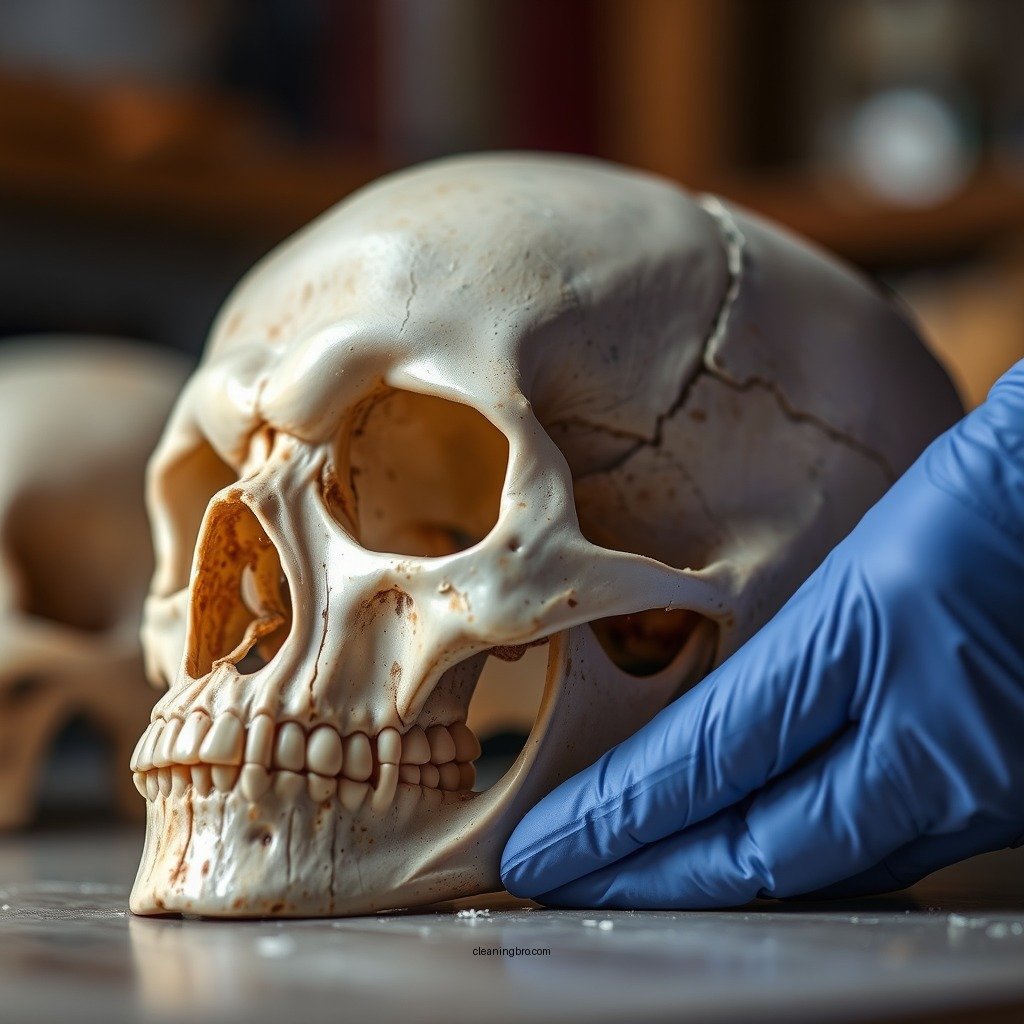
Once the basic cleaning is complete, advanced methods can be employed for deeper sanitization and whitening. Hydrogen peroxide is commonly used for its disinfectant properties and ability to whiten bones. A solution of 3% hydrogen peroxide can be applied directly to the skull and left to sit for a few hours, after which it should be rinsed thoroughly. For those seeking an even stronger solution, household bleach can be used, but it’s essential to dilute it appropriately (typically one part bleach to ten parts water) to prevent discoloration.
Another method involves using boiling water; however, this should be approached with caution. Boiling water can help loosen stubborn organic material, but it can also risk damaging delicate bones, especially those of smaller animals. Therefore, it is advisable to monitor the process closely and remove the skull once the tissue is sufficiently loosened.
Common Methods for Cleaning Skulls: Effectiveness Comparison
| # | Method | Effectiveness | Time Required | Safety |
|---|---|---|---|---|
| 1 | Hydrogen Peroxide | High | 1-2 hours | Moderate |
| 2 | Bleach | Very High | 30 minutes | High |
| 3 | Boiling Water | Moderate | 15-30 minutes | Risky |
| 4 | Degreasing Solution | High | 1-2 hours | Moderate |
| 5 | Vinegar | Moderate | 1 hour | Low |
| 6 | Enzymatic Cleaners | High | Overnight | Low |
| 7 | Baking Soda | Moderate | 1 hour | Low |
Removing Flesh and Tissue
The removal of flesh and tissue is a critical step in the skull cleaning process. To facilitate this, soak the skull in a degreaser solution, which can be commercially available or homemade. This process helps to dissolve fatty tissues that may cling stubbornly to the bone. After soaking, use a dental pick or tweezers to delicately extract remaining tissues. It is essential to handle the skull with care during this stage to prevent damage to the bone structure. Patience is key; rushing through this process can lead to fractures or chips in the skull.
Dealing with Odor and Stains
After the cleaning and tissue removal process, one may find that odors or stains persist. To combat unpleasant smells, applying baking soda or activated charcoal can be effective. Simply sprinkle the substance inside the skull and leave it for several hours or even overnight to absorb odors effectively. For stubborn stains, a second round of cleaning with hydrogen peroxide or a specialty cleaner may be necessary. Repeating the advanced cleaning methods can help restore the skull’s appearance.
Preservation Techniques
Once the skull is clean and free of odors or stains, it’s time to consider preservation techniques. A clear sealant can be applied to protect the skull from future damage, which is particularly important if the skull will be on display. Choose a sealant that is suitable for bones and will not alter their appearance. Additionally, it is crucial to store skulls in a cool, dry place, away from direct sunlight, to maintain their condition. Proper storage helps prevent fading, discoloration, and degradation over time.
Ethical Considerations
Cleaning skulls comes with ethical considerations that should not be overlooked. It is essential to be aware of local laws governing the collection and cleaning of skulls, as regulations can vary significantly by region. Collecting skulls from wildlife may require permits, and some species may be protected under conservation laws. Ensure that any specimens used in your cleaning endeavors are legally obtained and ethically sourced. This not only respects wildlife regulations but also fosters a culture of ethical stewardship among collectors and enthusiasts.
Summarizing the cleaning process for skulls, using the right methods and materials is crucial for effective results. By following the outlined steps, you can achieve clean and preserved skulls suitable for various purposes. Don’t hesitate to explore further resources or guides for specific skull types or advanced techniques. Understanding the importance of ethical considerations ensures that your passion for skulls aligns with responsible practices.
Frequently Asked Questions
What is the best method to clean animal skulls?
The best method to clean animal skulls involves a combination of maceration and boiling. First, remove any flesh and tissue, then submerge the skull in a container of water and let it sit for several days to allow bacteria to break down remaining tissue. After maceration, you can boil the skull briefly to remove any stubborn bits, ensuring to avoid overcooking which can damage the bone.
How do I safely whiten a cleaned skull without damaging it?
To safely whiten a cleaned skull, use hydrogen peroxide (3% solution) instead of bleach, as it is less harsh and will not weaken the bone. Soak a cloth in the hydrogen peroxide and wrap it around the skull, or immerse the skull in a solution for a few hours, checking frequently until the desired whiteness is achieved. Rinse well and allow it to dry completely in a well-ventilated area.
Why is it important to remove all organic material from a skull before cleaning?
Removing all organic material from a skull before cleaning is crucial to prevent decay and odor, as any remaining flesh can attract pests and lead to further decomposition. Additionally, thorough cleaning ensures that the bones are preserved and can be properly displayed or studied without compromising their integrity.
Which tools are essential for cleaning skulls effectively?
Essential tools for effectively cleaning skulls include a soft-bristle toothbrush, a set of dental tools for detailed work, and a large container for soaking. Additionally, you may need gloves to protect your hands and a scalpel for precision when removing tissue. Having these tools on hand will make the cleaning process more efficient and effective.
What precautions should I take when cleaning skulls to ensure safety?
When cleaning skulls, it’s important to wear gloves and a mask to protect yourself from bacteria and odors. Work in a well-ventilated area to avoid inhaling any harmful substances, and be cautious with sharp tools to prevent injuries. Always follow local laws regarding the collection and cleaning of animal remains to ensure compliance and ethical practices.
References
- https://en.wikipedia.org/wiki/Skull_cleaning
https://en.wikipedia.org/wiki/Skull_cleaning - https://www.ncbi.nlm.nih.gov/pmc/articles/PMC7043164/
https://www.ncbi.nlm.nih.gov/pmc/articles/PMC7043164/ - https://www.sciencedirect.com/topics/biochemistry-genetics-and-molecular-biology/skull-cleaning
https://www.sciencedirect.com/topics/biochemistry-genetics-and-molecular-biology/skull-cleaning - Skull | Definition, Anatomy, & Function | Britannica
https://www.britannica.com/science/skull - https://www.ncbi.nlm.nih.gov/pmc/articles/PMC4764720/
https://www.ncbi.nlm.nih.gov/pmc/articles/PMC4764720/ - https://www.cdc.gov/niosh/topics/biohazard/
https://www.cdc.gov/niosh/topics/biohazard/ - Google Scholar Google Scholar
https://scholar.google.com/scholar?q=how+to+clean+skulls - Google Scholar Google Scholar
https://scholar.google.com/scholar?q=skull+cleaning+methods - Google Scholar Google Scholar
https://scholar.google.com/scholar?q=cleaning+animal+skulls - Detail
https://www.who.int/news-room/fact-sheets/detail/infectious-diseases