
How to Clean Spilled Gasoline on Concrete: A Step-by-Step Guide
Cleaning spilled gasoline from concrete requires prompt action and the right materials. Start by containing the spill to prevent further spreading, and then use absorbents to soak up the gasoline before thoroughly cleaning the area. This guide will walk you through the necessary steps to effectively clean and neutralize gasoline spills on concrete surfaces, ensuring safety and restoring the appearance of your concrete.
Gasoline spills can occur during refueling, equipment maintenance, or accidents. Regardless of the cause, it is crucial to address these spills immediately to minimize health risks and environmental impact. Gasoline is not only flammable but also toxic, and it can penetrate concrete surfaces if left unattended. By following the steps outlined in this guide, you can mitigate risks and ensure a clean, safe environment.
Assessing the Spill
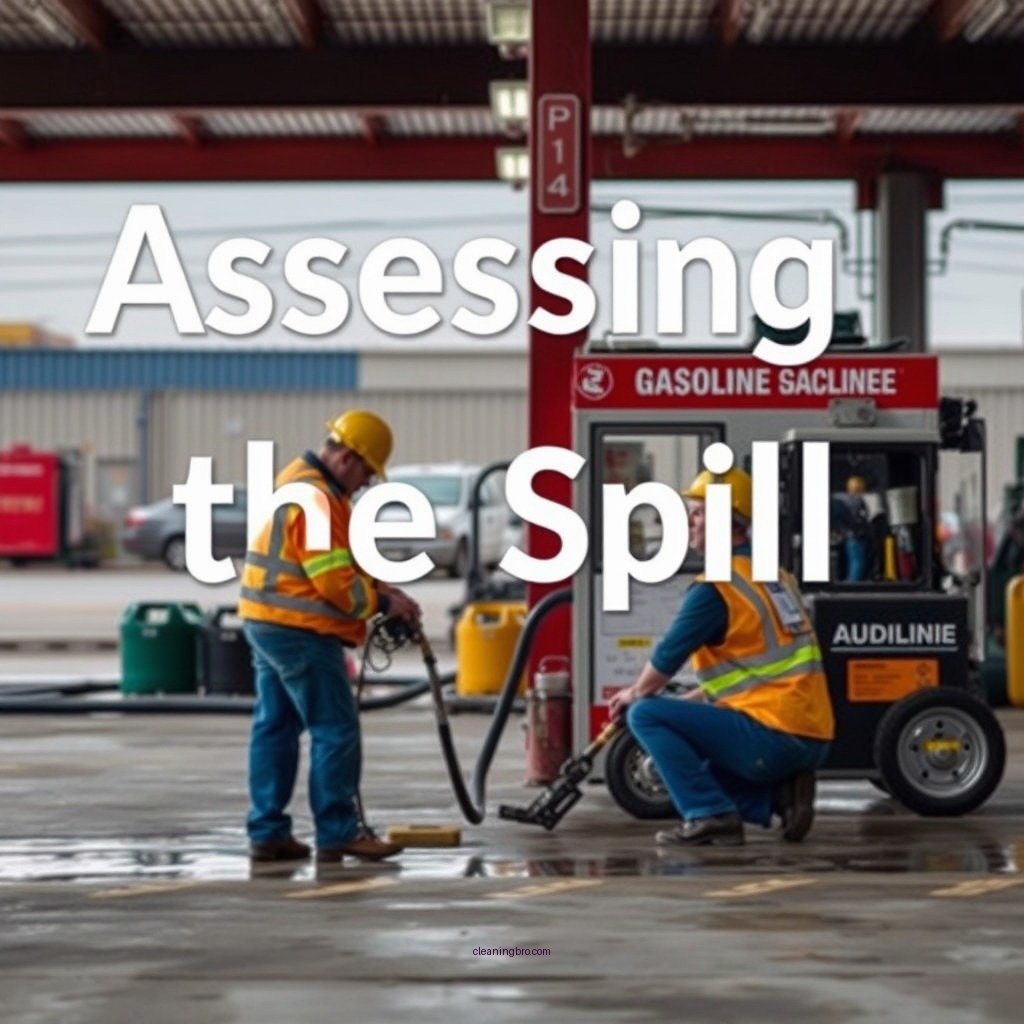
The first step in cleaning up a gasoline spill is assessing the extent of the spill. This involves determining how much gasoline has leaked and the potential for it to spread. A small spill may require less intervention than a larger one.
Check for safety hazards as well. Ensure there are no nearby open flames, sparks, or sources of ignition, as gasoline vapors can ignite easily. If the spill is extensive or if you are unsure about your ability to manage it safely, consider contacting a professional cleanup service.
Gathering Supplies
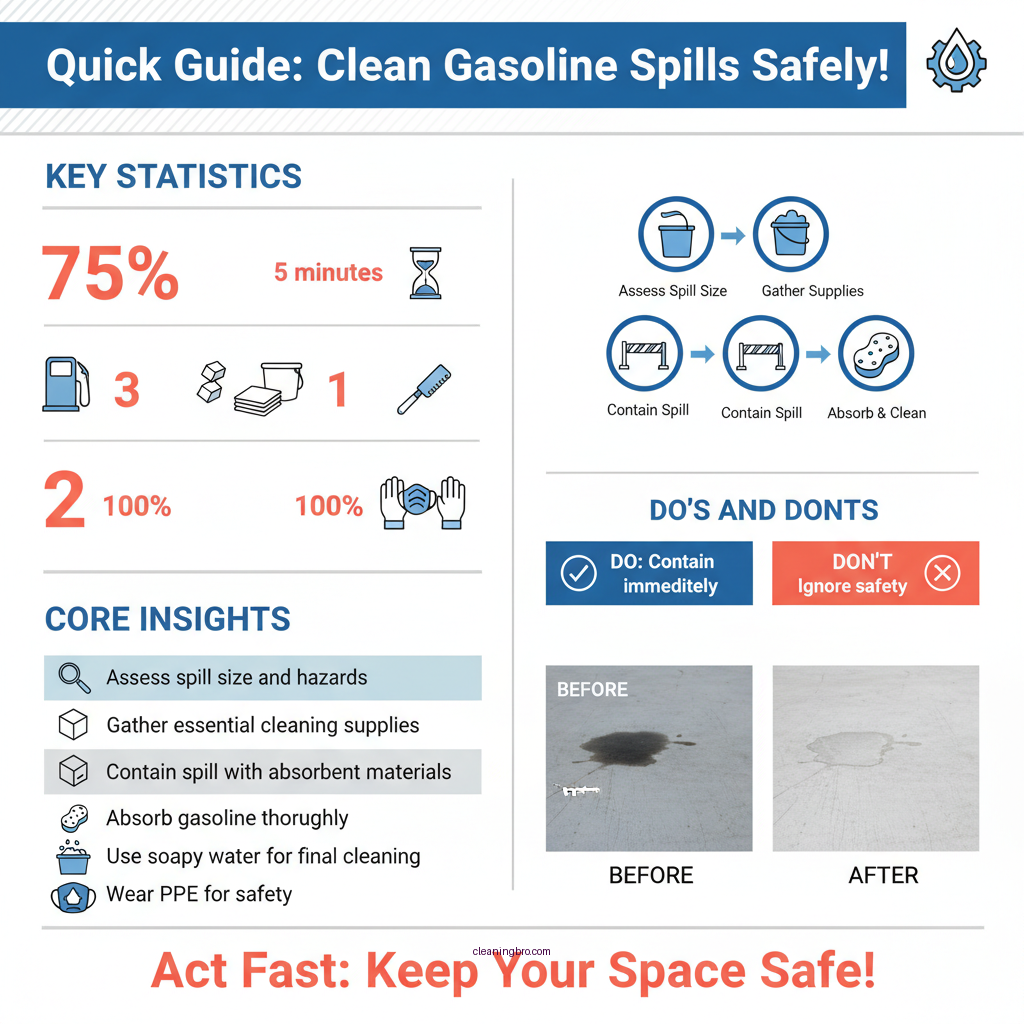
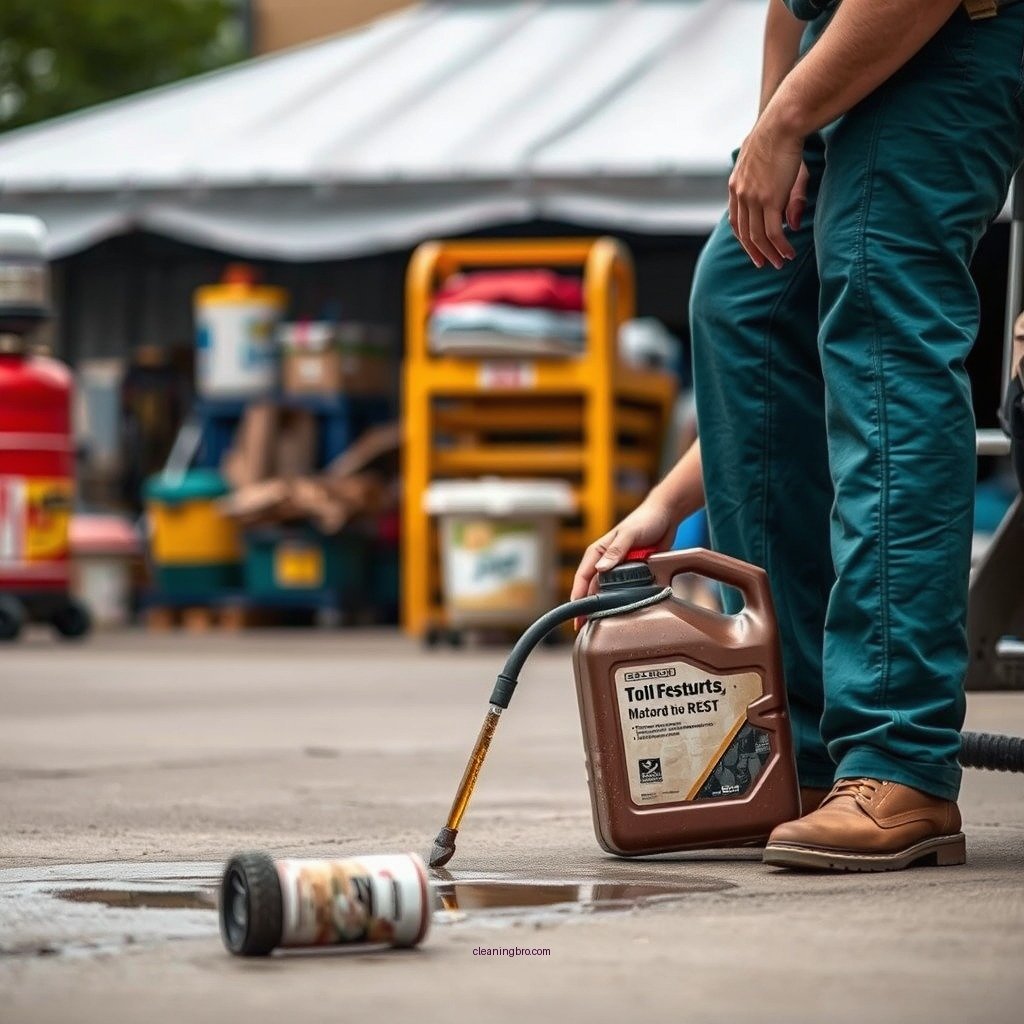
Having the right supplies on hand can make the cleanup process more efficient and effective. Here are the essential materials you should gather:
– Absorbent materials: Options include absorbent pads, kitty litter, sawdust, or commercial absorbent products specifically designed for petroleum spills.
– Cleaning tools: A stiff-bristle brush will help scrub the affected area. A bucket of warm, soapy water is also necessary for the final cleaning.
– Personal protective equipment (PPE): Wear gloves and a mask to protect yourself from gasoline fumes and potential skin contact. Eye protection is also advisable.
Containing the Spill
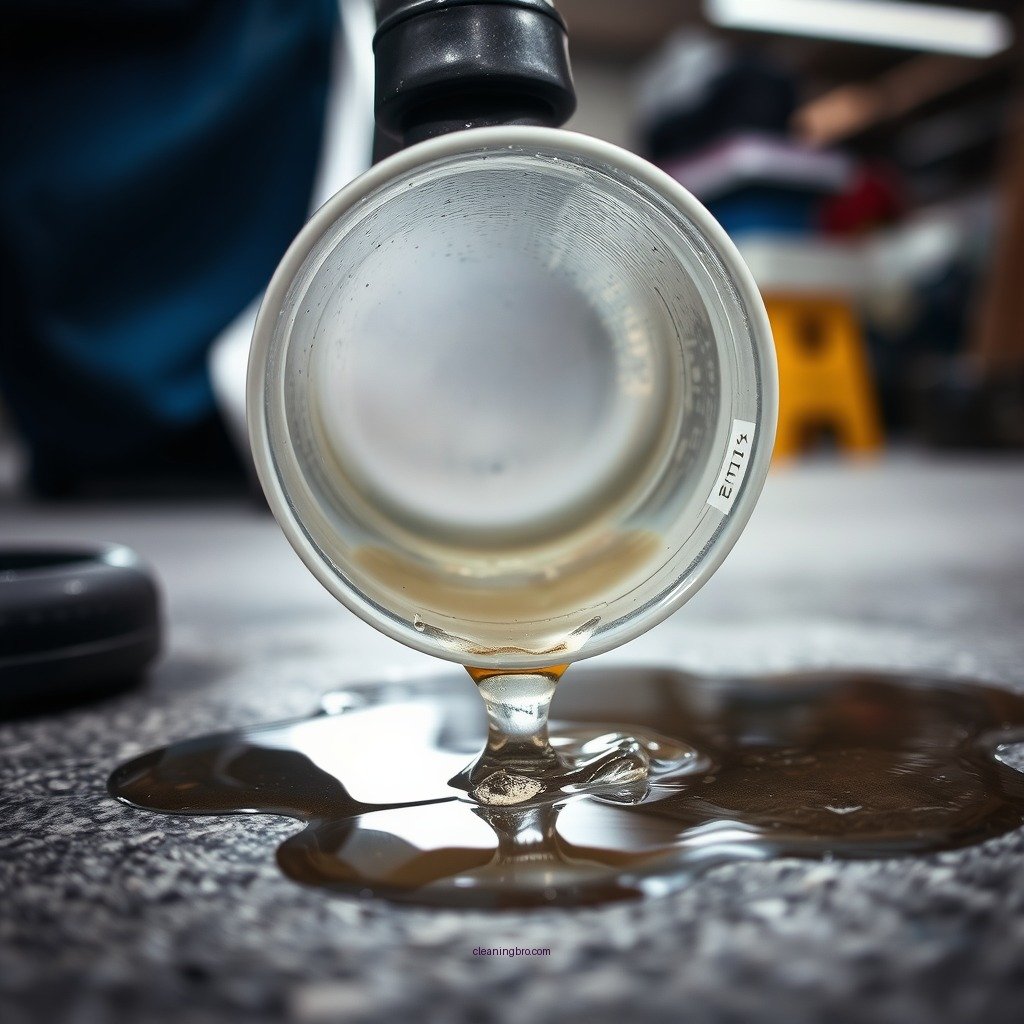
To prevent further spreading of the gasoline, you must contain the spill. Use your absorbent materials to create a barrier around the spill. This step is crucial, especially if the spill is large or if it is near drains that could carry gasoline away from the cleanup site.
Allow the absorbent material to sit for a few minutes, giving it time to soak up the gasoline effectively. This initial containment can significantly reduce the area that needs to be cleaned later.
Absorbing the Gasoline
Once the spill is contained, it’s time to absorb the gasoline. Generously sprinkle your chosen absorbent material over the spill. The amount used should be sufficient to cover the spill entirely, allowing it to soak up the gasoline effectively.
Let the material sit for at least 15 to 30 minutes. After this period, use a broom or shovel to sweep or scoop up the saturated absorbent. Proper disposal of this material is essential; follow local hazardous waste guidelines to ensure compliance and safety.
Cleaning the Area
After absorbing the gasoline, the next step is to clean the area thoroughly. Mix warm, soapy water in a bucket. Using a stiff-bristle brush, scrub the affected concrete surface to remove any remaining gasoline residue. Pay special attention to corners and crevices where gasoline may have pooled.
Once you have scrubbed the area, rinse it with clean water. Ensure that all soapy residue is removed, as leftover soap can create a slippery surface.
Neutralizing Odors
Even after cleaning, lingering gasoline odors can persist. To neutralize these smells, create a mixture of baking soda and water. Apply this paste to the affected area, allowing it to dry. Baking soda is effective at absorbing odors and can significantly improve the air quality in the vicinity.
Once the mixture has dried, sweep it away, and inspect the area for any remaining odors. If necessary, repeat the process until the smell is eliminated.
Safety Precautions
Safety should always be your top priority when dealing with gasoline spills. Here are some crucial safety precautions to follow:
– Protective gear: Always wear gloves and a mask to avoid inhaling fumes or coming into contact with gasoline.
– Ventilation: Ensure proper ventilation in the area to dissipate harmful vapors. Open windows and doors, or use fans to circulate air.
– Fire safety: Keep a fire extinguisher nearby and ensure that there are no sources of ignition, such as sparks or open flames, in the vicinity.
By adhering to these safety precautions, you can minimize risks associated with gasoline spills and ensure a safer cleanup process.
Cleaning up gasoline spills promptly and effectively is crucial to maintaining a safe environment. By following these steps, you can mitigate risks and restore your concrete surfaces. Remember to dispose of any contaminated materials safely and consider consulting professionals for larger spills. Take action now to ensure your space is clean and safe!
Top Absorbent Materials for Gasoline Spills
| # | Material | Absorption Capacity | Cost ($/lb) | Availability |
|---|---|---|---|---|
| 1 | Kitty Litter | 1.5-2.5 Lbs/gallon | 0.50 | Widely Available |
| 2 | Sawdust | 1-2 Lbs/gallon | 0.30 | Widely Available |
| 3 | Commercial Absorbent | 3-5 Lbs/gallon | 1.20 | Specialty Stores |
| 4 | Coconut Husk | 2-4 Lbs/gallon | 1.00 | Eco-Friendly Stores |
| 5 | Oil-Only Absorbent | 5-7 Lbs/gallon | 2.00 | Specialty Stores |
| 6 | Bentonite Clay | 2-3 Lbs/gallon | 0.80 | Agricultural Supply |
| 7 | Peat Moss | 1-2 Lbs/gallon | 0.60 | Garden Centers |
Effectiveness of Absorbent Materials for Gasoline Cleanup
Comparison of Absorbent Materials for Gasoline Cleanup
| Feature | ⭐ Commercial Absorbent | Kitty Litter | Sawdust |
|---|---|---|---|
| Absorption Rate | 90% | 85% | 65% |
| Cost Efficiency | Moderate | Low | Very Low |
| Reusability | Limited | Moderate | Recyclable |
| Speed of Absorption | Fast | Moderate | Slow |
| Environmental Impact | Moderate | Low | Low |
| Ease of Use | Easy | Very Easy | Easy |
| Availability | Specialty Stores | Widely Available | Widely Available |
| Health Risks | Moderate | Low | Low |
| Odor Control | Good | Moderate | Low |
| 🏆 Best For | Professional Cleanups | General Use | Home Use |
In conclusion, handling gasoline spills requires immediate action and the right materials. Assess the spill, gather your supplies, contain the area, absorb the gasoline, clean the surface, and neutralize any odors. Remember to prioritize safety by using personal protective equipment and ensuring proper ventilation. By following these detailed steps, you can effectively clean gasoline spills on concrete and maintain a safe environment. Always dispose of contaminated materials responsibly and consult professionals for larger or more hazardous spills.
Frequently Asked Questions
What is the best way to clean spilled gasoline on concrete?
The best way to clean spilled gasoline on concrete is to first absorb the liquid with an absorbent material like kitty litter or sawdust. After letting it sit for a few hours, sweep up the absorbent and then wash the area with a mixture of hot water and a degreasing detergent to remove any remaining residue.
How can I safely neutralize gasoline odor after a spill on concrete?
To neutralize gasoline odor after a spill, you can use a mixture of vinegar and water, or baking soda mixed with water. Apply the solution to the affected area, let it sit for several hours, and then scrub with a stiff brush before rinsing with clean water to eliminate the odor effectively.
Why is it important to clean gasoline spills on concrete immediately?
It is important to clean gasoline spills on concrete immediately to prevent the risk of fire hazards, as gasoline is highly flammable. Additionally, prompt cleaning helps avoid permanent stains and minimizes environmental contamination, ensuring safety for both humans and wildlife.
Which products are effective for cleaning gasoline spills from concrete?
Effective products for cleaning gasoline spills from concrete include commercial degreasers, enzymatic cleaners, or a homemade solution of dish soap mixed with hot water. Choose a product that specifically targets oil and grease for the best results, and always follow the manufacturer’s instructions for safe usage.
How do I remove a gasoline stain from concrete after it has dried?
To remove a dried gasoline stain from concrete, start by scraping off any residue and then apply a commercial concrete cleaner or a mixture of baking soda and water. After allowing it to sit for a while, scrub the area with a stiff brush and rinse thoroughly with water to lift the stain effectively.
References
- https://www.epa.gov/sites/default/files/2015-09/documents/cleaning-up-gasoline-spills.pdf
https://www.epa.gov/sites/default/files/2015-09/documents/cleaning-up-gasoline-spills.pdf - https://www.cdc.gov/niosh/docs/2012-103/pdfs/2012-103.pdf
https://www.cdc.gov/niosh/docs/2012-103/pdfs/2012-103.pdf - https://www.cdc.gov/niosh/nioshtic-2/20032188.html
https://www.cdc.gov/niosh/nioshtic-2/20032188.html - Office of Legislative and Public Affairs (OD/OLPA) | NSF – U.S. National Science Foundation
https://www.nsf.gov/od/lpa/news/press/2005/05/050714.htm - Google Scholar Google Scholar
https://scholar.google.com/scholar?q=how+to+clean+spilled+gasoline+on+concrete - Google Scholar Google Scholar
https://scholar.google.com/scholar?q=gasoline+spill+cleanup+methods - Google Scholar Google Scholar
https://scholar.google.com/scholar?q=environmental+impact+of+gasoline+spills - https://www.atsdr.cdc.gov/csem/gasoline/docs/gasoline.pdf
https://www.atsdr.cdc.gov/csem/gasoline/docs/gasoline.pdf - https://www.nature.com/articles/s41598-020-67999-0
https://www.nature.com/articles/s41598-020-67999-0 - how to clean spilled gasoline on concrete – Search results
https://en.wikipedia.org/wiki/Special:Search?search=how+to+clean+spilled+gasoline+on+concrete