How to Clean Stains in Your Pool: Effective Methods
Cleaning stains in your pool can be accomplished through a few effective methods that target different types of stains. By understanding the source of the stains and using the right cleaning techniques, you can restore the clarity and beauty of your pool water. In this article, you’ll learn practical steps to tackle common pool stains.
Understanding Pool Stains
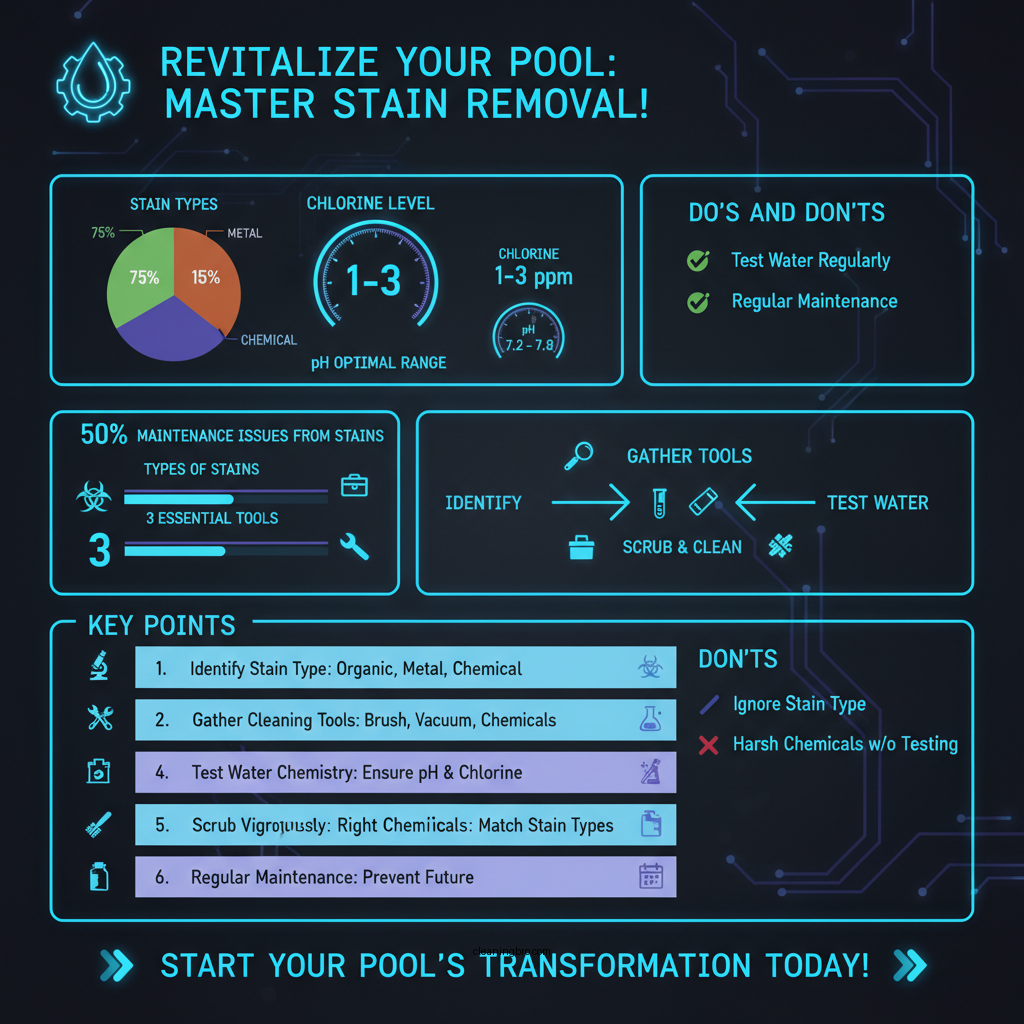
Pool stains can be categorized into three primary types: organic, metal, and chemical. Each type has a distinct origin and requires specific cleaning approaches.
– Organic Stains: These are typically caused by leaves, algae, and other organic matter. Algae growth can lead to unsightly green or black stains, while leaves and debris can leave brownish marks on the pool surface. Organic stains not only affect the aesthetics of your pool but can also deteriorate water quality by increasing the presence of bacteria.
– Metal Stains: Metal stains usually originate from minerals in the water, such as iron or copper. These stains often appear as green, brown, or rust-colored marks on pool surfaces. They can be particularly troublesome as they may result from corrosion of pool equipment or from the water source itself.
– Chemical Stains: These stains are often the result of improper chemical balance in the pool, particularly high chlorine levels. They can manifest as bleached spots or faded colors in the pool’s surface. Maintaining the right chemical balance is crucial not only for aesthetics but also for overall pool maintenance.
Understanding these stain types is essential for implementing the correct cleaning method and maintaining your pool’s integrity and appearance.
Preparing for Cleaning
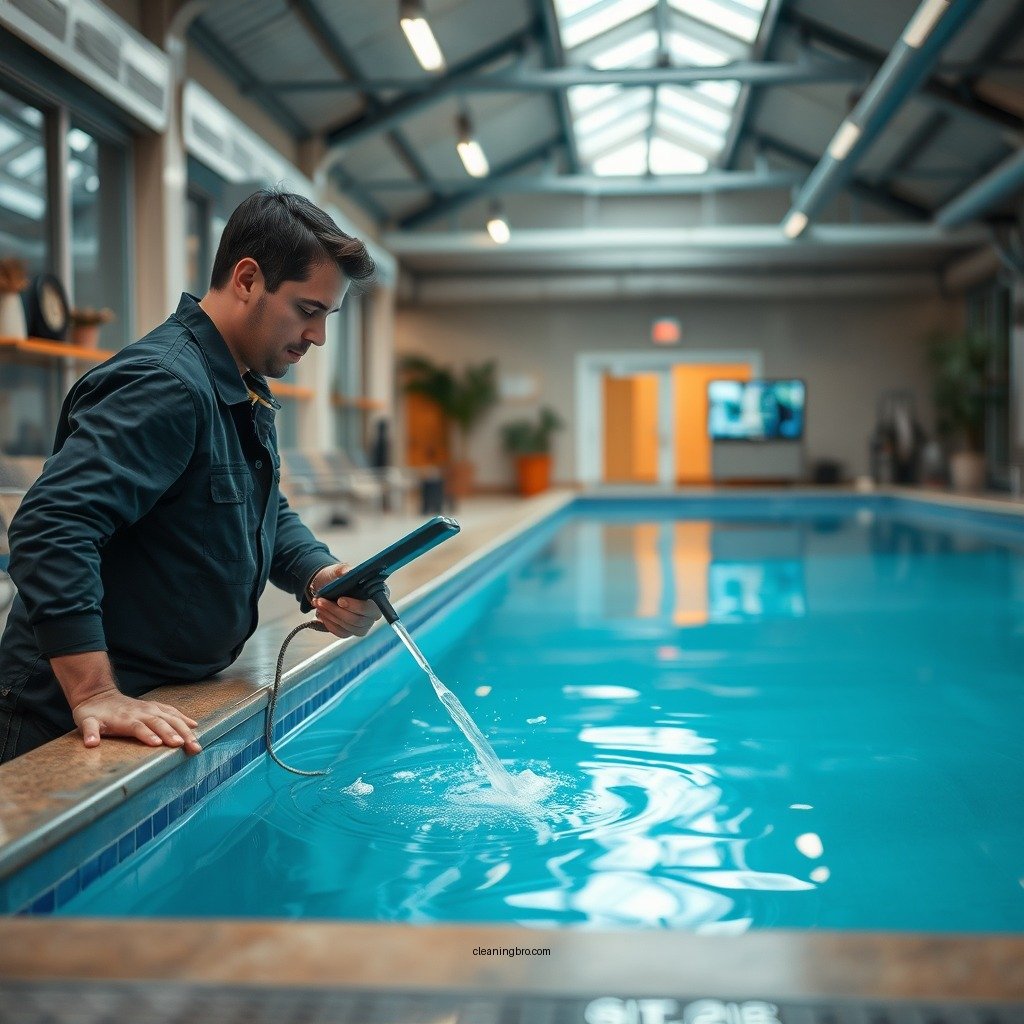
Before initiating any cleaning procedures, it’s vital to prepare adequately to ensure the process is effective and safe.
– Gather Essential Tools: Equip yourself with a pool brush, vacuum, and appropriate cleaning chemicals. A reliable pool brush is essential for scrubbing away stains, while a vacuum can help remove debris from the pool floor. Cleaning chemicals should be chosen based on the type of stain you are addressing—ensure that they are safe for your pool’s surface type.
– Test Pool Water: Conduct a water test to determine the pH and chlorine levels. Proper chemical balance will enhance the effectiveness of your cleaning efforts and prevent further staining. Aim for a pH level between 7.2 and 7.8 and ensure that chlorine levels are maintained within 1-3 ppm.
Cleaning Organic Stains
Organic stains are often the most common and can be effectively managed with the right techniques.
– Scrubbing with a Pool Brush: Start by using a pool brush to scrub the affected areas vigorously. This will help dislodge any algae or organic matter stuck to the pool’s surface. Focus on areas where stains are most prominent, such as corners and steps.
– Shock the Pool: After scrubbing, consider shocking the pool with chlorine. This process involves adding a large dose of chlorine to the water to eliminate any remaining organic matter. Shocking not only helps clear up stains but also disinfects the water, making it safe for swimming. Follow the manufacturer’s instructions for the proper dosage based on your pool’s size.
Removing Metal Stains
Metal stains require a targeted approach to effectively remove them without damaging your pool.
– Metal Stain Remover: For noticeable metal stains, apply a metal stain remover specifically designed for pools. These products contain chelating agents that bind to the metals, making them easier to wash away. Apply the remover directly to the stained areas and follow the manufacturer’s instructions.
– Using Vitamin C Tablets: For minor rust stains, you can use a simple home remedy with vitamin C tablets. Place a tablet on the stain and let it dissolve. The ascorbic acid in the vitamin C will help lift the rust stain from the pool surface. Rinse the area thoroughly afterward.
Tackling Chemical Stains
Chemical stains can be prevented with proper pool maintenance, but if they do occur, they require immediate attention.
– Balance Chemical Levels: Before cleaning, ensure that the pool’s chemical levels are balanced. High chlorine levels, in particular, can exacerbate fading and discoloration. Use a pool test kit to check for high chlorine levels and adjust accordingly.
– Preventative Measures: After addressing chemical stains, consider using an algaecide as a preventative measure. This will help inhibit future algae growth and keep your pool cleaner for longer periods.
Preventing Future Stains
Regular maintenance is crucial in preventing stains from becoming a recurring issue.
– Regular Cleaning Schedule: Establish a routine cleaning schedule that includes skimming, brushing, and vacuuming the pool. Regular maintenance will help keep debris and organic matter at bay, reducing the risk of staining.
– Use Pool Covers: Invest in a pool cover to minimize debris accumulation when the pool is not in use. Covers not only protect against leaves and dirt but also help maintain water temperature and reduce evaporation.
– Proper Filtration: Ensure that your pool’s filtration system is functioning effectively. A well-maintained filter will help remove contaminants and particles from the water, further reducing the chances of staining.
When to Call a Professional
While many pool stains can be managed with DIY methods, certain situations may warrant professional help.
– Persistent Stains: If you encounter stains that do not respond to cleaning efforts or appear to worsen over time, it may be time to consult a professional. They can diagnose underlying issues and provide effective solutions.
– Water Quality Issues: If you experience ongoing water quality problems, such as cloudy water or persistent algae growth, a professional can perform a thorough analysis and recommend the best course of action.
– Long-term Maintenance: Hiring a professional cleaning service can be beneficial for long-term pool maintenance, ensuring that your pool remains in optimal condition throughout the swimming season.
Top 7 Pool Cleaning Products (2024)
| # | Product | Type | Effective Against | User Rating |
|---|---|---|---|---|
| 1 | CLOROX Pool & Spa | Shock | Algae, Organic Matter | ★★★★☆ |
| 2 | HTH Super Shock | Shock | Bacteria, Algae | ★★★★★ |
| 3 | BioGuard All-in-One | Multi-purpose | Stains, Algae | ★★★★☆ |
| 4 | Natural Chemistry Metal Free | Metal Remover | Metal Stains | ★★★★☆ |
| 5 | In The Swim Algaecide | Algaecide | Algae | ★★★★★ |
| 6 | Pool Rx | Algaecide | Algae | ★★★★☆ |
| 7 | Leslie’s Algae Control | Algaecide | Algae | ★★★★☆ |
Pool Cleaning Methods: Manual vs. Automated vs. Chemical Treatment
| Feature | ⭐ Manual Cleaning | Automated Cleaning | Chemical Treatment |
|---|---|---|---|
| Cost | Low | Medium | Varies |
| Effectiveness | High | High | Moderate |
| Labor Intensity | High | Low | Low |
| Time Required | High | Low | Varies |
| Skill Level Required | Medium | Low | Medium |
| Suitability for Large Pools | Low | High | Medium |
| Environmental Impact | Low | Medium | High |
| Ease of Use | Medium | High | Low |
| Overall Effectiveness | High | High | Moderate |
| 🏆 Best For | Hands-on users | Busy homeowners | Chemical maintenance |
By following these steps, you can effectively clean and maintain your pool, ensuring it remains a beautiful and inviting space. Regular upkeep and proactive measures will prevent stains from becoming a recurring problem. Take action today and enjoy a pristine pool all season long!
Frequently Asked Questions
What are the best methods to remove stains from a vinyl pool liner?
To effectively remove stains from a vinyl pool liner, you can use a mixture of baking soda and water to create a paste. Apply it directly to the stained area and gently scrub with a soft cloth or sponge. For tougher stains, consider using a specialized vinyl cleaner that is safe for pool liners, ensuring you follow the manufacturer’s instructions for best results.
How can I get rid of algae stains in my pool?
To eliminate algae stains, start by shocking your pool with chlorine to kill the algae. After the shock treatment, brush the stained areas with a pool brush to dislodge any remaining algae. Regularly maintaining proper water chemistry and ensuring proper circulation can help prevent future algae growth and stains.
Why do stains appear on the bottom of my swimming pool?
Stains can appear on the bottom of your swimming pool due to several factors, including metal deposits from pool equipment, organic matter like leaves and dirt, or algae growth. Poor water chemistry and imbalanced pH levels can also contribute to stains. Regular testing and balancing of your pool water can help prevent these unsightly blemishes.
Which products are most effective for removing rust stains from a pool?
For rust stains in pools, products containing oxalic acid or phosphoric acid are highly effective. These chemicals work to break down the rust particles and can be found in rust stain removers specifically designed for swimming pools. Always follow the instructions carefully to ensure safety and effectiveness when using these products.
How do I clean tile stains around my pool?
To clean tile stains around your pool, you can use a mixture of vinegar and water to break down grime and mineral deposits. Apply the solution to the stained tiles and scrub with a soft brush. For stubborn stains, consider a commercial tile cleaner that is safe for pool use, ensuring you rinse thoroughly afterward to prevent any chemical residue.
References
- https://www.sciencedirect.com/topics/agricultural-and-biological-sciences/pool-cleaning
https://www.sciencedirect.com/topics/agricultural-and-biological-sciences/pool-cleaning - https://www.britannica.com/science/pool-chemistry
https://www.britannica.com/science/pool-chemistry - https://www.poolandspa.com/pool-cleaning-tips
https://www.poolandspa.com/pool-cleaning-tips - https://www.cdc.gov/healthywater/drinking/pools/pool-safety.html
https://www.cdc.gov/healthywater/drinking/pools/pool-safety.html - https://www.nature.com/articles/s41598-020-77527-7
https://www.nature.com/articles/s41598-020-77527-7 - https://www.ncbi.nlm.nih.gov/pmc/articles/PMC5419268/
https://www.ncbi.nlm.nih.gov/pmc/articles/PMC5419268/ - Google Scholar Google Scholar
https://scholar.google.com/scholar?q=how+to+clean+stains+in+pool - Google Scholar Google Scholar
https://scholar.google.com/scholar?q=pool+cleaning+methods - Google Scholar Google Scholar
https://scholar.google.com/scholar?q=swimming+pool+maintenance+stains - how to clean stains in pool – Search results
https://en.wikipedia.org/wiki/Special:Search?search=how+to+clean+stains+in+pool