How to Clean Stamps After Use: A Simple Guide
Cleaning your stamps after use is crucial for maintaining their quality and longevity. Proper cleaning techniques and materials ensure that your stamps are in excellent condition and ready for your next crafting project. In this guide, you’ll learn the best methods for cleaning various types of stamps, including rubber, clear, and foam, along with essential tips for their maintenance.
Understanding the Type of Stamp
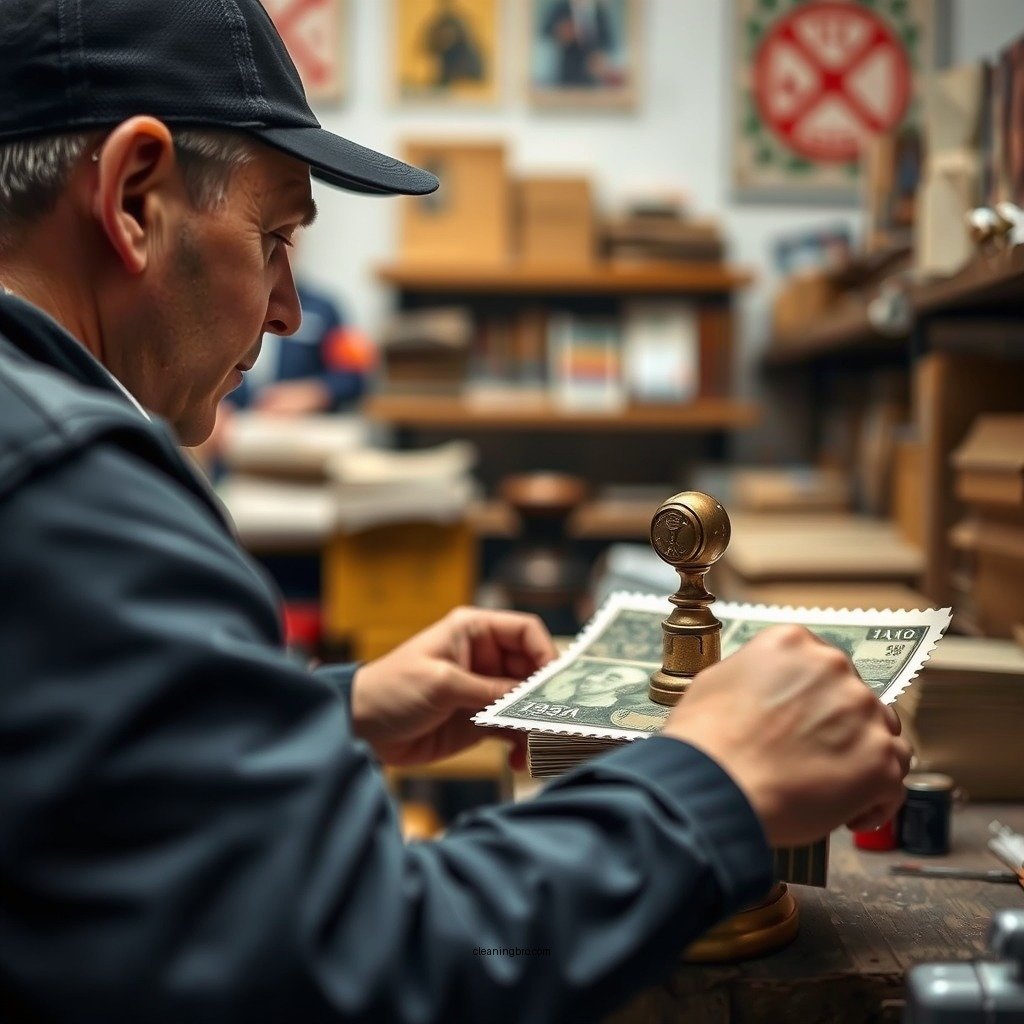
Stamps come in various materials, each requiring distinct care. The three main types of stamps are rubber, clear, and foam stamps, and understanding these differences is pivotal to their proper cleaning.
– Rubber Stamps: These are traditional stamps made from rubber materials and are often mounted on wood or acrylic blocks. Their robust nature allows them to last a long time, but they can absorb ink and require special care to prevent staining and degradation.
– Clear Stamps: Made from transparent material, clear stamps offer flexibility and visibility during stamping. However, they can become cloudy or discolored if not cleaned properly. The cleaning process is crucial to maintaining their clarity and effectiveness.
– Foam Stamps: Foam stamps are lightweight and easy to handle, often used for larger designs. However, they can absorb inks and colors, making proper cleaning essential to preserve their shape and functionality.
Understanding the specific needs of each type ensures that you use the right cleaning methods, ultimately extending the life of your stamps.
Essential Cleaning Supplies
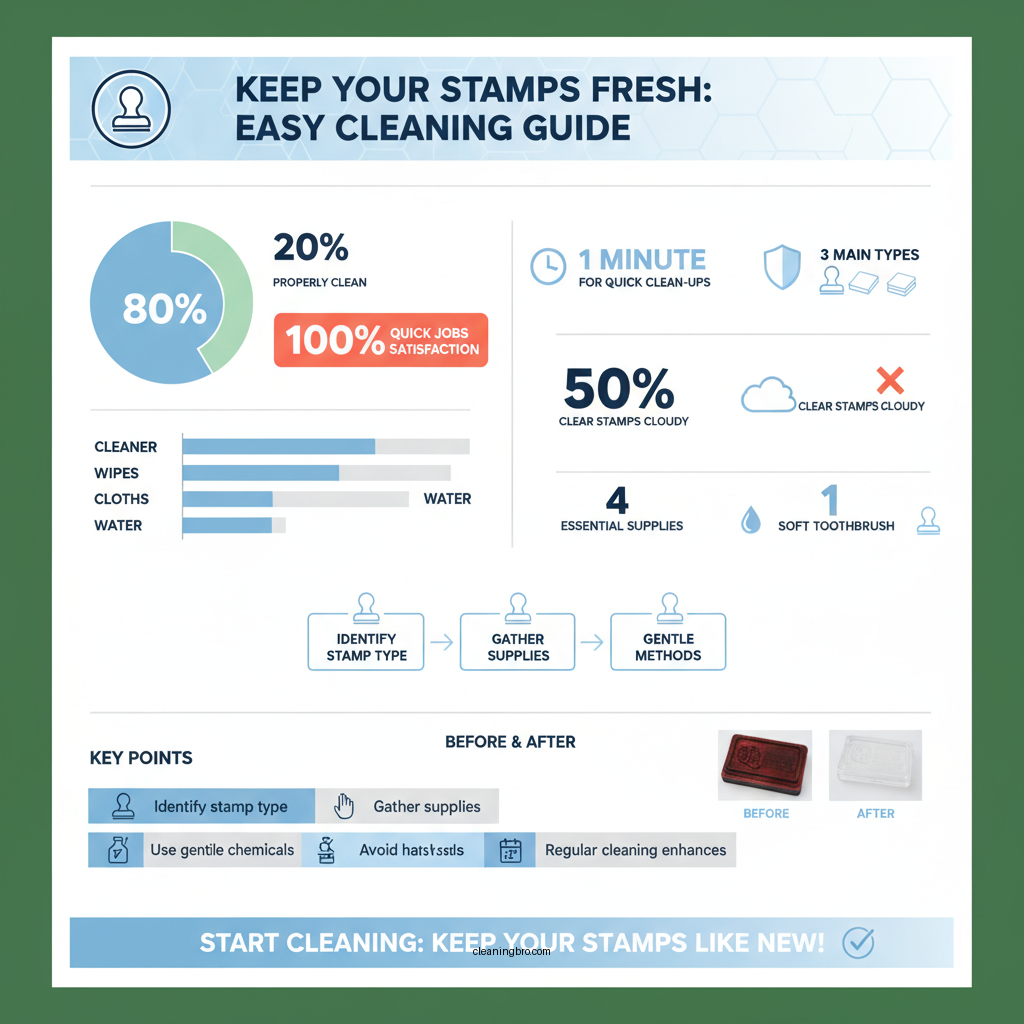
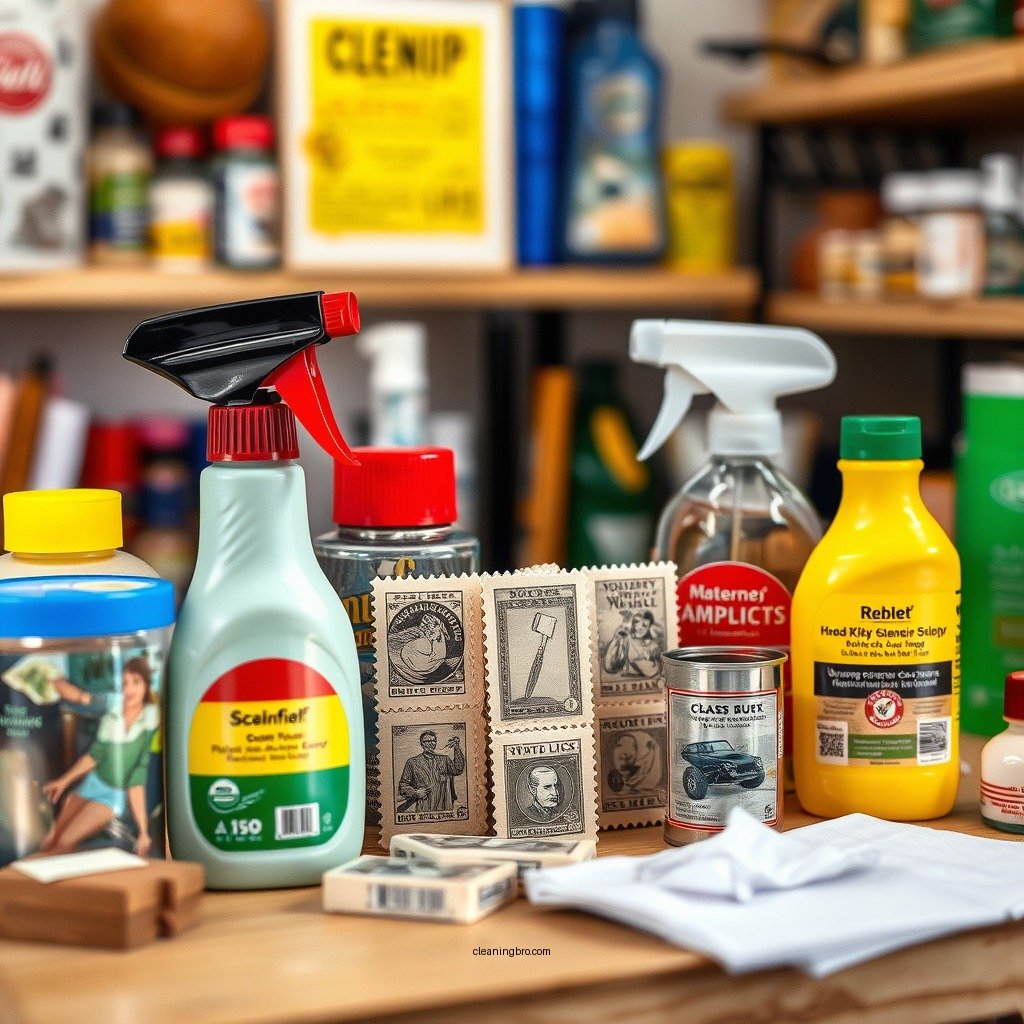
To effectively clean your stamps, gather the following essential supplies:
1. Stamp Cleaner: A specialized stamp cleaner is the most effective solution for removing ink. Choose one that is compatible with the type of ink you use on your stamps.
2. Baby Wipes: These are a convenient option for quick cleaning, especially for clear stamps. They are gentle and usually alcohol-free, making them safe for most stamp materials.
3. Soft Cloths: Microfiber or soft cotton cloths are perfect for wiping stamps without causing scratches or damage.
4. Water: For clear stamps, rinsing with warm water can often suffice to remove ink.
5. Soft Toothbrush: This can be useful for scrubbing stubborn stains, especially on rubber stamps.
Avoid using harsh chemicals or abrasive materials, as these can damage the stamps over time.
Cleaning Rubber Stamps
Cleaning rubber stamps requires a gentle touch to preserve their quality. Here’s how to do it effectively:
1. Use a Gentle Stamp Cleaner: Apply a small amount of stamp cleaner to a soft cloth or directly onto the stamp. Gently wipe the surface to remove any ink residue.
2. Scrub Lightly for Stubborn Stains: If you encounter stubborn stains, use a soft toothbrush to scrub the area lightly. Be careful not to apply too much pressure, as this can damage the rubber material.
3. Rinse and Dry: After cleaning, rinse the stamp under running water to remove any remaining cleaner. Pat it dry with a soft cloth before storing.
4. Store Properly: Ensure your rubber stamps are stored flat or upright in a cool, dry place to prevent warping.
Cleaning Clear Stamps
Clear stamps are relatively easy to clean but require special care to maintain their transparency. Follow these steps:
1. Rinse Under Warm Water: Quickly rinsing clear stamps under warm water can effectively remove most inks. This is particularly useful for water-based inks.
2. Use Non-Abrasive Cleaner: If stains persist, apply a non-abrasive cleaner specifically designed for clear stamps. Avoid anything that may scratch the surface.
3. Dry Thoroughly: After cleaning, dry your clear stamps with a soft cloth to prevent water spots and maintain clarity.
4. Avoid Direct Sunlight: Store clear stamps away from direct sunlight to prevent yellowing and maintain their transparency.
Cleaning Foam Stamps
Foam stamps require a bit more care due to their material. Here’s how to clean them effectively:
1. Dab with a Damp Cloth: Instead of soaking, use a damp cloth to dab the foam surface gently. This helps lift off the ink without saturating the foam.
2. Use Mild Soap if Necessary: If ink remains, a mild soap solution can be used. Apply it gently and rinse with a damp cloth.
3. Store Flat: To avoid damage, always store foam stamps flat or gently stacked. Avoid bending or folding them, as this can cause permanent creases.
4. Keep Away from Extreme Temperatures: Store foam stamps in a stable environment, avoiding high heat or humidity, which can warp the material.
Tips for Preventative Maintenance
Maintaining your stamps is easier than cleaning them after every use. Here are some preventative maintenance tips:
– Clean Immediately After Use: The best way to prevent ink buildup and staining is to clean your stamps immediately after use. This ensures that the ink does not dry and become harder to remove.
– Store Stamps Properly: Use cases or containers to keep stamps organized and protected from dust. Proper storage prevents physical damage and keeps them clean.
– Inspect Regularly: Regularly check your stamps for any signs of wear or damage. Early detection can save you from having to replace them.
– Use Appropriate Inks: Using non-permanent inks can reduce the risk of staining and make cleaning easier.
When to Replace Stamps
Even with the best care, stamps may eventually need to be replaced. Look for the following signs:
– Cracks or Tears: If you notice any physical damage to the stamp material, it is time to replace it, as this can affect the quality of the impression.
– Loss of Detail: If your stamps no longer produce clear images or have lost detail, it may indicate that they have worn down too much.
– Persistent Stains: If a stamp cannot be cleaned properly despite repeated attempts, it might be more cost-effective to replace it than to continue trying to restore it.
– Deformed Shapes: If stamps lose their intended shape, they may not produce the desired results, warranting replacement.
By keeping an eye on the condition of your stamps, you can ensure that you are always using tools that produce the best results.
Top 7 Stamp Cleaning Supplies (2024)
| # | Cleaning Item | Type | Best For |
|---|---|---|---|
| 1 | StazOn Cleaner | Liquid | Rubber Stamps |
| 2 | VersaMark Ink Cleaner | Liquid | Clear Stamps |
| 3 | Mister Huey’s Color Mist | Spray | Foam Stamps |
| 4 | Baby Wipes | Wipe | Quick Cleaning |
| 5 | Ranger Ink Cleanser | Liquid | General Cleaning |
| 6 | Microfiber Cloth | Cloth | All Types |
| 7 | Water | Liquid | Basic Cleaning |
Best Stamp Cleaning Supplies Comparison
| Feature | ⭐ StazOn Cleaner | VersaMark Ink Cleaner | Mister Huey’s Color Mist |
|---|---|---|---|
| Type | Liquid | Liquid | Spray |
| Quick Cleaning | ✅ | ✅ | ❌ |
| Best For | Rubber Stamps | Clear Stamps | Foam Stamps |
| Non-toxic | ✅ | ✅ | ❌ |
| Value for Money | High | Medium | Low |
| Availability | Widely Available | Moderately Available | Limited Availability |
| User Reviews | 4.7/5 | 4.5/5 | 3.8/5 |
| Odor | Low | Moderate | High |
| Versatility | High | Medium | Low |
| 🏆 Best For | Serious Crafters | Clear Stamp Users | Foam Stamp Users |
Cleaning your stamps properly not only extends their lifespan but also enhances your crafting experience. By following the techniques outlined in this guide, you can ensure your stamps remain in excellent condition for all your future projects. Don’t forget to gather your supplies and start cleaning right after your next crafting session!
Frequently Asked Questions
How can I clean rubber stamps after using them with dye ink?
To clean rubber stamps used with dye ink, simply use warm, soapy water and a soft cloth or sponge. Gently scrub the stamp surface to remove any ink residue, then rinse thoroughly and pat dry with a paper towel. Avoid using alcohol-based cleaners as they can damage the rubber.
What is the best way to clean clear acrylic stamps?
The best way to clean clear acrylic stamps is to use a stamp cleaning solution or a mixture of water and mild soap. After using the stamp, immediately wipe it with a damp cloth or paper towel to prevent ink from drying. For stubborn ink stains, a gentle scrub with a soft brush can be effective.
Why is it important to clean stamps after each use?
Cleaning stamps after each use is crucial to maintain their quality and longevity. Residual ink can dry and harden, leading to staining and potential damage to the rubber or acrylic material. Regular cleaning ensures that your stamps remain in good condition and produce clear impressions for future projects.
Which products are recommended for cleaning stamps effectively?
Recommended products for effective stamp cleaning include specialized stamp cleaners, baby wipes, and mild dish soap mixed with water. These options are gentle on the materials yet effective at removing ink. Additionally, a soft brush or cloth can help reach intricate details without causing damage.
How do I remove permanent ink from rubber stamps?
To remove permanent ink from rubber stamps, use a solvent-based cleaner or rubbing alcohol on a cotton pad. Apply the cleaner to the stained area, allowing it to sit for a few moments before gently wiping it away. Repeat as necessary, but be cautious as excessive use can degrade the rubber over time.
References
- Stamp collecting
https://en.wikipedia.org/wiki/Stamp_collecting#Cleaning_stamps - https://www.britannica.com/art/stamp-collecting
https://www.britannica.com/art/stamp-collecting - Google Scholar Google Scholar
https://scholar.google.com/scholar?q=how+to+clean+stamps+after+use - Google Scholar Google Scholar
https://scholar.google.com/scholar?q=cleaning+stamps+techniques - Google Scholar Google Scholar
https://scholar.google.com/scholar?q=postage+stamp+cleaning+methods - https://www.nature.com/articles/s41598-020-66745-5
https://www.nature.com/articles/s41598-020-66745-5 - https://pubmed.ncbi.nlm.nih.gov/28771901/
https://pubmed.ncbi.nlm.nih.gov/28771901/ - https://www.cdc.gov/healthywater/drinking/cleaning.html
https://www.cdc.gov/healthywater/drinking/cleaning.html - https://www.who.int/news-room/fact-sheets/detail/water-sanitation-hygiene-and-human-health
https://www.who.int/news-room/fact-sheets/detail/water-sanitation-hygiene-and-human-health - how to clean stamps after use – Search results
https://en.wikipedia.org/wiki/Special:Search?search=how+to+clean+stamps+after+use