How to Clean Table Tennis Rubber: A Step-by-Step Guide
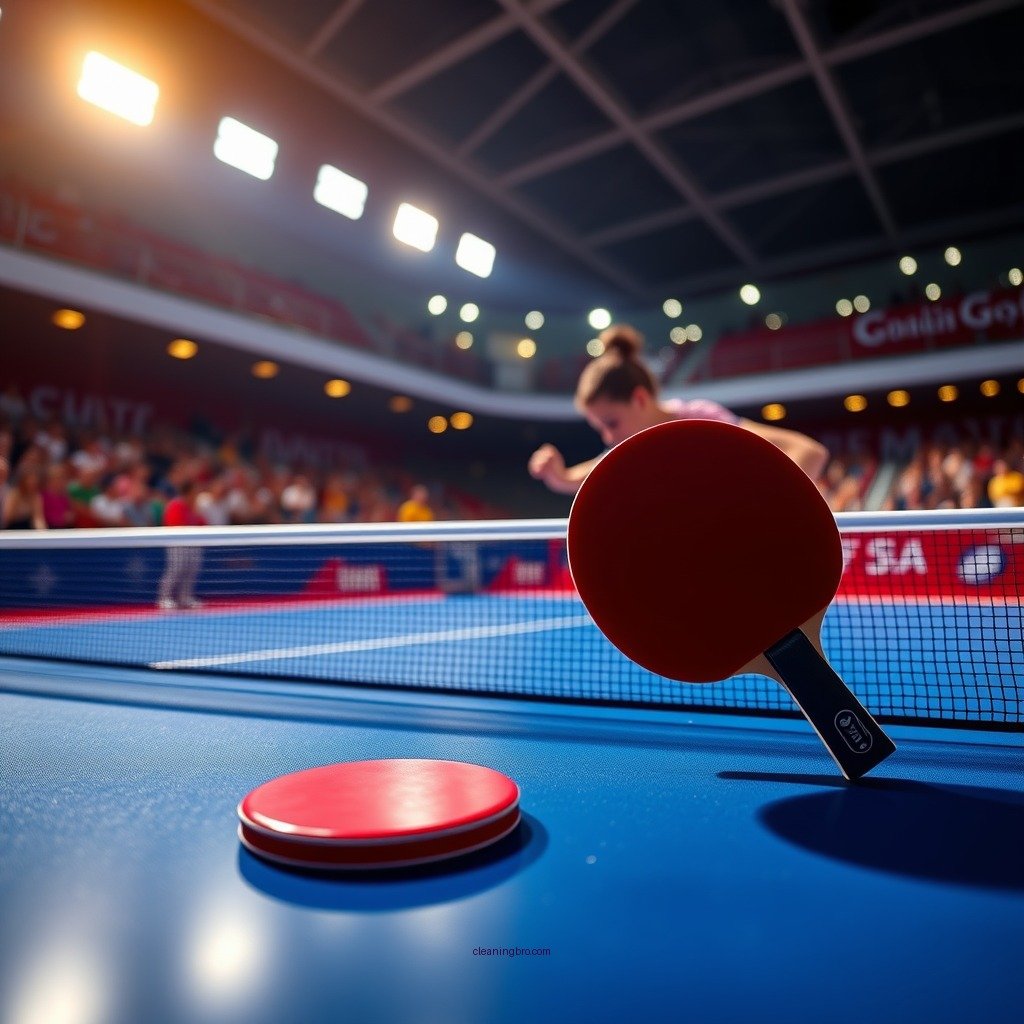
Cleaning your table tennis rubber is essential for maintaining optimal performance and prolonging its lifespan. The best way to clean your rubber is to use a specialized cleaner or a mild soap solution, followed by a thorough rinse and drying. In this guide, you’ll learn effective methods and tips to keep your table tennis rubber in top condition.
Understanding the Importance of Cleaning
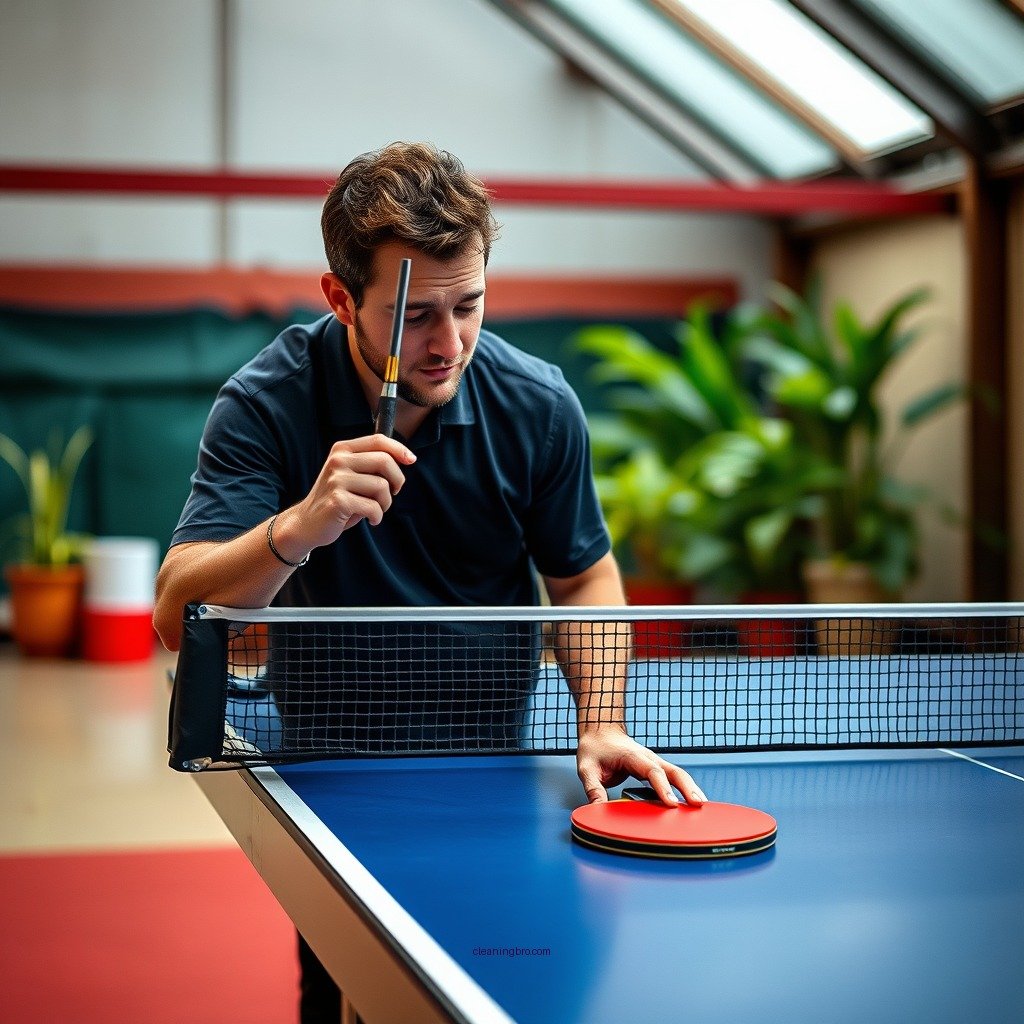
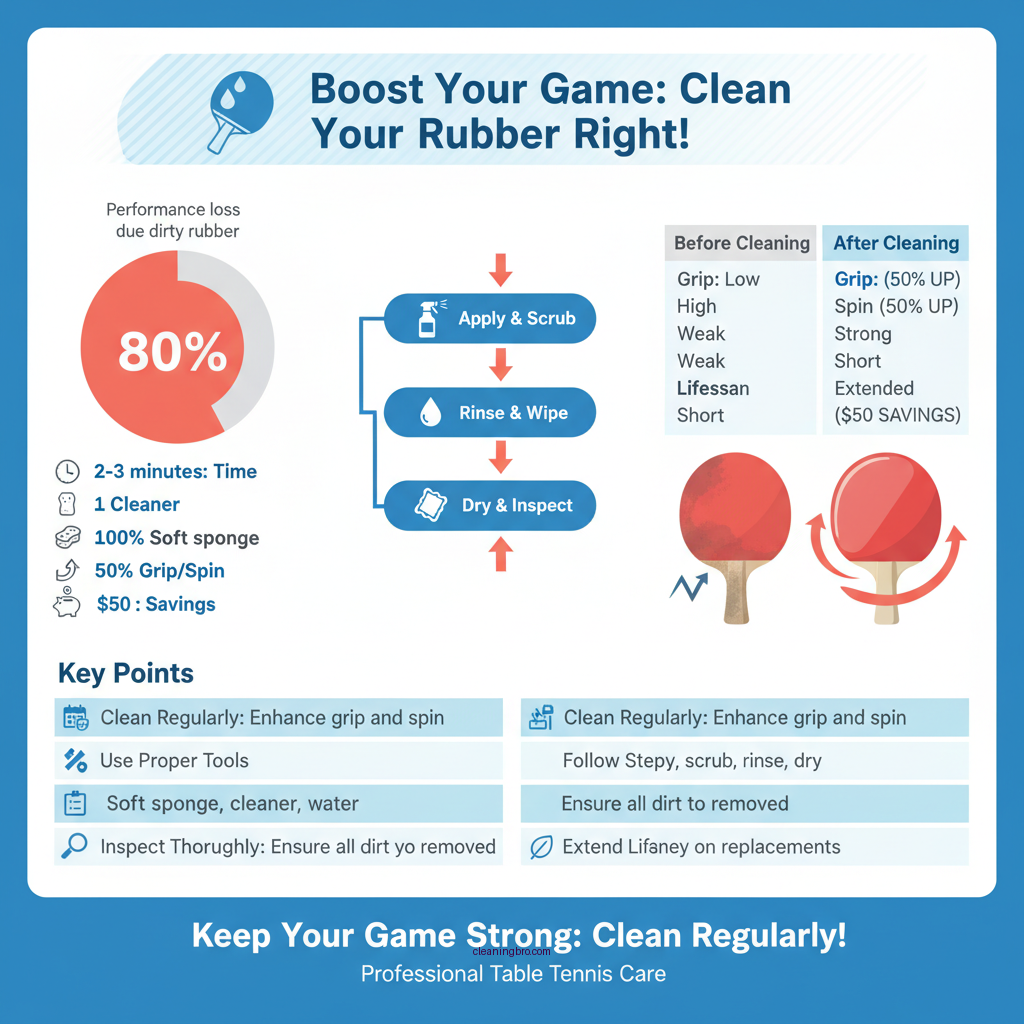
Regular cleaning of your table tennis rubber is not merely a matter of aesthetics; it plays a crucial role in enhancing your gameplay. Cleaning enhances grip and spin, which are vital for executing various shots effectively. Over time, dirt, dust, and sweat can accumulate on the rubber surface, compromising its ability to grip the ball properly. This buildup can lead to a significant reduction in performance, including a loss of spin and control over the ball.
Moreover, regular cleaning prevents dirt buildup that can lead to premature wear and tear of the rubber. By taking the time to clean your rubber regularly, you can extend its lifespan, ensuring that your equipment remains in peak condition for longer. This not only saves you money in the long run but also enhances your overall playing experience.
Tools and Materials Needed
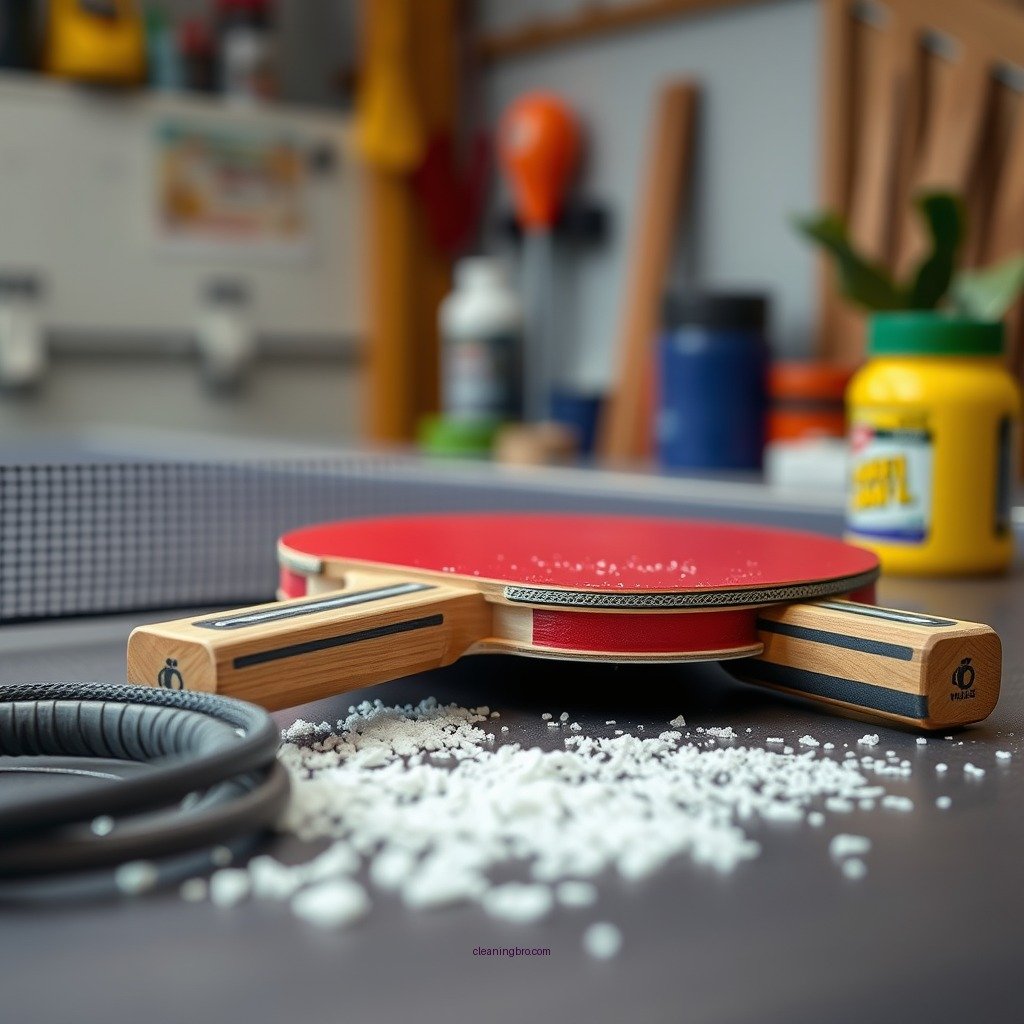
To effectively clean your table tennis rubber, you will need the following tools and materials:
– Table Tennis Rubber Cleaner or Mild Soap: Specialized cleaners are often formulated to be gentle on rubber while effectively removing dirt. If you choose a soap solution, make sure it is mild and free from harsh chemicals.
– Soft Sponge or Cloth: A soft sponge or microfiber cloth is essential to avoid scratching the rubber surface during cleaning.
– Water: Clean, lukewarm water is ideal for rinsing off the soap or cleaner after application.
Having these materials ready will ensure a smooth and efficient cleaning process.
Step-by-Step Cleaning Process
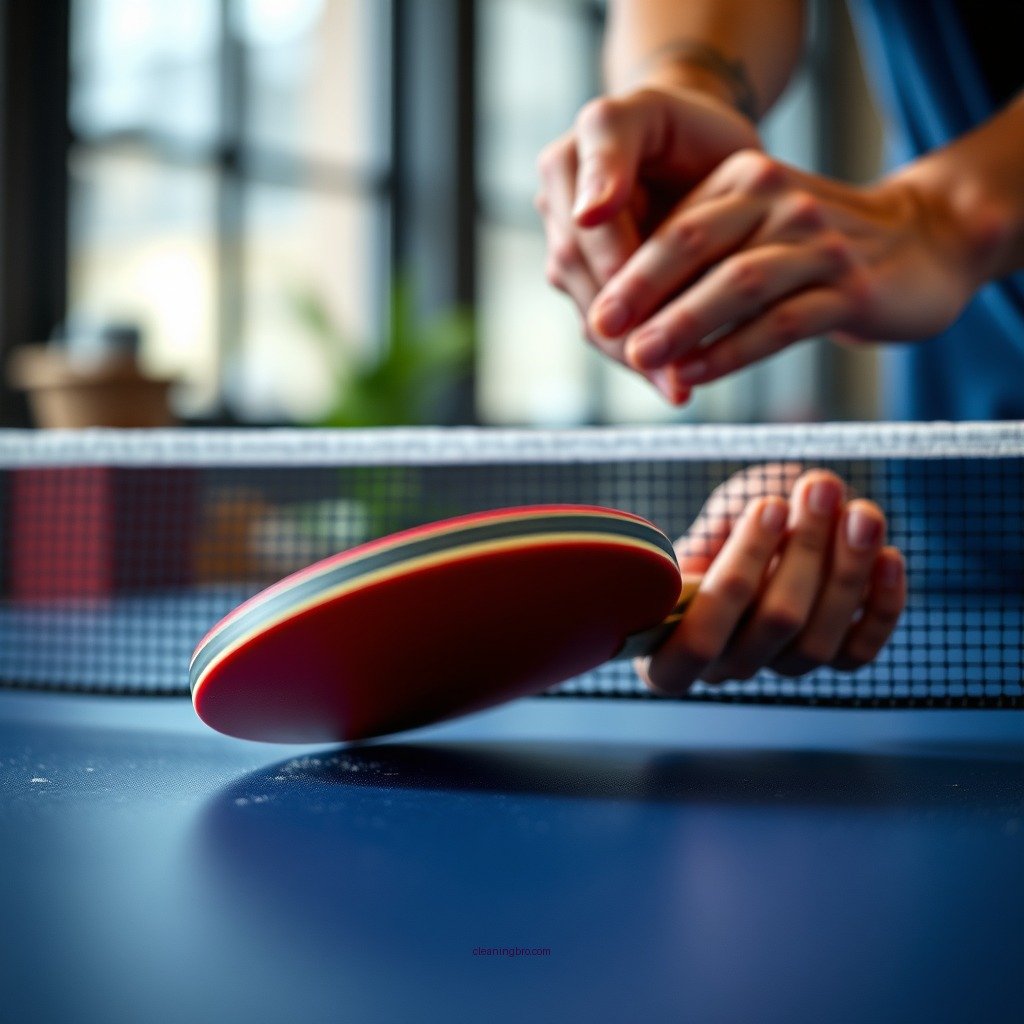
1. Apply the Cleaner or Soap Solution: Start by applying a small amount of your chosen cleaner directly onto the rubber surface. If you are using a soap solution, dilute it with water according to the manufacturer’s instructions.
2. Gently Scrub with a Soft Sponge or Cloth: Using a soft sponge or cloth, gently scrub the rubber in circular motions. Focus on areas where dirt and grime have accumulated, but avoid applying excessive pressure, as this could damage the rubber.
3. Inspect the Surface: After scrubbing, take a moment to inspect the rubber for any remaining dirt or stains. If necessary, repeat the cleaning process in those specific areas.
Rinsing and Drying Techniques
1. Rinse Thoroughly with Clean Water: Once you are satisfied with the cleaning, rinse the rubber thoroughly with clean, lukewarm water. This step is crucial to remove all soap residues which could affect the rubber’s performance if left behind.
2. Drying: After rinsing, use a dry cloth to wipe off excess moisture. It’s important to ensure that no water remains on the rubber, as this can lead to mold growth. After wiping, allow the rubber to air dry completely before storing your paddle. Ideally, place it in a well-ventilated area away from direct sunlight, which can cause the rubber to degrade over time.
Maintenance Tips for Longevity
To maximize the lifespan of your table tennis rubber, consider the following maintenance tips:
– Clean Your Rubber After Every Use: Consistency is key. Cleaning your rubber after every session will prevent dirt buildup and maintain optimal performance.
– Store Your Paddle in a Protective Case: When not in use, store your paddle in a protective case. This minimizes exposure to dust and prevents physical damage.
– Avoid Excessive Moisture: Ensure that your paddle is completely dry before putting it away. Excess moisture can lead to mold and reduce the rubber’s effectiveness.
Common Mistakes to Avoid
While cleaning your table tennis rubber is straightforward, there are common pitfalls to avoid:
– Using Harsh Chemicals: Avoid cleaners that contain alcohol or abrasive ingredients, as these can damage the rubber surface and affect its performance.
– Not Allowing Adequate Drying Time: Rushing the drying process can lead to mold growth, which will not only damage the rubber but also pose health risks.
By being mindful of these mistakes, you can ensure that your cleaning routine is effective and safe.
When to Replace Your Rubber
Despite your best efforts to clean and maintain your table tennis rubber, there will come a time when replacement is necessary. Here are some signs to look out for:
– Signs of Wear: If you notice cracks, peeling, or significant wear on the rubber surface, it’s time to replace it. Worn-out rubber will not provide the necessary grip and spin for effective play.
– Loss of Performance: If you find that your rubber is not performing as it once did, even after cleaning, it may be time for a change. A significant drop in grip or spin can indicate that the rubber has reached the end of its lifespan.
By keeping an eye on these indicators, you can ensure that your equipment continues to meet your performance needs.
Top 7 Table Tennis Rubber Cleaners (2024)
| # | Cleaner Brand | Type | Price | Effectiveness |
|---|---|---|---|---|
| 1 | Butterfly Clean | Liquid | $10.99 | ★★★★★ |
| 2 | Nittaku Rubber Cleaner | Liquid | $12.50 | ★★★★★ |
| 3 | DHS Rubber Cleaner | Liquid | $9.99 | ★★★★☆ |
| 4 | Stiga Eco Cleaner | Liquid | $11.20 | ★★★★☆ |
| 5 | Donic Clean | Liquid | $8.50 | ★★★★☆ |
| 6 | Tibhar Cleaner | Liquid | $10.00 | ★★★★☆ |
| 7 | Palio Rubber Cleaner | Liquid | $7.99 | ★★★★☆ |
Butterfly Clean vs Nittaku Rubber Cleaner vs DHS Rubber Cleaner
| Feature | ⭐ Butterfly Clean | Nittaku Rubber Cleaner | DHS Rubber Cleaner |
|---|---|---|---|
| Price | $10.99 | $12.50 | $9.99 |
| Volume | 250 ml | 300 ml | 200 ml |
| Scent | Citrus | Floral | Neutral |
| Eco-friendly | ✅ | ✅ | ❌ |
| Effectiveness | ★★★★★ | ★★★★★ | ★★★★☆ |
| Quick Drying | ✅ | ✅ | ❌ |
| Availability | Widely available | Online only | Widely available |
| Packaging | Recyclable | Standard | Recyclable |
| 🏆 Best For | Regular players | Competitive players | Budget-conscious users |
Keeping your table tennis rubber clean is crucial for maintaining its performance and durability. By following these steps, you can ensure your equipment stays in excellent condition, which will enhance your gameplay. Make cleaning a regular part of your routine for the best results!
Frequently Asked Questions
How can I effectively clean my table tennis rubber?
To effectively clean your table tennis rubber, use a specialized rubber cleaner or a mixture of water and mild soap. Apply the solution with a soft sponge or cloth, gently scrubbing in a circular motion to remove dirt and grime. Rinse with clean water and allow the rubber to air dry completely before storing or using your paddle.
What are the best products for cleaning table tennis rubber?
The best products for cleaning table tennis rubber include dedicated rubber cleaners like Butterfly’s Free Chack and Donic’s Clean and Care. These products are specifically formulated to remove dust and enhance grip without damaging the rubber. Alternatively, you can use a mild dish soap mixed with water for an effective DIY solution.
Why is it important to clean table tennis rubber regularly?
Cleaning table tennis rubber regularly is crucial for maintaining its performance and extending its lifespan. Dirt and dust can accumulate on the surface, reducing grip and spin, which can negatively affect your game. Regular cleaning helps preserve the rubber’s tackiness and ensures optimal playability.
Which cleaning techniques should I avoid when cleaning table tennis rubber?
Avoid using harsh chemicals, abrasive materials, or excessive water when cleaning table tennis rubber, as these can damage the rubber and reduce its effectiveness. Additionally, do not use alcohol-based cleaners or solvents, as they can dry out and crack the rubber over time, compromising its performance.
How often should I clean my table tennis rubber for optimal performance?
For optimal performance, you should clean your table tennis rubber after every use or at least once a week if you play regularly. This routine prevents the buildup of dirt and ensures that the rubber maintains its grip and spin characteristics, allowing you to play at your best consistently.
References
- Table tennis
https://en.wikipedia.org/wiki/Table_tennis - https://www.sciencedirect.com/topics/sports-science/table-tennis
https://www.sciencedirect.com/topics/sports-science/table-tennis - https://www.ncbi.nlm.nih.gov/pmc/articles/PMC7445435/
https://www.ncbi.nlm.nih.gov/pmc/articles/PMC7445435/ - https://www.ncbi.nlm.nih.gov/pmc/articles/PMC7001477/
https://www.ncbi.nlm.nih.gov/pmc/articles/PMC7001477/ - Google Scholar Google Scholar
https://scholar.google.com/scholar?q=how+to+clean+table+tennis+rubber - Google Scholar Google Scholar
https://scholar.google.com/scholar?q=table+tennis+rubber+maintenance - Google Scholar Google Scholar
https://scholar.google.com/scholar?q=table+tennis+equipment+care - https://www.ittf.com/
https://www.ittf.com/ - Table tennis | History, Rules, Equipment, Champions, & Facts | Britannica
https://www.britannica.com/sports/table-tennis - https://www.researchgate.net/publication/327978123_The_Effect_of_Rubber_Quality_on_the_Playing_Features_of_Table_Tennis_Rackets
https://www.researchgate.net/publication/327978123_The_Effect_of_Rubber_Quality_on_the_Playing_Features_of_Table_Tennis_Rackets