How to Clean Tack: A Step-by-Step Guide
Cleaning your tack is essential for maintaining its longevity and ensuring the comfort of your horse. By following a few straightforward procedures, you can effectively clean and care for your saddles, bridles, and other equipment. This guide will walk you through the process, helping you keep your gear in top shape, thereby enhancing both the performance of your equipment and the well-being of your horse.
Understanding the Importance of Cleaning Tack

Regular cleaning of your tack serves multiple crucial purposes. First and foremost, it prevents dirt buildup and damage. Accumulated grime can lead to deterioration of the leather, affecting its durability and performance. Furthermore, neglecting to clean your tack can result in unpleasant odors, which can be uncomfortable for your horse and may even irritate their skin.
Additionally, proper care enhances the longevity of your tack. Well-maintained saddles and bridles not only look better but also function more effectively. The comfort of your horse is paramount; clean tack reduces the risk of chafing or other discomforts that can arise from dirty or improperly cared-for equipment. Regular maintenance can ultimately save you money by reducing the need for repairs or replacements.
Gather Your Cleaning Supplies
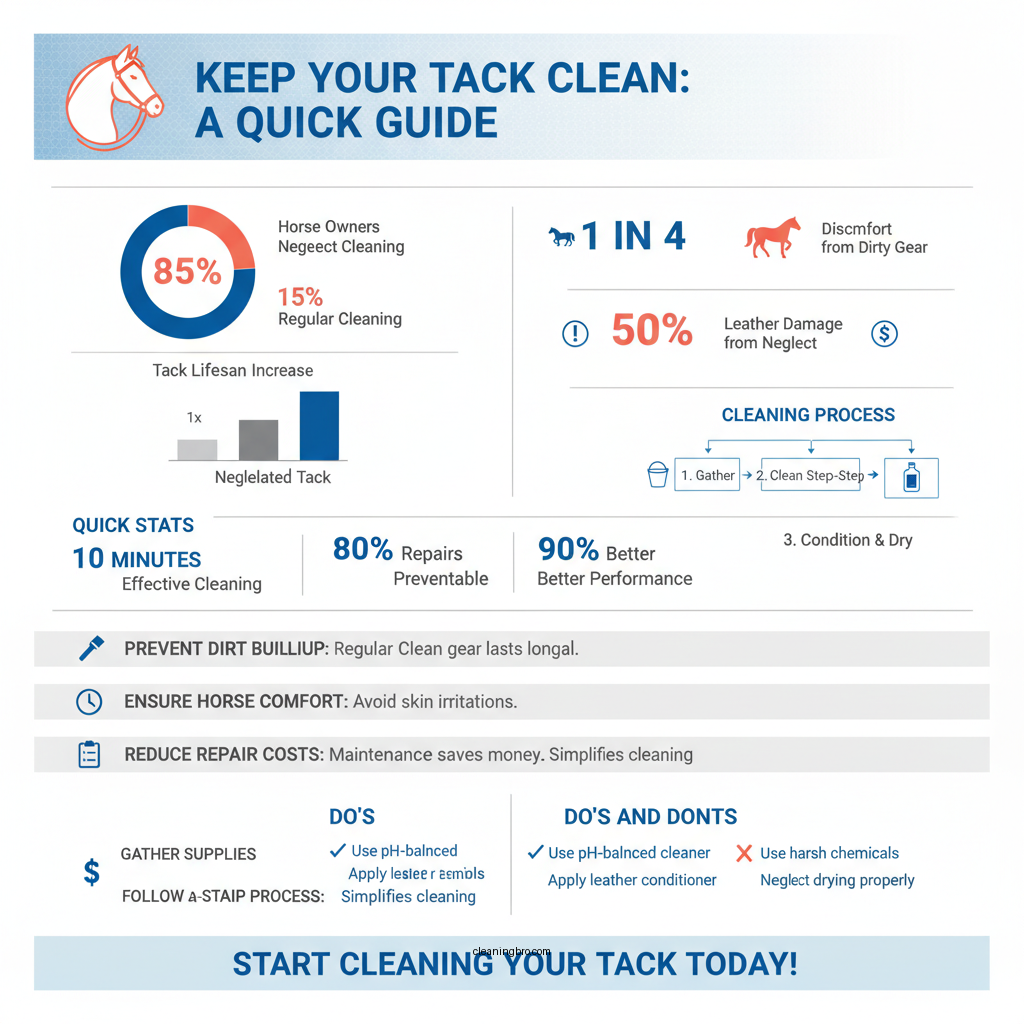
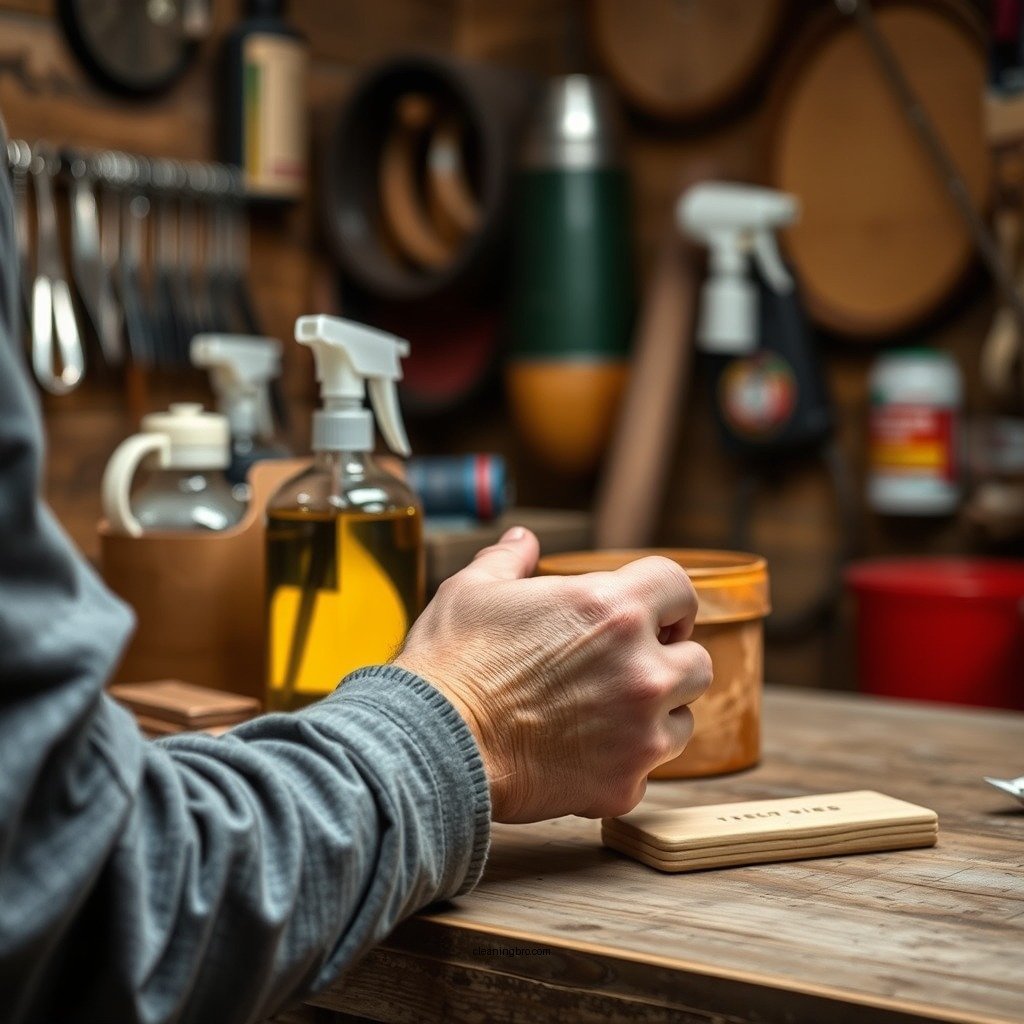
Before you begin the cleaning process, it’s essential to gather the right supplies. Here’s a list of items you will need:
– Leather cleaner or saddle soap: These products are specifically designed to clean leather tack without damaging it. Look for pH-balanced options that are gentle yet effective.
– Soft brushes: A soft-bristled brush is ideal for removing dirt and dust from your tack without scratching the leather.
– Sponges and cloths: Use clean sponges to apply the cleaner and soft cloths for buffing and drying. Microfiber cloths are particularly effective for this purpose.
– Leather conditioner: After cleaning, applying a conditioner will help maintain flexibility and moisture in the leather.
– Water bucket: You may need this for rinsing, especially if using saddle soap.
– Soft towel: To dry your tack after cleaning.
Having these supplies on hand will streamline your cleaning process, allowing you to focus on caring for your equipment effectively.
Step-by-Step Cleaning Process
The actual cleaning process can be broken down into a few simple steps that ensure thorough cleaning without damaging your tack.
1. Remove excess dirt: Begin by using a soft brush to gently remove any dirt, dust, or debris from the surface of your tack. Pay special attention to crevices where dirt can accumulate.
2. Apply cleaner: Dampen a sponge with water (if necessary) and apply your chosen leather cleaner or saddle soap. Work the cleaner into the leather in circular motions, focusing on heavily soiled areas. Ensure you cover all parts of the tack.
3. Rinse (if applicable): If you are using saddle soap, you might need to lightly rinse the tack with a damp sponge to remove any soap residue. Be cautious not to soak the leather, as excessive moisture can lead to damage.
4. Dry thoroughly: After rinsing, use a soft cloth to dry your tack completely. Avoid direct sunlight or heat sources, as these can cause the leather to crack.
5. Inspect for damage: While cleaning, take the opportunity to inspect your gear for any signs of wear or damage, such as cracks or loose stitching.
Top Leather Cleaners for Tack (2024)
| # | Product | Type | Price | Rating |
|---|---|---|---|---|
| 1 | Bickmore Bick 4 | Conditioner & Cleaner | $12.99 | ★★★★☆ |
| 2 | Fiebing’s Saddle Soap | Soap | $8.50 | ★★★★☆ |
| 3 | Lexol Leather Cleaner | Cleaner | $10.50 | ★★★★★ |
| 4 | Effax Leather Combi | Cleaner | $14.99 | ★★★★☆ |
| 5 | Mane ‘n Tail Conditioner | Conditioner | $10.99 | ★★★★☆ |
| 6 | Otto’s Leather Cleaner | Cleaner | $9.50 | ★★★★☆ |
| 7 | Carr & Day & Martin Belvoir | Cleaner | $13.99 | ★★★★★ |
Conditioning Your Tack
Once your tack is clean, it’s crucial to condition it to restore moisture and flexibility. Leather can dry out and become brittle over time, especially when exposed to environmental factors such as sunlight and humidity. Conditioning helps to prevent this by nourishing the leather, maintaining its suppleness, and prolonging its life.
1. Choose a high-quality leather conditioner: Look for products specifically designed for equestrian use. Ensure that the conditioner is free from harsh chemicals that can damage the leather.
2. Apply conditioner evenly: Use a clean cloth or sponge to apply the conditioner in a thin, even layer. Focus on areas that receive the most wear, such as the underside of the saddle and the areas around buckles.
3. Allow the conditioner to absorb: Let the conditioner sit for a few minutes to penetrate the leather. If necessary, follow up with a clean, dry cloth to buff off any excess.
4. Regular conditioning: Depending on usage and exposure to elements, conditioning should be done every 4-6 weeks to keep the leather in optimal condition.
Storing Your Tack Properly
Proper storage of your cleaned tack is just as important as the cleaning process itself. Incorrect storage can lead to mold and mildew growth, which can compromise the integrity of the leather.
1. Choose a cool, dry place: Store your tack in a stable environment where temperature and humidity levels are consistent. Avoid damp areas, as moisture can promote mold growth.
2. Use tack racks or hanging straps: Organizing your tack on racks or straps can help prevent it from becoming misshapen. Ensure that saddles are hung with the gullet facing downward to maintain their shape.
3. Cover your tack: If possible, use breathable covers to protect your gear from dust and dirt. However, avoid plastic covers, as they can trap moisture.
4. Keep items accessible: Store items in a manner that makes them easy to access for regular use, thus encouraging routine checks and maintenance.
Common Mistakes to Avoid
While cleaning tack is a straightforward process, several common mistakes can hinder the effectiveness of your efforts:
1. Using harsh chemicals: Avoid cleaners that contain alcohol, bleach, or other harsh chemicals, as these can damage the leather and lead to premature wear.
2. Neglecting regular cleaning: Set a schedule for cleaning your tack to ensure it remains in good condition. Waiting too long between cleanings can lead to significant dirt buildup and potential damage.
3. Skipping conditioning: Many people overlook the importance of conditioning after cleaning. This step is vital for maintaining the leather’s flexibility and preventing cracking.
4. Ignoring wear and tear: Regularly inspecting your tack for signs of wear, such as fraying stitching or cracks, can help you address issues before they become serious problems.
Top 3 Leather Conditioners for Tack
| Feature | ⭐ Bickmore Bick 4 | Lexol Leather Conditioner | Fiebing’s Leather Conditioner |
|---|---|---|---|
| Price | $12.99 | $10.50 | $9.99 |
| Moisturizing Effect | ✅ Excellent | ✅ Very Good | ✅ Good |
| Ease of Application | ✅ Easy | ✅ Easy | ❌ Moderate |
| Usage Frequency | Every 4-6 weeks | Every 6 weeks | Every 4 weeks |
| Natural Ingredients | ✅ Yes | ✅ Yes | ✅ Yes |
| Vegan-Friendly | ✅ Yes | ✅ Yes | ✅ Yes |
| Residue After Use | ✅ No | ✅ No | ✅ No |
| Conditioning Effect | ✅ Excellent | ✅ Very Good | ✅ Good |
| Best For | All leather types | Conditioning & cleaning | Everyday use |
Additional Tips for Tack Care
To further ensure the longevity and functionality of your tack, consider these additional tips:
– Inspect regularly: Make it a habit to check your tack for signs of wear and tear. Look for fraying, cracks, or loose hardware that may need repair.
– Avoid over-cleaning: While it’s important to keep your tack clean, excessive cleaning can strip the leather of its natural oils. Follow a balanced cleaning schedule.
– Invest in quality products: Choose high-quality cleaning and conditioning products that specifically cater to equestrian equipment. This investment pays off in the long run.
– Consult a professional: For heavily soiled tack or antique pieces, consider hiring a professional cleaner who specializes in equestrian gear. They have the tools and experience to restore items without causing damage.
Cleaning your tack doesn’t have to be a daunting task. By following these steps, you can ensure your equipment remains in excellent condition and is ready for your next ride. Make it a routine to check and clean your tack regularly, and enjoy the benefits of well-maintained gear!
Frequently Asked Questions
What are the best products to use for cleaning tack?
The best products for cleaning tack include specialized leather cleaners, conditioners, and disinfectants. Look for pH-balanced formulations that won’t damage the leather, such as glycerin soap or oils specifically designed for horse equipment. Additionally, consider using a soft brush and microfiber cloth to ensure a thorough clean without scratching the surface.
How often should I clean my tack for optimal maintenance?
It is recommended to clean your tack at least once a week, especially after heavy use, to remove sweat, dirt, and oils that can cause damage over time. Regular cleaning helps maintain the leather’s suppleness and prevents mold and mildew from forming. For daily riders, a quick wipe down after each use can keep tack in great condition.
Why is it important to condition leather tack after cleaning?
Conditioning leather tack after cleaning is crucial because it replenishes the natural oils stripped away during the cleaning process. This helps maintain the leather’s flexibility, prevents cracking, and extends the lifespan of your equipment. Using a high-quality leather conditioner will keep your tack looking and performing its best.
Which areas of my tack require the most attention during cleaning?
Focus on cleaning areas that accumulate dirt and sweat the most, such as the girth, stirrup leathers, and the underside of the saddle. Pay special attention to seams and buckles where grime can build up. Regularly checking and cleaning these high-contact areas will help maintain the overall integrity and appearance of your tack.
How can I effectively remove mold from my tack?
To remove mold from tack, start by wiping the affected areas with a mixture of equal parts vinegar and water, as vinegar is a natural mold killer. After cleaning, allow the tack to dry thoroughly in a well-ventilated area to prevent further growth. Once dry, condition the leather to restore moisture and protect against future mold issues.
References
- Tack
https://en.wikipedia.org/wiki/Tack - https://www.extension.purdue.edu/extmedia/AS/AS-600-W.pdf
https://www.extension.purdue.edu/extmedia/AS/AS-600-W.pdf - Google Scholar Google Scholar
https://scholar.google.com/scholar?q=how+to+clean+tack - https://www.extension.umn.edu/agriculture/horse/tack-care/
https://www.extension.umn.edu/agriculture/horse/tack-care/ - https://www.thehorse.com/articles/40537/tack-care-and-cleaning
https://www.thehorse.com/articles/40537/tack-care-and-cleaning - Google Scholar Google Scholar
https://scholar.google.com/scholar?q=horse+tack+cleaning+methods - https://www.extension.umn.edu/agriculture/horse/tack-care/cleaning-leather-tack/
https://www.extension.umn.edu/agriculture/horse/tack-care/cleaning-leather-tack/ - https://www.horsesandponies.co.uk/tack-cleaning-guide/
https://www.horsesandponies.co.uk/tack-cleaning-guide/ - Google Scholar Google Scholar
https://scholar.google.com/scholar?q=tack+care+maintenance+research - how to clean tack – Search results
https://en.wikipedia.org/wiki/Special:Search?search=how+to+clean+tack