How to Clean Tattoo Equipment: A Step-by-Step Guide
Cleaning tattoo equipment is essential for ensuring hygiene and preventing infections. This guide provides you with the necessary steps to effectively clean and sterilize your tattoo gear, creating a safe environment for both artists and clients. By adhering to these best practices, you can maintain high standards of sanitation that will protect your clients and uphold your professional reputation.
Understanding the Importance of Clean Equipment
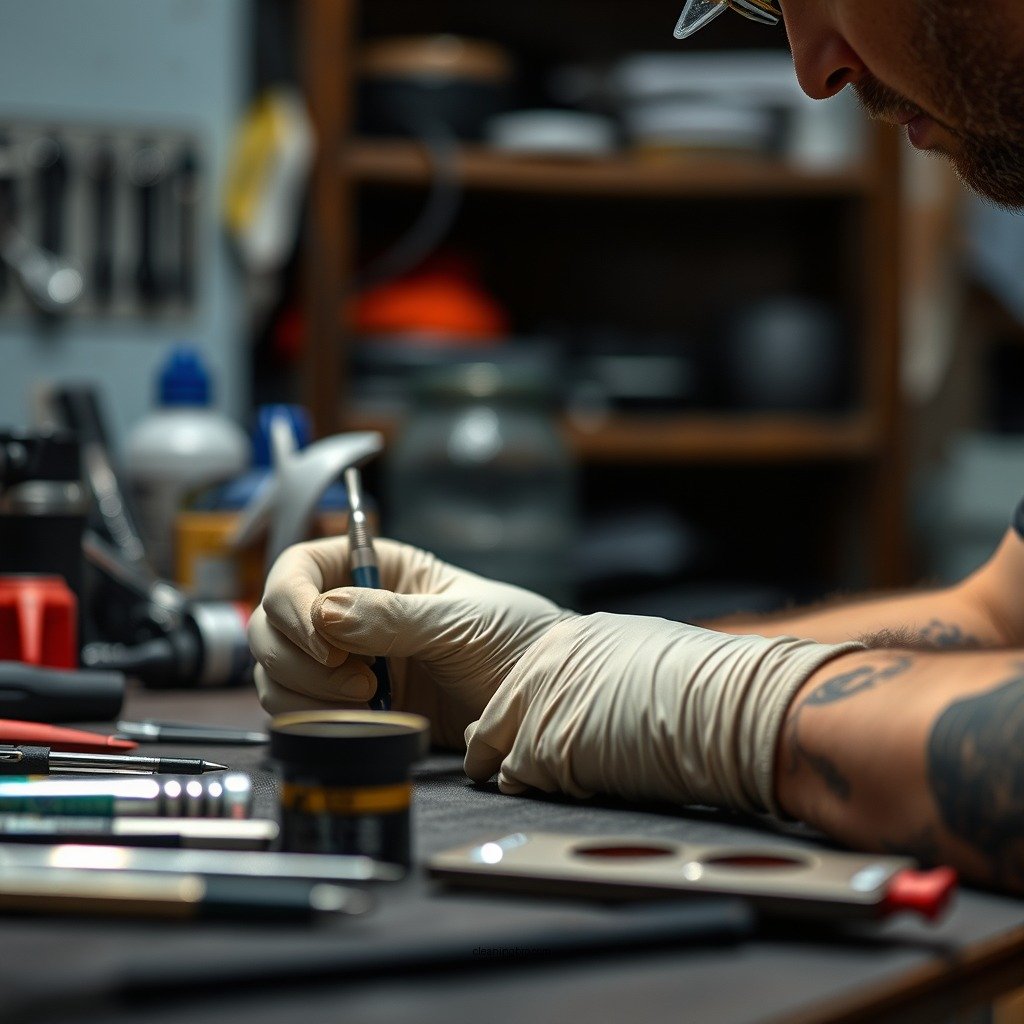
Maintaining clean tattoo equipment is not just a matter of preference; it is a critical component of professional tattooing practices. The primary reason for rigorous cleaning protocols is to prevent cross-contamination and infections. Contaminated equipment can lead to serious health issues for clients, including bacterial infections and bloodborne diseases. Furthermore, ensuring your equipment is clean helps you comply with health regulations and standards set by local health authorities. This compliance not only protects clients but also safeguards your business from potential legal repercussions.
Gather Necessary Supplies
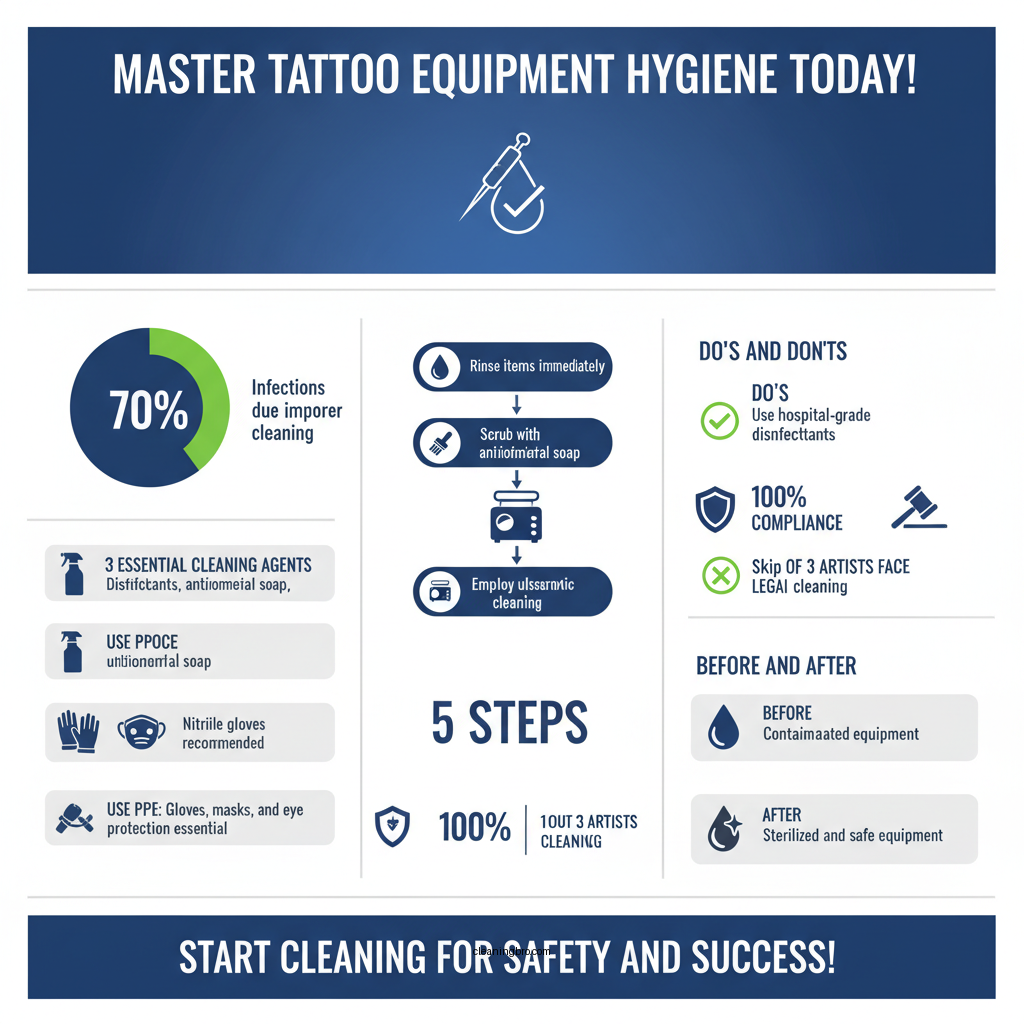
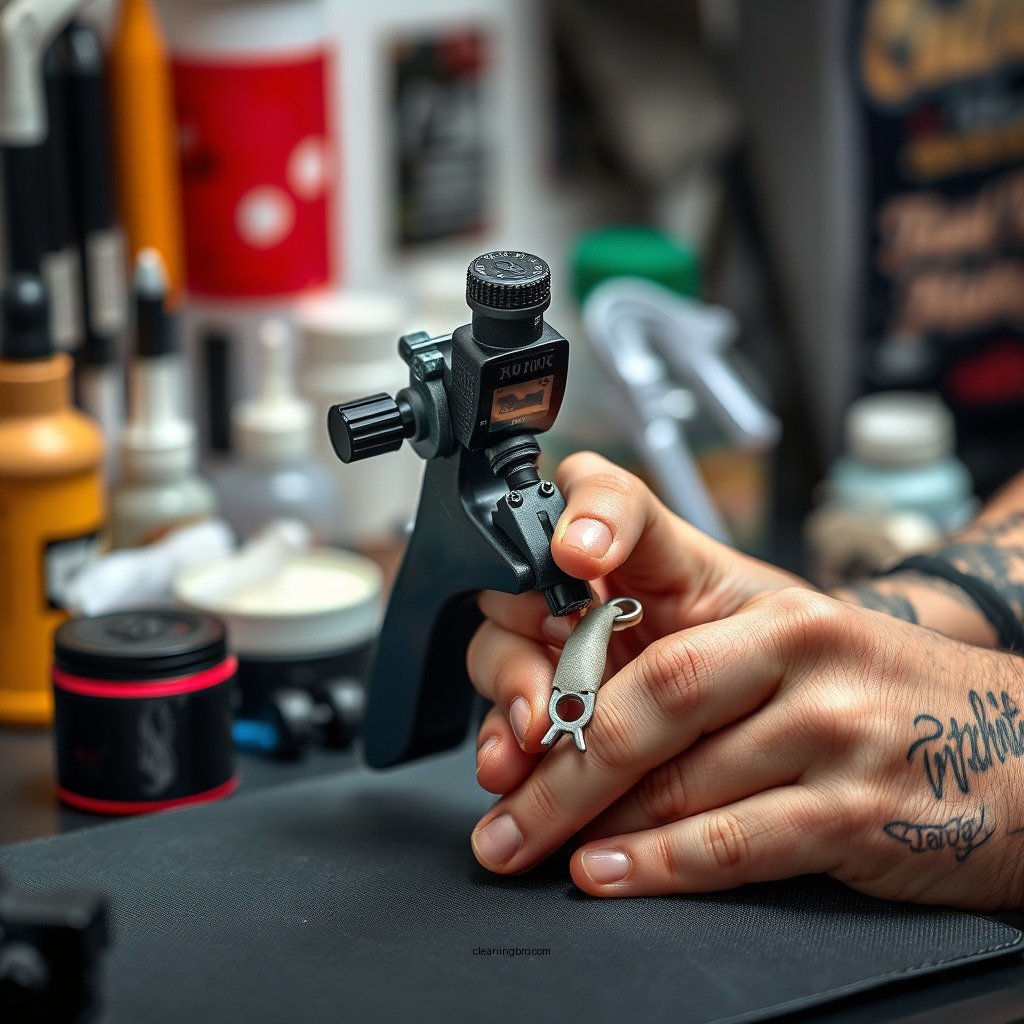
Before embarking on the cleaning process, it’s essential to gather all necessary supplies that will aid in the effective cleaning and sterilization of your tattoo equipment. Here is a comprehensive list of what you will need:
– Cleaning Agents:
– Disinfectants (e.g., hospital-grade surface disinfectants)
– Antimicrobial soap
– Ultrasonic cleaning solution
– Personal Protective Equipment (PPE):
– Disposable gloves (nitrile is recommended for puncture resistance)
– Masks to prevent inhaling aerosolized particles
– Eye protection to shield against splashes
Organizing these supplies in advance will streamline the cleaning process and ensure that you are well-prepared.
Cleaning Non-Disposable Equipment
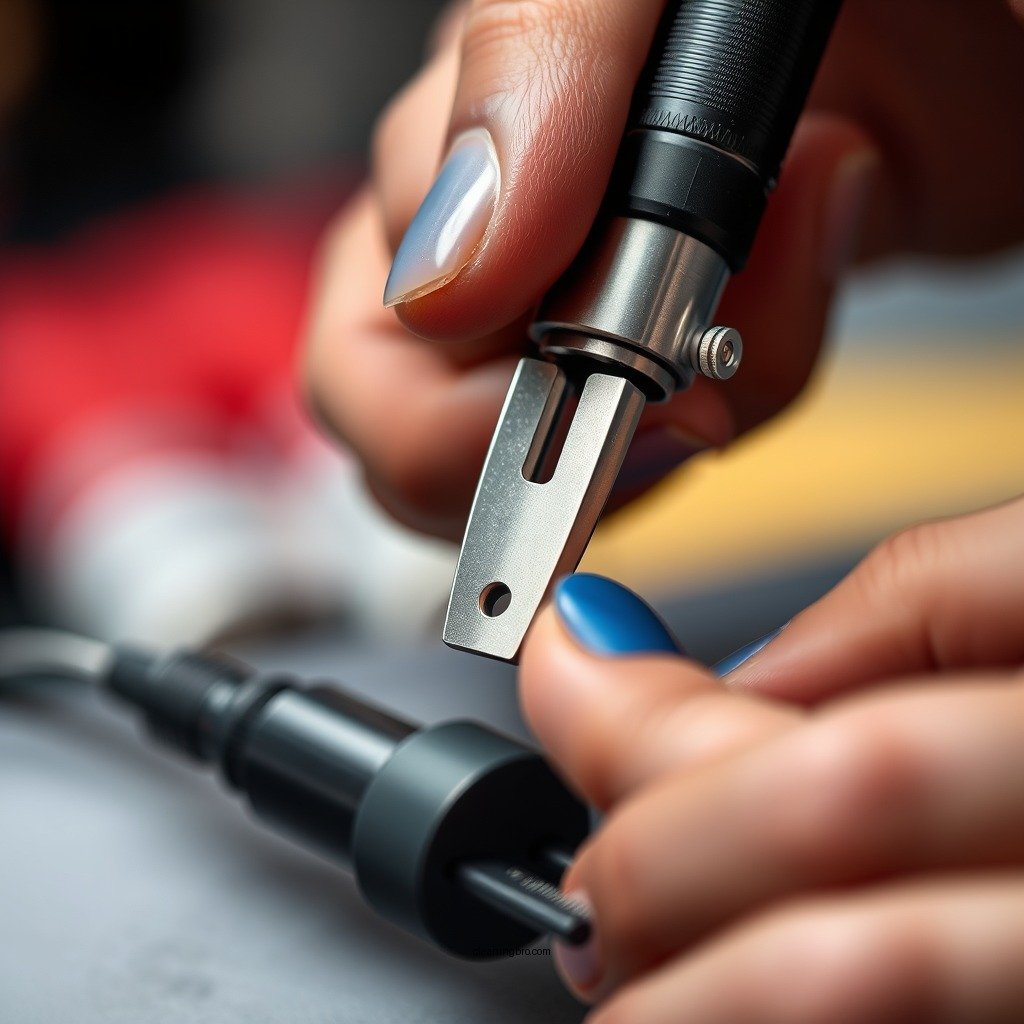
The cleaning of non-disposable tattoo equipment requires careful attention. Follow these steps for an effective cleaning process:
1. Initial Rinse: Start by rinsing all reusable items such as tattoo needles, tubes, and grips under warm running water to remove blood and ink residues.
2. Scrubbing: Use a soft brush or cloth with antimicrobial soap to scrub the items thoroughly. Ensure that you clean all surfaces, as bacteria can hide in crevices.
3. Ultrasonic Cleaning: For a deeper clean, consider using an ultrasonic cleaner. This device uses high-frequency sound waves to agitate a cleaning solution, dislodging contaminants from the equipment. Immerse the items in the ultrasonic cleaner filled with the appropriate solution and run it according to the manufacturer’s instructions.
Top 7 Tattoo Equipment Cleaning Methods
| # | Cleaning Method | Effectiveness | Time Required | Cost |
|---|---|---|---|---|
| 1 | Manual Scrubbing | Moderate | 15-30 mins | Low |
| 2 | Ultrasonic Cleaning | High | 10-20 mins | Moderate |
| 3 | Autoclaving | Very High | 15-30 mins | High |
| 4 | Chemical Sterilization | High | 20-40 mins | Moderate |
| 5 | Disinfectant Wipes | Moderate | 5 mins | Low |
| 6 | Cold Sterilization | Moderate | 30-60 mins | Low |
| 7 | Soaking in Alcohol | Low | 10-15 mins | Low |
Sterilization Techniques
After cleaning your tattoo equipment, sterilization is the next critical step. The most effective method for sterilizing tattoo equipment is autoclaving. This process involves using high-pressure steam to kill bacteria, viruses, and spores that may remain after cleaning. Here’s how to perform autoclaving safely:
1. Prepare Equipment: Ensure that all cleaned items are dry and free of any residues.
2. Load the Autoclave: Place items in the autoclave, ensuring that they are not overcrowded, allowing steam to circulate freely.
3. Set Parameters: Set the autoclave to the appropriate temperature (typically around 121°C or 250°F) and pressure (15 psi) for at least 15-30 minutes.
4. Cooling and Storage: After the cycle completes, allow the items to cool before handling. Store sterilized equipment in a clean, dry environment to prevent re-contamination.
For sensitive items that cannot withstand high temperatures, chemical sterilization is an alternative. This method involves using FDA-approved chemical agents to kill pathogens. It’s crucial to follow the manufacturer’s instructions for both cleaning and sterilizing agents to ensure effectiveness.
Safe Disposal of Disposable Items
Proper disposal of single-use items is essential for maintaining a hygienic work environment and adhering to local regulations. Here are guidelines for safe disposal:
1. Use Biohazard Containers: Always dispose of needles, blades, and any contaminated materials in designated biohazard containers. These containers are specifically designed to prevent accidental punctures and spills.
2. Follow Local Regulations: Be aware of and comply with local regulations regarding biohazard waste disposal. Some areas require specific disposal services to handle hazardous materials, while others may allow incineration.
3. Labeling: Clearly label biohazard containers to ensure that everyone in the workspace understands the importance of proper disposal methods.
4. Regular Collection: Arrange for regular collection and disposal of biohazard waste to prevent overflow and ensure a consistently safe environment.
Maintaining a Clean Work Environment
A clean work environment is integral to the overall hygiene of any tattoo studio. Establishing regular cleaning protocols for your workstation can significantly reduce contamination risks. Here are some effective tips:
– Daily Cleaning: Clean work surfaces, floors, and any frequently touched items with disinfectant wipes after each client session.
– Organized Storage: Store clean equipment in designated areas, ensuring that they are easily accessible but not exposed to contaminants.
– Scheduled Deep Cleaning: Conduct thorough cleaning of the entire studio on a regular basis, including walls, furniture, and equipment.
Maintaining an organized and clean workspace not only promotes hygiene but also enhances the overall client experience.
Best Practices for Ongoing Hygiene
Establishing best practices for ongoing hygiene is vital to ensuring that both tattoo artists and clients feel safe. Here are some recommendations:
– Routine Cleaning Schedule: Create a routine for cleaning and sterilizing equipment after every use. This should include cleaning work surfaces, tools, and any equipment used during the tattooing process.
– Education and Training: Regularly educate staff on hygiene practices and the importance of following procedures. This can include workshops or refresher courses to keep everyone informed.
– Client Communication: Inform clients about the hygiene practices in place within the studio. This transparency can help build trust and confidence in your services.
By implementing these strategies, you can foster a culture of hygiene that prioritizes the health and safety of everyone involved.
Summarizing the key points, cleaning tattoo equipment effectively involves understanding the importance of hygiene, gathering the right supplies, and following thorough cleaning and sterilization techniques. By implementing these best practices, you can ensure a safe and professional tattooing experience. Be proactive in maintaining a clean environment and consider sharing these tips with fellow artists to promote overall safety in the industry.
Frequently Asked Questions
What are the best practices for cleaning tattoo equipment?
The best practices for cleaning tattoo equipment include using a dedicated ultrasonic cleaner for needles and other metal tools, followed by thorough rinsing and sterilization using an autoclave. Additionally, always wear gloves and use disposable covers for machines to minimize cross-contamination. Regularly cleaning your workspace and ensuring all surfaces are disinfected with EPA-registered products is essential for maintaining a safe environment.
How do I properly disinfect tattoo needles and tubes?
To properly disinfect tattoo needles and tubes, first, rinse them in clean water to remove any ink residue. Then, soak the equipment in an EPA-approved disinfectant solution for the recommended time before rinsing again and placing them in an autoclave for steam sterilization. This multi-step process ensures that all pathogens are effectively eliminated, keeping both you and your clients safe.
Why is it important to clean tattoo equipment thoroughly?
Cleaning tattoo equipment thoroughly is crucial to prevent the spread of infections and diseases, such as HIV and Hepatitis. Contaminated tools can harbor bacteria and viruses, posing serious health risks to both artists and clients. By maintaining proper hygiene practices, tattoo artists uphold industry standards and protect their reputation while ensuring client safety.
Which cleaning solutions are effective for tattoo equipment?
Effective cleaning solutions for tattoo equipment include 70% isopropyl alcohol for surface cleaning and EPA-registered disinfectants specifically designed for healthcare settings. Additionally, an ultrasonic cleaner with a suitable cleaning solution can help remove ink and debris from intricate tools. Always ensure that the products used are compatible with the materials of your equipment to avoid damage.
How often should I clean and sterilize my tattoo equipment?
Tattoo equipment should be cleaned and sterilized after every use to ensure maximum hygiene. It’s essential to establish a cleaning routine that includes immediate cleaning of tools after a session, regular maintenance of the sterilization equipment, and periodic deep cleaning of the entire workspace. Consistency in these practices not only protects your clients but also prolongs the lifespan of your tools.
References
- https://www.cdc.gov/infectioncontrol/guidelines/disinfection/index.html
https://www.cdc.gov/infectioncontrol/guidelines/disinfection/index.html - National Institutes of Health (NIH) |
https://www.nih.gov/ - Detail
https://www.who.int/news-room/fact-sheets/detail/infection-prevention-and-control - https://pubmed.ncbi.nlm.nih.gov/30030199/
https://pubmed.ncbi.nlm.nih.gov/30030199/ - Application of the Model to Chemical Hazards – Poultry Inspection – NCBI Bookshelf
https://www.ncbi.nlm.nih.gov/books/NBK218017/ - Google Scholar Google Scholar
https://scholar.google.com/scholar?q=how+to+clean+tattoo+equipment - Google Scholar Google Scholar
https://scholar.google.com/scholar?q=tattoo+equipment+sanitation - https://www.ncbi.nlm.nih.gov/pmc/articles/PMC6653841/
https://www.ncbi.nlm.nih.gov/pmc/articles/PMC6653841/ - https://www.ncbi.nlm.nih.gov/pmc/articles/PMC6770904/
https://www.ncbi.nlm.nih.gov/pmc/articles/PMC6770904/ - how to clean tattoo equipment – Search results
https://en.wikipedia.org/wiki/Special:Search?search=how+to+clean+tattoo+equipment