How to Clean Teeth After Wisdom Tooth Extraction
After a wisdom tooth extraction, it’s crucial to maintain oral hygiene while allowing the surgical site to heal. The best way to clean your teeth is by using gentle techniques and avoiding the extraction area. This article will provide you with effective methods to keep your mouth clean post-surgery while minimizing discomfort, ensuring a smooth recovery.
Maintaining oral hygiene after a wisdom tooth extraction is essential for preventing infection and promoting healing. The extraction site is vulnerable immediately following surgery, making it vital to adopt a careful approach to cleaning your teeth. Furthermore, understanding the healing process and recognizing signs of complications will empower you to manage your recovery efficiently.
Understanding the Healing Process
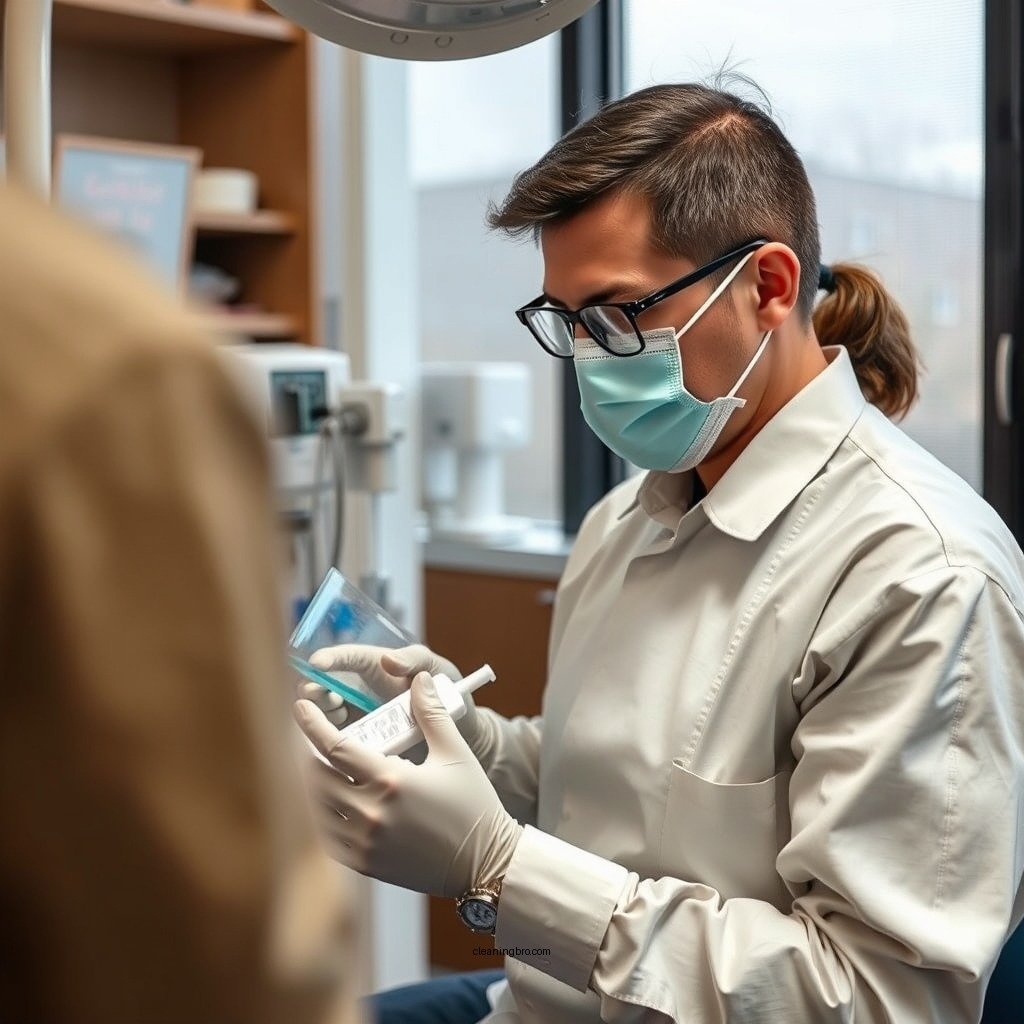
Healing typically takes 3 to 7 days, depending on individual factors such as overall health, age, and the complexity of the extraction. The extraction site may be sensitive during this period; thus, it’s critical to avoid disturbing it while cleaning. Initially, patients may experience swelling and discomfort, which can be managed through prescribed medications or over-the-counter pain relief.
During the healing phase, a blood clot forms at the extraction site, serving as a protective barrier. Dislodging this clot can lead to complications such as dry socket, a painful condition where the underlying bone and nerves become exposed. To facilitate proper healing, it is essential to practice gentle cleaning methods that do not interfere with this process.
Recommended Cleaning Techniques
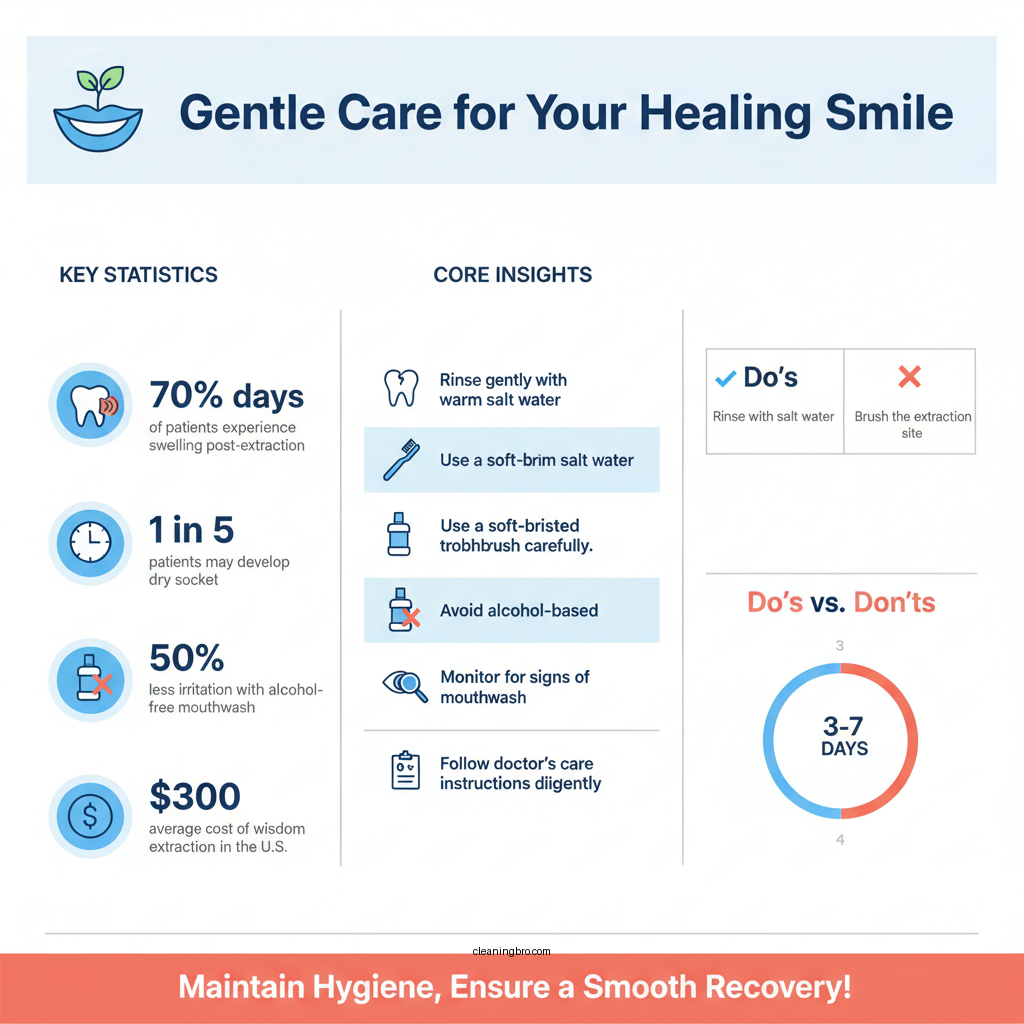

To maintain oral hygiene while avoiding complications, consider the following techniques:
– Gentle Rinsing with Salt Water: After 24 hours, rinse gently with warm salt water to help reduce swelling and promote healing. Mix about half a teaspoon of salt in a cup of warm water and swish it around your mouth without forcefully gargling. This can help keep the mouth clean while being gentle on the extraction area.
– Soft-Bristled Toothbrush: Use a soft-bristled toothbrush to clean the remaining teeth. Take care to avoid the extraction site while brushing. Gently clean the surfaces of the teeth and gums to prevent plaque buildup. Avoid brushing directly over the extraction area until it has healed sufficiently.
– Avoid Mouthwash with Alcohol: Regular mouthwash, especially those containing alcohol, can irritate the healing tissue. Opt for alcohol-free mouthwash if you wish to freshen your breath.
Top Methods for Oral Care Post-Wisdom Tooth Extraction
| # | Cleaning Method | Recommended Timing | Effectiveness |
|---|---|---|---|
| 1 | Warm Salt Water Rinse | 24 hours after surgery | High |
| 2 | Soft-Bristled Toothbrush | Day 1 post-surgery | Medium |
| 3 | Antibacterial Mouthwash (Alcohol-free) | After 24 hours | High |
| 4 | Avoiding Direct Contact with Extraction Site | Throughout healing period | Critical |
| 5 | Regular Dental Check-ups | 1 week post-surgery | Essential |
| 6 | Ice Packs for Swelling | First 48 hours | Medium |
| 7 | Hydration with Water | Daily | High |
Foods to Avoid
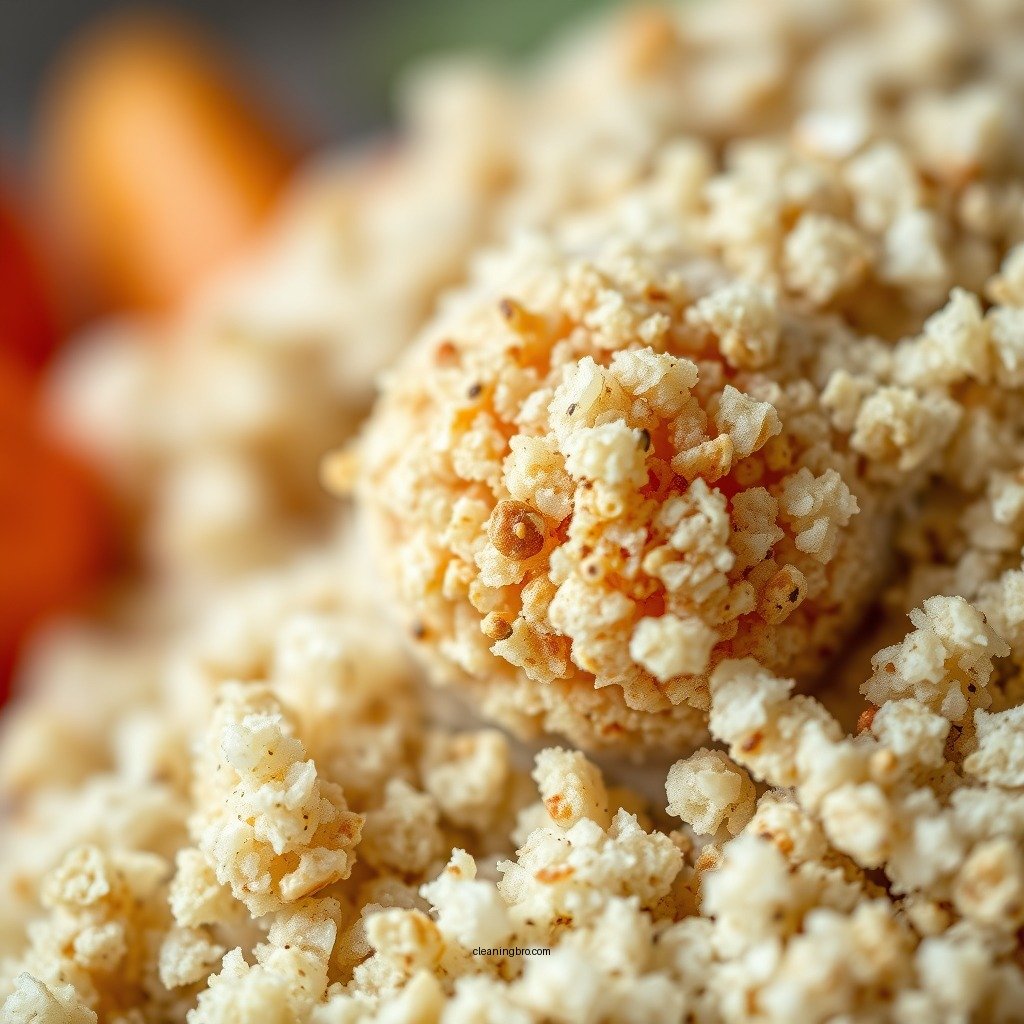
Diet plays a significant role in the healing process after wisdom tooth extraction. It is advisable to stay clear of certain food types that can hinder recovery:
– Hard Foods: Foods such as nuts, hard candies, and raw vegetables can dislodge the blood clot or cause pain at the extraction site.
– Crunchy Items: Chips, popcorn, and crusty bread can also lead to complications by irritating the sensitive area.
– Sticky Foods: Chewy candies and other sticky items can adhere to the wound and potentially disrupt healing.
– Hot, Spicy, or Acidic Foods: Foods that are hot or spicy can increase discomfort and irritation in the mouth. Acidic foods like citrus fruits can also aggravate the extraction site.
– Carbonated Beverages: The carbonation can cause discomfort, and the acidity may irritate the surgical site.
Being cautious about food choices in the days following surgery can significantly impact the healing process and overall comfort.
When to Resume Normal Brushing
Resume regular brushing after one week, but approach this cautiously around the extraction site. It is essential to monitor the healing progress before reintroducing your regular dental hygiene routine. Here are some actionable steps:
– Gentle Approach: Initially, brush the other teeth carefully, avoiding the extraction area.
– Gradual Introduction: As healing progresses, gradually introduce more thorough cleaning methods around the surgical site while ensuring no pressure is applied directly to the area.
– Consult Your Dentist: If you’re uncertain about when to resume normal brushing, consult your dentist for personalized advice based on your healing progress.
Signs of Complications
Being aware of potential complications can help you respond promptly and appropriately. Watch for the following signs:
– Excessive Bleeding: If you notice persistent bleeding that doesn’t subside after a few hours, contact your dentist immediately.
– Severe Pain: While some discomfort is expected, severe pain may indicate an underlying issue such as infection or dry socket.
– Signs of Infection: Symptoms such as fever, chills, or pus from the extraction site should be addressed without delay.
Promptly contacting your dentist if you experience any concerning symptoms is crucial to preventing further complications.
Signs of Complications After Wisdom Tooth Extraction
| Symptom | Severity Level | Recommended Action | Follow-Up |
|---|---|---|---|
| Excessive Bleeding | High | Contact dentist immediately | Urgent |
| Severe Pain | High | Contact dentist | If persistent |
| Signs of Infection | Critical | Seek medical help | Immediate |
| Persistent Swelling | Medium | Monitor at home | If worsens |
| Fever | High | Contact dentist | Urgent |
| Pus or Discharge | Critical | Seek immediate help | Immediate |
Additional Oral Care Tips
To further support healing and maintain oral hygiene, consider the following additional tips:
– Use Antibacterial Mouthwash: If recommended by your dentist, an antibacterial mouthwash can help reduce the risk of infection. Ensure that it is alcohol-free to avoid irritation.
– Stay Hydrated: Drink plenty of water to support your body’s healing process. Staying hydrated can also help flush out food particles and bacteria from the mouth.
– Maintain a Balanced Diet: Incorporate soft, nutritious foods like yogurt, smoothies, and mashed potatoes during the healing period to ensure you receive essential nutrients without causing discomfort.
– Avoid Tobacco Products: Smoking or using tobacco can significantly impede the healing process and increase the risk of complications.
– Follow Dentist’s Instructions: Always adhere to the specific instructions provided by your dental surgeon, including when to return for follow-up visits.
Incorporating these additional tips into your routine can enhance your recovery and overall oral health.
In summary, keeping your mouth clean after wisdom tooth extraction involves gentle rinsing, careful brushing, and avoiding certain foods to promote healing. If you encounter any problems, don’t hesitate to reach out to your dentist for assistance. By following these guidelines, you will help ensure a smooth recovery and maintain your overall oral health.
Frequently Asked Questions
How soon can I clean my teeth after wisdom tooth extraction?
You should avoid cleaning your teeth for the first 24 hours after wisdom tooth extraction to allow the blood clot to form properly. After this initial period, you can gently rinse your mouth with warm salt water and use a soft toothbrush to clean your teeth, being careful around the extraction site.
What is the best way to brush my teeth after wisdom tooth extraction?
The best way to brush your teeth after wisdom tooth extraction is to use a soft-bristled toothbrush and to be gentle around the extraction area. Brush the rest of your teeth normally, but avoid the surgical site to prevent irritation or dislodging the blood clot.
Why is it important to avoid certain mouthwashes after wisdom tooth extraction?
It is important to avoid alcohol-based mouthwashes after wisdom tooth extraction because they can irritate the extraction site and delay healing. Instead, opt for a mild saltwater rinse to promote healing and reduce bacteria without causing further irritation.
Which foods should I avoid when cleaning my teeth after wisdom tooth extraction?
After wisdom tooth extraction, it’s best to avoid hard, crunchy, or sticky foods that may get lodged in the extraction site or disrupt the healing process. Focus on soft foods that require minimal chewing and ensure you clean your mouth gently to maintain oral hygiene.
How can I prevent infection while cleaning my teeth after wisdom tooth extraction?
To prevent infection while cleaning your teeth after wisdom tooth extraction, maintain excellent oral hygiene by using a gentle toothbrush and a saltwater rinse. Additionally, avoid touching the extraction site with your fingers or other objects, and follow your dentist’s aftercare instructions closely to minimize the risk of complications.
References
- https://www.mayoclinic.org/diseases-conditions/wisdom-teeth/diagnosis-treatment/drc-20348859
https://www.mayoclinic.org/diseases-conditions/wisdom-teeth/diagnosis-treatment/drc-20348859 - https://www.ncbi.nlm.nih.gov/pmc/articles/PMC4946377/
https://www.ncbi.nlm.nih.gov/pmc/articles/PMC4946377/ - https://www.cdc.gov/oralhealth/conditions/wisdom-teeth.html
https://www.cdc.gov/oralhealth/conditions/wisdom-teeth.html - https://www.who.int/news-room/questions-and-answers/item/oral-health-wisdom-teeth
https://www.who.int/news-room/questions-and-answers/item/oral-health-wisdom-teeth - https://www.healthline.com/health/wisdom-teeth-extraction-care
https://www.healthline.com/health/wisdom-teeth-extraction-care - Economic Review – Pharmacoeconomic Report: Voretigene Neparvovec (Luxturna) – NCBI Bookshelf
https://www.ncbi.nlm.nih.gov/books/NBK569017/ - Google Scholar Google Scholar
https://scholar.google.com/scholar?q=how+to+clean+teeth+after+wisdom+tooth+extraction - Google Scholar Google Scholar
https://scholar.google.com/scholar?q=post-operative+oral+hygiene+wisdom+teeth - Google Scholar Google Scholar
https://scholar.google.com/scholar?q=wisdom+tooth+extraction+aftercare - how to clean teeth after wisdom tooth extraction – Search results
https://en.wikipedia.org/wiki/Special:Search?search=how+to+clean+teeth+after+wisdom+tooth+extraction