
How to Clean the Back of Your Tongue for Better Oral Health
Cleaning the back of your tongue is essential for maintaining good oral hygiene and fresh breath. To effectively clean this area, you can use a tongue scraper or your toothbrush to remove bacteria and food debris. This article will guide you through the best methods and tips for cleaning the back of your tongue thoroughly and safely.
Understanding the Importance of Tongue Cleaning

The back of the tongue is often overlooked in daily oral hygiene routines, yet it harbors a significant amount of bacteria that can contribute to bad breath and various oral health issues. The tongue’s surface has a textured anatomy that makes it a perfect breeding ground for bacteria, food particles, and dead cells. Regular cleaning of the tongue can help eliminate these accumulations, significantly reducing the risk of halitosis and other oral infections.
Incorporating tongue cleaning into your daily routine not only promotes fresh breath but also contributes to a healthier mouth. Studies suggest that maintaining a clean tongue can prevent plaque buildup, which can lead to tooth decay and gum disease. Therefore, adopting a tongue-cleaning habit is a simple yet effective way to enhance your overall oral health.
Tools You Can Use
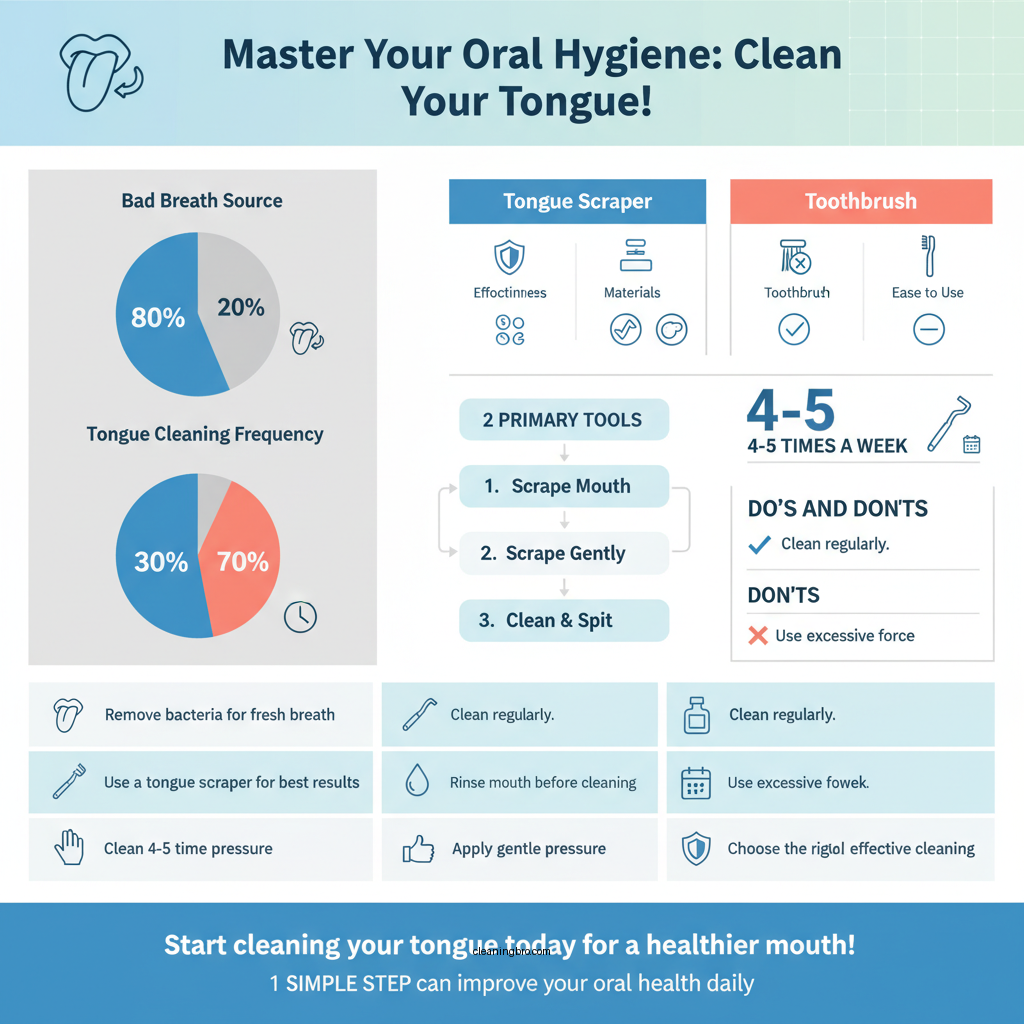

When it comes to cleaning the back of your tongue, there are two primary tools you can use: tongue scrapers and toothbrushes.
– Tongue Scrapers: These are specifically designed for cleaning the tongue and often yield better results than toothbrushes. They come in various materials, including plastic, stainless steel, and copper, each offering unique benefits. Tongue scrapers are effective in removing the biofilm that accumulates on the tongue and are easy to use.
– Toothbrushes: If you don’t have a tongue scraper on hand, a soft-bristled toothbrush can serve as a suitable alternative. Most toothbrushes can effectively clean the tongue’s surface, especially if they have a textured back designed for this purpose. It’s important to apply gentle pressure to avoid irritation or injury.
Step-by-Step Cleaning Process
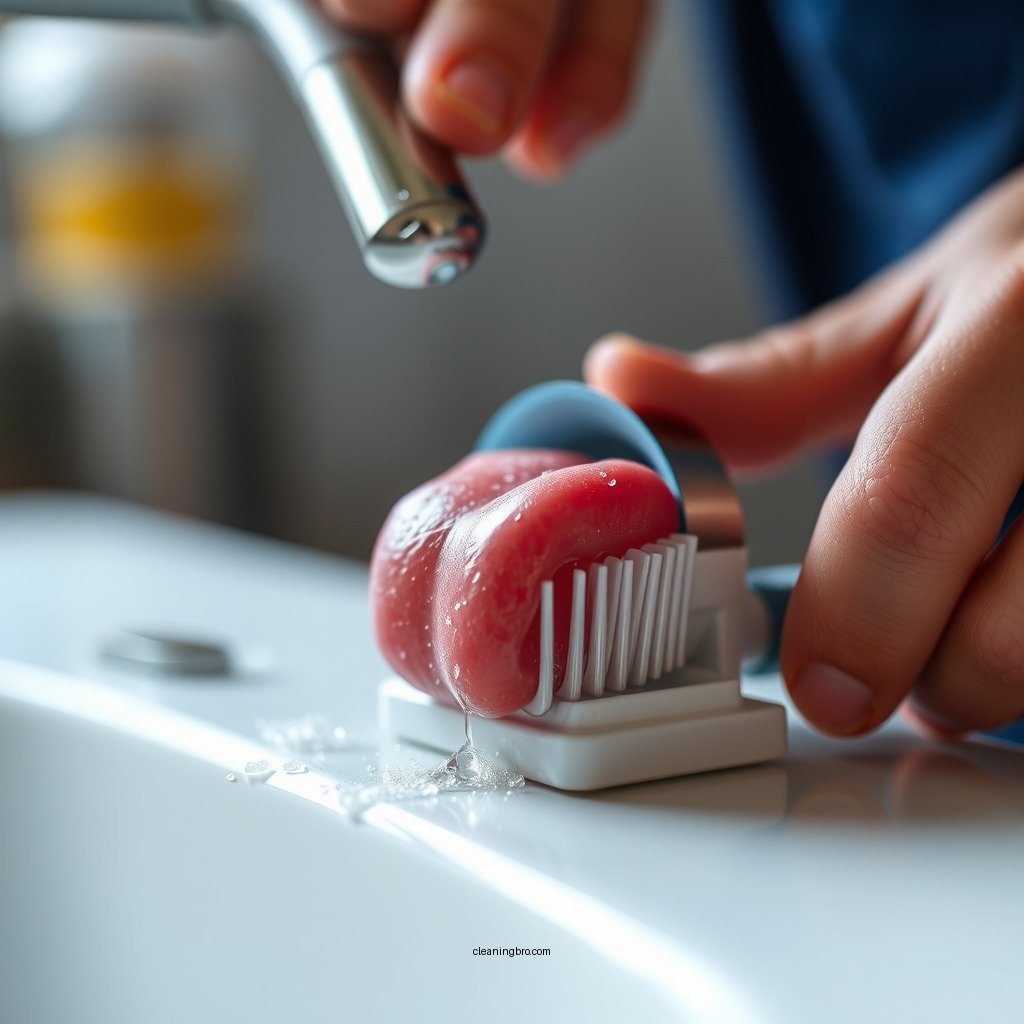
To clean the back of your tongue effectively, follow this simple step-by-step process:
1. Preparation: Start by rinsing your mouth with water to loosen any debris. This step makes it easier to clear away bacteria and food particles.
2. Technique: If using a tongue scraper, place it at the back of your tongue and gently pull it forward towards the tip. Repeat this motion several times, rinsing the scraper after each stroke to remove debris. If using a toothbrush, gently brush the back of your tongue using short strokes from back to front, ensuring you cover the entire surface. Be cautious not to apply too much pressure; a gentle touch is sufficient.
3. Finishing Touch: After scraping or brushing, rinse your mouth thoroughly with water or a mouthwash to remove any remaining bacteria.
📋 DATA
Top 5 Tongue Cleaning Tools (2024)
| # | Tool | Material | Effectiveness | Price Range |
|---|---|---|---|---|
| 1 | Plastic Tongue Scraper | Plastic | High | $2-$5 |
| 2 | Stainless Steel Tongue Scraper | Stainless Steel | Very High | $10-$15 |
| 3 | Copper Tongue Scraper | Copper | Very High | $8-$12 |
| 4 | Toothbrush with Tongue Cleaner | Plastic | Moderate | $3-$7 |
| 5 | Manual Toothbrush | Nylon | Low | $1-$4 |
Frequency of Cleaning
To achieve optimal results, aim to clean your tongue daily as part of your oral hygiene routine. Daily cleaning not only helps maintain fresh breath but also contributes to better overall oral health by minimizing bacteria buildup.
However, individual needs may vary. For example, those who experience dry mouth, excessive plaque buildup, or chronic bad breath may benefit from cleaning their tongue more frequently. On the other hand, individuals with sensitive tongues or certain oral health conditions may need to adjust their frequency accordingly. Always listen to your body and consult with a dental professional if you have concerns about your tongue health.
Additional Tips for Effective Cleaning
Incorporating a few extra steps can enhance the effectiveness of your tongue cleaning routine:
– Saltwater Rinse: After cleaning your tongue, consider using a saltwater rinse to help eliminate any remaining bacteria. Mix a teaspoon of salt in a glass of warm water and swish it around your mouth for a minute before spitting it out.
– Stay Hydrated: Hydration plays a crucial role in maintaining a healthy mouth. Drinking adequate water can help wash away food particles and bacteria, reducing the likelihood of bad breath and other oral issues.
– Use Mouthwash: Consider using an antibacterial mouthwash after cleaning your tongue. This can provide further freshness and help eliminate bacteria that brushing may have missed.
Common Mistakes to Avoid
While cleaning your tongue can greatly benefit your oral health, certain common mistakes can hinder the process or even cause harm:
– Applying Too Much Pressure: Many individuals think that the harder they scrape or brush, the cleaner their tongue will be. However, applying excessive pressure can cause irritation, sensitivity, or even injury to the tongue. Always use a gentle touch.
– Neglecting the Sides of the Tongue: It’s important to clean not just the center but also the sides of the tongue, which can harbor significant amounts of bacteria. Make sure to include these areas in your cleaning routine.
When to Seek Professional Advice
If you notice persistent bad breath despite maintaining a regular tongue cleaning routine, it may be time to consult a dental professional. Chronic halitosis can be a sign of underlying dental or medical conditions that require attention.
Additionally, if you experience pain, unusual discoloration, or other changes on your tongue that persist over time, visit your dentist. They can provide tailored advice and treatment options to address your concerns effectively.
Maintaining a clean back of your tongue is crucial for overall oral hygiene and can significantly enhance your breath freshness. By incorporating tongue cleaning into your daily routine and following the tips provided, you can ensure a healthier mouth. Don’t hesitate to reach out to your dentist for further advice or to address any concerns you may have about your oral health.
Frequently Asked Questions
How can I effectively clean the back of my tongue to improve oral hygiene?
To effectively clean the back of your tongue, use a tongue scraper or a soft-bristled toothbrush. Gently brush or scrape from the back towards the front, rinsing the scraper or brush frequently. This helps remove bacteria and food particles, promoting better oral hygiene and fresh breath.
What are the benefits of cleaning the back of my tongue regularly?
Regularly cleaning the back of your tongue can significantly reduce bad breath caused by bacteria buildup. It also helps to improve your overall oral health by preventing plaque accumulation and promoting a healthier mouth environment, which can lower the risk of cavities and gum disease.
Why is the back of my tongue often coated, and how can I clean it?
A coated tongue is often caused by bacteria, dead cells, and food debris accumulating on the surface. To clean it, use a tongue scraper or a toothbrush specifically designed for tongue cleaning, and make sure to do so gently to avoid irritation. Maintaining good hydration and regular oral care can also help prevent coating.
What is the best method to clean the back of my tongue without gagging?
The best method to clean the back of your tongue without gagging is to use a tongue scraper that has a comfortable grip and a gentle edge. Start cleaning from the middle of your tongue and work your way back gradually, taking breaks as needed. You can also practice deep breathing to help relax your gag reflex.
Which tools are most effective for cleaning the back of my tongue?
The most effective tools for cleaning the back of your tongue include tongue scrapers, silicone tongue brushes, and traditional toothbrushes with a tongue-cleaning feature. Each tool has its benefits, but tongue scrapers are specifically designed to remove debris effectively while minimizing discomfort, making them a popular choice for many.
References
- https://www.mayoclinic.org/healthy-lifestyle/adult-health/in-depth/tongue-cleaning/art-20046083
https://www.mayoclinic.org/healthy-lifestyle/adult-health/in-depth/tongue-cleaning/art-20046083 - https://www.ncbi.nlm.nih.gov/pmc/articles/PMC3657876/
https://www.ncbi.nlm.nih.gov/pmc/articles/PMC3657876/ - https://www.ncbi.nlm.nih.gov/pmc/articles/PMC5756780/
https://www.ncbi.nlm.nih.gov/pmc/articles/PMC5756780/ - https://www.cdc.gov/oralhealth/publications/factsheets/tongue-cleaning.html
https://www.cdc.gov/oralhealth/publications/factsheets/tongue-cleaning.html - Oral health
https://www.who.int/news-room/fact-sheets/detail/oral-health - Tongue | Description & Facts | Britannica
https://www.britannica.com/science/tongue - Google Scholar Google Scholar
https://scholar.google.com/scholar?q=how+to+clean+the+back+of+your+tongue - Google Scholar Google Scholar
https://scholar.google.com/scholar?q=tongue+cleaning+oral+health - Google Scholar Google Scholar
https://scholar.google.com/scholar?q=tongue+cleaning+techniques - Appendiceal Tumors – StatPearls – NCBI Bookshelf
https://www.ncbi.nlm.nih.gov/books/NBK555943/