How to Clean the Inside of a Motorcycle Gas Tank
Cleaning the inside of a motorcycle gas tank is crucial for maintaining optimal engine performance and preventing rust or debris buildup. A clean gas tank ensures that fuel flows freely to the engine, reducing the risk of clogs and costly repairs. In this article, we will guide you through a step-by-step process to effectively clean your motorcycle gas tank, ensuring it remains in top condition for years to come.
Preparing for the Cleaning Process
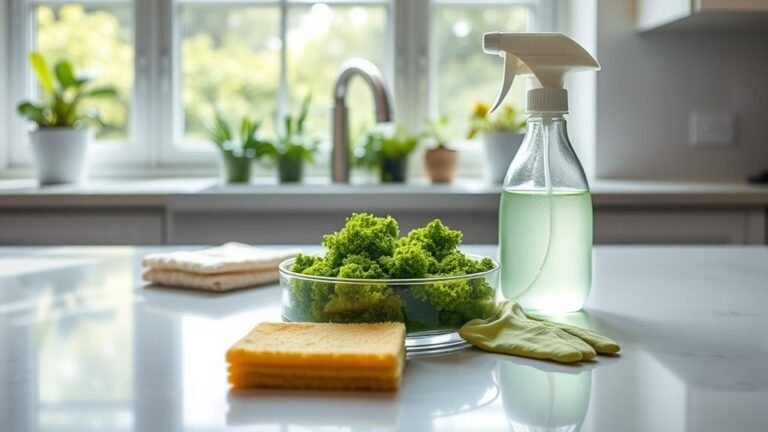
Before you begin the cleaning process, gathering all necessary tools and materials is essential to ensure efficiency and safety. You will need a fuel tank cleaning kit, which often includes cleaning solutions, brushes, and sloshing materials. Additionally, gloves and safety goggles are vital for protecting your skin and eyes from potentially harmful chemicals and debris.
It is important to work in a well-ventilated area to avoid inhaling fumes that may be released during the cleaning process. Make sure to disconnect the motorcycle’s battery to prevent any electrical mishaps, and then carefully remove the gas tank from the bike. This may involve unscrewing bolts and detaching hoses, so consult your motorcycle’s manual for specific instructions to ensure a safe detachment.
Inspecting the Gas Tank
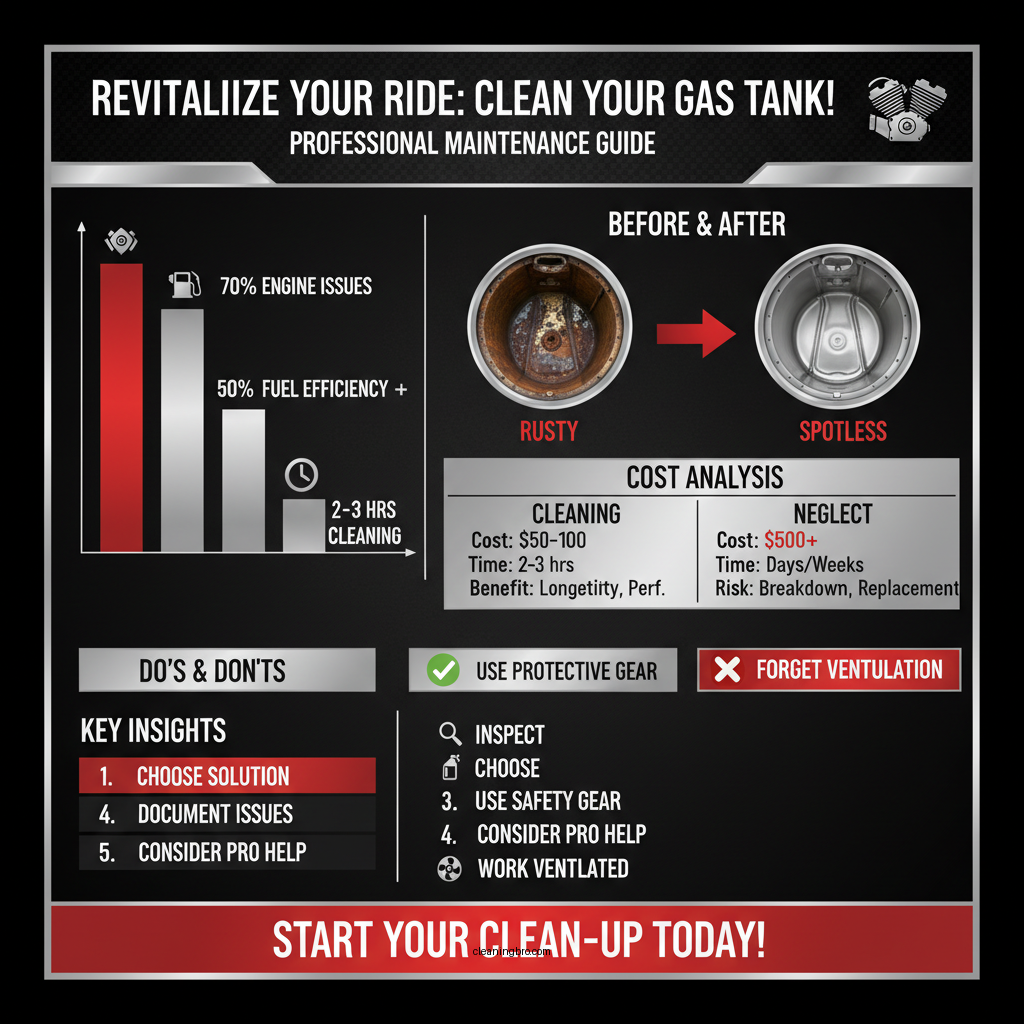
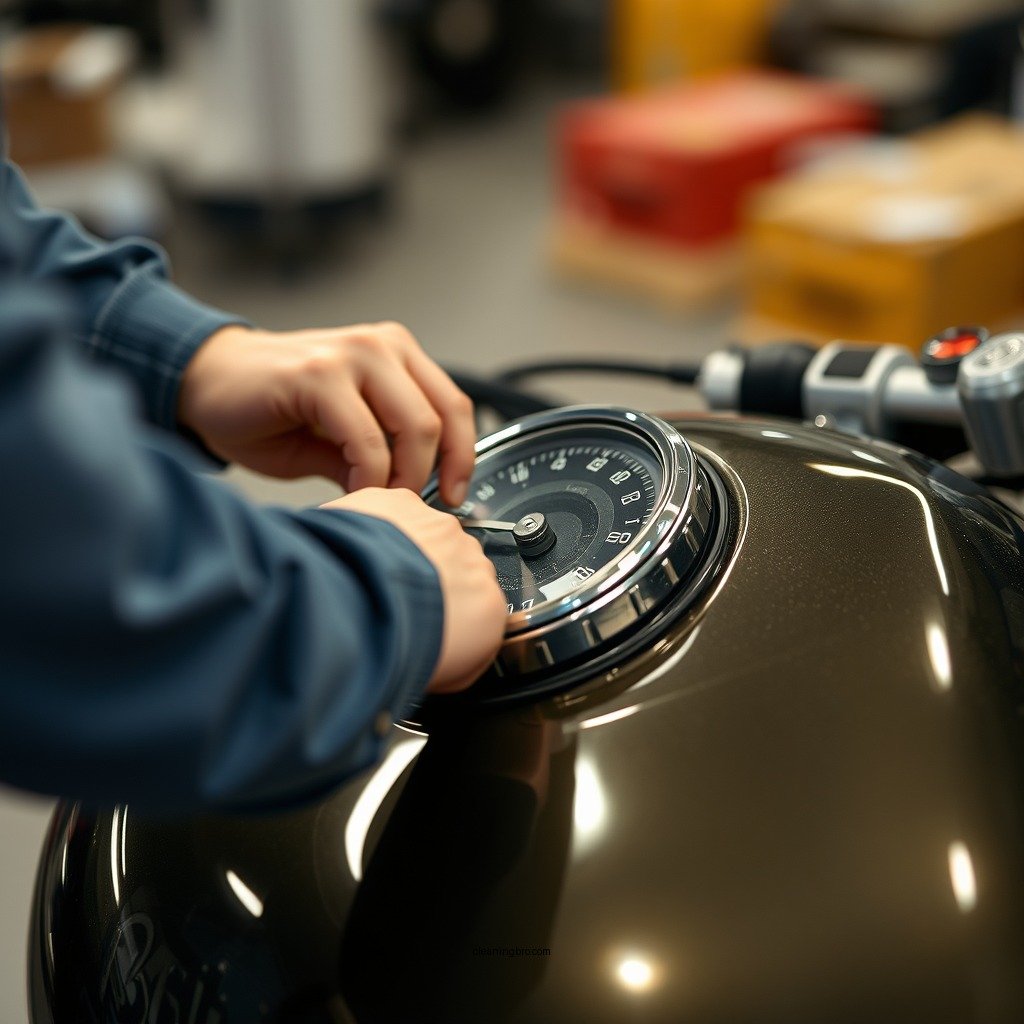
Once the gas tank is removed, inspect the interior thoroughly. Use a flashlight to illuminate hard-to-see areas, allowing you to identify any rust, debris, or signs of damage that may have accumulated over time. Rust can lead to significant problems, including fuel contamination and clogging of fuel injectors.
Take notes on any significant issues you observe, as some may require professional assistance or further intervention. If the tank is extensively rusted or damaged, it may be worth considering a professional cleaning service or even replacing the tank entirely.
Choosing the Right Cleaning Solution
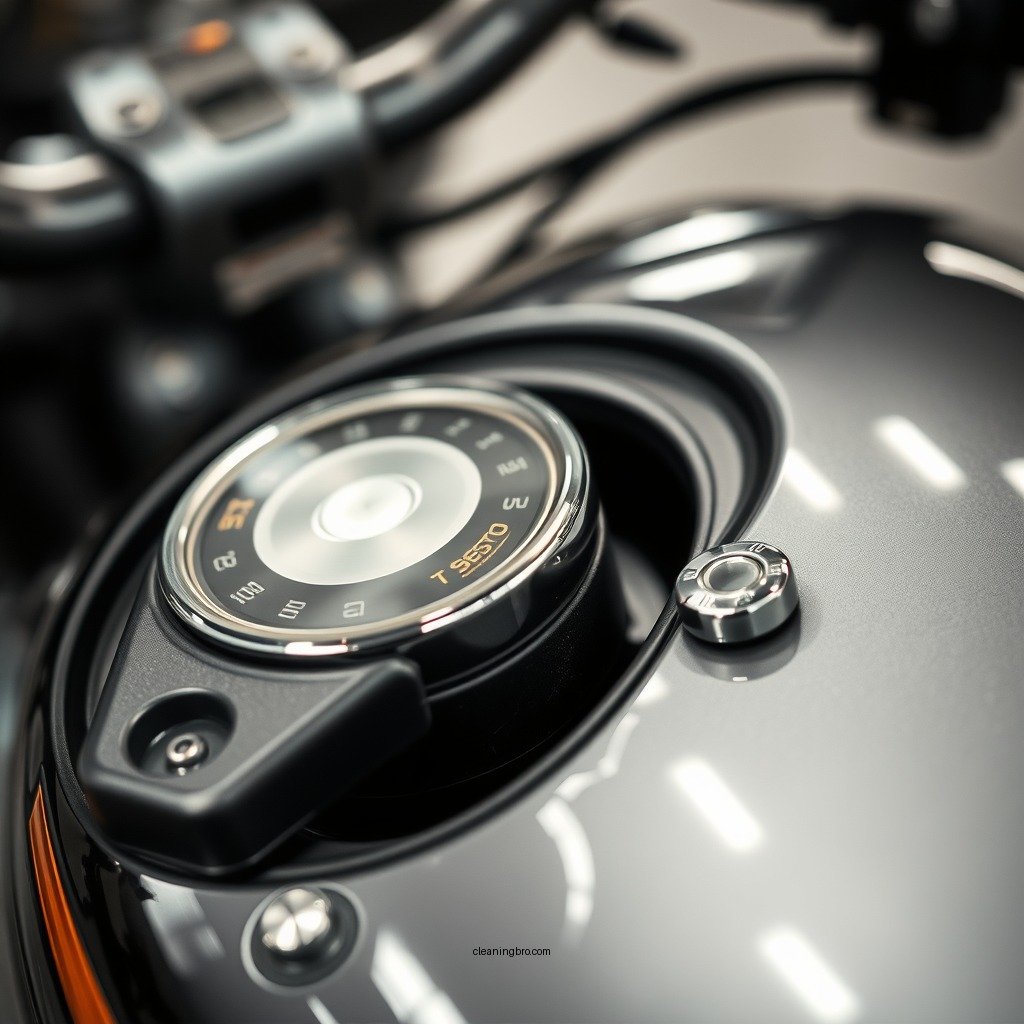
Selecting the appropriate cleaning solution is a critical step in the gas tank cleaning process. You can choose between commercial tank cleaning solutions, which are specifically designed for this purpose, or homemade options like vinegar and baking soda. Commercial cleaners often contain powerful solvents that can break down rust and grime effectively, while homemade solutions are more eco-friendly and can be equally effective for lighter cleaning tasks.
Consider the size and condition of your tank when selecting the right product. For heavily rusted tanks, a commercial cleaner may yield better results. When using a commercial product, always follow the manufacturer’s instructions to ensure optimum effectiveness and safety.
Top 3 Cleaning Solutions for Motorcycle Gas Tanks
| # | Cleaning Solution | Type | Effectiveness | Eco-Friendly |
|---|---|---|---|---|
| 1 | Kreem Fuel Tank Liner Kit | Commercial | High | No |
| 2 | Vinegar and Baking Soda | Homemade | Moderate | Yes |
| 3 | Berryman B-12 Chemtool | Commercial | High | No |
Cleaning the Tank
To clean the gas tank, pour your chosen cleaning solution into the tank and allow it to soak as per the instructions—typically ranging from a few hours to overnight, depending on the severity of the contamination. For more stubborn debris, consider using a tank brush or sloshing materials like nuts or bolts to physically dislodge rust and grime.
After allowing the solution to work its magic, gently shake the tank to ensure the cleaning solution contacts all surfaces. This technique helps maximize the effectiveness of the cleaner, ensuring that even hard-to-reach areas receive attention.
Rinsing and Drying the Tank
After the cleaning process, it’s crucial to rinse the tank thoroughly with clean water to remove all residues of cleaning solution. This step prevents any harmful chemicals from remaining in the tank, which could contaminate the fuel.
Allow the tank to dry completely. If you want to expedite the drying process, using compressed air can be particularly effective. It’s vital to ensure that no moisture is left inside the tank, as lingering water can lead to rust formation, negating the benefits of your cleaning efforts.
Best Practices for Rinsing and Drying
| Method | ⭐ Best Method | Standard Method | Quick Method |
|---|---|---|---|
| Rinsing Technique | Thorough Water Rinse | Water and Mild Soap | Quick Water Flush |
| Drying Technique | Compressed Air | Air Drying | Towel Dry |
| Drying Time | 30 minutes | 1 hour | 15 minutes |
| Best for | Complete Cleaning | General Maintenance | Quick Fixes |
Reinstalling the Gas Tank
Once the gas tank has been cleaned and dried thoroughly, it’s time to reinstall it on the motorcycle. Carefully reattach the gas tank, ensuring all connections, including hoses and electrical components, are secure. This step is vital to prevent any fuel leaks or operational issues.
After reinstallation, reconnect the motorcycle’s battery and perform a quick check for leaks or other issues before starting the engine. Once everything appears secure, take the motorcycle for a short ride to confirm that everything is functioning correctly. Pay attention to how the engine runs; if it performs smoothly, you have successfully cleaned your gas tank.
In summary, cleaning the inside of a motorcycle gas tank is a straightforward process that involves preparation, inspection, careful cleaning, and thorough drying. By following these steps regularly, you can ensure optimal engine performance and prolong the life of your motorcycle.
Maintaining a clean gas tank is essential for the overall health of your motorcycle. By implementing these cleaning practices, you can prevent engine issues and ensure a smooth ride every time. Take action now to keep your motorcycle in great condition, and enjoy the peace of mind that comes with knowing your bike is running at its best.
Frequently Asked Questions
What are the best methods to clean the inside of a motorcycle gas tank?
The best methods to clean the inside of a motorcycle gas tank include using a mixture of vinegar and baking soda, or specialized fuel tank cleaning solutions. First, drain any old fuel and remove the tank from the motorcycle. Then, seal the openings and shake the tank with the cleaning solution. Afterward, rinse thoroughly with water and allow it to dry completely before refilling.
How do I remove rust from the inside of my motorcycle gas tank?
To remove rust from the inside of a motorcycle gas tank, you can use a rust removal product, such as Evapo-Rust or vinegar. After draining the tank, pour the rust remover into the tank and let it sit for several hours. Agitating the tank can help dislodge stubborn rust particles. Rinse thoroughly with water and ensure the tank is completely dry to prevent future rust.
Why is it important to clean the inside of a motorcycle gas tank?
Cleaning the inside of a motorcycle gas tank is crucial for maintaining optimal engine performance and fuel efficiency. Accumulated debris, rust, or contaminants can clog fuel lines and filters, leading to poor engine operation or even damage. Regular cleaning helps prevent these issues and prolongs the life of your motorcycle.
Which tools do I need to clean my motorcycle gas tank effectively?
To clean your motorcycle gas tank effectively, you will need basic tools such as a wrench to remove the tank, a funnel for pouring cleaning solutions, and brushes or rags for scrubbing. Additionally, having a vacuum or air compressor can help remove loose debris, while safety gear like gloves and goggles ensures you stay protected during the cleaning process.
What precautions should I take when cleaning a motorcycle gas tank?
When cleaning a motorcycle gas tank, always work in a well-ventilated area and avoid open flames, as gasoline vapors are highly flammable. Make sure to wear gloves and goggles to protect yourself from chemical solutions or debris. Finally, ensure that the tank is completely dry before reassembling and refilling to prevent issues with fuel contamination.
References
- https://en.wikipedia.org/wiki/Motorcycle_maintenance
https://en.wikipedia.org/wiki/Motorcycle_maintenance - https://www.cdc.gov/niosh/topics/motorcycle-safety/default.html
https://www.cdc.gov/niosh/topics/motorcycle-safety/default.html - https://www.nhtsa.gov/motorcycles
https://www.nhtsa.gov/motorcycles - https://www.bbc.com/news/magazine-27678881
https://www.bbc.com/news/magazine-27678881 - https://scholar.google.com/scholar?q=how+to+clean+motorcycle+gas+tank Google Scholar
https://scholar.google.com/scholar?q=how+to+clean+motorcycle+gas+tank - https://scholar.google.com/scholar?q=cleaning+motorcycle+fuel+tank Google Scholar
https://scholar.google.com/scholar?q=cleaning+motorcycle+fuel+tank - Google Scholar Google Scholar
https://scholar.google.com/scholar?q=gas+tank+maintenance+motorcycle - https://www.sciencedirect.com/topics/engineering/motorcycle-fuel-system
https://www.sciencedirect.com/topics/engineering/motorcycle-fuel-system - Motorcycle | History, Components, & Emissions Standards | Britannica
https://www.britannica.com/topic/motorcycle