How to Clean the Sides of Your Pool Effectively
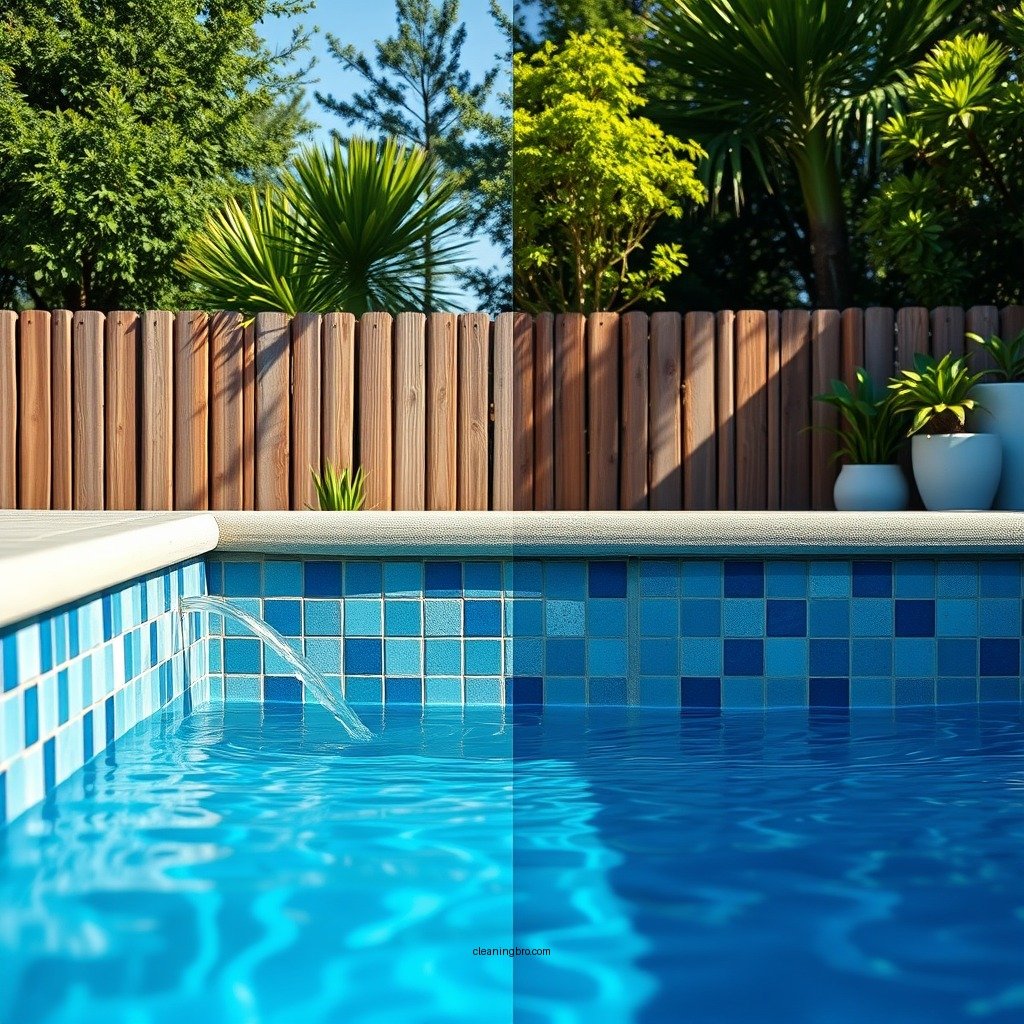
Cleaning the sides of your pool is essential for maintaining a clean and inviting swimming environment. Regular cleaning prevents algae growth and buildup of dirt, ensuring that your pool remains a safe and pleasant place for recreation. In this article, you will learn the most effective methods and tips for scrubbing and maintaining the walls of your pool, ensuring that your swimming experience is both enjoyable and hygienic.
Understanding Pool Surface Types
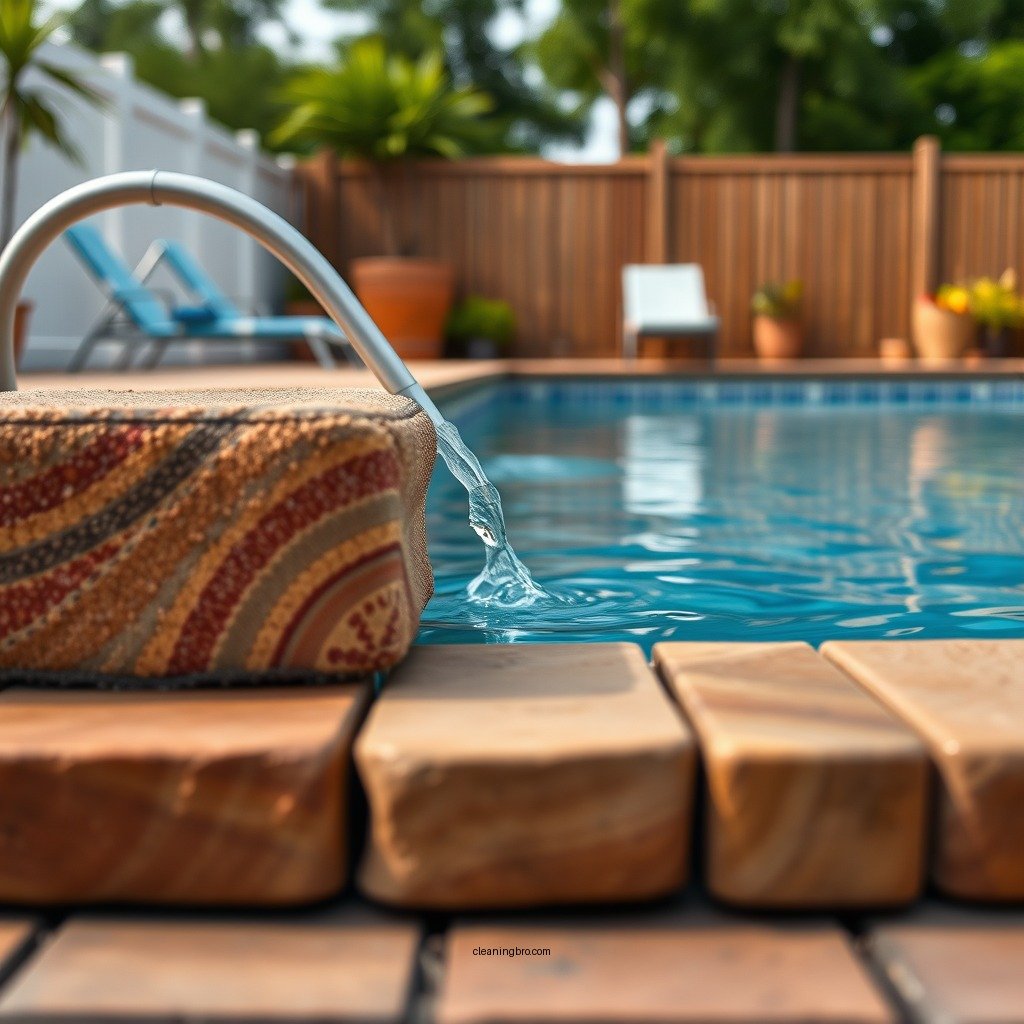
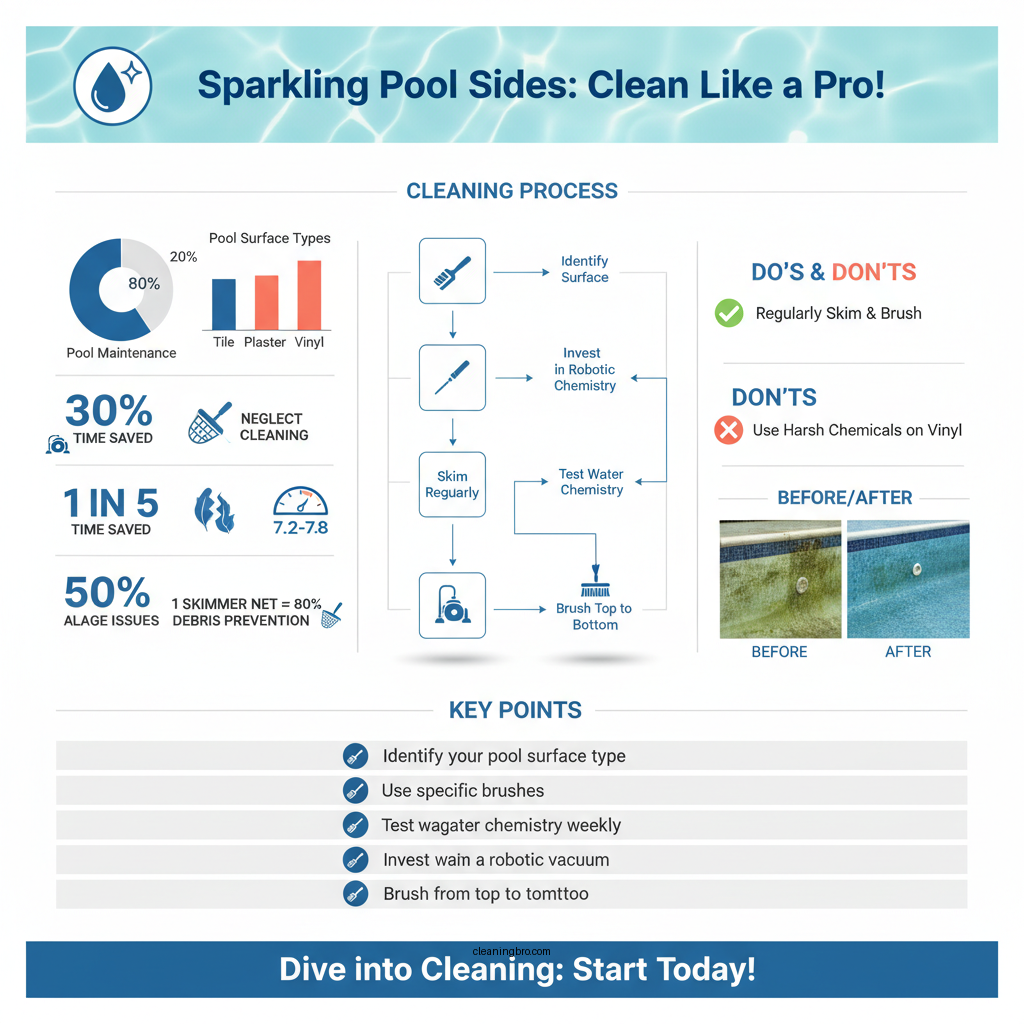
Different surfaces require specific cleaning techniques, making it crucial to understand the type of pool you have. The three most common pool surface types are tile, plaster, and vinyl, each presenting its own challenges and solutions for cleaning.
1. Tile Pools: Tile pools are often easier to clean due to their smooth surfaces, which resist algae growth. Use a brush with stiff bristles to scrub the tiles and grout lines effectively.
2. Plaster Pools: These pools require a gentler approach as the plaster can be scratched easily. Use a softer brush, ideally one with nylon bristles, to avoid damaging the surface while still effectively removing dirt and algae.
3. Vinyl Pools: Vinyl liners are prone to tears, so using a vinyl-safe brush is essential. Avoid harsh chemicals that can damage the lining and instead opt for mild, pool-safe cleaners.
Knowing your pool type helps in selecting the right cleaning tools and products, making your cleaning efforts more efficient and effective.
Essential Tools for Pool Cleaning
To maintain a clean pool, you need the right tools. Here are some essential items to include in your pool cleaning arsenal:
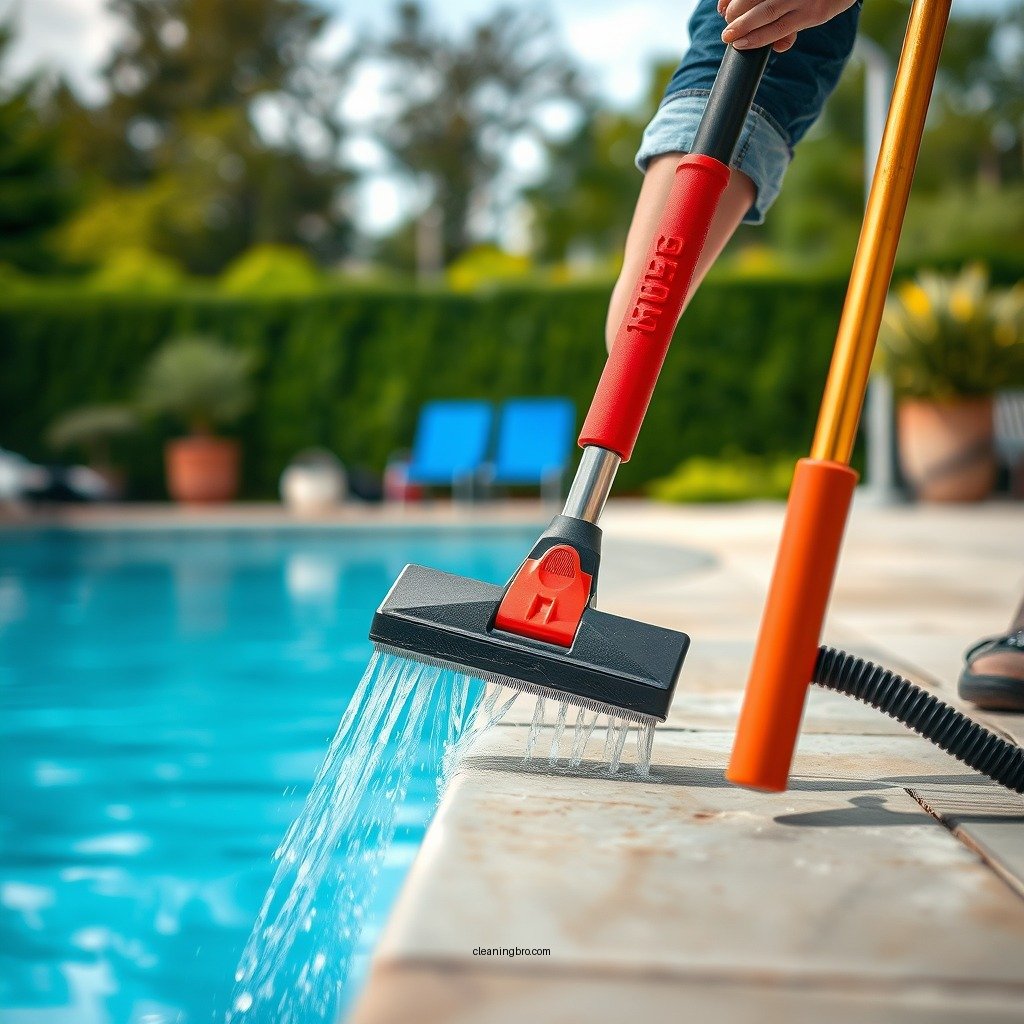
– Pool Brush: Choose a brush with bristles suitable for your pool surface type. For tile, use stiff bristles; for plaster, opt for softer bristles; and for vinyl, select a brush designed specifically for vinyl surfaces.
– Vacuum Cleaner: A pool vacuum or a robotic cleaner can significantly reduce your cleaning time. Manual vacuums are great for spot cleaning, while robotic cleaners can handle larger areas autonomously.
– Skimmer Net: Regularly skimming the surface of your pool removes leaves and debris, preventing them from sinking to the bottom and contributing to algae growth.
– Chemical Testing Kit: Maintaining the correct chemical balance is paramount for pool cleanliness. A testing kit allows you to monitor pH, chlorine levels, and other essential parameters, ensuring a safe swimming environment.
Step-by-Step Cleaning Process
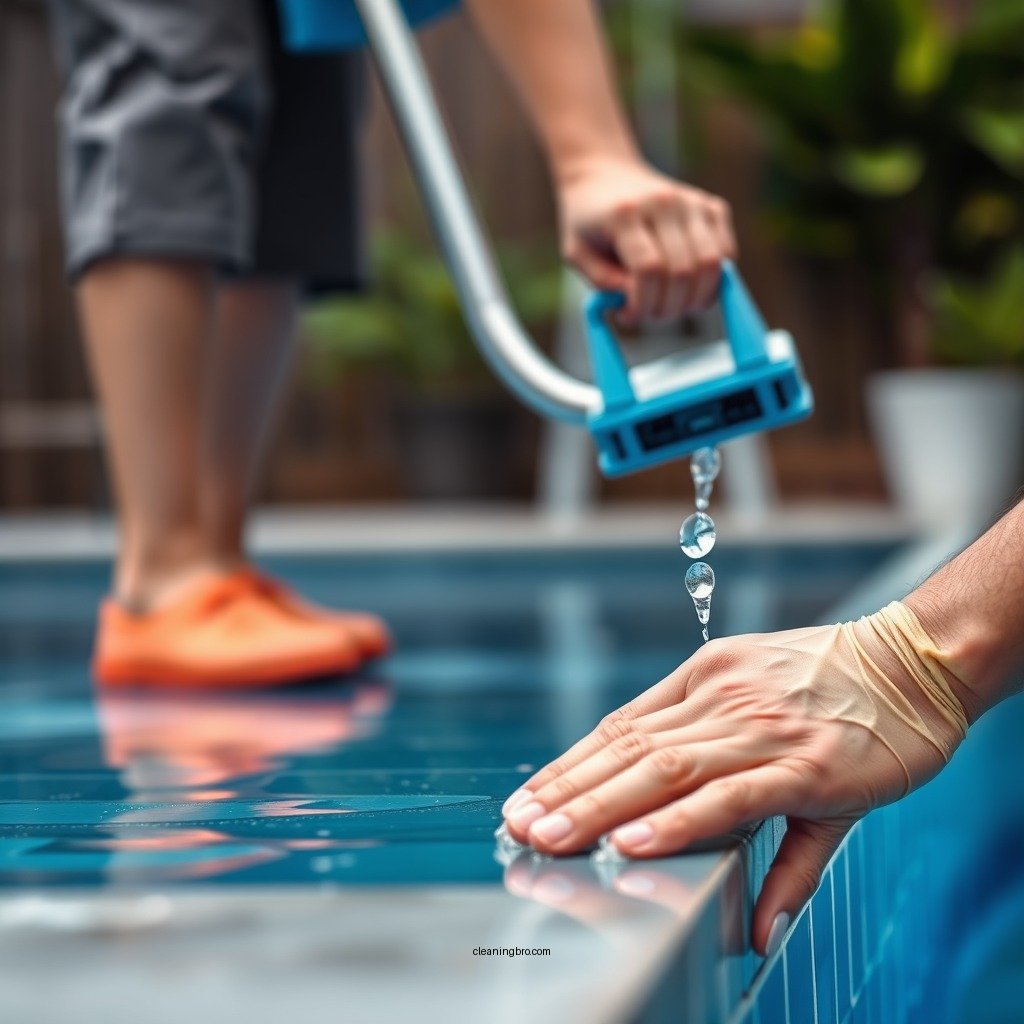
Cleaning your pool effectively involves a systematic approach. Here’s a step-by-step guide:
1. Skim the Surface: Begin by using the skimmer net to remove floating debris such as leaves, insects, and other particles.
2. Brush the Sides: Start brushing the walls of your pool from the top down. Focus on areas with visible dirt or algae, ensuring that you apply enough pressure to dislodge stubborn buildup.
3. Vacuum the Pool: After brushing, use your vacuum to clean the sides and the bottom of the pool. Ensure that you cover all areas, including corners and curves, where dirt tends to accumulate.
4. Check and Adjust Chemical Levels: After the physical cleaning, check your pool’s chemical balance. Adjust the chlorine and pH levels as necessary to maintain a safe swimming environment.
5. Final Skim and Rinse: Perform a final skim of the surface and rinse any remaining debris from your cleaning tools into the pool water.
6. Regular Maintenance: Establish a regular cleaning schedule to keep the pool pristine. This could be weekly or bi-weekly, depending on usage and environmental factors.
Top 7 Pool Cleaning Tools for Effective Maintenance (2024)
| # | Tool | Type | Best For | Price Range |
|---|---|---|---|---|
| 1 | Heavy-Duty Pool Brush | Manual | Tile Pools | $25 – $50 |
| 2 | Nylon Bristle Brush | Manual | Plaster Pools | $15 – $35 |
| 3 | Vinyl Pool Brush | Manual | Vinyl Pools | $20 – $40 |
| 4 | Manual Pool Vacuum | Manual | All Pool Types | $50 – $100 |
| 5 | Robotic Pool Cleaner | Automatic | All Pool Types | $300 – $800 |
| 6 | Skimmer Net | Manual | All Pool Types | $10 – $25 |
| 7 | Chemical Testing Kit | Manual | All Pool Types | $15 – $50 |
Chemical Treatments for Stains
Despite regular cleaning, stains can still occur in your pool, necessitating chemical treatments. Here are some essential tips for dealing with stains effectively:
1. Identify the Stain Type: Different stains require different treatments. Organic stains (e.g., algae) can often be treated with chlorine shock, while metal stains (e.g., rust) may need a specialized stain remover.
2. Use Pool-Safe Chemicals: Always opt for pool-safe chemicals and follow the manufacturer’s instructions carefully. Harsh chemicals can damage your pool surface and affect water quality.
3. Regular Maintenance: Monitoring the pH and chlorine levels in your pool can help prevent stains from forming in the first place. Aim to keep your pH between 7.2 and 7.6 for optimal water quality.
4. Apply Treatments as Needed: For stubborn stains, consider using a stain remover designed for your specific pool type. Apply according to the instructions and rinse thoroughly.
Preventive Maintenance Tips
Preventive maintenance is key to reducing the frequency and intensity of deep cleaning efforts. Here are some effective strategies:
– Regular Skimming: Make it a habit to skim the pool surface daily or every few days, depending on the amount of debris in your area. This reduces the likelihood of dirt settling and forming stains.
– Brushing and Vacuuming: Incorporate brushing the sides and vacuuming the pool into your weekly cleaning routine. This helps prevent algae growth and keeps your pool looking fresh.
– Use a Pool Cover: When your pool is not in use, a cover can significantly reduce debris collection and minimize cleaning time. Consider using a cover that fits securely and is easy to remove.
– Monitor Water Chemistry: Regularly check and adjust your water chemistry, as balanced water can prevent algae growth and staining.
Scheduling Regular Cleanings
Creating a cleaning schedule tailored to your pool usage will help keep your pool in top condition. Consider the following:
– Weekly Cleaning: For pools used frequently, a weekly cleaning schedule is ideal. This should include skimming, brushing, vacuuming, and checking chemical levels.
– Monthly Deep Cleaning: Every month, allocate time for a thorough cleaning that includes scrubbing, chemical treatments for stains, and a comprehensive water test.
– Seasonal Maintenance: At the start of each pool season, conduct a deep cleaning and inspection. This will ensure that all equipment is functioning well and that the pool is ready for use.
Hiring Professional Help
While many pool owners can manage basic cleaning tasks, there are times when hiring a professional service is advisable:
– Complex Issues: If you encounter persistent stains, algae blooms, or equipment malfunctions, consulting a professional can save time and effort.
– Time Constraints: For busy individuals, hiring a service can free up time while ensuring that your pool is maintained to a high standard.
– Expert Knowledge: Professionals have the knowledge and tools to address issues that may be beyond the capabilities of the average pool owner, ensuring that your pool remains pristine.
DIY vs Professional Pool Cleaning Services
| Feature | ⭐ DIY Cleaning | Professional Services | Verdict |
|---|---|---|---|
| Cost | Low | Higher | DIY is cheaper |
| Time | More Time Required | Less Time Required | Pro saves time |
| Expertise | Basic Knowledge | Professional Expertise | Pro has more expertise |
| Equipment | Basic Tools | Advanced Tools | Pro has better tools |
| Consistency | Inconsistent | Consistent | Pro gives consistent results |
| Algae Management | Limited | Advanced Management | Pro handles algae better |
| Water Chemistry | Basic Knowledge | Professional Knowledge | Pro has more knowledge |
| Cleaning Frequency | As Needed | Regular Schedule | Pro maintains a schedule |
| Overall Quality | Variable | High | Pro offers high quality |
| 🏆 Best For | Budget-conscious owners | Those seeking convenience | Expertise and high-quality service |
Keeping the sides of your pool clean not only enhances its appearance but also ensures a healthier swimming environment. By following the steps outlined in this guide, you can maintain the cleanliness and longevity of your pool. Take action today by gathering your cleaning supplies and setting a schedule to keep your pool in top shape! Regular maintenance will save you time, effort, and money, allowing you to enjoy your pool to the fullest.
Frequently Asked Questions
What are the best tools for cleaning the sides of a pool?
The best tools for cleaning the sides of a pool include a long-handled pool brush, a vacuum cleaner, and a skimmer net. A pool brush helps remove algae and dirt, while a vacuum can handle debris that settles on the bottom or clings to the walls. Additionally, a skimmer net is useful for removing floating debris before it sinks and complicates the cleaning process.
How often should I clean the sides of my pool?
You should clean the sides of your pool at least once a week to prevent algae buildup and maintain water clarity. If your pool is in a heavily wooded area or experiences high winds, you may need to clean it more frequently. Regular maintenance not only enhances the pool’s appearance but also contributes to better water quality.
Why is it important to clean the sides of my pool regularly?
Cleaning the sides of your pool regularly is important to prevent algae growth and staining, which can lead to costly repairs and maintenance. Algae can create a slippery surface, making your pool unsafe for swimmers. Additionally, a clean pool is more inviting and enhances your overall swimming experience.
Which cleaning solutions are safe to use on pool walls?
Safe cleaning solutions for pool walls include diluted bleach, vinegar, or specialized pool cleaners that are pH balanced. Avoid harsh chemicals that can damage your pool’s surface or disrupt water chemistry. Always follow the manufacturer’s guidelines for any cleaning product to ensure safe and effective use.
How do I remove stubborn stains from the sides of my pool?
To remove stubborn stains from the sides of your pool, start by scrubbing the affected areas with a pool brush and a suitable stain remover. For organic stains, a mixture of baking soda and water can be effective, while mineral stains may require a product specifically designed to combat calcium buildup. Regular maintenance and immediate action on stains can prevent them from becoming more difficult to remove.
References
- Swimming pool
https://en.wikipedia.org/wiki/Swimming_pool - Swimming and Your Health | Healthy Swimming | CDC
https://www.cdc.gov/healthywater/swimming/index.html - https://www.epa.gov/pools
https://www.epa.gov/pools - https://www.purdue.edu/hhs/hdfs/factsheets/PDF/PoolCare.pdf
https://www.purdue.edu/hhs/hdfs/factsheets/PDF/PoolCare.pdf - https://www.extension.purdue.edu/extmedia/HO/HO-213-W.pdf
https://www.extension.purdue.edu/extmedia/HO/HO-213-W.pdf - https://www.mayoclinic.org/healthy-lifestyle/fitness/in-depth/pool-exercise/art-20046038
https://www.mayoclinic.org/healthy-lifestyle/fitness/in-depth/pool-exercise/art-20046038 - https://www.abc.net.au/education/life-skills/how-to-clean-a-pool/12650086
https://www.abc.net.au/education/life-skills/how-to-clean-a-pool/12650086 - Google Scholar Google Scholar
https://scholar.google.com/scholar?q=how+to+clean+sides+of+pool - Google Scholar Google Scholar
https://scholar.google.com/scholar?q=pool+maintenance+cleaning - Google Scholar Google Scholar
https://scholar.google.com/scholar?q=cleaning+swimming+pool+walls