How to Clean Under a Dental Bridge: Essential Steps
Cleaning under a dental bridge is essential for maintaining oral health and preventing decay. To effectively clean this area, you’ll need the right tools and techniques. This article will guide you through the best practices for ensuring thorough cleaning and care for your dental bridge.
Understanding Your Dental Bridge
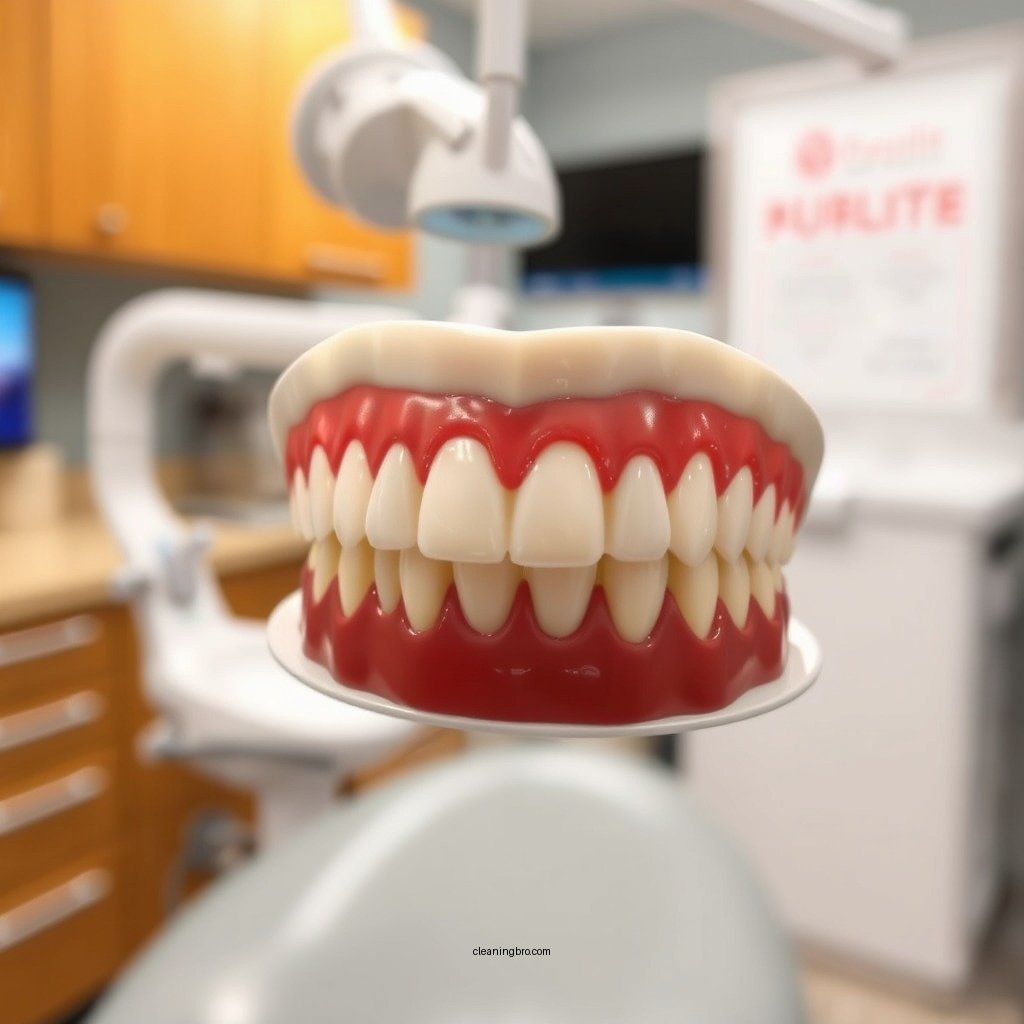
A dental bridge is a fixed dental restoration designed to replace one or more missing teeth. It consists of one or more artificial teeth, known as pontics, which are anchored in place by adjacent natural teeth (abutments) or dental implants. This structure not only restores aesthetics and functionality but also helps maintain the alignment of surrounding teeth.
Proper cleaning is crucial because food particles and plaque can accumulate under the bridge, leading to gum disease, decay of the supporting teeth, and even the failure of the bridge itself. Regular and effective cleaning can prevent these issues, ensuring the longevity of your dental bridge and overall oral health.
The Right Tools for Cleaning
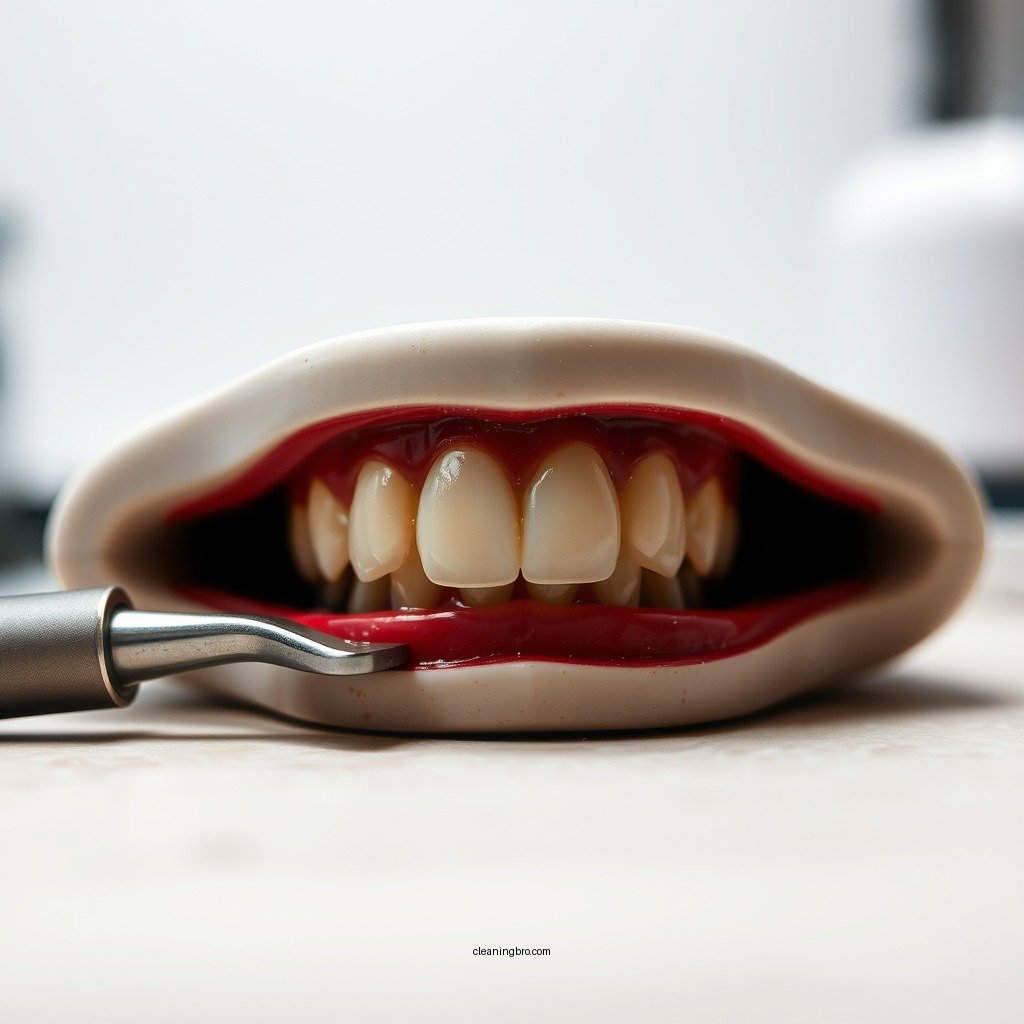
To clean under a dental bridge effectively, it’s important to have the appropriate tools at your disposal. The following tools are recommended:
– Floss Threaders: These are specialized devices that help guide dental floss under the bridge. They have a pointed end that makes it easier to thread the floss into tight spaces.
– Interdental Brushes: These small brushes are specifically designed to clean between teeth and under bridges. They come in various sizes, allowing you to choose the one that best fits your bridge.
– Water Flossers: A water flosser uses a stream of pulsating water to remove plaque and food particles. This tool can be very effective for cleaning under bridges without the risk of damaging dental structures.
Using these tools regularly can help ensure that the area beneath your dental bridge is kept clean and free from harmful bacteria.
Step-by-Step Cleaning Process
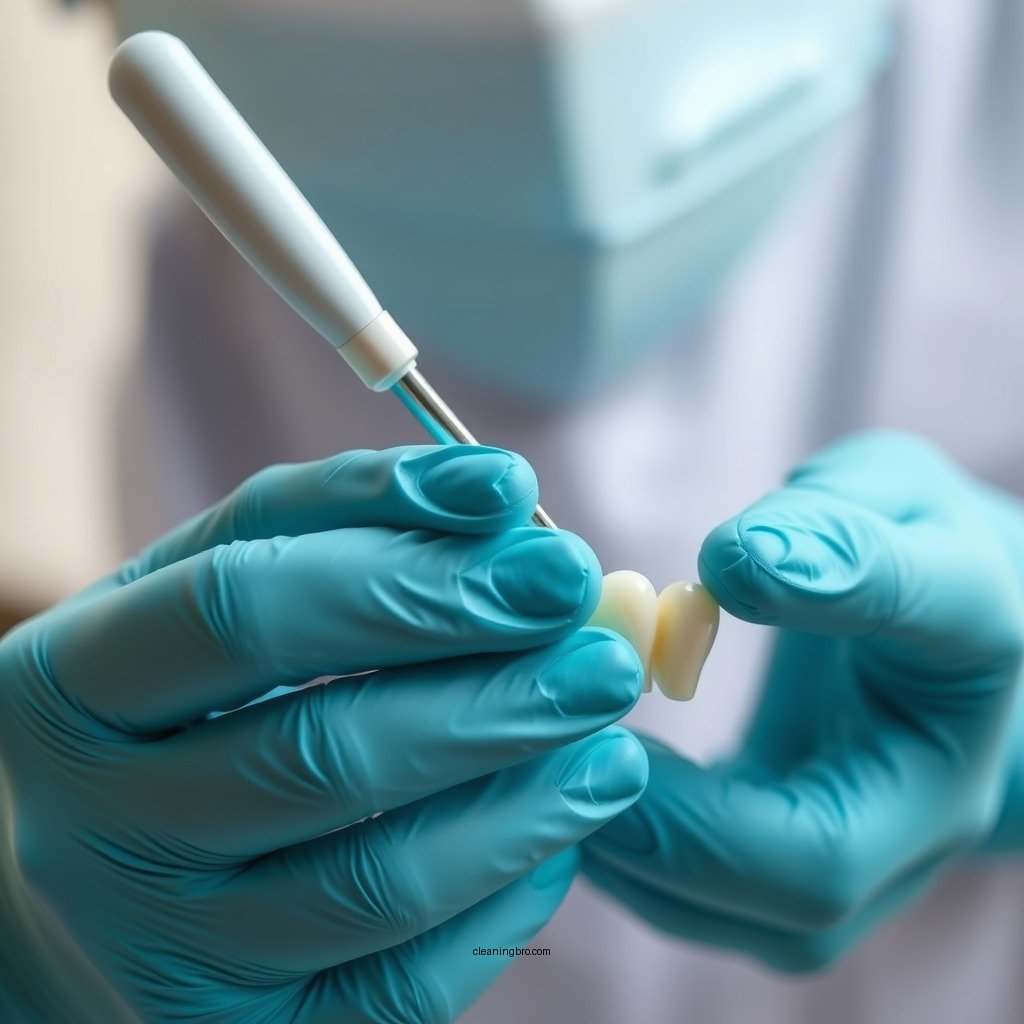
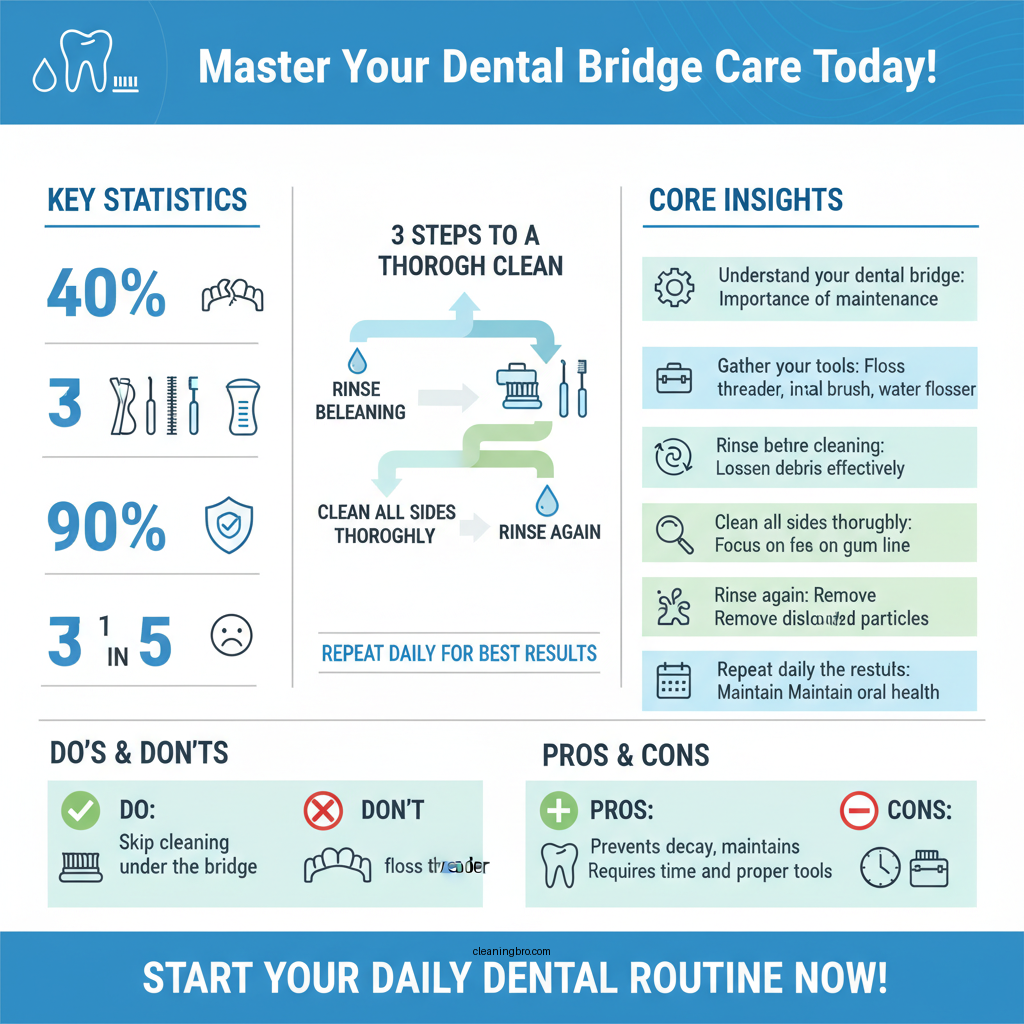
Cleaning under a dental bridge can be broken down into a few simple steps:
1. Rinse Your Mouth: Start by rinsing your mouth with water to help loosen any food particles that may be stuck around your bridge.
2. Use a Floss Threader or Interdental Brush: Carefully insert the floss threader or interdental brush under the bridge. It’s important to be gentle to avoid damaging the bridge or irritating your gums. If using floss, make sure to wrap it around your fingers for better control.
3. Clean All Sides: Move the threader or brush back and forth to clean all sides of the bridge thoroughly. Ensure that you reach the gum line, as this is where plaque tends to accumulate.
4. Rinse Again: After cleaning, rinse your mouth again to wash away any debris that may have been dislodged during the process.
5. Regular Maintenance: Incorporate this cleaning routine into your daily oral hygiene practices, ideally before bedtime when plaque is more likely to build up.
Top Tools for Cleaning Under Dental Bridges (2024)
| # | Tool | Description | Effectiveness |
|---|---|---|---|
| 1 | Floss Threader | Helps thread floss under bridges | High |
| 2 | Interdental Brush | Cleans between teeth and under bridges | Very High |
| 3 | Water Flosser | Uses water to remove debris | High |
| 4 | Dental Picks | Manual tool for plaque removal | Moderate |
| 5 | Antimicrobial Mouthwash | Reduces bacteria and plaque | High |
| 6 | Soft-Bristled Toothbrush | Gentle for gum protection | Very High |
| 7 | Orthodontic Floss | Designed for braces and bridges | High |
Tips for Effective Cleaning
To maximize the effectiveness of your cleaning routine, consider the following tips:
– Daily Cleaning: Aim to clean under your dental bridge at least once a day, ideally before bedtime. This practice helps to prevent plaque buildup and reduces the risk of gum disease.
– Gentle Motions: Use gentle motions when maneuvering your cleaning tools to avoid damaging the bridge or irritating the surrounding gums. If you feel resistance, don’t force the tool, as this could lead to injury or displacement.
– Consistency: Establish a consistent routine for cleaning. This could include integrating it into your existing oral care regimen, such as brushing and flossing.
– Use Antimicrobial Products: Consider using antimicrobial mouthwashes or rinses that can help reduce bacteria in the mouth, further protecting your dental bridge and gums.
– Hydration: Staying hydrated can also help keep your mouth moist, which is essential for maintaining good oral health and preventing dry mouth, a condition that can lead to increased plaque buildup.
Signs You Need Professional Help
While maintaining your dental bridge at home is critical, it’s equally important to be vigilant about your oral health. Look out for the following signs that may indicate a need for professional assistance:
– Gum Inflammation: Red, swollen, or bleeding gums around the bridge can signify gum disease and should be addressed immediately.
– Pain or Discomfort: Any persistent pain or discomfort in the area of the bridge may indicate underlying issues that require dental intervention.
– Changes in the Bridge: If you notice any unusual changes in the appearance or fit of your dental bridge, such as looseness or discoloration, contact your dentist promptly.
– Regular Check-Ups: Schedule regular dental check-ups to monitor the health of your bridge and surrounding teeth. Your dentist can provide tailored advice and treatment options if necessary.
Maintenance Tips for Long-lasting Bridges
To ensure the longevity of your dental bridge, consider implementing the following maintenance tips:
– Regular Oral Hygiene: Maintain a consistent oral hygiene routine, including brushing twice a day with fluoride toothpaste and flossing at least once daily.
– Avoid Hard Foods: Be cautious with sticky, hard, or crunchy foods that may put undue strain on the bridge. These can lead to damage or dislodging of the bridge.
– Quit Smoking: If you smoke, consider quitting. Smoking can negatively impact oral health and increase the risk of gum disease.
– Stay Hydrated: Drinking plenty of water helps to wash away food particles and bacteria, promoting oral health.
– Use a Soft-Bristled Toothbrush: Opt for a soft-bristled toothbrush to protect your gums and the structural integrity of the bridge while brushing.
Maintaining cleanliness under your dental bridge is vital for your overall dental health. By using the right tools and following a consistent cleaning routine, you can ensure your bridge remains in good condition. Don’t hesitate to consult your dentist for personalized advice and maintenance tips. Your dental bridge deserves the best care to continue serving you effectively for years to come.Frequently Asked Questions
How do I clean under my dental bridge effectively?
To clean under your dental bridge effectively, use a floss threader or an interdental brush designed for bridges. Gently slide the tool under the bridge to remove plaque and food particles, ensuring you reach all areas. Regular cleaning helps prevent gum disease and maintains oral hygiene.
Why is it important to clean under a dental bridge?
Cleaning under a dental bridge is crucial because food particles and plaque can accumulate in hard-to-reach areas, leading to gum inflammation and decay. Neglecting this area can result in bad breath and even jeopardize the health of your natural teeth and gums surrounding the bridge.
What tools are best for cleaning under a dental bridge?
The best tools for cleaning under a dental bridge include a floss threader, interdental brushes, and soft picks. These tools are specifically designed to navigate around the bridge, helping you maintain optimal oral hygiene and remove debris effectively.
How often should I clean under my dental bridge?
It is recommended to clean under your dental bridge at least once a day, preferably during your nightly oral hygiene routine. Regular cleaning helps prevent plaque build-up and reduces the risk of gum disease, ensuring your bridge remains in good condition.
Which mouthwash is best for maintaining oral health around a dental bridge?
An antimicrobial mouthwash is best for maintaining oral health around a dental bridge, as it can help reduce plaque and bacteria. Look for mouthwashes containing chlorhexidine or cetylpyridinium chloride, which are effective in promoting gum health and freshening breath.
References
- Page Not Found – Site Help – Mayo Clinic
https://www.mayoclinic.org/diseases-conditions/dental-bridge/care-at-mayo-clinic/mac-20306633 - https://www.ncbi.nlm.nih.gov/pmc/articles/PMC6269175/
https://www.ncbi.nlm.nih.gov/pmc/articles/PMC6269175/ - https://www.ncbi.nlm.nih.gov/pmc/articles/PMC4060936/
https://www.ncbi.nlm.nih.gov/pmc/articles/PMC4060936/ - Oral health
https://www.who.int/news-room/fact-sheets/detail/oral-health - https://www.cdc.gov/oralhealth/publications/index.html
https://www.cdc.gov/oralhealth/publications/index.html - Bridge (dentistry)
https://en.wikipedia.org/wiki/Dental_bridge - Google Scholar Google Scholar
https://scholar.google.com/scholar?q=how+to+clean+under+a+dental+bridge - Google Scholar Google Scholar
https://scholar.google.com/scholar?q=dental+bridge+maintenance - Google Scholar Google Scholar
https://scholar.google.com/scholar?q=oral+hygiene+for+dental+bridges - how to clean under a dental bridge – Search results
https://en.wikipedia.org/wiki/Special:Search?search=how+to+clean+under+a+dental+bridge