How to Clean Up After a Toilet Overflows
To clean up after a toilet overflows, start by shutting off the water supply to prevent further flooding. Swift action is crucial to mitigate damage and maintain hygiene. In this article, you will learn step-by-step instructions to effectively handle an overflow, ensuring a safe and clean environment in your bathroom.
Assess the Situation
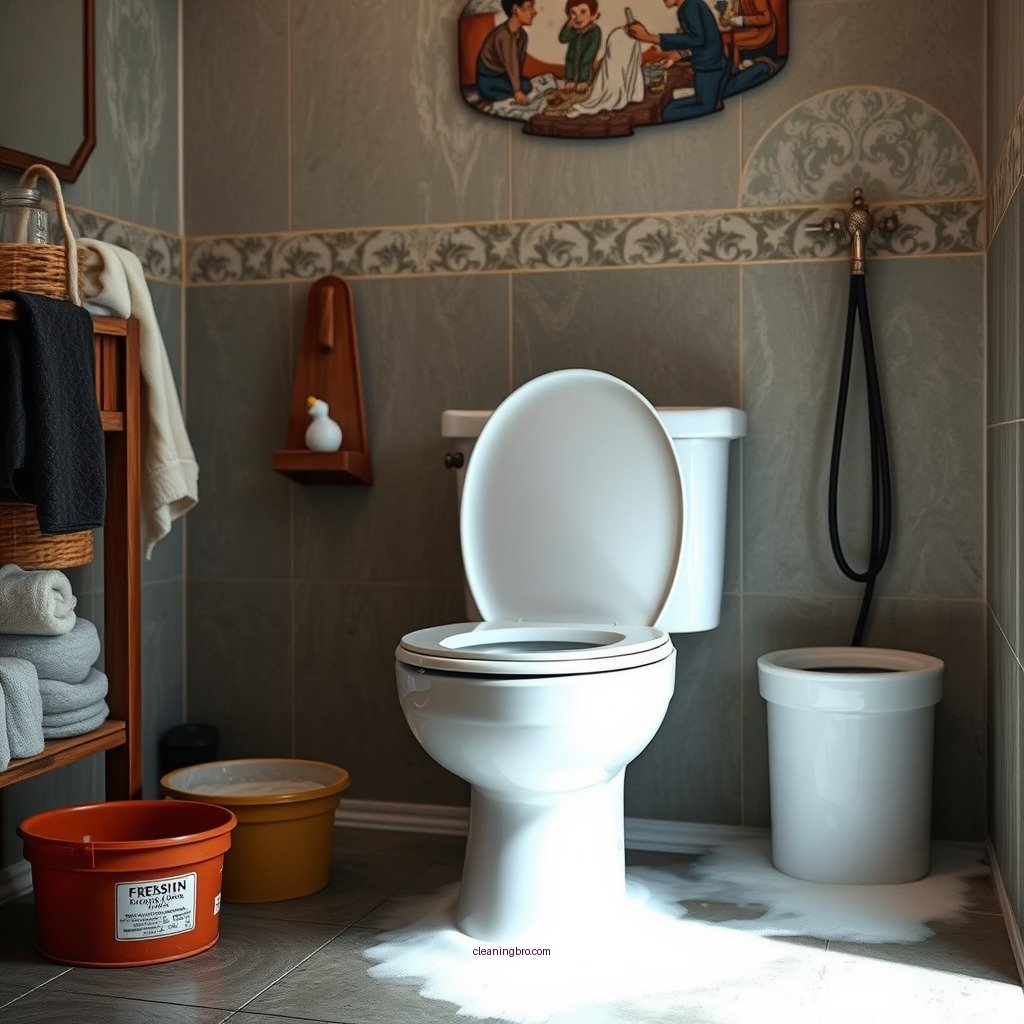
When a toilet overflows, the first step is to assess the situation. Take a moment to evaluate how much water has spread beyond the toilet bowl and identify any potential damage to surrounding areas, such as flooring, cabinetry, or baseboards. This assessment will help you determine the urgency and scale of your cleanup effort.
Additionally, pinpointing the source of the overflow is essential. Common causes can include a clogged toilet, malfunctioning float mechanism in the tank, or a faulty flapper valve. Understanding the cause will not only aid in cleanup but also help you implement preventive measures to avoid future incidents.
Shut Off the Water Supply
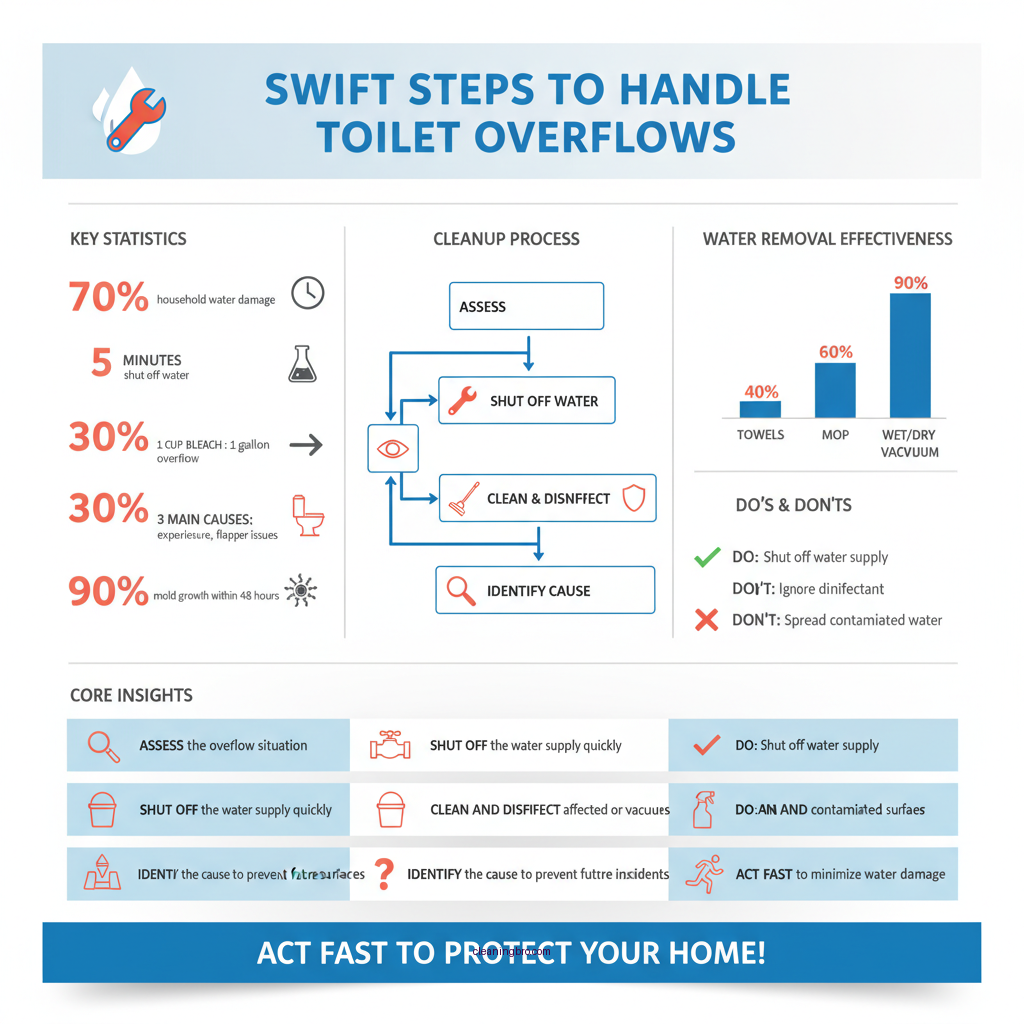
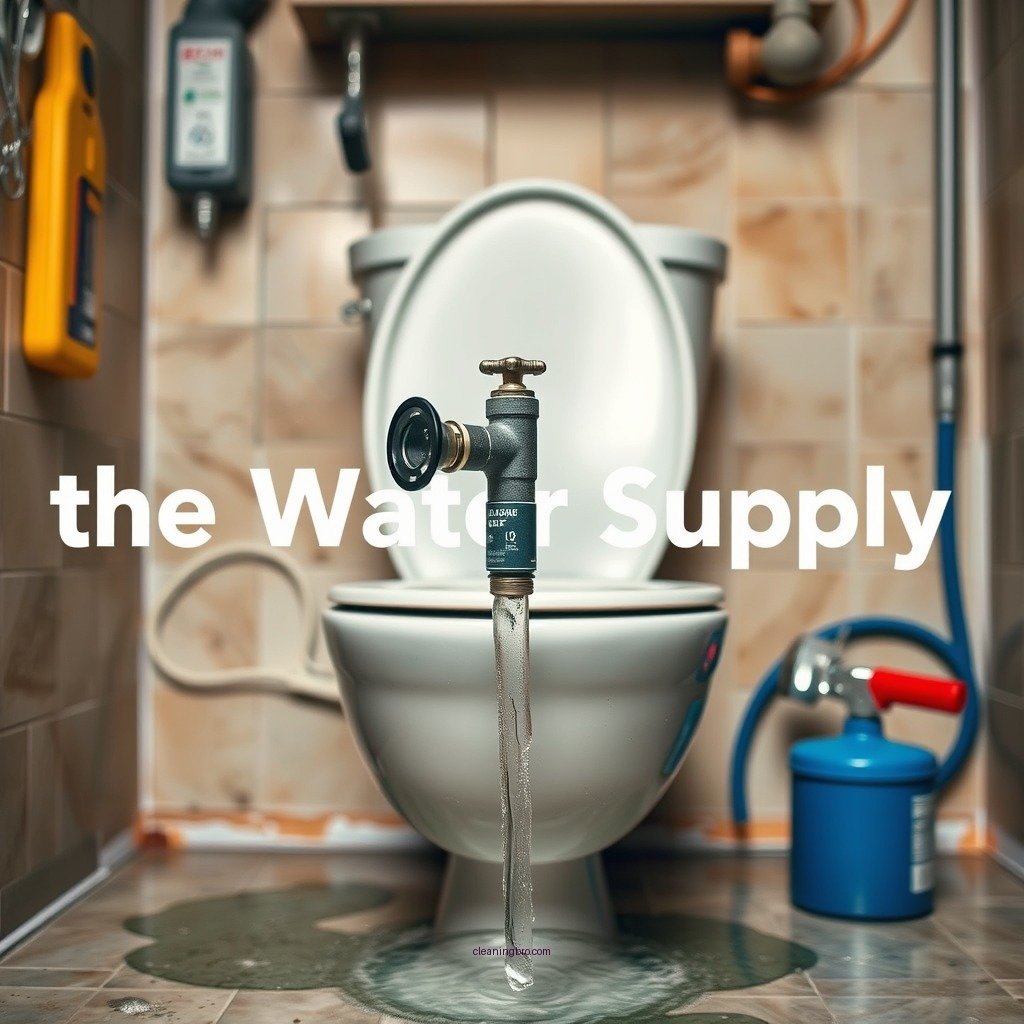
The next critical step is to shut off the water supply to the toilet. Locate the shut-off valve, usually found on the wall behind the toilet, and turn it clockwise to stop the flow of water. This action will prevent further flooding and allow you to clean up without the risk of additional water entering the space.
In cases where the shut-off valve is stuck or not functioning properly, it may be necessary to turn off the main water supply to your home. This will stop all water flow, but it can be inconvenient if you need water for other household activities. Always consider the state of your plumbing and the accessibility of the shut-off valve to determine the best course of action.
Remove Excess Water
Once the water supply is turned off, you can begin to remove the excess water. Use absorbent towels, a mop, or a wet/dry vacuum to soak up standing water. It’s essential to work quickly to minimize damage and reduce the risk of mold formation.
When using towels, wring them out in a safe area—preferably outside or in a sink—to avoid spreading the water further. If you opt for a mop, ensure it is adequately sanitized, as it may come into contact with contaminated water. For larger spills, a wet/dry vacuum can be the most effective tool, allowing for rapid removal of water without excessive manual effort.
Clean and Disinfect the Area
After removing excess water, the next step is to clean and disinfect the affected area thoroughly. Use a mixture of water and bleach (1 cup of bleach to 1 gallon of water) or a disinfectant cleaner to wipe down all surfaces that may have come into contact with the overflow water, including the floor, toilet, and any nearby furniture or fixtures.
Pay special attention to the flooring, as it is often the most affected area. If your flooring is porous or absorbent, such as carpet or untreated wood, you may need to take additional steps to ensure thorough drying and sanitation to prevent mold growth. It is advisable to use proper protective gear, such as gloves and masks, while cleaning to avoid exposure to harmful bacteria and mold spores.
Check for Damage
Once the area is cleaned and disinfected, inspect the flooring and surrounding areas for any signs of water damage or mold. Look for discoloration, warping, or soft spots on floors, walls, and ceilings. If you notice any of these signs, it may indicate that water has penetrated deeper than the surface and could lead to mold growth or structural issues.
In cases of severe damage, or if mold is present, it is prudent to call a professional. Mold can pose serious health risks, and a professional can assess the extent of the damage and recommend appropriate remediation strategies. It’s better to err on the side of caution when it comes to your health and safety.
Prevent Future Overflows
To prevent future toilet overflows, regular maintenance of toilet components is essential. Periodically check the flapper valve, fill valve, and other mechanisms inside the tank for signs of wear and tear. If any components appear worn or malfunctioning, replace them promptly to avoid unexpected issues.
Educating household members about what can and cannot be flushed down the toilet is equally important. Common non-flushable items include paper towels, feminine hygiene products, and excessive toilet paper. Providing a waste bin nearby can encourage proper disposal and reduce the risk of clogs and overflow situations.
Know When to Call a Professional
In some situations, calling a professional plumber is the best course of action. If the overflow is caused by a plumbing issue that you cannot resolve on your own, such as a significant blockage or malfunctioning plumbing system, it’s crucial to seek help. A professional plumber has the expertise and tools necessary to diagnose and fix the problem efficiently.
Additionally, if you notice persistent odors, signs of mold growth, or extensive damage after cleaning, it’s best to consult with a mold remediation specialist. Ignoring these issues can lead to larger problems down the road, including health risks and costly repairs.
Common Causes of Toilet Overflows and Their Impacts
| # | Cause | Impact on Home | Frequency |
|---|---|---|---|
| 1 | Clogged Drain | Can cause severe flooding | Common |
| 2 | Faulty Float Mechanism | May lead to continuous running | Moderate |
| 3 | Blocked Vent Stack | Can cause drainage issues | Rare |
| 4 | Broken Flapper Valve | Leads to tank overflow | Moderate |
| 5 | Excessive Toilet Paper | Common cause of clogs | Very Common |
| 6 | Foreign Objects | Can cause blockages | Common |
| 7 | Improper Installation | Can lead to leaks | Rare |
Toilet Repair Solutions: DIY vs Plumber vs Emergency Services
| Feature | ⭐ DIY | Plumber | Emergency Services |
|---|---|---|---|
| Cost | Low | Moderate | High |
| Time Required | Variable | Fixed | Immediate |
| Skill Level Required | Basic | Expert | Expert |
| Tools Needed | Basic | Professional | Professional |
| Guarantee | None | Limited | Full |
| Emergency Response | No | No | Yes |
| Follow-up Service | No | Yes | Yes |
| Complexity of Repairs | Low | Medium | High |
| Availability | Limited | Regular hours | 24/7 |
| 🏆 Best For | Cost-conscious homeowners | General maintenance | Urgent repairs |
Summarizing the steps to clean up after a toilet overflow, it’s crucial to act quickly and efficiently. Always start by shutting off the water supply and removing excess water, followed by thorough cleaning and inspection for damage. For ongoing peace of mind, implement preventive measures and know when to call in the experts. Staying proactive will help maintain a safe and clean bathroom environment, ultimately protecting your home from potential water damage and health risks.
Frequently Asked Questions
What should I do immediately after a toilet overflows?
Immediately turn off the water supply to the toilet by twisting the shut-off valve, usually located behind the toilet. Then, use a towel or mop to soak up any visible water to prevent it from spreading and causing further damage.
How can I effectively clean up the mess after a toilet overflow?
Start by wearing rubber gloves to protect yourself from bacteria. Use a wet/dry vacuum to remove water if available, followed by disinfecting the area with a suitable cleaner. Ensure you clean and sanitize any surfaces that may have come into contact with contaminated water.
Why did my toilet overflow, and how can I prevent it in the future?
A toilet typically overflows due to a clog in the drain or a malfunctioning float valve. To prevent future incidents, regularly inspect and maintain your plumbing, avoid flushing non-degradable items, and consider using a toilet auger to clear occasional blockages.
What are the best tools to have on hand for handling a toilet overflow?
Essential tools include a plunger for clearing clogs, a wet/dry vacuum for water removal, rubber gloves for hygiene, and absorbent towels or mops for cleanup. Having a disinfectant cleaner and a bucket nearby can also help manage any residual mess.
Which professional services should I contact if my toilet overflow causes significant damage?
If the overflow has led to extensive water damage, it’s best to contact a water damage restoration service or a plumber. They can assess the situation, repair any plumbing issues, and ensure that mold does not develop due to prolonged moisture exposure.
References
- https://www.cdc.gov/healthywater/emergency/cleaning_toilets.html
https://www.cdc.gov/healthywater/emergency/cleaning_toilets.html - https://www.mayoclinic.org/healthy-lifestyle/home-and-garden/in-depth/toilet-overflow/art-20047008
https://www.mayoclinic.org/healthy-lifestyle/home-and-garden/in-depth/toilet-overflow/art-20047008 - https://www.sciencedirect.com/topics/earth-and-planetary-sciences/toilet-overflow
https://www.sciencedirect.com/topics/earth-and-planetary-sciences/toilet-overflow - https://www.bbc.com/news/magazine-20960362
https://www.bbc.com/news/magazine-20960362 - https://www.nytimes.com/2020/02/06/realestate/how-to-deal-with-a-toilet-overflow.html
https://www.nytimes.com/2020/02/06/realestate/how-to-deal-with-a-toilet-overflow.html - https://www.reuters.com/article/us-health-toilet-idUSKBN1Z32O1
https://www.reuters.com/article/us-health-toilet-idUSKBN1Z32O1 - Google Scholar Google Scholar
https://scholar.google.com/scholar?q=how+to+clean+after+toilet+overflows - Google Scholar Google Scholar
https://scholar.google.com/scholar?q=toilet+overflow+cleanup+techniques - Google Scholar Google Scholar
https://scholar.google.com/scholar?q=water+damage+after+toilet+overflow - Google Scholar Google Scholar
https://scholar.google.com/scholar?q=how+to+clean+up+after+a+toilet+overflows