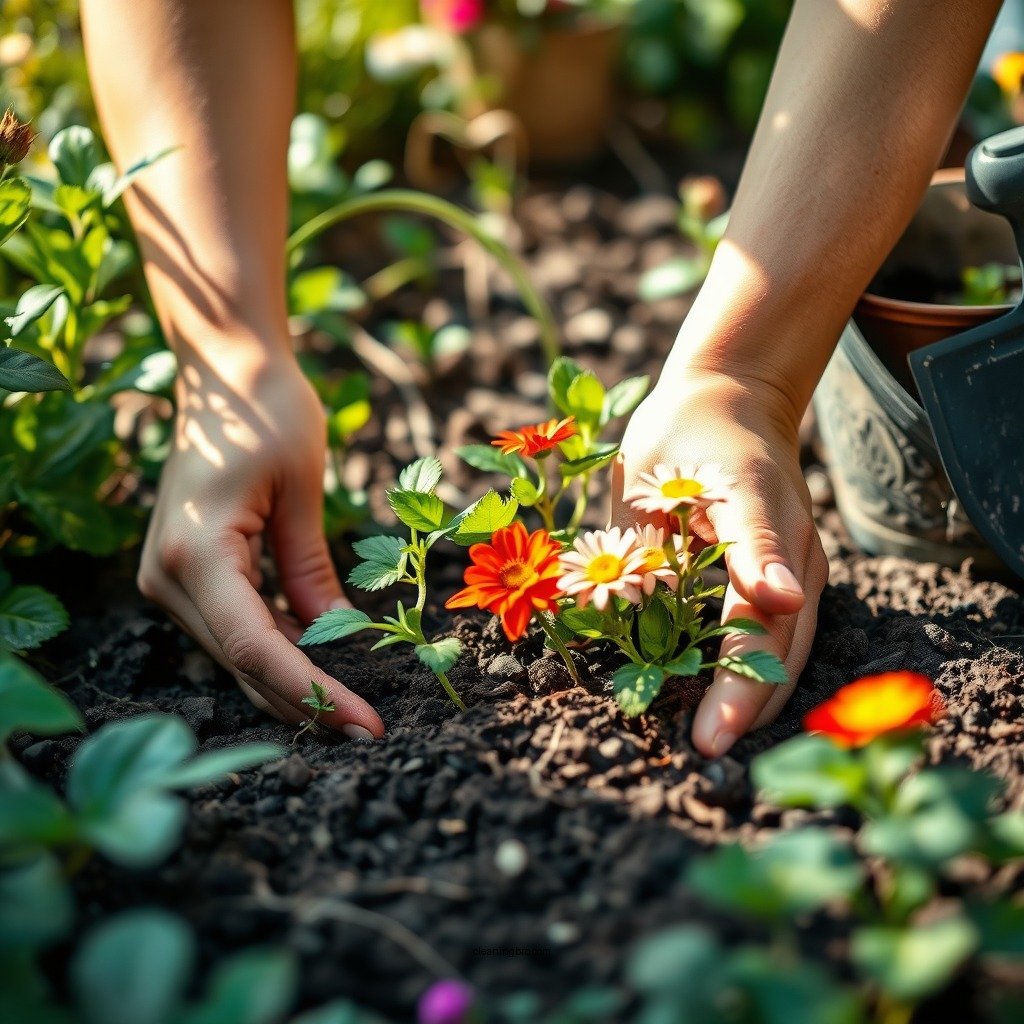
How to Clean Up an Overgrown Backyard: Effective Strategies
Assess the Overgrowth
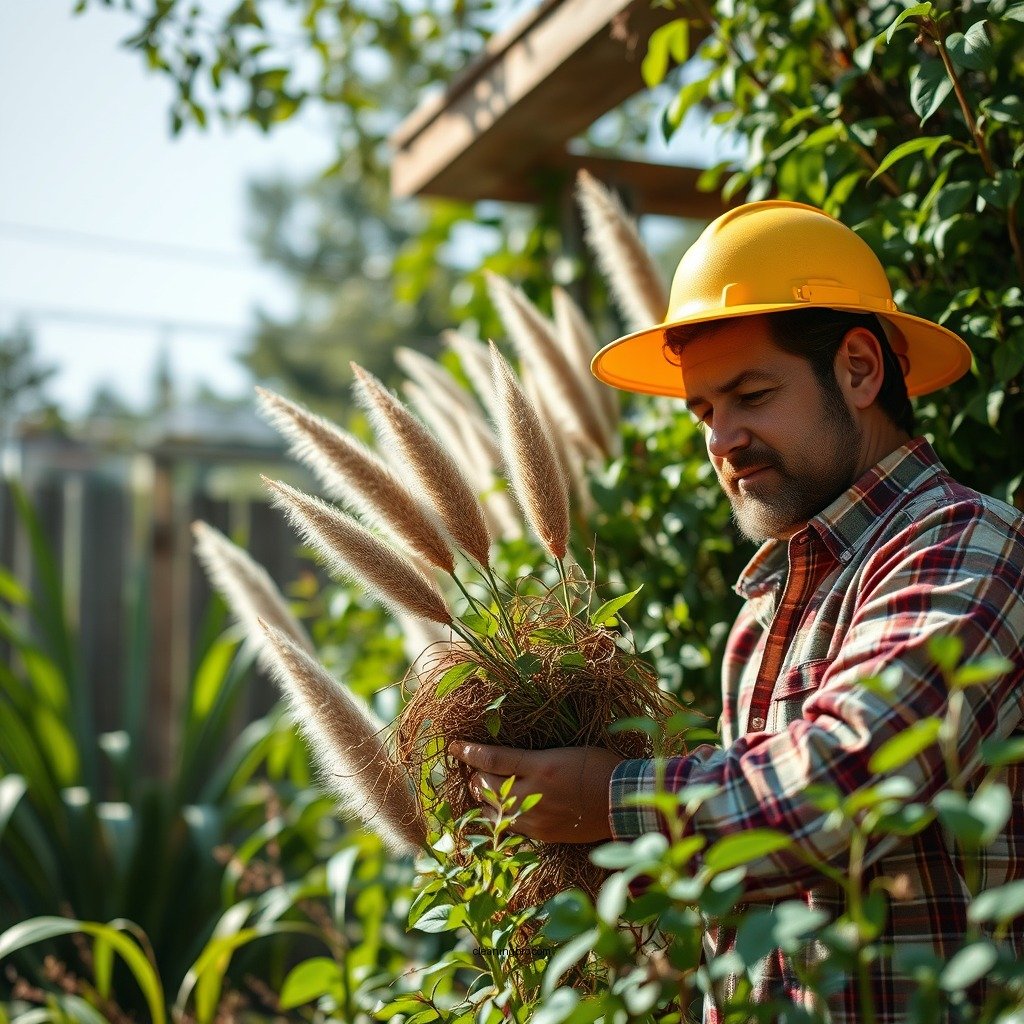
The first step in cleaning up your overgrown backyard is to assess the extent of the overgrowth. Begin by walking through the area and taking note of the various types of plants, weeds, and debris that have accumulated. Identifying the types of vegetation present is crucial. Some plants may be beneficial or even native species, while others could be invasive weeds that need immediate removal.
Next, determine the areas that require urgent attention. Look for spots where overgrowth has blocked paths, overshadowed other plants, or created an uninviting environment. By categorizing sections based on their condition—such as “high priority” or “low priority”—you can create a focused action plan that ensures no area is neglected.
Gather the Necessary Tools
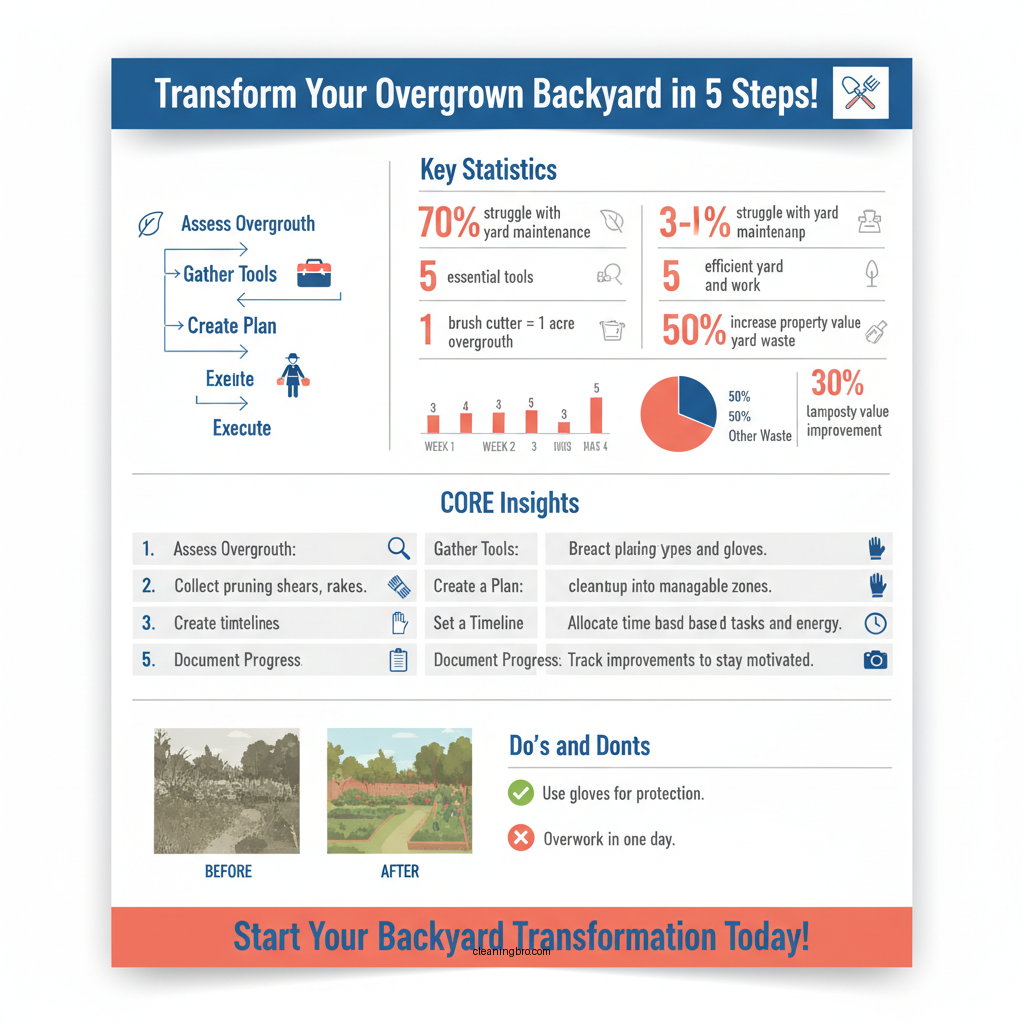
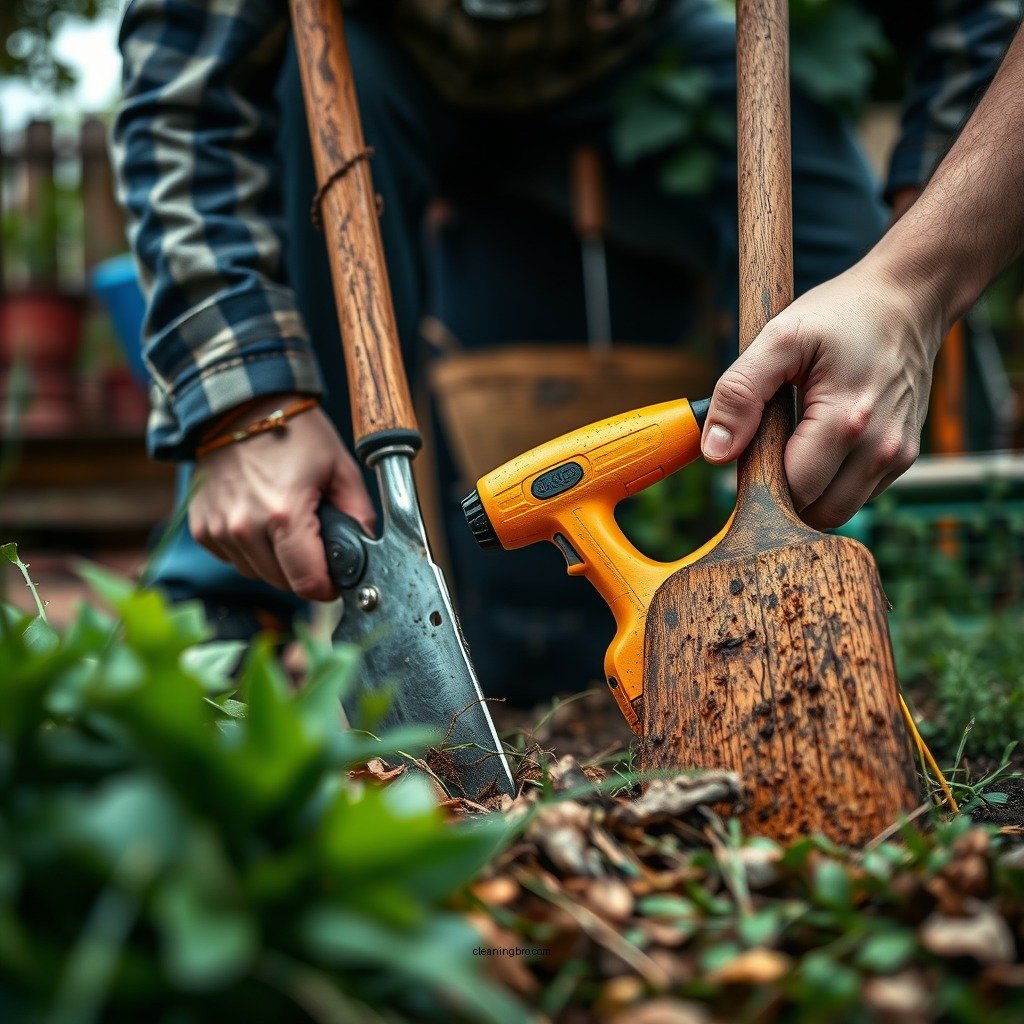
Once you have assessed the overgrowth, the next step is to gather the necessary tools for the cleanup. Essential tools include:
– Pruning Shears: Ideal for trimming back shrubs and cutting small branches.
– Rakes: Useful for gathering leaves, twigs, and other debris.
– Gloves: Protect your hands from thorns and irritants while working.
– Loppers: For cutting thicker branches that cannot be handled by pruning shears.
– Wheelbarrow or Trash Bags: To transport waste material off the property.
For extensive areas of overgrowth, consider renting larger equipment such as a brush cutter or tiller, which can save time and effort. Additionally, a chainsaw may be necessary for dealing with larger trees or heavy-duty tasks. Investing in quality tools will enhance efficiency and ensure a smoother cleanup process.
Create a Cleanup Plan
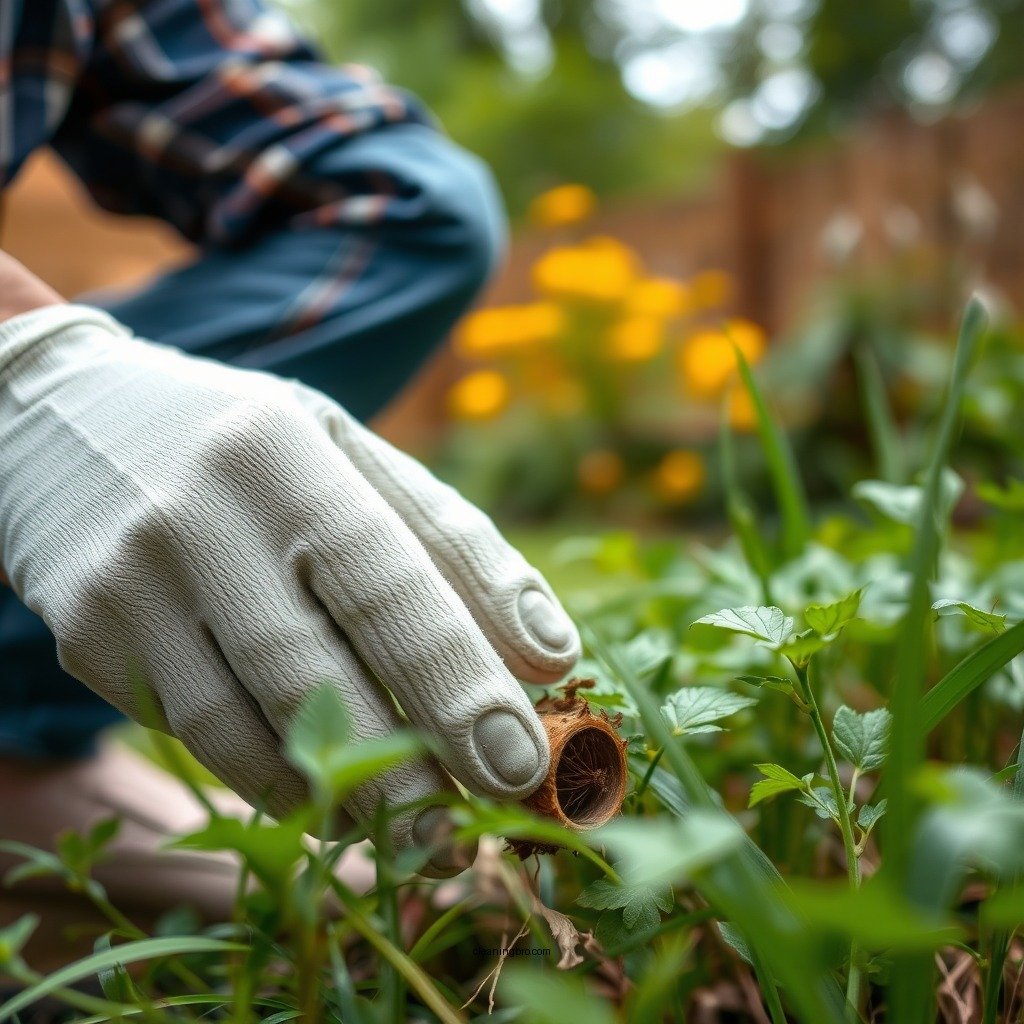
Creating a structured cleanup plan is vital for maintaining focus and motivation throughout the process. Break down the cleanup into manageable sections or zones, assigning specific tasks to each area. For instance, you might designate one day for clearing debris and another for trimming plants.
Set a realistic timeline for each section, factoring in your available time and energy levels. A good practice is to dedicate a few hours each weekend until the cleanup is complete. Documenting your progress can be encouraging and provide a sense of accomplishment.
Common Garden Tools and Their Uses
| # | Tool | Use | Benefits |
|---|---|---|---|
| 1 | Pruning Shears | Trimming small branches | Precise cuts and easy handling |
| 2 | Loppers | Cutting thicker branches | Leverage for thicker cuts |
| 3 | Rake | Gathering leaves and debris | Efficient cleanup |
| 4 | Gloves | Hand protection | Safety from thorns and cuts |
| 5 | Wheelbarrow | Transporting debris | Reduces physical strain |
| 6 | Chainsaw | Felling large trees | Requires caution |
| 7 | Tiller | Preparing soil | Improves soil texture |
Start with Larger Debris
Before diving into plant maintenance, it’s essential to clear away larger debris that can hinder your efforts. Begin by removing fallen branches, rocks, and any other sizeable items cluttering your backyard. This step not only makes the area more manageable but also ensures safety while you work.
When tackling debris, always prioritize safety. Wear protective gear such as gloves, sturdy shoes, and, if necessary, eye protection to guard against flying objects or sharp edges. After clearing the larger items, you can proceed to address the smaller debris, such as twigs and leaves, which can be easily gathered with a rake.
Trim and Prune Overgrown Plants
With the larger debris removed, focus on trimming and pruning overgrown plants. This step is crucial for revitalizing your garden. Start by cutting back shrubs and trees that have grown excessively. This encourages new growth and can significantly improve the aesthetics of your backyard.
Pay special attention to dead or diseased branches, as these can be detrimental to the health of your plants. Removing these branches not only promotes healthier growth but also reduces the risk of pest infestations. Additionally, consider reshaping plants to enhance their form, ensuring they fit harmoniously within your landscape.
Remove Weeds and Unwanted Plants
Weeds can quickly take over an unkempt yard if left unchecked. Use a weeding tool to remove weeds at their roots, preventing them from regrowing. This task can be labor-intensive, but it is vital for the overall health of your garden.
After clearing the weeds, consider applying mulch or landscape fabric in areas prone to weed growth. Mulch suppresses weed development, conserves moisture, and provides insulation to the soil. Landscape fabric can effectively block sunlight, further discouraging weed growth.
Weed Control Methods: Manual, Chemical, and Organic
| Method | ⭐ Manual Removal | Chemical Herbicides | Organic Solutions |
|---|---|---|---|
| Effectiveness | High | Very High | Moderate |
| Safety | Safe | Moderate | Safe |
| Cost | Low | Moderate to High | Low |
| Environmental Impact | Minimal | High | Minimal |
| Time Required | Moderate | Low | Moderate |
| Skill Level | Basic | Intermediate | Basic |
| Post-Application Care | None | Follow-up | None |
| Accessibility | Easily available | Requires purchase | Easily available |
| Long-Term Effectiveness | High | Very High | Moderate |
| 🏆 Best For | Gardeners seeking control | Quick results | Eco-friendly enthusiasts |
Final Touches and Maintenance
After completing the major cleanup tasks, it’s time for the final touches. Rake the area thoroughly to collect remaining debris and dispose of it properly to leave your backyard tidy. This final step will also give you a sense of accomplishment, as the area transforms into a space that is visually appealing and functional.
To maintain your newly cleaned backyard, establish a regular maintenance schedule. This could include weekly tasks such as mowing the lawn, seasonal pruning, and periodic weeding. Regular care will prevent future overgrowth and preserve the beauty of your outdoor space. Moreover, consider planting ground cover plants or using mulch to help suppress weeds and retain moisture.
In summary, cleaning up an overgrown backyard involves a series of systematic steps that can yield rewarding results. By assessing the area, gathering appropriate tools, planning your cleanup, and executing these tasks, you can reclaim your outdoor space. With ongoing maintenance, your backyard can become an inviting and enjoyable part of your home for years to come.
Frequently Asked Questions
What are the best tools for cleaning up an overgrown backyard?
The best tools for cleaning up an overgrown backyard include a sturdy pair of garden shears for trimming bushes, a rake for gathering leaves and debris, and a lawn mower for cutting grass. Additionally, a weed whacker can help tackle tall grass and weeds in hard-to-reach areas, while gloves and safety goggles are essential for protection during clean-up.
How can I effectively remove large weeds from my backyard?
To effectively remove large weeds from your backyard, start by pulling them out by the roots to prevent regrowth. If the weeds are particularly stubborn, consider using a garden hoe or a weed puller for better leverage. Additionally, applying a natural herbicide or boiling water can help eliminate weeds without harming your surrounding plants.
Why is it important to clean up an overgrown backyard?
Cleaning up an overgrown backyard is important for several reasons, including improving the overall appearance of your property, enhancing safety by reducing hazards like tripping over overgrown plants, and promoting healthy growth for your desired plants. Moreover, a tidy backyard can increase your home’s curb appeal and potentially raise its market value.
What steps should I follow to clean up an overgrown backyard?
To clean up an overgrown backyard, start by clearing away any debris such as fallen branches and leaves. Next, trim back overgrown shrubs and grass using appropriate tools. After that, remove any unwanted plants or weeds, and finally, consider replanting or mulching to encourage healthy growth and prevent future overgrowth.
Which plants should I consider removing from my overgrown backyard?
You should consider removing invasive plants, such as certain types of grasses, vines, or shrubs that can choke out native species. Additionally, any dead or diseased plants should be removed to prevent the spread of pests and diseases. Identifying and eliminating these plants will help create a healthier environment for your desired garden.
References
- https://www.extension.purdue.edu/extmedia/HO/HO-30-W.pdf
https://www.extension.purdue.edu/extmedia/HO/HO-30-W.pdf - https://www.extension.umn.edu/garden/yard-garden/landscaping/cleaning-up-an-overgrown-garden/
https://www.extension.umn.edu/garden/yard-garden/landscaping/cleaning-up-an-overgrown-garden/ - Google Scholar Google Scholar
https://scholar.google.com/scholar?q=how+to+clean+up+overgrown+backyard - Google Scholar Google Scholar
https://scholar.google.com/scholar?q=backyard+cleanup+tips - Google Scholar Google Scholar
https://scholar.google.com/scholar?q=landscape+maintenance+overgrown+gardens - Home & Garden Information Center | Clemson Cooperative Extension
https://www.clemson.edu/extension/hgic/plants/landscape/maintenance/cleaning-up-the-garden.html - https://www.fs.usda.gov/engagement/gardening-tips-overgrown-areas
https://www.fs.usda.gov/engagement/gardening-tips-overgrown-areas - how to clean up overgrown backyard – Search results
https://en.wikipedia.org/wiki/Special:Search?search=how+to+clean+up+overgrown+backyard - https://www.ncbi.nlm.nih.gov/search/research-articles/?term=how+to+clean+up+overgrown+backyard
https://www.ncbi.nlm.nih.gov/search/research-articles/?term=how+to+clean+up+overgrown+backyard