How to Clean Up Antifreeze: A Step-by-Step Guide
Cleaning up antifreeze requires prompt action and the right materials to ensure safety and environmental protection. With its toxic components, antifreeze spills can pose serious hazards if not handled properly. This guide will teach you effective methods to clean up antifreeze spills safely and responsibly, ensuring that you minimize hazards to yourself and the environment.
Understanding Antifreeze
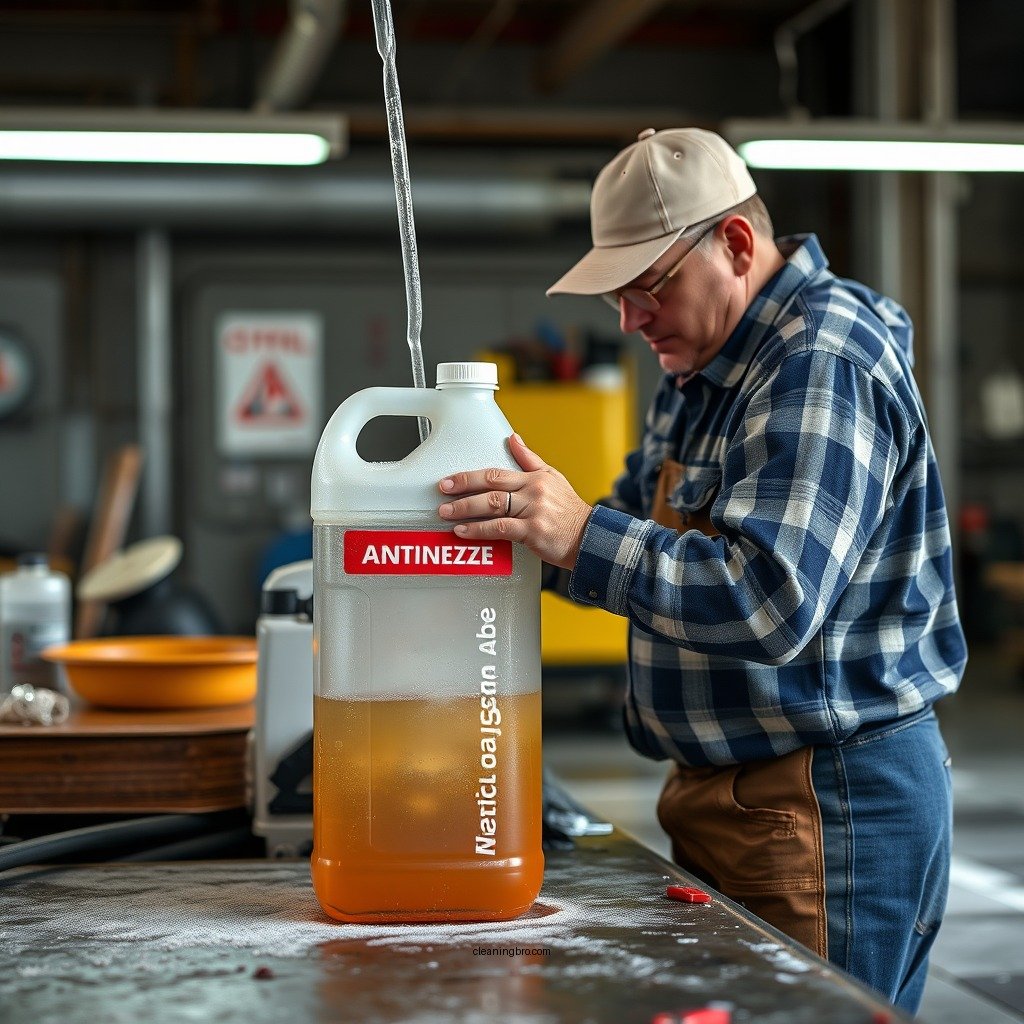
Antifreeze is a crucial component in automotive and industrial applications, primarily used to lower the freezing point of water in cooling systems. It is typically made from two types of glycol: ethylene glycol and propylene glycol. Ethylene glycol is more common and highly toxic, posing serious health risks if ingested or improperly handled. Propylene glycol, while less toxic, can still be hazardous in significant quantities.
Recognizing the signs of antifreeze is essential for effective cleanup. Antifreeze often has a sweet smell and is commonly found in bright green, orange, or pink colors. Identifying these characteristics quickly can help you respond to spills more effectively, reducing risks to health and the environment.
Safety Precautions
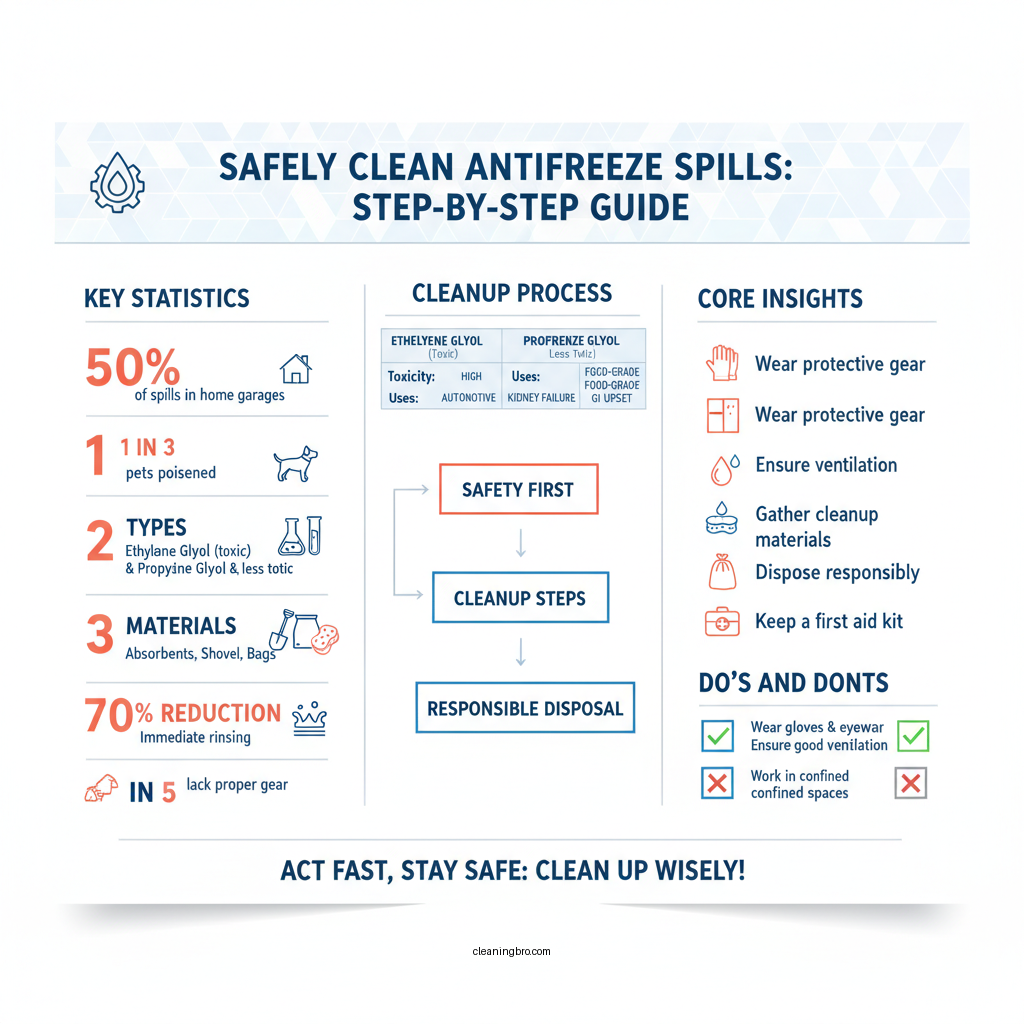
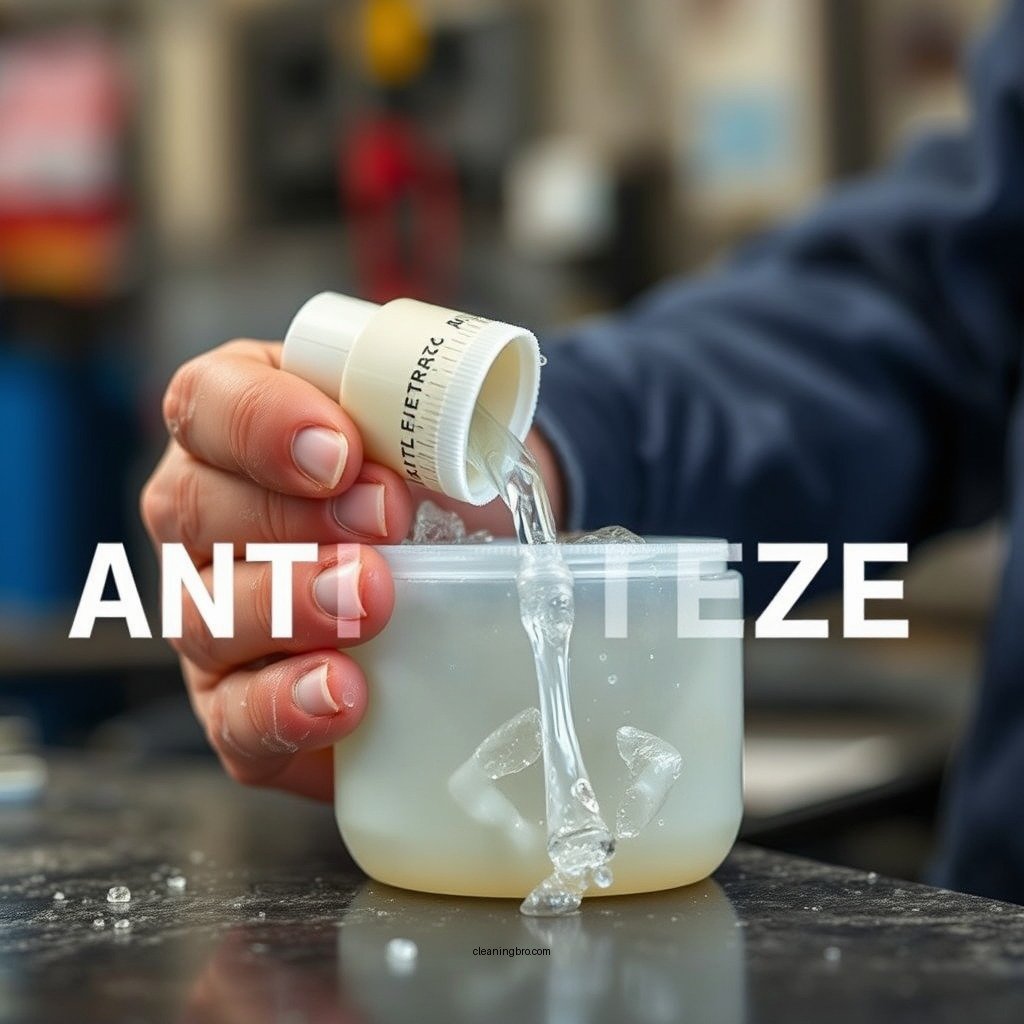
Before beginning any cleanup, it’s vital to prioritize safety. Always wear gloves and protective eyewear when handling antifreeze to prevent skin contact and eye irritation. Additionally, ensure that the area is well-ventilated to avoid inhaling potentially harmful fumes. If the spill is large or in a confined space, consider using a respirator for added protection.
In case of contact with skin or eyes, rinse immediately with plenty of water and seek medical attention if necessary. Keeping a first aid kit nearby when working with hazardous materials is always a wise precaution.
Materials Needed for Cleanup
To effectively clean antifreeze spills, gather the following materials:
– Absorbent materials: Common options include cat litter, sand, or commercial absorbent pads designed to soak up liquids.
– Shovel or dustpan: These tools will help you safely collect and dispose of the absorbed antifreeze.
– Trash bags: Use durable bags to contain the waste materials for proper disposal.
– Water: A hose or bucket of water can be useful for rinsing surfaces after the initial cleanup.
Having these materials ready before starting the cleanup process will make the task more manageable and efficient.
Common Antifreeze Types and Their Properties
| # | Type | Toxicity Level | Color | Common Uses |
|---|---|---|---|---|
| 1 | Ethylene Glycol | High | Green or Yellow | Vehicle Coolants |
| 2 | Propylene Glycol | Low | Pink or Blue | Food Processing |
| 3 | Glycerol | Very Low | Colorless | Cosmetics, Food |
| 4 | Methanol | High | Colorless | Antifreeze, Solvents |
| 5 | Calcium Chloride | Low | White | Deicing Agents |
| 6 | Boric Acid | Low | Colorless | Antifreeze Additive |
| 7 | Sodium Acetate | Low | Colorless | Heating Pads |
Step-by-Step Cleanup Process
Following a systematic approach to cleaning up antifreeze spills will ensure that the task is completed safely and effectively. Here’s a step-by-step guide:
1. Contain the Spill: As soon as you notice a spill, use absorbent materials such as cat litter or sand to contain it. This will help prevent it from spreading and contaminating a larger area.
2. Allow Absorption: Let the absorbent material sit for a few minutes to soak up as much antifreeze as possible. The longer it sits, the more effective it will be in absorbing the liquid.
3. Remove the Absorbent: After allowing enough time for absorption, use a shovel or dustpan to carefully collect the used absorbent material. Ensure you do not create dust during this process, which can be harmful if inhaled.
4. Clean the Area: After removing the absorbent, clean the affected area with water to rinse away any residual antifreeze. If necessary, use a mild soap to ensure the area is thoroughly cleaned.
5. Repeat if Necessary: If you notice any remaining traces of antifreeze, repeat the absorption and cleaning process until the area is completely clean.
6. Dispose of Waste: Place the used absorbent materials and any contaminated items in a sealed trash bag. Follow local regulations for hazardous waste disposal to ensure safe handling.
Proper Disposal Methods
Proper disposal of antifreeze and absorbed materials is crucial to prevent environmental contamination. Here are some guidelines:
– Check Local Regulations: Different regions have specific regulations regarding the disposal of hazardous materials. Make sure to familiarize yourself with these regulations to ensure compliance.
– Hazardous Waste Facilities: Many areas provide collection sites for hazardous waste. These facilities are equipped to handle antifreeze and other hazardous substances safely.
– Never Pour Down the Drain: Never dispose of antifreeze by pouring it down the drain, toilet, or on the ground, as it can contaminate water supplies and harm wildlife.
– Recycling Options: Some facilities may offer recycling programs for antifreeze. Check with local auto shops or environmental agencies for available options in your area.
Preventing Future Spills
Preventing antifreeze spills is essential for maintaining safety and protecting the environment. Here are some proactive measures:
– Regular Inspections: Conduct routine checks of your vehicle’s cooling system. Look for leaks, cracks, or deterioration in hoses and seals that may lead to spills.
– Secure Storage: Store antifreeze in secure, clearly labeled containers. Ensure these containers are kept out of reach of pets and children to prevent accidental ingestion.
– Use a Funnel: When adding antifreeze to your vehicle, use a funnel to minimize the chances of spills during the pouring process.
– Educate Others: If you share your workspace or garage, educate others about the importance of handling antifreeze safely and the procedures for reporting spills.
Additional Tips
– Act Quickly: Always clean up spills immediately to reduce environmental contamination and safety risks. The longer antifreeze sits, the more difficult it can be to clean up.
– Biodegradable Alternatives: Consider using biodegradable antifreeze alternatives. These options can reduce the environmental impact in case of spills and are often less toxic.
– Safety First: Always keep a safety kit on hand, including gloves, goggles, and a first aid kit, when working with antifreeze or other hazardous materials.
Cleaning up antifreeze is crucial for both safety and environmental health. By following the steps outlined in this guide, you can effectively manage spills and prevent future incidents. Always prioritize safety and proper disposal methods, and consider taking measures to prevent leaks in the first place. With vigilance and proper care, you can handle antifreeze safely and responsibly.
Frequently Asked Questions
What are the best methods for cleaning up spilled antifreeze?
The best methods for cleaning up spilled antifreeze involve using absorbent materials like cat litter or sawdust to soak up the liquid. After allowing it to absorb, sweep up the materials and dispose of them according to local hazardous waste regulations. You can also use a mixture of dish soap and warm water to clean the surface afterward, ensuring all residues are removed.
How do I safely dispose of used antifreeze?
To safely dispose of used antifreeze, contact your local waste management facility to find out about hazardous waste collection programs in your area. Many auto shops and recycling centers also accept used antifreeze. Never pour it down the drain or on the ground, as it can contaminate water sources and harm wildlife.
Why is it important to clean up antifreeze spills promptly?
It is crucial to clean up antifreeze spills promptly because antifreeze contains ethylene glycol, which is toxic to pets and wildlife. Additionally, leaving antifreeze on surfaces can lead to slippery conditions, posing a safety hazard. Quick cleanup minimizes environmental contamination and ensures the safety of animals and people in the vicinity.
Which products are effective for neutralizing antifreeze on driveways?
Effective products for neutralizing antifreeze on driveways include commercial degreasers or enzyme-based cleaners designed to break down glycol compounds. Additionally, a mixture of baking soda and water can help absorb the spill and neutralize odors. Always follow the manufacturer’s instructions for the best results and ensure proper rinsing afterward.
How can I prevent antifreeze spills in the future?
To prevent antifreeze spills in the future, regularly check your vehicle for leaks and maintain proper coolant levels. Use sealable containers for antifreeze storage and handle the liquid carefully during vehicle maintenance. Additionally, consider using drip trays or absorbent mats under your vehicle to catch any potential leaks before they become a problem.
References
- https://www.epa.gov/sites/default/files/2015-09/documents/antifreeze.pdf
https://www.epa.gov/sites/default/files/2015-09/documents/antifreeze.pdf - https://www.cdc.gov/niosh/docs/2007-123/pdfs/2007-123.pdf
https://www.cdc.gov/niosh/docs/2007-123/pdfs/2007-123.pdf - https://www.ncbi.nlm.nih.gov/pmc/articles/PMC5113583/
https://www.ncbi.nlm.nih.gov/pmc/articles/PMC5113583/ - https://www.who.int/news-room/fact-sheets/detail/ethylene-glycol
https://www.who.int/news-room/fact-sheets/detail/ethylene-glycol - https://www.niehs.nih.gov/health/topics/agents/antifreeze/index.cfm
https://www.niehs.nih.gov/health/topics/agents/antifreeze/index.cfm - https://www.sciencedirect.com/topics/engineering/ethylene-glycol
https://www.sciencedirect.com/topics/engineering/ethylene-glycol - Ethylene glycol | Properties, Uses, & Structure | Britannica
https://www.britannica.com/science/ethylene-glycol - https://www.epa.gov/waste/how-recycle-antifreeze
https://www.epa.gov/waste/how-recycle-antifreeze - Google Scholar Google Scholar
https://scholar.google.com/scholar?q=how+to+clean+up+antifreeze - Google Scholar Google Scholar
https://scholar.google.com/scholar?q=antifreeze+cleanup+methods