
How to Clean Up My Mouth: Effective Techniques
Keeping your mouth clean is essential for overall health and fresh breath. To effectively clean your mouth, focus on daily oral hygiene practices that include brushing, flossing, and rinsing. This article will guide you through the key steps and techniques for maintaining a clean and healthy mouth. By implementing these methods, you can significantly improve your oral hygiene and contribute to your overall well-being.
Daily Brushing Techniques

Brushing your teeth effectively is the cornerstone of oral hygiene. It is recommended to brush twice a day for at least two minutes each time. This duration ensures that all surfaces of your teeth receive adequate attention. Use a soft-bristled toothbrush to prevent damage to your gums and enamel. A systematic approach involves starting with the outer surfaces, then moving to the inner surfaces, and finishing with the chewing surfaces of your teeth.
Fluoride toothpaste is crucial as it helps strengthen tooth enamel and prevents decay. It is advisable to apply a pea-sized amount of toothpaste to the brush, ensuring even coverage and minimizing waste. For those who struggle with technique, electric toothbrushes can be an effective alternative, as they often come with built-in timers and pressure sensors to encourage proper brushing habits.
Additionally, consider replacing your toothbrush every three to four months or sooner if the bristles are frayed. Keeping your toothbrush clean is equally important; rinse it thoroughly after each use and store it upright to allow it to dry.
Importance of Flossing
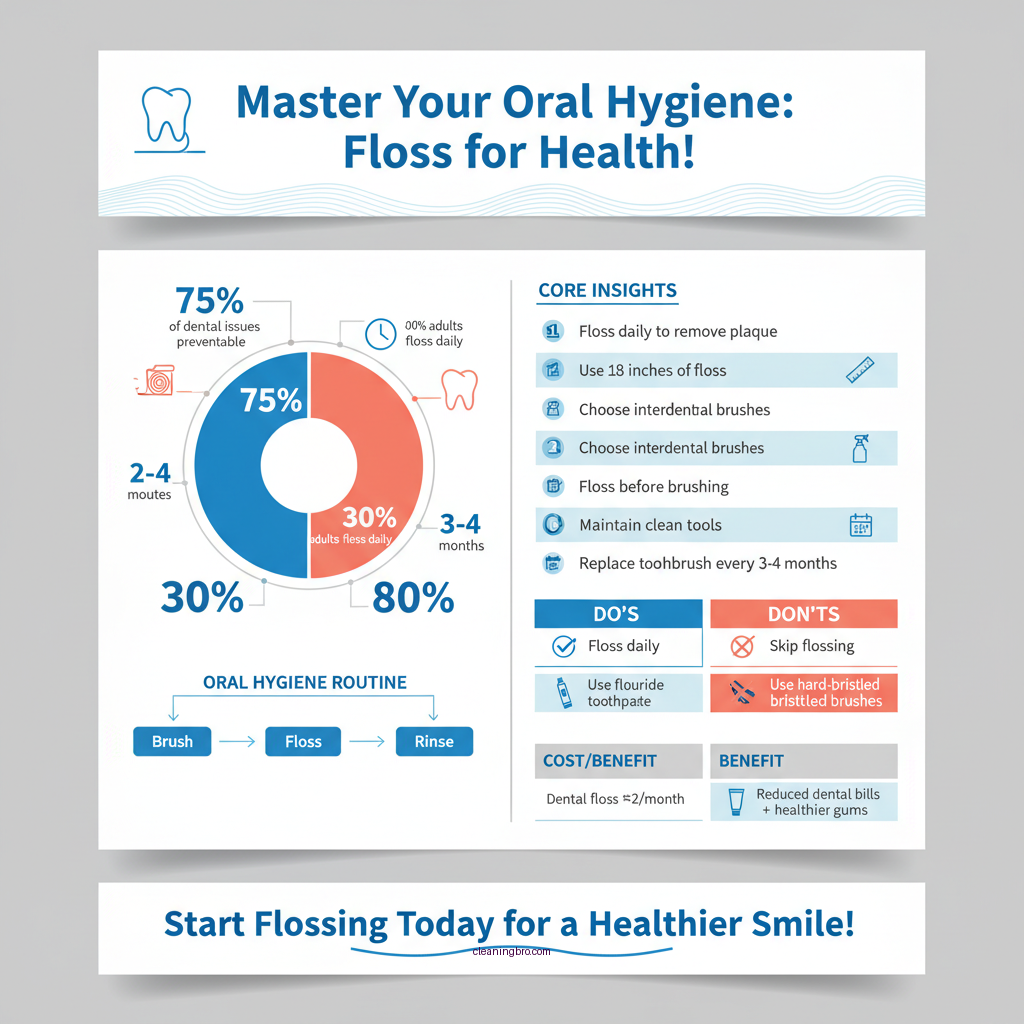
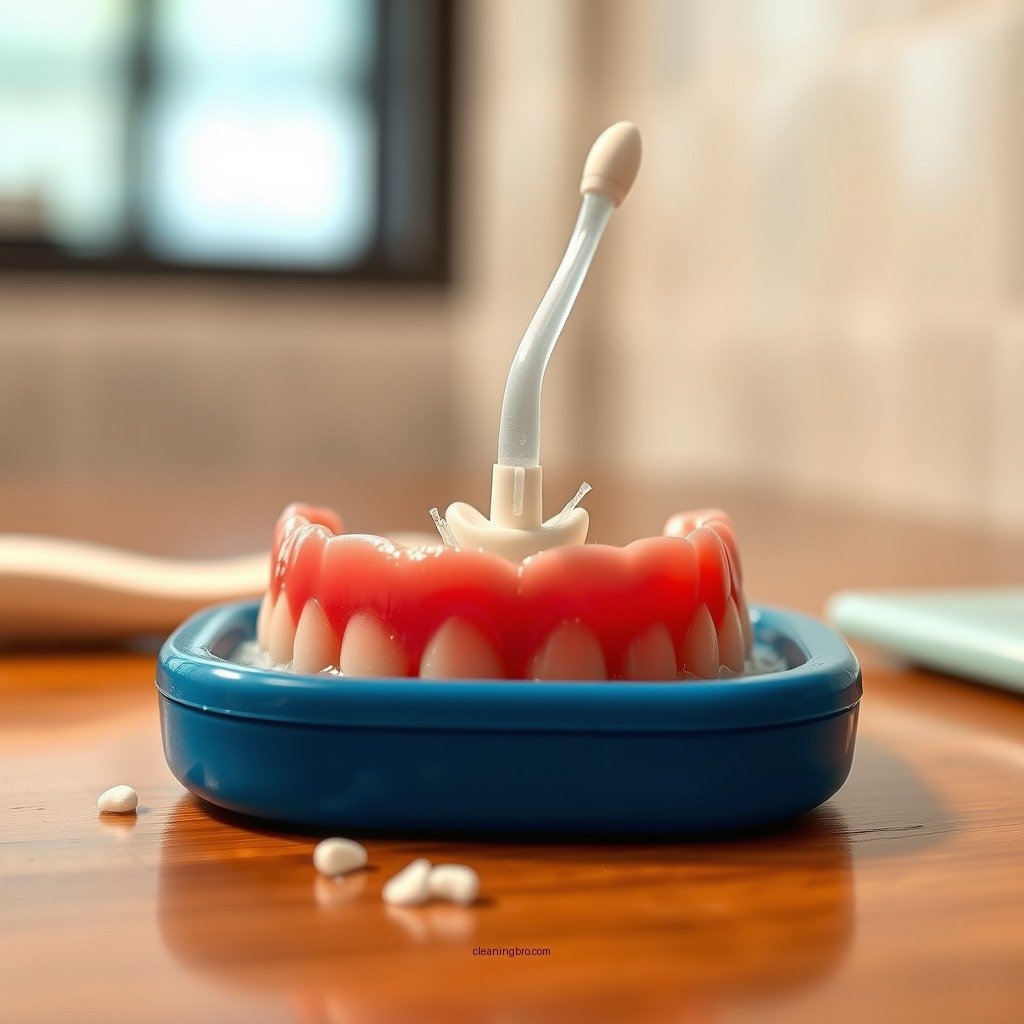
Flossing is a vital practice that complements brushing by removing food particles and plaque from between your teeth where a toothbrush cannot reach. It is essential to floss daily, as neglecting this step can lead to gum disease and cavities. The American Dental Association recommends using about 18 inches of dental floss, wrapping it around your middle fingers, and using a gentle sawing motion to slide it between your teeth.
For those who find traditional floss challenging, interdental brushes or floss picks can offer a more convenient alternative. These tools can be particularly useful for individuals with braces or dental work, as they make it easier to navigate around appliances and tight spaces.
Incorporating flossing into your routine can have significant long-term benefits, including reducing the risk of periodontal disease and promoting fresher breath. Aim to floss before brushing to maximize the effectiveness of your oral care routine.
Choosing the Right Mouthwash

Mouthwash can be a beneficial addition to your oral hygiene regimen. Selecting an antibacterial mouthwash can help reduce plaque buildup and combat gingivitis. Look for mouthwashes that contain active ingredients like chlorhexidine or cetylpyridinium chloride, which are proven to be effective against oral bacteria.
When choosing a mouthwash, consider alcohol-free options if you experience dryness or irritation in your mouth. Alcohol-based mouthwashes can be harsh on sensitive tissues and may lead to discomfort. A good mouthwash should not only freshen breath but also provide additional protection against cavities and gum disease.
For a more natural approach, consider rinsing with a solution of warm water and salt or using essential oils like tea tree or peppermint oil mixed with water. These alternatives can help maintain oral health while avoiding synthetic ingredients.
Dietary Choices for Oral Health
Your diet plays a crucial role in maintaining oral hygiene. Limiting sugary snacks and beverages is essential, as sugars can lead to cavities by feeding harmful bacteria in your mouth. Instead, focus on incorporating crunchy fruits and vegetables, like apples and carrots, which help clean teeth naturally and stimulate saliva production.
Dairy products, such as yogurt and cheese, are beneficial for oral health due to their calcium and phosphorus content, which helps strengthen tooth enamel. Additionally, staying hydrated by drinking water throughout the day can assist in washing away food particles and bacteria, further contributing to a clean mouth.
Be mindful of acidic foods and drinks, like citrus fruits and sodas, as they can erode enamel over time. If you consume these items, consider rinsing your mouth with water afterward to neutralize the acidity.
Regular Dental Check-Ups
Scheduling regular dental check-ups is a crucial aspect of maintaining optimal oral health. It is recommended to visit your dentist every six months for professional cleaning and examination. During these visits, your dentist can identify potential issues before they become serious, such as cavities, gum disease, and oral cancer.
Discuss any concerns you may have about your oral health with your dentist. They can provide personalized advice and may recommend additional treatments, such as fluoride applications or sealants, to protect your teeth.
Moreover, incorporating professional cleanings into your routine can remove stubborn plaque and tartar buildup that regular brushing and flossing may miss. This proactive approach significantly enhances your chances of maintaining a healthy mouth.
Additional Tips for Fresh Breath
Maintaining fresh breath involves more than just brushing your teeth. Staying hydrated throughout the day is essential, as dry mouth can lead to bad breath. Aim to drink plenty of water, particularly after meals, to help wash away food particles and bacteria.
Chewing sugar-free gum or mints can also stimulate saliva production, which is a natural defense against bad breath. Look for products that contain xylitol, as this ingredient can help inhibit the growth of bacteria that cause cavities and bad odors.
Additionally, consider incorporating tongue scraping into your oral hygiene routine. A tongue scraper can effectively remove bacteria and debris from the surface of your tongue, which is a common source of bad breath.
Recognizing Signs of Oral Issues
Being vigilant about your oral health means recognizing the signs of potential issues early on. Symptoms such as persistent bad breath, bleeding gums, or tooth sensitivity should not be ignored. If you notice these problems, seek dental advice promptly to prevent further complications.
Regular self-examination of your mouth, including checking for sores, lumps, or changes in color, can also help you stay aware of your oral health. Timely intervention can make a significant difference in treatment outcomes, so don’t hesitate to consult your dentist if you have concerns.
Top 7 Oral Hygiene Products for a Cleaner Mouth (2024)
| # | Product | Type | Fluoride | Rating |
|---|---|---|---|---|
| 1 | Colgate Total Whitening | Toothpaste | Yes | ★★★★☆ |
| 2 | Listerine Antiseptic | Mouthwash | Yes | ★★★★☆ |
| 3 | Oral-B Glide Floss | Dental Floss | No | ★★★★☆ |
| 4 | Crest Pro-Health | Toothpaste | Yes | ★★★★★ |
| 5 | ACT Anticavity Fluoride Rinse | Mouthwash | Yes | ★★★★☆ |
| 6 | Reach Access Flosser | Flossing Tool | No | ★★★★☆ |
| 7 | Plackers Micro Mint | Flossing Picks | No | ★★★★☆ |
Colgate Total vs Listerine Antiseptic vs Crest Pro-Health: Comparison
| Feature | ⭐ Colgate Total | Listerine Antiseptic | Crest Pro-Health |
|---|---|---|---|
| Price | $3.50 | $7.00 | $3.99 |
| Type | Toothpaste | Mouthwash | Toothpaste |
| Fluoride | ✅ | ❌ | ✅ |
| Antibacterial | ❌ | ✅ | ❌ |
| Whitening | ✅ | ❌ | ✅ |
| Alcohol-Free | ❌ | ✅ | ❌ |
| Sensitivity Protection | ✅ | ❌ | ✅ |
| Fresh Breath | ✅ | ✅ | ✅ |
| Overall Effectiveness | ✅ Excellent | ✅ Good | ✅ Excellent |
| 🏆 Best For | Whitening enthusiasts | Antibacterial protection | Sensitive teeth |
Maintaining a clean mouth involves consistent care through brushing, flossing, and making smart dietary choices. By following these steps and visiting your dentist regularly, you can ensure your mouth stays fresh and healthy. Start implementing these techniques today for a brighter smile and improved oral health.
Frequently Asked Questions
What are the best practices for cleaning my mouth effectively?
The best practices for cleaning your mouth include brushing your teeth at least twice a day with fluoride toothpaste, flossing daily to remove food particles and plaque between teeth, and rinsing with an antibacterial mouthwash. Additionally, using a tongue scraper can help eliminate bacteria on the tongue, contributing to overall oral hygiene.
How can I get rid of bad breath quickly?
To get rid of bad breath quickly, drink plenty of water to stay hydrated and rinse your mouth to wash away food particles. Chewing sugar-free gum or mints can stimulate saliva production, which helps neutralize odors. Regular brushing and flossing, along with cleaning your tongue, are essential for long-term prevention of bad breath.
Why is it important to clean my mouth regularly?
Regular mouth cleaning is crucial for maintaining oral health, preventing cavities, gum disease, and bad breath. By effectively removing plaque and food debris, you reduce the risk of tooth decay and infections, leading to healthier teeth and gums. Moreover, good oral hygiene can positively impact your overall health.
Which products are best for cleaning my mouth?
The best products for cleaning your mouth include a soft-bristled toothbrush, fluoride toothpaste, dental floss, and an alcohol-free mouthwash. Consider using a tongue scraper or a water flosser for additional cleaning. Choosing high-quality, ADA-approved products can significantly enhance your oral hygiene routine.
How often should I clean my mouth to maintain good oral hygiene?
You should clean your mouth at least twice a day, ideally in the morning and before bedtime, and floss once a day. Regular dental check-ups every six months are also important for maintaining oral health. Consistency in your oral hygiene routine will effectively prevent dental issues and ensure a healthy mouth.
References
- https://www.mayoclinic.org/healthy-lifestyle/adult-health/in-depth/oral-hygiene/art-20046464
https://www.mayoclinic.org/healthy-lifestyle/adult-health/in-depth/oral-hygiene/art-20046464 - https://www.cdc.gov/oralhealth/basics/cleaning-your-mouth.html
https://www.cdc.gov/oralhealth/basics/cleaning-your-mouth.html - Oral Hygiene | National Institute of Dental and Craniofacial Research
https://www.nidcr.nih.gov/health-info/oral-hygiene - Oral health
https://www.who.int/news-room/fact-sheets/detail/oral-health - https://www.ncbi.nlm.nih.gov/pmc/articles/PMC4651469/
https://www.ncbi.nlm.nih.gov/pmc/articles/PMC4651469/ - https://www.britannica.com/science/oral-hygiene
https://www.britannica.com/science/oral-hygiene - https://www.sciencedirect.com/science/article/abs/pii/S1875560215000465
https://www.sciencedirect.com/science/article/abs/pii/S1875560215000465 - Google Scholar Google Scholar
https://scholar.google.com/scholar?q=oral+hygiene+cleaning+mouth - Google Scholar Google Scholar
https://scholar.google.com/scholar?q=how+to+clean+mouth+oral+care - Google Scholar Google Scholar
https://scholar.google.com/scholar?q=importance+of+oral+hygiene