How to Clean Up Silicone Lube: Effective Techniques
Cleaning up silicone lube can be challenging, but it’s entirely manageable with the right techniques. To effectively remove silicone lube, you’ll need to use specific cleaning agents and methods that break down its slippery texture. This guide will walk you through the best practices to ensure a thorough clean-up.
Understanding Silicone Lube
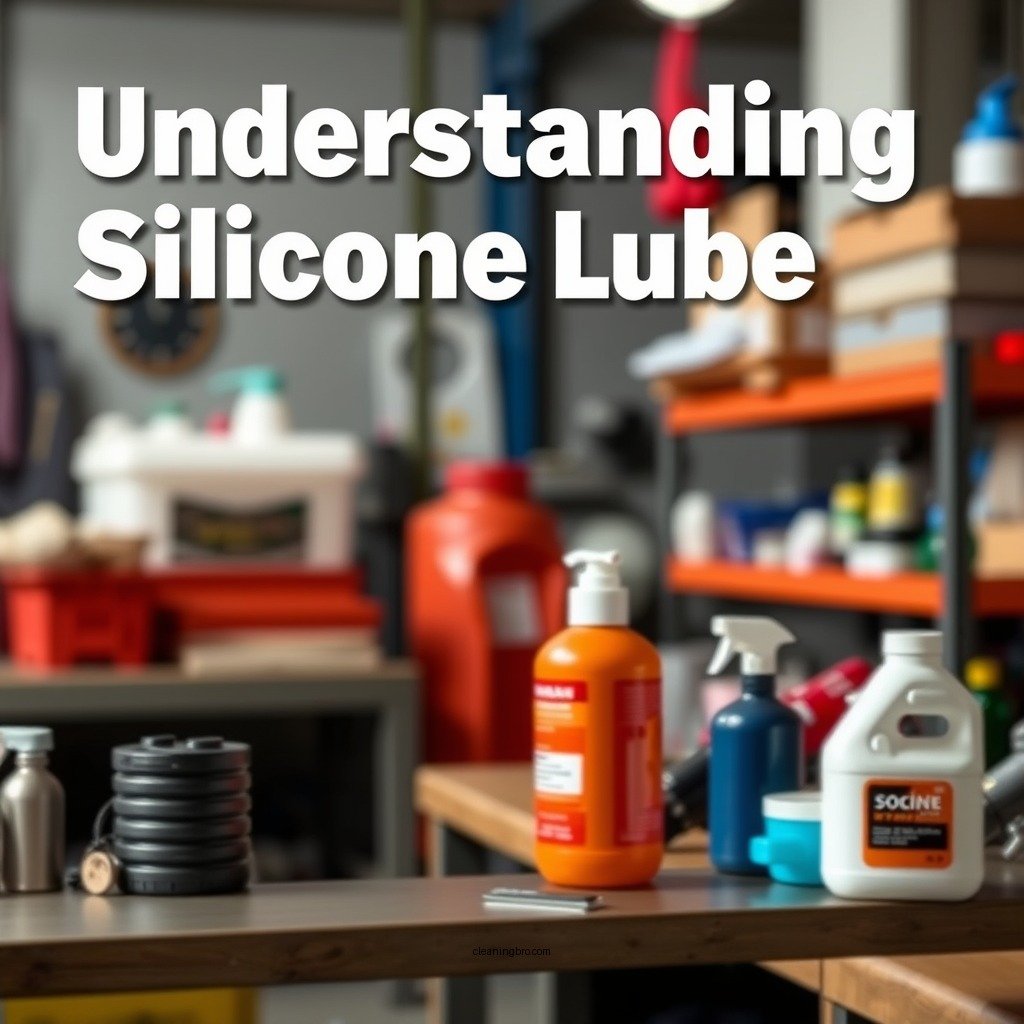
Silicone lube is a popular choice for many due to its waterproof and long-lasting properties. This makes it an excellent option for various activities, including intimate use and personal care. However, these same qualities that make silicone lube desirable also contribute to its challenging clean-up. Unlike water-based lubes, silicone lube does not easily wash away with soap and water; its unique molecular structure creates a slick coating that requires more than just regular cleaning agents for removal. Understanding this is crucial for effectively tackling any mess.
Moreover, silicone lube can leave behind stubborn stains on different surfaces, including fabrics, skin, and hard materials. Thus, having a strategy to clean it up is essential to maintain hygiene and keep your environment clean.
Materials Needed for Cleaning
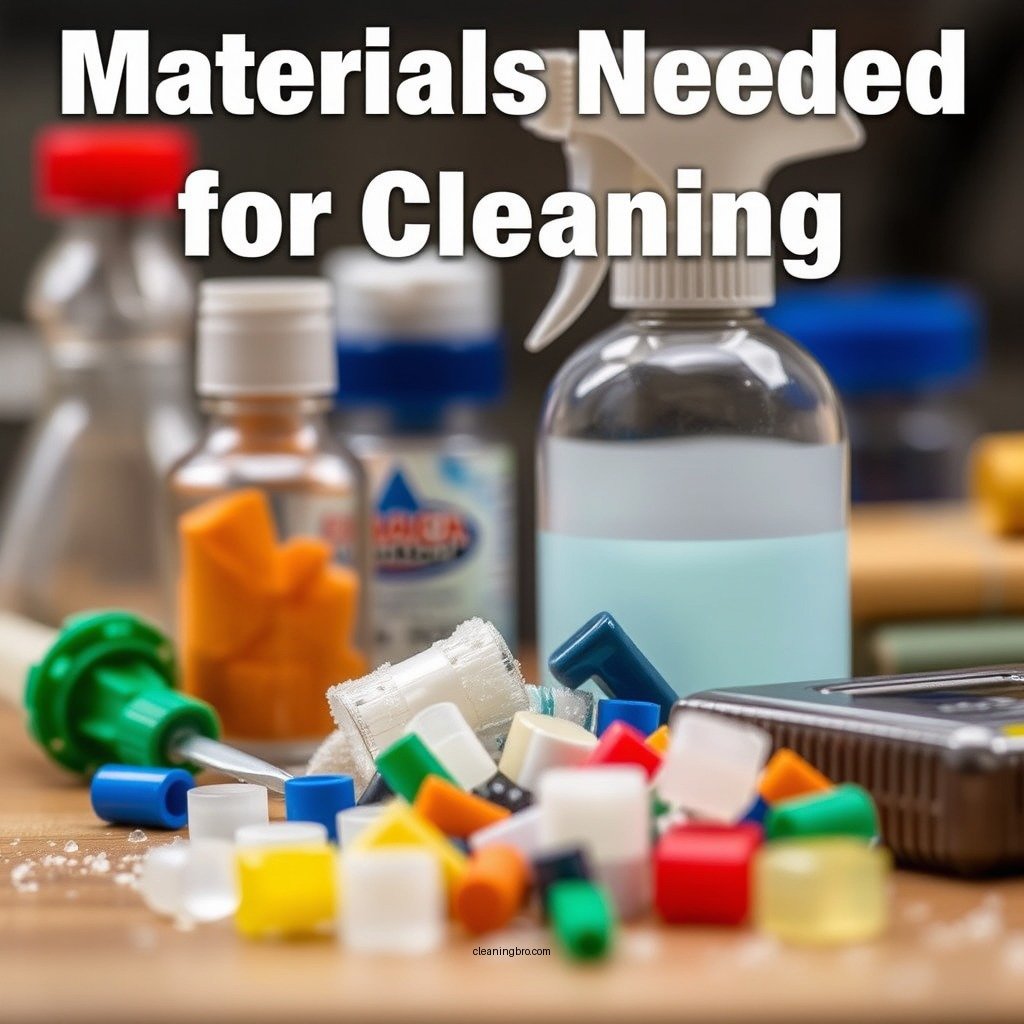
To efficiently clean up silicone lube, gather the following materials:
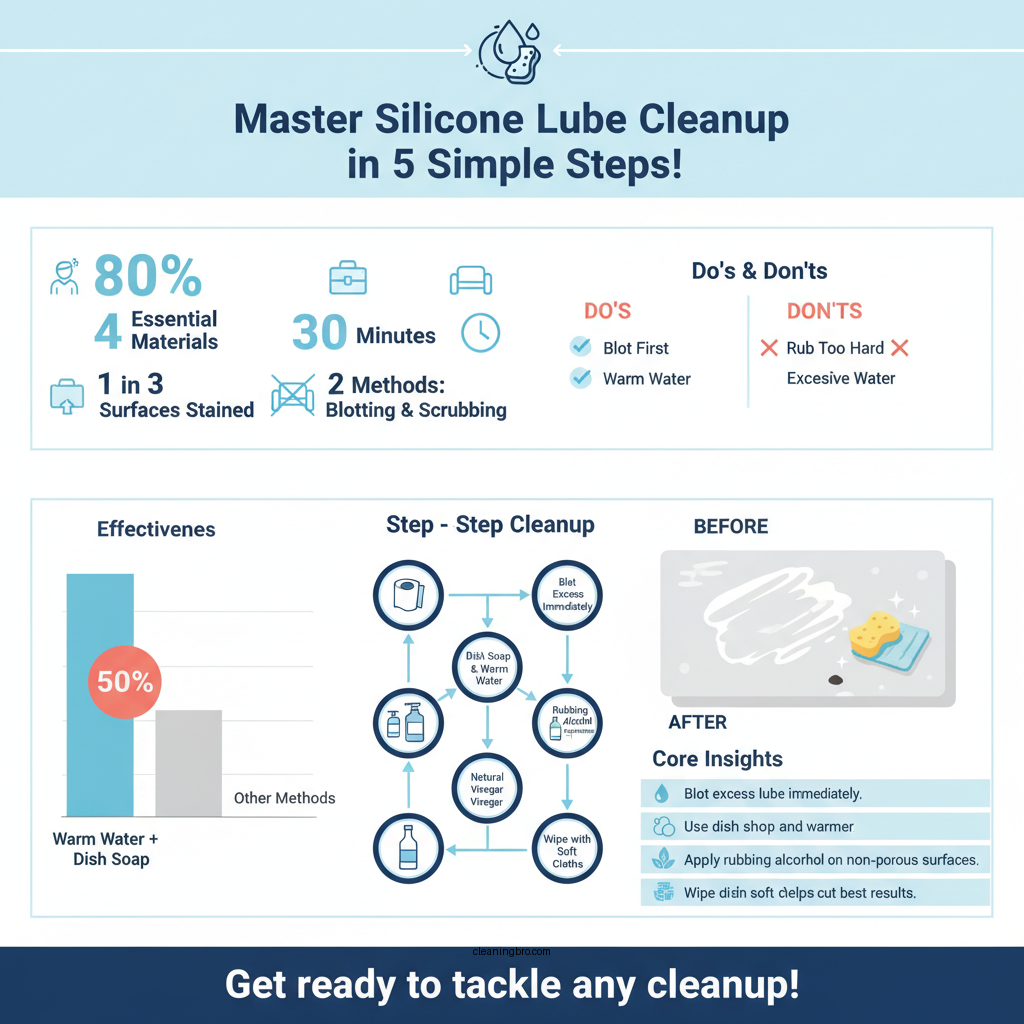
– Paper Towels or Soft Cloths: These are essential for absorbing excess lube and wiping down surfaces without causing damage.
– Dish Soap: A good quality dish soap can help break down the silicone and make it easier to clean.
– Rubbing Alcohol: This is effective for dissolving silicone lube residues and is especially useful on non-porous surfaces.
– Vinegar: A natural cleaning agent that can help cut through greasy substances.
– Warm Water: Helps to dilute and remove stuck-on lube when combined with soap.
Having these materials on hand will ensure you are prepared to tackle any silicone lube clean-up situation effectively.
Step-by-Step Cleaning Process
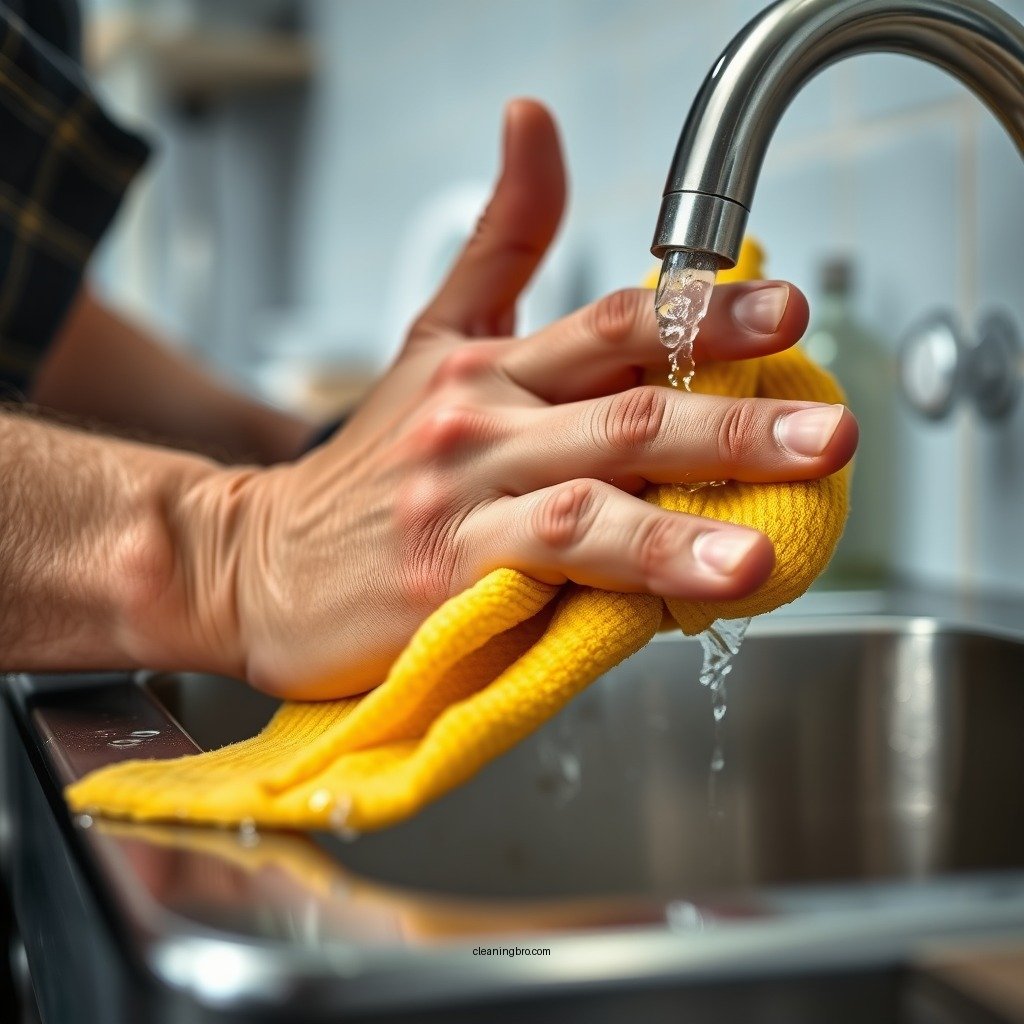
To clean up silicone lube, follow this simple step-by-step process:
1. Blot the Area: Start by using a paper towel to gently blot the area where the silicone lube has spilled or been applied. This will help absorb as much of the excess lube as possible before moving on to more intensive cleaning.
2. Prepare a Cleaning Solution: Mix a small amount of dish soap with warm water in a bowl. You can also consider adding a few drops of rubbing alcohol for enhanced effectiveness.
3. Apply the Solution: Dip a soft cloth into the soapy water mixture and wring it out to avoid excess liquid. Gently scrub the affected area, ensuring not to spread the lube further. Use a circular motion to break down the silicone lube.
4. Rinse and Repeat: After scrubbing, rinse the cloth in clean water and wipe down the area again to remove any soap residue. Repeat this process as necessary until the area is clean.
5. Dry the Surface: Finally, use a dry paper towel or cloth to wipe down the area, ensuring it is completely dry and free from any cleaning residue.
Cleaning Silicone Toys
Cleaning silicone toys requires special attention to ensure they remain hygienic and safe for use. Here’s how to do it:
1. Initial Rinse: After use, rinse silicone toys with warm water to remove any excess lube immediately.
2. Mild Soap Cleaning: Use a mild soap, preferably one specifically designed for intimate toys, to wash the surface. Apply the soap with your hands or a soft cloth and scrub gently, ensuring you clean all crevices.
3. Sterilization: For deeper cleaning, consider soaking the toys in a 10% bleach solution for about 10 minutes. This will help disinfect them effectively. After soaking, rinse thoroughly with warm water to remove any bleach residues.
4. Drying: Allow the toys to air dry completely before storing them. This prevents any growth of mold or bacteria.
Removing Silicone Lube from Fabrics
Dealing with silicone lube stains on fabrics can be tricky, but it’s not impossible. Here’s a straightforward approach:
1. Blot the Fabric: Use a paper towel to blot any excess silicone lube from the fabric. Avoid rubbing, as this can push the lube deeper into the fibers.
2. Stain Treatment: Prepare a mixture of dish soap and water. Apply this solution to the stained area and gently scrub with a soft brush or cloth. Let it sit for a few minutes to allow the soap to penetrate.
3. Launder: Wash the fabric according to its care instructions, using the hottest water safe for the material. Check the stain before drying; if it persists, repeat the cleaning process.
4. Drying: Once the stain is removed, allow the fabric to air dry completely.
Dealing with Hard Surfaces
Cleaning silicone lube from hard surfaces requires a different approach. Follow these steps for effective clean-up:
1. Wipe Down: Start by wiping down the surface with a cloth soaked in rubbing alcohol or a vinegar solution. This helps to break down the silicone lube.
2. Scrubbing: For stubborn spots, use a non-abrasive sponge or cloth with a little dish soap added. Scrub the area gently until the lube is removed.
3. Final Rinse: After cleaning, wipe the surface with a cloth dampened in warm, soapy water and then rinse with clean water to remove any soap residue.
4. Drying: Use a dry microfiber cloth to buff the surface, ensuring it is clean and shiny.
Effectiveness of Cleaning Agents for Silicone Lube (2024)
| # | Cleaning Agent | Effectiveness Rating | Ease of Use | Safety |
|---|---|---|---|---|
| 1 | Dish Soap | ★★★★☆ | Easy | Safe |
| 2 | Rubbing Alcohol | ★★★★★ | Moderate | Safe |
| 3 | Vinegar | ★★★☆☆ | Easy | Safe |
| 4 | Bleach Solution | ★★★★☆ | Advanced | Caution |
| 5 | Commercial Cleaners | ★★★★★ | Moderate | Safe |
| 6 | Baking Soda Paste | ★★★☆☆ | Easy | Safe |
| 7 | Hot Water | ★★★☆☆ | Easy | Safe |
Tips for Prevention
To minimize future silicone lube clean-up challenges, consider the following preventive measures:
– Use Water-Based Lubes: If you prefer easier clean-up processes, switching to water-based lubes can significantly reduce the hassle associated with silicone lube. These lubes are easier to wash away with soap and water.
– Protective Layers: When using silicone lube, consider placing a towel or protective sheet on surfaces that may come into contact with it. This can help catch spills before they become stains.
– Check Care Instructions: Always review care instructions for fabrics and surfaces before applying any cleaning agents. Some materials may be sensitive to certain chemicals and can be damaged.
– Regular Maintenance: Incorporate regular cleaning routines for areas where silicone lube is frequently used. This will help prevent build-up and make it easier to manage any messes that do occur.
Cleaning up silicone lube may require a bit of effort, but with the right materials and techniques, you can restore surfaces and fabrics to their original condition. Follow the outlined steps to tackle any silicone lube mess effectively, and consider switching to easier-to-clean options for future use. By staying proactive and implementing preventive measures, you can minimize the likelihood of silicone lube-related issues in your environment.
Frequently Asked Questions
How do I remove silicone lube from fabric?
To remove silicone lube from fabric, start by blotting the area with a paper towel to absorb excess lubricant. Then, apply a small amount of dish soap mixed with warm water to the stain and gently scrub with a soft brush or cloth. Rinse thoroughly with water and repeat if necessary, as silicone can be stubborn to remove.
What is the best way to clean silicone lube off skin?
The best way to clean silicone lube off skin is to use soap and warm water. Apply a generous amount of mild soap directly to the area and lather it up, then rinse with warm water. If the lube is particularly stubborn, an oil-based cleanser or baby oil can help break it down before washing with soap.
Why is silicone lube difficult to clean?
Silicone lube is difficult to clean because it is designed to be water-resistant and long-lasting. This resistance means that traditional soap and water may not effectively break down the silicone, often requiring specific cleaning agents or methods to fully remove it from surfaces or skin.
Which cleaning products are most effective for silicone lube removal?
The most effective cleaning products for silicone lube removal include dish soap, rubbing alcohol, and specialized silicone cleaners. Dish soap helps to emulsify the silicone, while rubbing alcohol can dissolve it. For surfaces, a silicone-specific cleaner can provide thorough results without damaging the material.
What should I avoid when cleaning up silicone lube?
When cleaning up silicone lube, avoid using oil-based products like petroleum jelly, as they can make the lube more difficult to remove. Additionally, steer clear of abrasive cleaners or scrubbers that could damage surfaces. Always test a small area first to ensure that your cleaning method won’t harm the material.
References
- https://www.ncbi.nlm.nih.gov/pmc/articles/PMC5926503/
https://www.ncbi.nlm.nih.gov/pmc/articles/PMC5926503/ - https://www.mayoclinic.org/diseases-conditions/contact-dermatitis/symptoms-causes/syc-20360390
https://www.mayoclinic.org/diseases-conditions/contact-dermatitis/symptoms-causes/syc-20360390 - https://www.cdc.gov/niosh/topics/chemicalhazards/default.html
https://www.cdc.gov/niosh/topics/chemicalhazards/default.html - https://www.healthline.com/health/cleaning-silicone-lube
https://www.healthline.com/health/cleaning-silicone-lube - https://www.sciencedirect.com/science/article/pii/S0141813019302459
https://www.sciencedirect.com/science/article/pii/S0141813019302459 - Silicone | Definition, Composition, Properties, Uses, & Facts | Britannica
https://www.britannica.com/science/silicone - Google Scholar Google Scholar
https://scholar.google.com/scholar?q=how+to+clean+up+silicone+lube - Google Scholar Google Scholar
https://scholar.google.com/scholar?q=silicone+lube+cleaning+methods - Google Scholar Google Scholar
https://scholar.google.com/scholar?q=removal+of+silicone+lubricants - how to clean up silicone lube – Search results
https://en.wikipedia.org/wiki/Special:Search?search=how+to+clean+up+silicone+lube