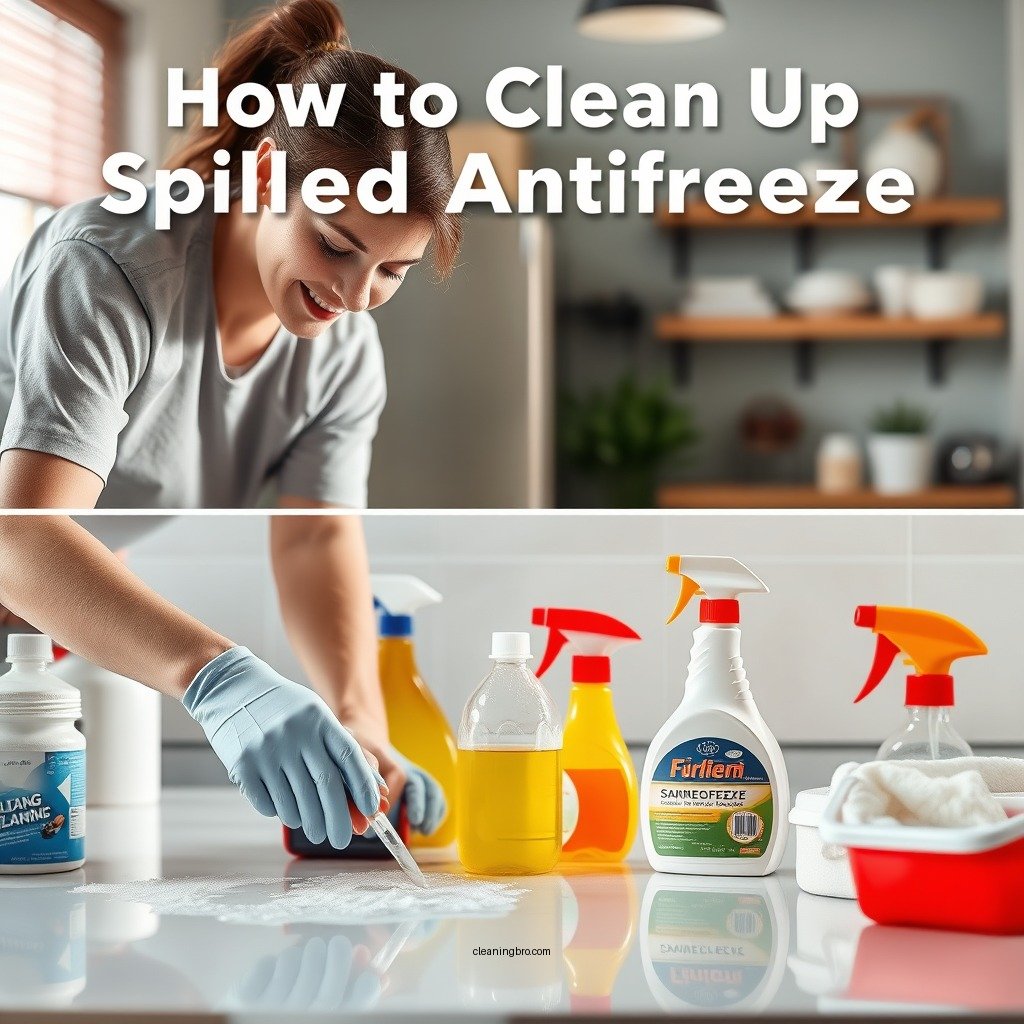
How to Clean Up Spilled Antifreeze Safely and Effectively
Understanding Antifreeze
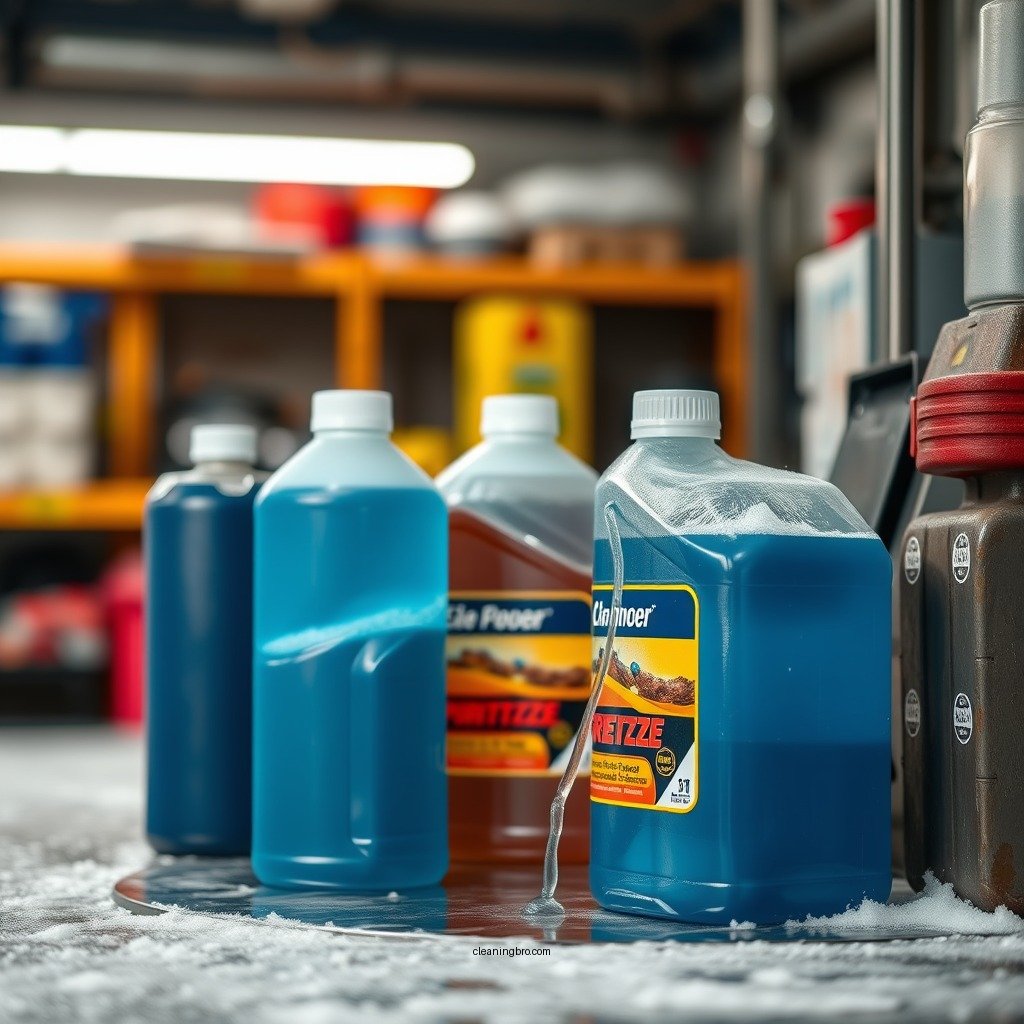
Antifreeze is a vital fluid in vehicles, primarily composed of ethylene glycol or propylene glycol, which prevent the engine from freezing in cold temperatures. While effective in their purpose, both compounds are highly toxic. Ethylene glycol, in particular, is sweet-tasting, which makes it particularly dangerous for pets and wildlife, leading to potential poisoning if ingested. Propylene glycol, although less toxic, can still pose health risks in high concentrations. Understanding these properties is crucial for anyone who works with or around antifreeze.
Safety Precautions
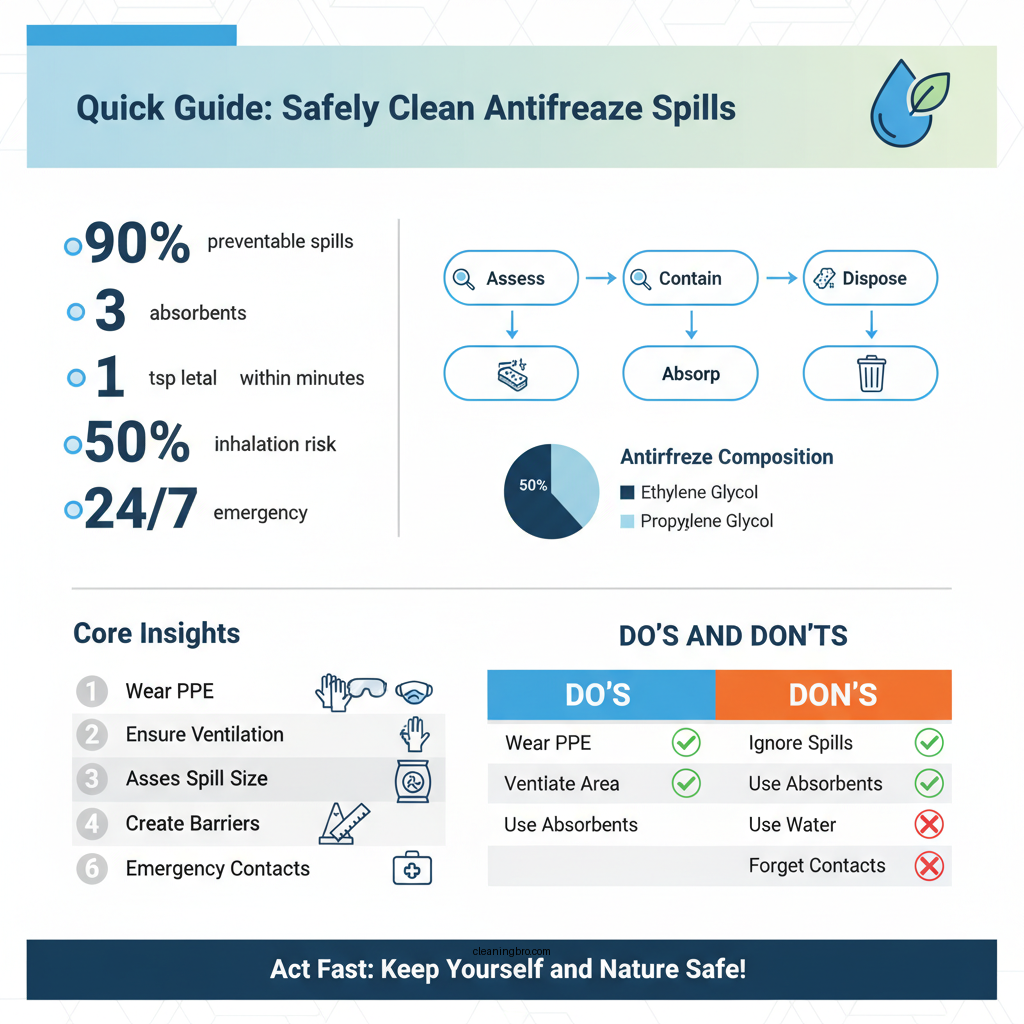
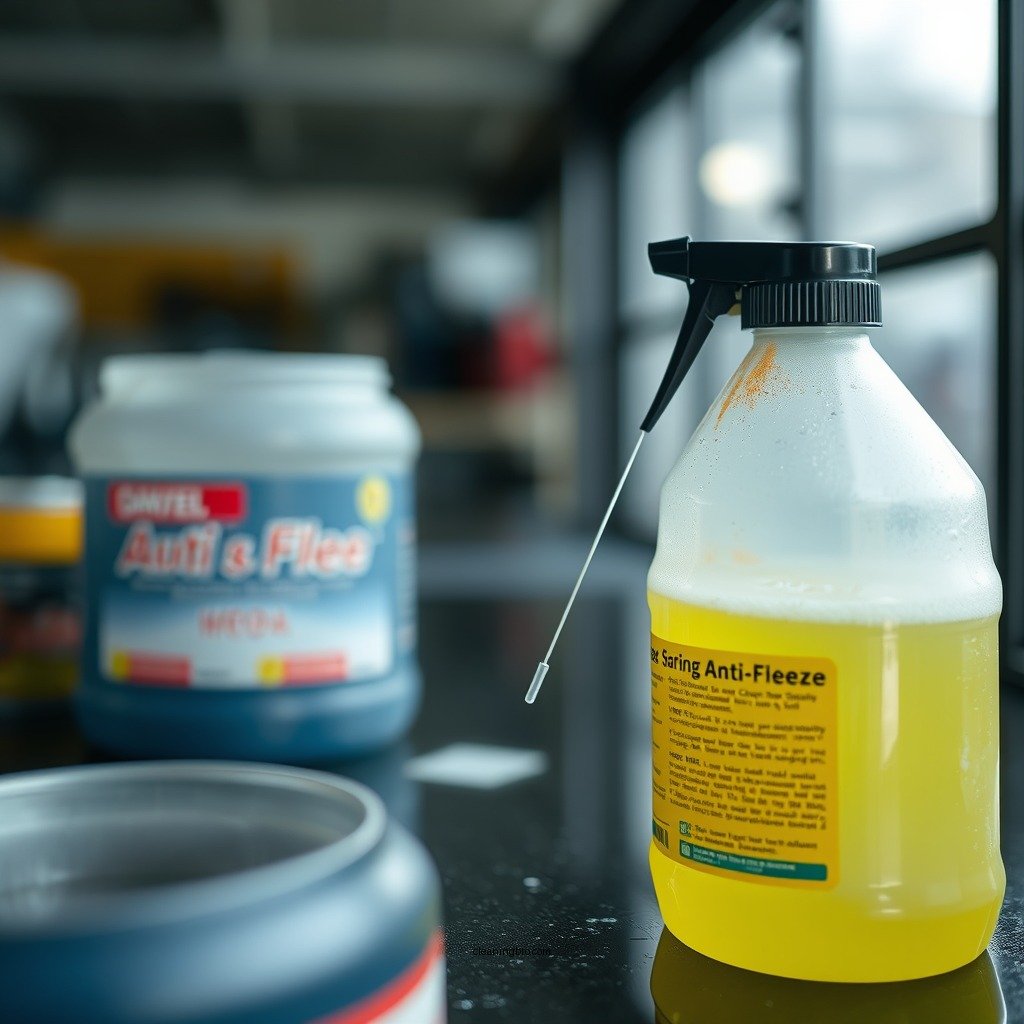
Before addressing a spill, it is crucial to prioritize safety.
– Personal Protective Equipment (PPE): Always wear gloves, goggles, and a mask when handling antifreeze. This protective gear minimizes the risk of skin contact and inhalation of harmful fumes.
– Ventilation: Ensure that the area is well-ventilated. Open windows and doors if possible, or use fans to circulate air, reducing the likelihood of inhaling toxic vapors.
– Emergency Preparedness: Familiarize yourself with the location of emergency services and have a first aid kit ready. In case of a serious exposure or spill, quick access to help can be invaluable.
Containing the Spill
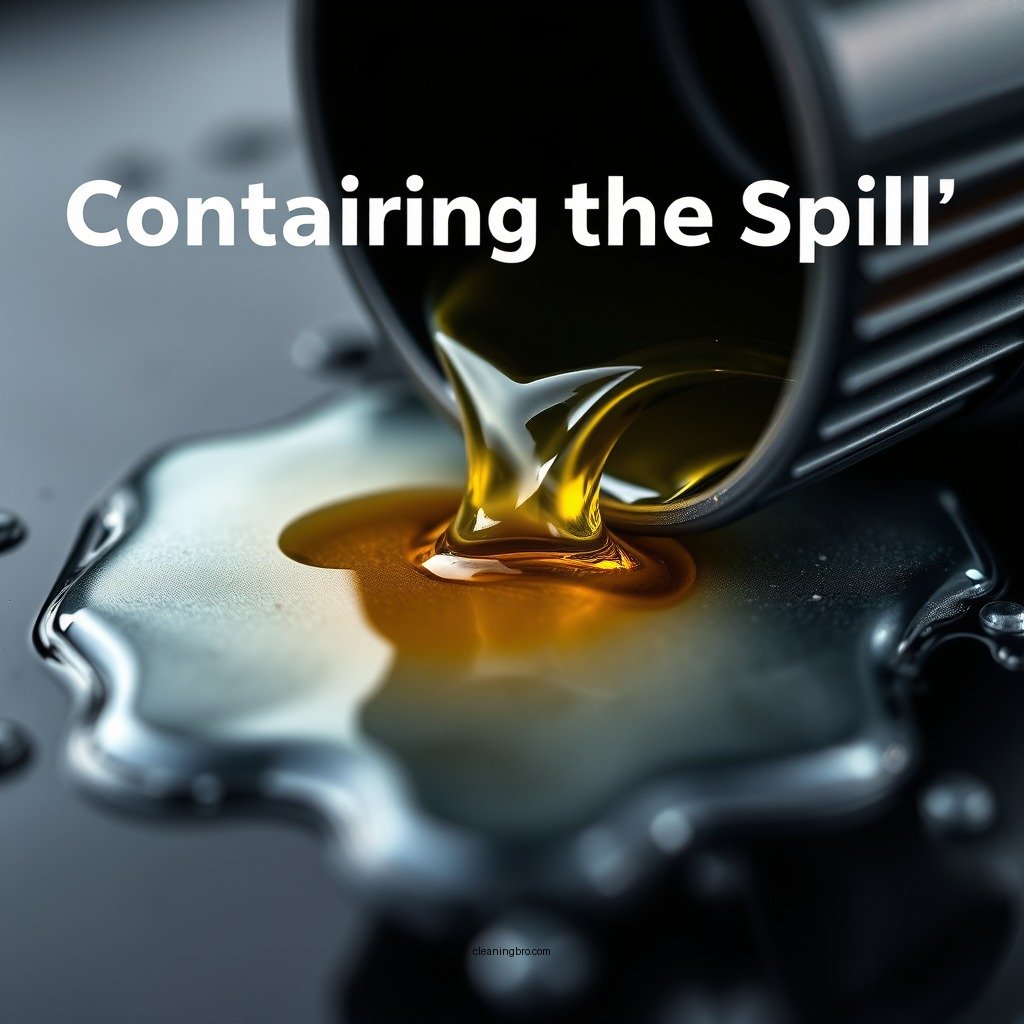
The first step in cleaning up antifreeze is to contain the spill effectively.
– Immediate Action: Quickly assess the situation and determine the extent of the spill. If it is a large spill, cordon off the area to prevent others from coming into contact with the antifreeze.
– Using Absorbents: Employ absorbent materials such as cat litter, sand, or commercial absorbents. These materials help to absorb the liquid and prevent it from spreading further.
– Creating Barriers: Use absorbent booms or pads to create a physical barrier around the spill. This containment strategy is essential in preventing the antifreeze from seeping into soil or water sources.
Top Absorbent Materials for Antifreeze Cleanup
| # | Material | Absorption Capacity | Availability | Cost |
|---|---|---|---|---|
| 1 | Cat Litter | Up to 3x its weight | Widely available | $5-$10 |
| 2 | Sand | Up to 2x its weight | Commonly found | $3-$8 |
| 3 | Commercial Absorbents | Up to 8x its weight | Available at hardware stores | $10-$25 |
| 4 | Paper Towels | Low absorption | Easily available | $2-$5 |
| 5 | Baking Soda | Moderate absorption | Common household item | $1-$3 |
| 6 | Diatomaceous Earth | High absorption | Available online | $15-$20 |
| 7 | Coconut Coir | Up to 4x its weight | Eco-friendly option | $10-$15 |
Absorbing the Antifreeze
Once the spill is contained, the next step is to absorb the antifreeze effectively.
– Applying Absorbents: Pour the chosen absorbent material over the spill, ensuring it covers the entire area. This step is crucial for maximizing absorption and preventing further spread.
– Waiting Period: Allow the absorbent to sit for the recommended time, typically around 15-30 minutes. This waiting period enables the material to soak up the antifreeze thoroughly.
– Visual Assessment: After the waiting period, check if the material has clumped or solidified, indicating effective absorption.
Cleaning the Area
After absorption, cleaning the area is essential to remove any remaining residue.
– Disposal of Absorbent Material: Carefully sweep up the saturated absorbent and place it in a sealed plastic bag. Ensure you avoid any contact with your skin and do not dispose of it in regular trash.
– Surface Cleaning: Use a mixture of soap and water or a specialized cleaner designed for antifreeze spills to wipe down the affected surface. This step helps to break down any remaining traces of antifreeze.
– Final Rinse: Rinse the area with clean water and allow it to dry completely. This will ensure that any residual chemicals are washed away.
Top Cleaning Agents for Antifreeze Residue
| Feature | ⭐ Soap & Water | Commercial Cleaner | Vinegar Solution |
|---|---|---|---|
| Effectiveness | ✅ Good | ✅ Excellent | ✅ Moderate |
| Cost | Low | Moderate | Very Low |
| Ease of Use | ✅ Simple | ✅ Easy | ✅ Requires Mixing |
| Environmental Impact | ✅ Low | ❌ Moderate | ✅ Very Low |
| Residue Removal | ✅ Yes | ✅ Yes | ❌ Minimal |
| Availability | ✅ Common | ✅ Widely Available | ✅ Common |
| Time to Work | Fast | Moderate | Slow |
| Safety | ✅ Safe | ✅ Moderate Caution | ✅ Safe |
| Cost Efficiency | ✅ High | ✅ Moderate | ✅ High |
| 🏆 Best For | General Use | Heavy Residue | Eco-friendly Cleaning |
Proper Disposal Methods
Proper disposal of absorbent materials and any contaminated items is crucial to prevent environmental contamination.
– Local Regulations: Before disposing of any materials, check your local regulations regarding hazardous waste. Antifreeze is classified as hazardous waste in many areas due to its toxic components.
– Disposal Facility: Place the sealed bag of contaminated absorbent material in a designated hazardous waste facility. Many communities have drop-off locations for hazardous materials, ensuring safe disposal.
– Follow Guidelines: If your area does not have a facility, follow local guidelines for hazardous waste disposal to ensure compliance with environmental protection laws.
Preventing Future Spills
Taking preventive measures can significantly reduce the risk of future antifreeze spills.
– Regular Vehicle Maintenance: Conduct routine checks on your vehicle’s cooling system and hoses to detect leaks early. Replace any worn or damaged components promptly.
– Using Spill-Proof Containers: When dealing with antifreeze, use containers designed to minimize spills. These containers often come with secure lids and anti-spill features.
– Education: Educate yourself and others who may handle antifreeze on proper storage, handling, and disposal protocols. Awareness is key to preventing accidents.
Cleaning up antifreeze spills swiftly and safely is crucial to protect both people and the environment. By following these steps, you can effectively manage any spills that occur. If you encounter a large spill or are unsure how to handle it, consider contacting a professional for assistance. Taking responsible actions not only ensures safety but also contributes to environmental stewardship.
Frequently Asked Questions
How do I safely clean up spilled antifreeze on my garage floor?
To safely clean up spilled antifreeze on your garage floor, start by wearing protective gloves and a mask to avoid inhaling fumes. Absorb the spill with cat litter or sawdust, allowing it to soak up the liquid for about 30 minutes, then sweep it up and dispose of it properly. Finally, wash the area with soap and water to remove any residue.
What should I do if my pet ingests antifreeze?
If your pet ingests antifreeze, it is crucial to seek immediate veterinary attention, as antifreeze is highly toxic to animals. Symptoms may include vomiting, seizures, or lethargy. Do not wait for symptoms to appear; timely intervention is critical for your pet’s safety.
Why is antifreeze dangerous, and how should I handle spills?
Antifreeze is dangerous due to its ethylene glycol content, which is toxic to humans and animals alike. When handling spills, ensure proper ventilation and use personal protective equipment like gloves and masks. Always dispose of waste materials according to local hazardous waste regulations to prevent environmental contamination.
What is the best way to dispose of antifreeze and cleaning materials after a spill?
The best way to dispose of antifreeze and cleaning materials is to take them to a local hazardous waste facility or recycling center that accepts automotive fluids. Never pour antifreeze down the drain or on the ground, as it poses significant environmental hazards. Check with local regulations for specific disposal guidelines in your area.
Which household items can help clean up a small antifreeze spill effectively?
Household items like cat litter, baking soda, or sawdust can effectively absorb a small antifreeze spill. After absorbing the spill, you can use a mixture of water and dish soap to scrub the area clean, ensuring that all residues are removed to prevent slippery surfaces and potential hazards.
References
- https://www.cdc.gov/niosh/topics/antifreeze.html
https://www.cdc.gov/niosh/topics/antifreeze.html - https://www.epa.gov/waste/how-clean-antifreeze-spills
https://www.epa.gov/waste/how-clean-antifreeze-spills - https://www.nichd.nih.gov/health/topics/antifreeze/conditioninfo/treatment
https://www.nichd.nih.gov/health/topics/antifreeze/conditioninfo/treatment - https://www.who.int/news-room/fact-sheets/detail/ethylene-glycol
https://www.who.int/news-room/fact-sheets/detail/ethylene-glycol - https://www.sciencedirect.com/topics/engineering/antifreeze
https://www.sciencedirect.com/topics/engineering/antifreeze - https://www.britannica.com/science/antifreeze
https://www.britannica.com/science/antifreeze - https://www.purdue.edu/ehps/remediation/antifreeze-spills.html
https://www.purdue.edu/ehps/remediation/antifreeze-spills.html - https://www.nytimes.com/2020/09/22/science/antifreeze-spill-cleanup.html
https://www.nytimes.com/2020/09/22/science/antifreeze-spill-cleanup.html - Google Scholar Google Scholar
https://scholar.google.com/scholar?q=how+to+clean+up+spilled+antifreeze - Google Scholar Google Scholar
https://scholar.google.com/scholar?q=antifreeze+spill+cleaning+methods