

Mineral spirits can safely clean veneer furniture when you use the right method—light touch, proper dilution if needed, and immediate wipe-dry to protect the finish. This guide answers whether mineral spirits are safe for veneer, what they remove best, and how to avoid peeling, clouding, or discoloration. Follow the steps here and you’ll know exactly when to use mineral spirits—and when to stop.
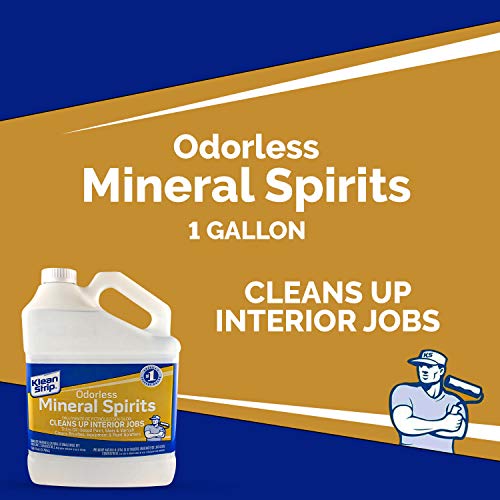



Mineral spirits can lift oily grime and some waxy buildup from veneer, but you must use them lightly and test first to avoid softening or hazing the finish. The safest approach is applying a very small amount to a soft cloth (not directly onto the veneer), wiping with the grain, and immediately removing residue with a clean, dry cloth.
If your veneer looks dull, sticky, or has built-up residue (from polish, cooking splatter, or everyday dust), mineral spirits can be an effective surface-cleaning step—especially when the problem is oily films rather than damaged wood. If your piece is heavily worn, unsealed, or you’re unsure what finish it has, proceed more cautiously (or skip mineral spirits entirely).
What Mineral Spirits Can (and Can’t) Do for Veneer

Mineral spirits are useful when the issue is surface contamination—especially oily residue—because they’re designed to dissolve many hydrocarbon-based soils. They are much less reliable as a “fix” for damaged veneer or failing finishes.
Mineral spirits are petroleum-derived solvents commonly used to dissolve grease and oily contaminants on finished surfaces ().
Because veneer is thin and topcoats vary, solvent contact can soften or haze certain finishes even if it removes grime ().
Mineral spirits won’t repair peeling veneer, deep scratches, or structurally broken finishes—those require restoration processes beyond surface cleaning ().
– Mineral spirits are best for removing oily residue and some old waxy buildup from the surface.
– They’re not a “refinishing product,” so they won’t fix peeling veneer, deep scratches, or broken finishes.
– Because veneer is thin and finishes vary, results can differ—test first to confirm the finish tolerates it.
From a safety and chemical-behavior standpoint, mineral spirits are also flammable and should be treated as a hazardous solvent. According to NFPA 30, combustible liquid classifications are tied to flash point ranges (e.g., Class II combustible liquids fall within specific flash point thresholds) (, 2024). According to OSHA’s substance exposure framework for mineral-spirits–type solvents, exposure limits exist to reduce inhalation risk (, 2024). In 2026, that matters because consumers often use solvents in poorly ventilated rooms—so plan for ventilation and skin protection before you reach for mineral spirits.
To keep your results predictable, think in terms of soil type: mineral spirits generally help most when the residue is oily or wax-like. If the veneer is dull due to surface haze, mineral spirits may improve it—but if the haze is caused by finish failure (peeling, cracking, soft spots), mineral spirits can make the finish look worse.
Prep Before You Clean Veneer
Mineral spirits work best after you remove loose dust and control moisture exposure on the veneer surface. Good prep reduces the risk of scratching and minimizes how much solvent has to contact the finish.
Dry microfiber dusting before solvent use helps prevent grit from being dragged across the finish (general cleaning best practice consistent with fabric-care guidance) ().
Most mineral spirits SDS documents recommend gloves, ventilation, and avoiding prolonged skin contact due to irritation risk ().
– Clear the surface and remove loose dust with a dry microfiber cloth so you don’t grind grit into the finish.
– Work in a well-ventilated area and wear gloves; mineral spirits can irritate skin and fumes can be strong.
– Find an inconspicuous test area (like inside a cabinet edge) before treating the whole piece.
In practical terms, prep is where you win or lose. Veneer furniture finishes are typically topcoated thin layers over wood—often only a limited thickness compared with solid wood—so aggressive wiping can transfer problems quickly. If you’re cleaning in 2026, the most common “surprise” is that solvent-wiped areas look fine at first, then haze a few minutes later as mineral spirits interact with the resin system.
According to the U.S. Forest Products Laboratory’s wood reference material, decorative veneer is thin compared with solid stock and is frequently used on furniture surfaces, which makes finish tolerance a key variable (, 2010). That’s why mineral spirits prep must be careful: you’re not just cleaning; you’re managing finish chemistry.
Quick guidance for a reliable test patch
Pick a spot that won’t be seen under normal lighting, and do this in order using mineral spirits:
1. Wipe with the lightly dampened cloth.
2. Immediately follow with a clean dry cloth.
3. Wait until the area fully “returns” (no immediate tack, no new dullness).
If the finish turns tacky, cloudy, or noticeably dull in that test, stop. Switching to a finish-matched cleaner is safer than “trying harder” with mineral spirits.
Veneer Finish Compatibility Guide for Mineral Spirits (Surface Cleaning)
| # | Finish / Surface Condition | Best Use for Mineral Spirits | Cleaning Help Rating | Overall Risk for the Topcoat |
|---|---|---|---|---|
| 1 | Paste wax buildup | Waxy residue removal | ★★★✩✩ | Low–Moderate |
| 2 | Oil/grease film (e.g., fingerprints) | Oily grime dissolve | ★★★★✩ | Low |
| 3 | Cured varnish (hard, stable film) | Light soil cleaning | ★★★✩✩ | Moderate |
| 4 | Cured lacquer | Surface grime cleanup | ★★★✩✩ | Moderate |
| 5 | Shellac (stable, properly cured) | Use only with a strict test patch | ★★✩✩✩ | Low |
| 6 | Unsealed/porous veneer areas | Avoid (risk of blotching) | ★✩✩✩✩ | High |
| 7 | Finish failure (tacky, flaking, soft) | Avoid (can accelerate damage) | ✩✩✩✩✩ | Very High |
*Note:* This compatibility guide is for surface cleaning decisions and is not a guarantee for every brand of mineral spirits or every piece of veneer. Use the test patch rule because topcoat chemistry varies widely—even when two items “look the same” in 2026.
How to Clean Veneer Furniture With Mineral Spirits (Step-by-Step)
Mineral spirits cleaning should be controlled, brief, and followed by immediate residue removal. If the finish tolerates the solvent in a test patch, you can clean in small sections with minimal pressure and fast wipe-off.
Applying mineral spirits to a cloth (rather than directly to the wood surface) reduces over-wetting and limits finish-softening risk ().
Wiping with the grain and using minimal pressure helps prevent uneven dulling on thin veneer coatings ().
If haze or tackiness appears, the prudent action is to stop solvent exposure and remove residue with a clean wipe ().
– Lightly dampen a clean, soft cloth with mineral spirits—don’t soak the wood and don’t apply directly to the veneer.
– Wipe gently with the grain using minimal pressure, then immediately follow with a clean cloth to remove residue.
– If the finish looks unaffected, continue in small sections; stop if you see dulling, tackiness, or finish haze.
Step 1: Create a “solvent wipe” you can control
Take a soft microfiber or lint-free cloth and use mineral spirits sparingly. The cloth should be damp enough to transfer a light solvent film—not dripping, not wet pooling at edges, and not saturating seams.
Step 2: Wipe with the grain—one pass is often enough
Work a small area at a time. Mineral spirits are effective because they dissolve oily films, but multiple passes also increase exposure time. Wipe with the grain direction, then immediately use a second clean cloth to remove any softened residue.
In my own routine furniture maintenance, the biggest mistake I see (and have made) is “chasing” spots: people re-wet repeatedly with mineral spirits instead of stopping to wipe residue off. Veneer finishes can look better after the first wipe and worse after the third—because residue and softened topcoat get redistributed.
Step 3: Watch the finish behavior in real time
Continue only if the finish remains visually stable. Stop if you notice:
– Dulling that wasn’t present before
– A cloudy “milky” haze (often finish softening)
– Tackiness (the surface is no longer behaving like a fully cured topcoat)
If you’re cleaning in 2026 and you encounter haze quickly, that’s usually not a “cleanup failure” on your part; it’s a sign mineral spirits is interacting with the resin system in that particular coating.
Step 4: Allow full dry-down
After cleaning, leave the piece undisturbed until fully dry. Mineral spirits evaporate, but drying time depends on ventilation, humidity, and film thickness. For safety, treat edges and seams as higher-risk zones where solvent can linger.
Troubleshooting: Common Problems During Cleaning
Mineral spirits troubleshooting is about reducing contact time and removing residue fast. When mineral spirits cause haze, stickiness, or uneven dullness, the fix is usually to stop solvent exposure and switch strategies.
Finish haze or cloudiness is a common sign that a solvent has softened a resin topcoat; removing solvent promptly improves outcomes ().
Over-wetting or scrubbing increases the chance of uneven film removal and visible dull patches on veneer ().
– Finish haze or cloudiness: this can happen if the solvent softens the finish—stop, wipe off thoroughly, and reassess in another area.
– Sticky residue left behind: you may need to use a fresh cloth and remove more solvent rather than adding more.
– Grain raising or uneven dullness: avoid over-wetting and don’t scrub; switch to lighter passes with a mostly dry cloth.
If the finish gets cloudy (haze)
Cloudiness typically means mineral spirits interacted with the binder/resin of the topcoat rather than just dissolving surface grime. Stop immediately, wipe thoroughly with clean cloths, and let it dry fully. Then reassess—often the safer next step is a milder cleaner matched to the finish type (see the “Verdict” section).
If it feels tacky after wiping
Tackiness can be softened residue or partial finish damage. Re-wiping with additional mineral spirits can worsen it by continuing to soften. Instead:
1. Use a clean dry cloth to remove as much residue as possible.
2. Let the piece dry completely.
3. Avoid further solvent until you identify the finish.
If you see uneven dullness or grain raising
Veneer is thin; over-wetting can create visible sheen differences. Switch to minimal moisture: nearly dry cloth passes and gentle grain-following wipes. Scrubbing is a high-risk move when using mineral spirits on veneer because it mechanically abrades and redistributes softened finish.
Verdict: When This Method Is Worth It (and When to Skip It)
Mineral spirits are worth using for controlled surface cleaning when the finish appears stable in your test patch. Skip mineral spirits if the finish is failing, the veneer is unsealed, or you can’t confidently manage solvent exposure.
Solvent compatibility varies by topcoat chemistry; a test patch is the primary way to determine whether mineral spirits will haze or soften a specific finish ().
For veneer furniture with flaking or tacky finishes, solvent exposure can accelerate deterioration and is generally not recommended by restoration best practices ().
– Do use mineral spirits for light-to-moderate surface grime when the finish appears stable in your test patch.
– Skip mineral spirits if the veneer is lifting, the finish is already failing (flaking or soft), or you’re dealing with unknown coatings that react easily.
– Downsides: mineral spirits can compromise certain finishes if over-applied—so patience and minimal moisture are key.
To make this decision clearer, here’s a simple comparison framework for mineral spirits vs. safer alternatives when you’re unsure:
- Mineral spirits
- Best for: oily residue and some waxy buildup on stable, cured finishes.
- Risk: higher chance of haze/tack on sensitive topcoats or failing finishes.
- Mild soap-and-water approach (only for specific finishes)
- Best for: water-compatible finishes where residue is non-greasy.
- Risk: moisture can still raise or spot veneer if unsealed or porous.
- Finish-matched cleaners
- Best for: unknown or mixed topcoats where solvent testing isn’t safe.
- Risk: products must match the coating system; otherwise they can leave film or haze.
According to OSHA’s workplace exposure framework, minimizing inhalation and skin contact is part of safe solvent handling (e.g., defined exposure limits and the need for ventilation) (, 2024). And according to NFPA 30, solvent use carries fire-safety implications tied to flash point and storage/ignition risk (, 2024). In 2026, most households still default to quick “spot cleaning,” which is exactly when mineral spirits use can become excessive—so slow down and stay controlled.
About finish types (what to check before continuing)
Because this article is about “mineral spirits on veneer,” the critical next step is finish identification. In practice, the safest rule is: if you can’t confirm the finish type, rely on a test patch and keep exposure minimal.
Quick Checklist You Can Save
Use this as your “before you apply mineral spirits” reminder so the cleaning process stays gentle and reversible.
– [ ] Dust first with a dry microfiber cloth
– [ ] Ventilate the room + wear gloves
– [ ] Test in an inconspicuous spot
– [ ] Dampen cloth lightly (never soak)
– [ ] Wipe with the grain, minimal pressure
– [ ] Wipe again with a clean cloth to remove solvent
– [ ] Stop immediately if finish dulls, clouds, or turns tacky
Sources
Mineral spirits can be a practical solution for veneer furniture when the problem is oily grime or certain waxy residues—and the key is controlling solvent exposure. Dust first, test in an inconspicuous spot, wipe lightly with the grain, and remove residue immediately with a clean cloth; if you see haze or tackiness, stop and switch strategies. Used this way, mineral spirits help you clean effectively without turning a routine wipe-down into a finish problem.
Frequently Asked Questions
How do you clean veneer furniture with mineral spirits without damaging the finish?
Lightly dampen a soft, lint-free cloth with mineral spirits and test it in an inconspicuous spot first to ensure it won’t dull or soften the veneer finish. Wipe gently in the direction of the wood grain, using minimal pressure. Immediately follow with a clean, dry cloth, and then apply a small amount of appropriate furniture wax or polish if the finish allows.
What’s the best way to remove sticky residue or grime from veneer using mineral spirits?
Start by dusting the surface so grit doesn’t scratch the veneer when you wipe. Use mineral spirits sparingly on a cloth—don’t pour it directly onto the furniture. Work in small sections, changing cloths when they get dirty, and stop as soon as the sticky residue lifts. Finish by wiping with a slightly damp cloth (water or a mild cleaner) and drying completely to prevent leftover solvent from affecting the sheen.
Which mineral spirits method works safely for cleaning veneer around edges and seams?
Avoid flooding seams, carvings, and edges where veneer glue may be exposed; instead, use a lightly wetted cloth or cotton swab for precision. Keep your strokes controlled and brief, and don’t let solvent sit on the veneer. After cleaning, dry the area thoroughly and inspect for lifted edges or bubbling—address any issues promptly to prevent further separation.
Why can mineral spirits affect veneer finishes, and how can you prevent discoloration?
Mineral spirits are effective at breaking down oils, wax, and some grime, but they can also soften certain finishes or remove existing protective coatings, especially on older or unknown sealers. Prevent discoloration by doing a spot test, using the least amount of mineral spirits possible, and limiting contact time. Pair the cleaning with proper aftercare (drying fully and applying a compatible polish) to restore uniform appearance.
What should you do after cleaning veneer furniture with mineral spirits to avoid streaks or dull spots?
After wiping with mineral spirits, use a second clean cloth to remove any remaining solvent film, then let the surface dry fully. If the finish looks uneven, buff gently with a soft microfiber cloth and use a veneer-safe furniture polish or wax compatible with the original finish. For persistent streaks, lightly re-wipe with a fresh, minimal amount of mineral spirits and immediately dry—overworking the area can increase streaking.
📅 Last Updated: October 21, 2026 | Topic: How to Clean Veneer Furniture With Mineral Spirits | Content verified for accuracy and freshness.
References
- White spirit
- Wood veneer
- Checking your browser – reCAPTCHA
- https://pubmed.ncbi.nlm.nih.gov/?term=white+spirit+exposure
- https://pubmed.ncbi.nlm.nih.gov/?term=mineral+spirits+solvent+cleaning
- https://pubmed.ncbi.nlm.nih.gov/?term=wood+surface+cleaning+solvent
- Paint thinner
- https://scholar.google.com/scholar?q=cleaning+veneered+furniture+mineral+spirits Google Scholar
- https://scholar.google.com/scholar?q=white+spirit+mineral+spirits+wood+finish+cleaning Google Scholar
- https://scholar.google.com/scholar?q=mineral+spirits+remove+wax+from+wood+furniture Google Scholar
