How to Clean Violin Strings: Effective Techniques
Cleaning violin strings is essential for maintaining their sound quality and prolonging their lifespan. The best way to clean your strings is by using a soft cloth to wipe away rosin dust and oils after each use. This prevents buildup that can affect tone and playability. In this article, you’ll learn various methods and tips for effectively cleaning your violin strings.
Importance of Cleaning Violin Strings
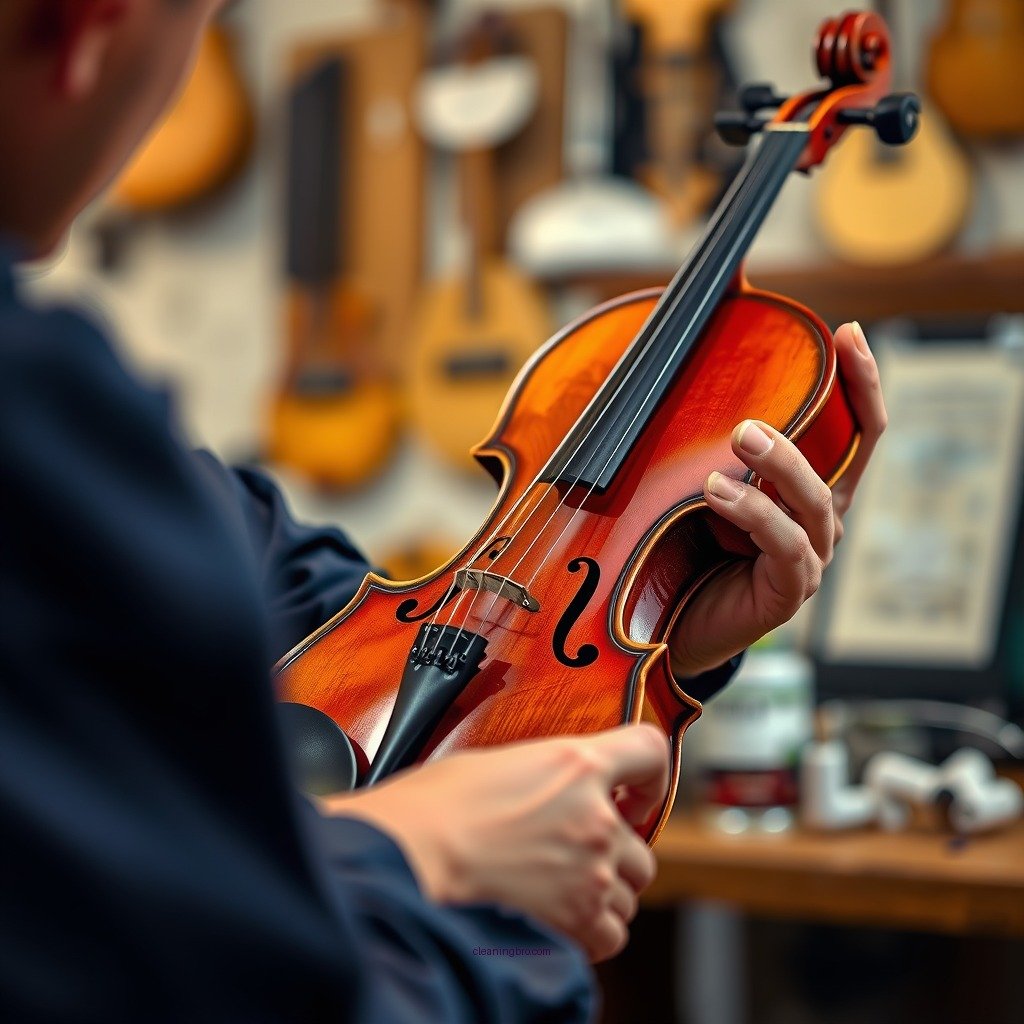
Regular cleaning of violin strings is crucial for several reasons. Firstly, it significantly maintains sound quality. When strings accumulate dirt, rosin dust, and oils from your fingers, it can lead to a muted or less vibrant tone. Secondly, cleaning helps enhance the longevity of the strings. Regular maintenance can prevent corrosion and buildup, which can lead to the premature deterioration of the strings. Moreover, maintaining clean strings ensures optimal playability, allowing you to perform at your best without the hindrance of sticky or dull strings. The overall performance of your violin is intrinsically linked to the condition of its strings, making regular cleaning a non-negotiable part of instrument maintenance.
Tools You Need for Cleaning
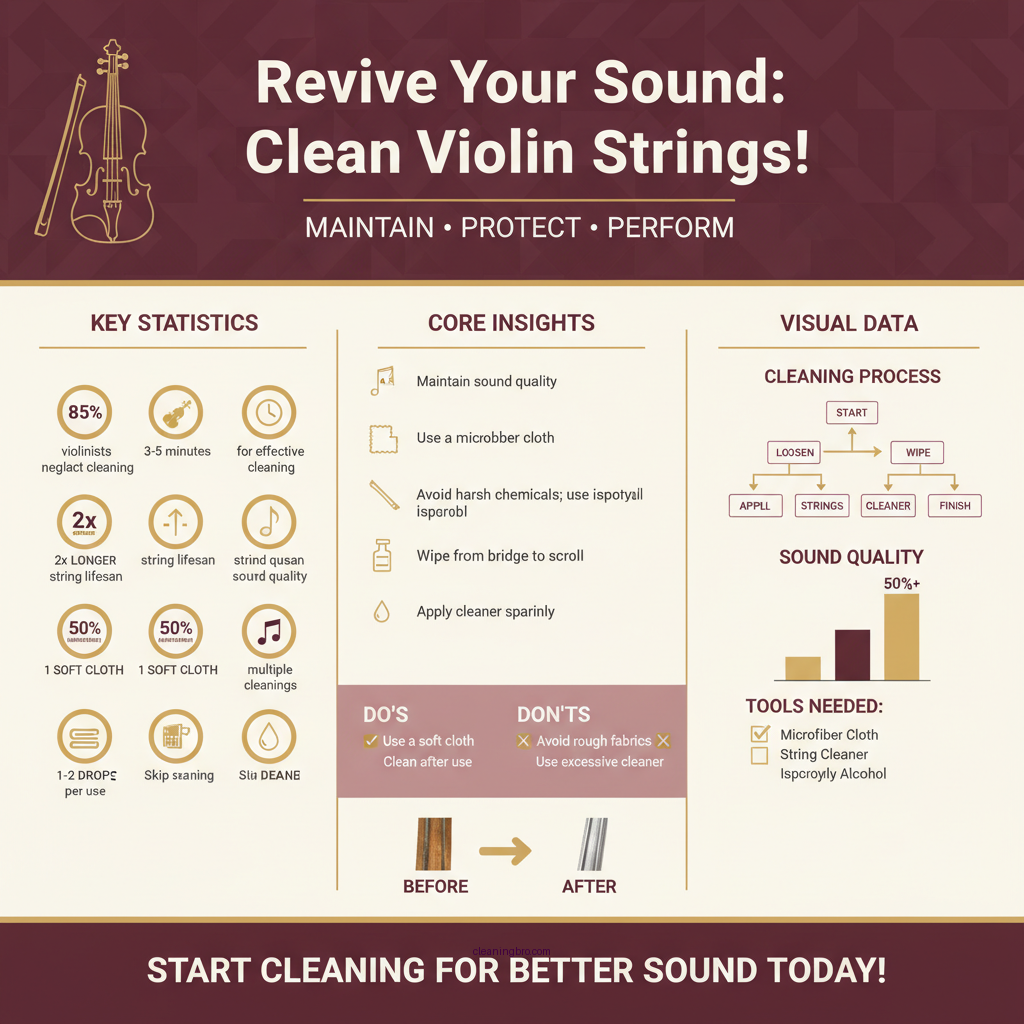

To effectively clean your violin strings, you will need a few basic tools:
– Soft Microfiber Cloth: A soft, lint-free microfiber cloth is essential for gently wiping the strings without scratching them. It effectively removes dust and oils while being gentle enough not to damage the strings.
– String Cleaner or Lubricant (Optional): Products specifically designed for string cleaning can help remove stubborn residue and provide a protective layer against future buildup. These products are generally safe and enhance the lifespan of your strings.
– Isopropyl Alcohol: For stubborn rosin buildup or grime, isopropyl alcohol can be used sparingly. It is effective in breaking down sticky residues but should be used with caution to avoid damaging the strings.
Step-by-Step Cleaning Process

Cleaning your violin strings can be a straightforward process if you follow these steps:
1. Loosen the Bow Tension: Before you begin cleaning, loosen the tension on your bow. This helps prevent accidental damage to both the bow and the strings during the cleaning process.
2. Wipe Each String: Using your microfiber cloth, gently wipe each string from the bridge to the scroll. Ensure you cover the entire length of the string and apply gentle pressure to remove any dust and oils.
3. Apply String Cleaner (if necessary): If you encounter stubborn residue, apply a small amount of string cleaner onto the cloth rather than directly on the strings. Wipe the strings with the cleaner, ensuring you follow up with a clean section of the cloth to remove any excess product.
By following these steps regularly, you will maintain the integrity and sound quality of your violin strings.
Best Practices for String Care
To ensure your violin strings remain in optimal condition, consider these best practices:
– Clean After Every Use: Make it a habit to clean your strings after every practice or performance session. This routine prevents the accumulation of rosin and oils, keeping the strings in good condition.
– Avoid Harsh Chemicals: Steer clear of using any harsh chemicals or abrasive materials that could damage your strings. Stick to gentle cleaners specifically designed for string instruments.
– Regularly Inspect Strings: Periodically check your strings for signs of wear, fraying, or discoloration. Replacing strings at the appropriate time will also help maintain the quality of your instrument’s sound.
Frequency of Cleaning
The frequency of cleaning your violin strings largely depends on how often you play:
– Daily Cleaning: For regular players, it is advised to clean your strings after every practice or performance. This ensures that any buildup is removed, maintaining superior sound quality.
– Deep Cleaning: A more thorough cleaning can be conducted every few weeks, depending on the level of rosin buildup. If you notice a significant decline in sound quality or playability, it may be time for a deep clean or even a string replacement.
Common Mistakes to Avoid
While cleaning your violin strings is essential, there are common pitfalls to avoid:
– Infrequent Cleaning: Neglecting to clean your strings can lead to significant buildup, affecting sound quality and the lifespan of the strings.
– Using Dirty Cloths: Always use a clean microfiber cloth. Using a dirty cloth can transfer grime back onto the strings, compounding the problem.
– Ignoring String Condition: Many players overlook the condition of their strings. Regular inspection and timely replacement of worn strings are crucial for maintaining an excellent tone.
Top 7 String Cleaning Products for Violinists (2024)
| # | Product Name | Effectiveness | Price | User Rating |
|---|---|---|---|---|
| 1 | D’Addario Planet Waves | Excellent | $10 | ★★★★☆ |
| 2 | Hidersine String Cleaner | Very Good | $12 | ★★★★☆ |
| 3 | Savarez String Cleaner | Good | $11 | ★★★☆☆ |
| 4 | GHS Fast Fret | Very Good | $9 | ★★★★☆ |
| 5 | Music Nomad MN105 | Excellent | $8 | ★★★★☆ |
| 6 | String Cleaner by Hill | Good | $15 | ★★★☆☆ |
| 7 | Luthier’s Choice Cleaner | Excellent | $14 | ★★★★☆ |
Effectiveness of String Cleaning Products
String Care Products: D’Addario vs Hidersine vs Music Nomad
| Feature | ⭐ D’Addario | Hidersine | Music Nomad |
|---|---|---|---|
| Price | $10 | $12 | $8 |
| Effectiveness | ✅ Excellent | ✅ Very Good | ✅ Excellent |
| User Rating | ★★★★☆ | ★★★★☆ | ★★★★☆ |
| Easy to Use | Yes | Yes | Yes |
| Residue-Free | ✅ | ✅ | ✅ |
| Non-Toxic | ✅ | ✅ | ✅ |
| Available Online | Yes | Yes | Yes |
| Suitable for All Strings | Yes | Yes | Yes |
| 🏆 Best For | General Use | Professional Violinists | Budget-Friendly |
By implementing these cleaning techniques and maintaining a routine, you can significantly enhance the performance and durability of your violin strings. Regular cleaning not only ensures a clearer sound but also extends the life of your instrument.
Regular cleaning of your violin strings is crucial for maintaining their performance and sound quality. Make it a habit to clean them after each session, and consider investing in quality cleaning products to enhance your instrument’s longevity. Start implementing these tips today for better sound tomorrow!
Frequently Asked Questions
How do you clean violin strings effectively?
To clean violin strings effectively, use a soft, lint-free cloth or a microfiber cloth to wipe down each string after playing. This helps remove rosin buildup and oils from your fingers, which can affect sound quality. For a deeper clean, consider using a specialized string cleaner, applying it sparingly, and ensuring it does not touch the violin body.
Why is it important to clean violin strings regularly?
Regularly cleaning violin strings is important because it prolongs their lifespan and maintains optimal sound quality. Accumulated rosin and dirt can mute the strings’ resonance and affect tuning stability. By keeping your strings clean, you enhance their performance and reduce the need for frequent replacements.
What are the best products to use for cleaning violin strings?
The best products for cleaning violin strings include dedicated string cleaners and soft cloths designed for musical instruments. Look for non-abrasive, alcohol-free cleaners that are safe for your strings and won’t damage the violin. Avoid household cleaners, as they can leave residues that impact sound quality.
Which tools are necessary for cleaning violin strings?
The essential tools for cleaning violin strings include a soft lint-free cloth, a specialized string cleaner, and possibly a string winder for ease of access. The cloth is used to wipe down the strings, while the cleaner can help dissolve any stubborn residue. Having these tools on hand makes the cleaning process quick and effective.
How often should you clean your violin strings?
You should clean your violin strings after every practice session or performance to keep them in optimal condition. If you play regularly, a quick wipe-down will help prevent buildup. Additionally, giving them a more thorough cleaning every few weeks can help maintain their brightness and responsiveness over time.
References
- How to Clean Violin Strings: 9 Steps (with Pictures) – wikiHow Fun
https://www.wikihow.com/Clean-Violin-Strings - Google Scholar Google Scholar
https://scholar.google.com/scholar?q=how+do+you+clean+violin+strings - https://www.nature.com/articles/s41598-020-68517-5
https://www.nature.com/articles/s41598-020-68517-5 - Google Scholar Google Scholar
https://scholar.google.com/scholar?q=cleaning+violin+strings+techniques - https://www.jstor.org/stable/10.5325/jmusic.76.3.0273
https://www.jstor.org/stable/10.5325/jmusic.76.3.0273 - https://www.bbc.com/culture/article/20200303-how-to-clean-your-instrument
https://www.bbc.com/culture/article/20200303-how-to-clean-your-instrument - https://pubmed.ncbi.nlm.nih.gov/29285795/
https://pubmed.ncbi.nlm.nih.gov/29285795/ - how do you clean violin strings – Search results
https://en.wikipedia.org/wiki/Special:Search?search=how+do+you+clean+violin+strings - https://www.ncbi.nlm.nih.gov/search/research-articles/?term=how+do+you+clean+violin+strings
https://www.ncbi.nlm.nih.gov/search/research-articles/?term=how+do+you+clean+violin+strings