How to Clean Wheel Wells: A Step-by-Step Guide
Cleaning wheel wells is crucial for maintaining your vehicle’s appearance and preventing rust and corrosion. Regularly cleaning these often-overlooked areas not only enhances your car’s aesthetic but also extends its lifespan by deterring the accumulation of dirt and moisture that can lead to corrosion. This guide will provide you with a detailed step-by-step process to ensure your wheel wells look pristine and are well-maintained.
Gather Necessary Supplies

To clean your wheel wells effectively, you will need a few essential tools and cleaning solutions. Here’s a comprehensive list of supplies you should gather before starting:
– High-pressure hose or spray nozzle: This tool is vital for rinsing off dirt and debris quickly and efficiently.
– Wheel well cleaner: A dedicated wheel well cleaner is ideal, but you can also use a mix of soap and water for a more economical option.
– Stiff brush or sponge: These will help in scrubbing away tough grime and dirt that may have built up over time.
– Microfiber cloth: This is perfect for drying the area after cleaning, preventing water spots.
– Protective gear: Consider wearing gloves and safety goggles to protect your skin and eyes from cleaning solutions and debris.
Prepare Your Vehicle
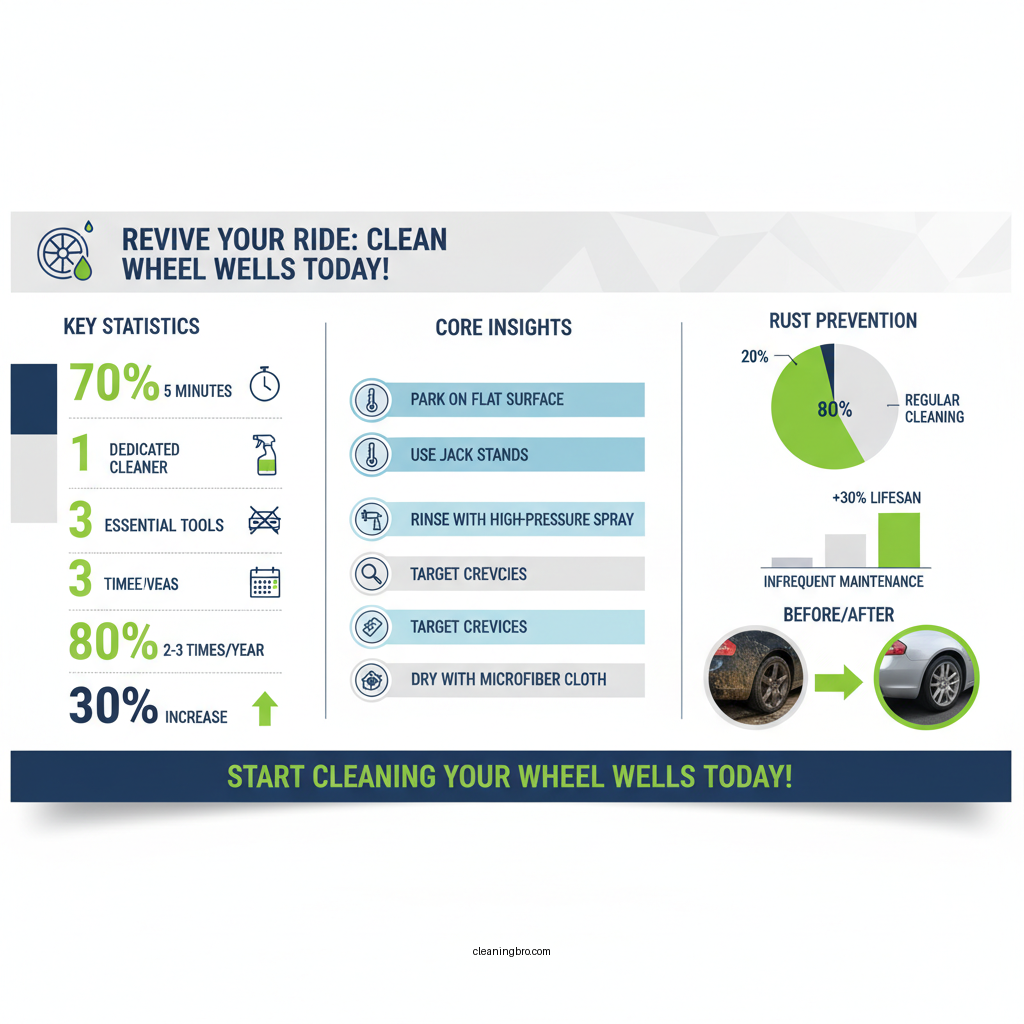
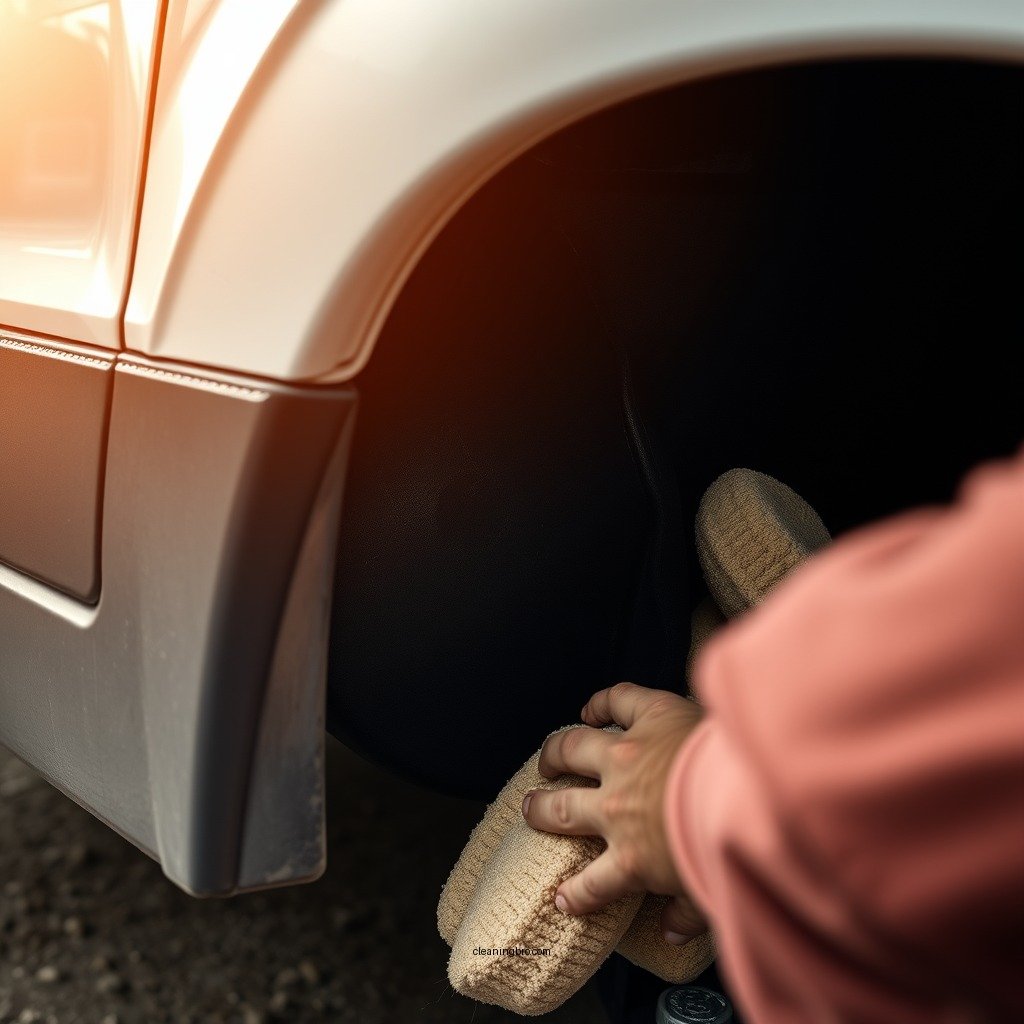
Preparation is key to achieving optimal results when cleaning your wheel wells. Follow these steps to prepare your vehicle properly:
– Park on a flat surface: Ensure your vehicle is parked on a stable, flat surface to prevent any accidents while cleaning.
– Ensure it’s cool to the touch: Cleaning a hot vehicle can be hazardous and may damage the paint. Allow your car to cool down if it has been driven recently.
– Use jack stands if necessary: If your vehicle has low ground clearance, it may be beneficial to use jack stands to lift it for better access to the wheel wells.
Rinse the Wheel Wells
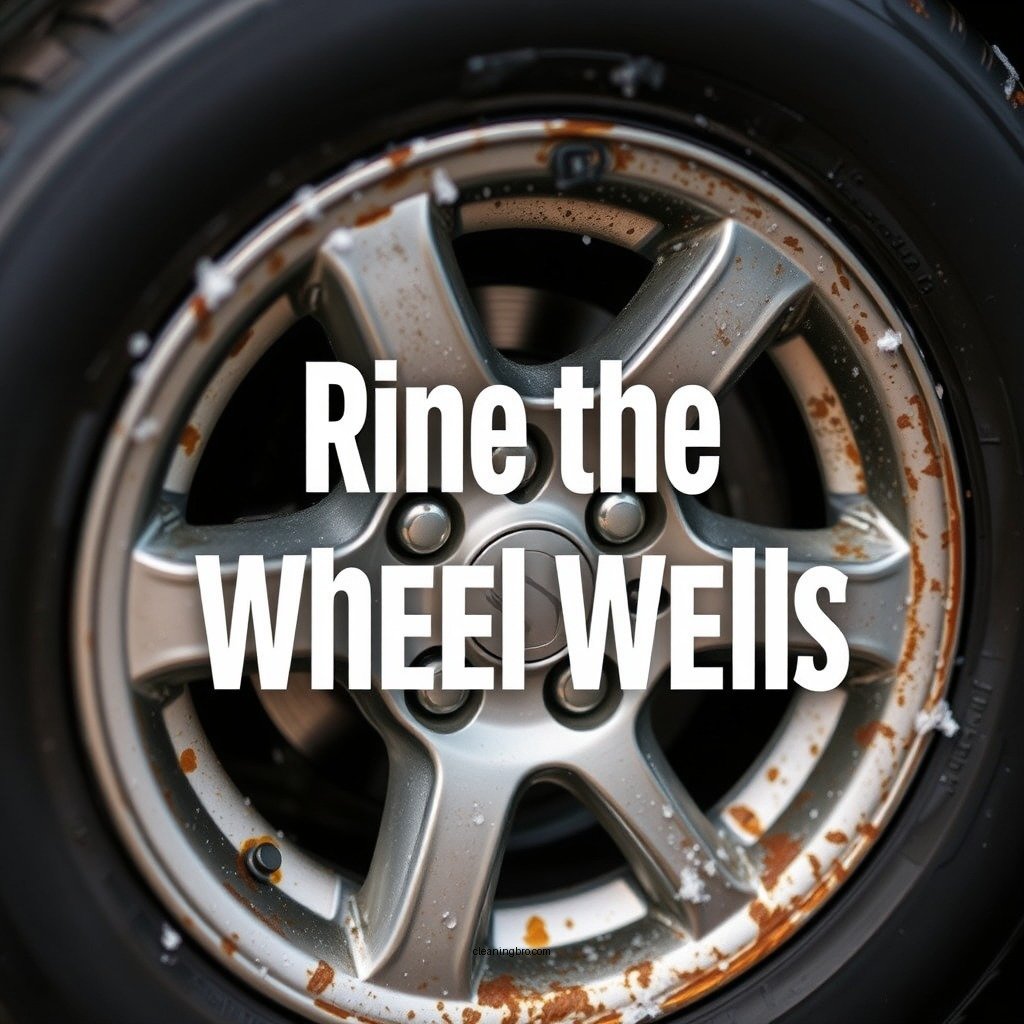
Once your vehicle is prepared, it’s time to start the cleaning process. Begin by rinsing the wheel wells:
– Use a high-pressure spray: Aim the spray nozzle directly into the wheel wells to remove loose dirt and debris. This will help loosen any stubborn grime that may be stuck.
– Target crevices: Be sure to get into the crevices and corners where dirt tends to accumulate. A focused spray will help dislodge hard-to-reach debris.
Top 7 Wheel Well Cleaners Available (2024)
| # | Product | Type | pH Neutral | Price |
|---|---|---|---|---|
| 1 | Chemical Guys Wheel Cleaner | Foam Spray | Yes | $12.99 |
| 2 | Meguiar’s Wheel Brightener | Liquid Concentrate | Yes | $15.99 |
| 3 | Griot’s Garage Heavy Duty Wheel Cleaner | Gel | Yes | $10.99 |
| 4 | Sonax Wheel Cleaner | Foam | Yes | $14.99 |
| 5 | Adam’s Polishes Wheel Cleaner | Liquid | Yes | $11.99 |
| 6 | 303 Products Multi-Surface Cleaner | Multi-Use | Yes | $9.99 |
| 7 | P21S Gel Wheel Cleaner | Gel | Yes | $16.99 |
Apply Cleaning Solution
After rinsing, the next step is to apply a cleaning solution:
– Spray the wheel well cleaner generously: Ensure that the cleaner covers all surfaces of the wheel well. If using a soap and water mixture, apply it liberally as well.
– Allow it to sit: Give the solution a few minutes to work its magic. This waiting period is essential for breaking down tough grime and dirt that may have accumulated over time.
Scrub and Agitate
This step is crucial for achieving a thorough clean:
– Use a stiff brush or sponge: Start scrubbing the wheel wells, focusing on the areas with the most stubborn grime. The stiffness of the brush will help lift dirt without damaging the surface.
– Pay attention to edges and corners: These areas tend to accumulate the most dirt, so ensure you give them extra attention while scrubbing.
Rinse Thoroughly
Once you’ve scrubbed the wheel wells, it’s time to rinse:
– Rinse the cleaned area with water: Use the high-pressure hose or spray nozzle again to wash away all the soap and grime. This is a critical step to ensure no cleaning solution is left behind, as remnants can attract more dirt and debris.
– Check for any missed spots: After rinsing, take a moment to inspect the area. If you notice any remaining dirt, repeat the scrubbing and rinsing process as necessary.
Dry and Inspect
The final steps in your wheel well cleaning process are drying and inspecting:
– Wipe down the wheel wells with a microfiber cloth: This will help prevent water spots and keep the area looking clean and polished.
– Inspect for any remaining dirt: Perform a final check to ensure all dirt has been removed. If necessary, repeat the cleaning process for any stubborn spots that were missed.
Cleaning your wheel wells not only enhances your vehicle’s appearance but also helps prevent long-term damage such as rust and corrosion. By following these comprehensive steps, you can keep your wheel wells clean and well-maintained. Additionally, incorporating wheel well cleaning into your regular vehicle maintenance routine can significantly prolong the life of your vehicle and enhance its resale value. Make sure to allocate time for this essential task in your vehicle care regimen.
Frequently Asked Questions
What is the best way to clean wheel wells effectively?
The best way to clean wheel wells is to start by removing loose dirt and debris with a high-pressure water hose. Follow this by applying a dedicated wheel well cleaner or a degreaser, allowing it to sit for a few minutes. Use a stiff brush to scrub the area, focusing on stubborn grime, and rinse thoroughly to ensure all cleaner is washed away.
How often should I clean my wheel wells?
It’s recommended to clean your wheel wells at least once every three months, or more frequently if you drive in harsh conditions like mud, snow, or salt. Regular cleaning helps prevent rust and corrosion, maintaining the longevity of your vehicle’s undercarriage and enhancing overall aesthetics.
Why is it important to clean wheel wells?
Cleaning wheel wells is important because accumulated dirt, salt, and debris can lead to corrosion and damage to the vehicle’s metal components. Additionally, neglecting this area can contribute to unpleasant odors and even affect the performance of your vehicle, making regular cleaning a vital maintenance task.
Which tools are necessary for cleaning wheel wells?
Essential tools for cleaning wheel wells include a high-pressure hose or bucket of water, a wheel well cleaner or degreaser, a stiff-bristled brush, and microfiber cloths for drying. Optional tools like a pressure washer can expedite the cleaning process, especially for larger vehicles or heavily soiled wheel wells.
What homemade solutions can I use to clean my wheel wells?
A simple homemade solution for cleaning wheel wells consists of a mixture of vinegar and baking soda, which can effectively break down grime and dirt. Combine equal parts vinegar and baking soda to create a paste, apply it to the affected areas, and scrub with a brush before rinsing off with water for a natural and effective clean.
References
- Robots Are Learning How to Move Through a Crowd
https://www.popularmechanics.com/cars/how-to/a28036/how-to-clean-your-car/ - https://www.edmunds.com/car-care/how-to-clean-your-car-wheel-wells.html
https://www.edmunds.com/car-care/how-to-clean-your-car-wheel-wells.html - https://www.cars.com/articles/how-to-clean-your-car-wheels-and-wheel-wells-1420688604353/
https://www.cars.com/articles/how-to-clean-your-car-wheels-and-wheel-wells-1420688604353/ - Google Scholar Google Scholar
https://scholar.google.com/scholar?q=how+to+clean+wheel+wells - Google Scholar Google Scholar
https://scholar.google.com/scholar?q=wheel+well+cleaning+methods - Google Scholar Google Scholar
https://scholar.google.com/scholar?q=automotive+cleaning+techniques - how to clean wheel wells – Search results
https://en.wikipedia.org/wiki/Special:Search?search=how+to+clean+wheel+wells - https://www.ncbi.nlm.nih.gov/search/research-articles/?term=how+to+clean+wheel+wells
https://www.ncbi.nlm.nih.gov/search/research-articles/?term=how+to+clean+wheel+wells