
How to Clean Wisdom Teeth Holes with a Syringe
To clean wisdom teeth holes effectively, you can use a syringe filled with saline solution. This method helps remove food particles and bacteria from the extraction site, promoting healing and reducing the risk of infection. Proper cleaning is essential after wisdom tooth extraction, as it aids in recovery and minimizes complications. In this article, you’ll learn the steps to safely use a syringe, the best materials to use, and additional care tips for your recovery.
Understanding the Importance of Cleaning Wisdom Teeth Holes

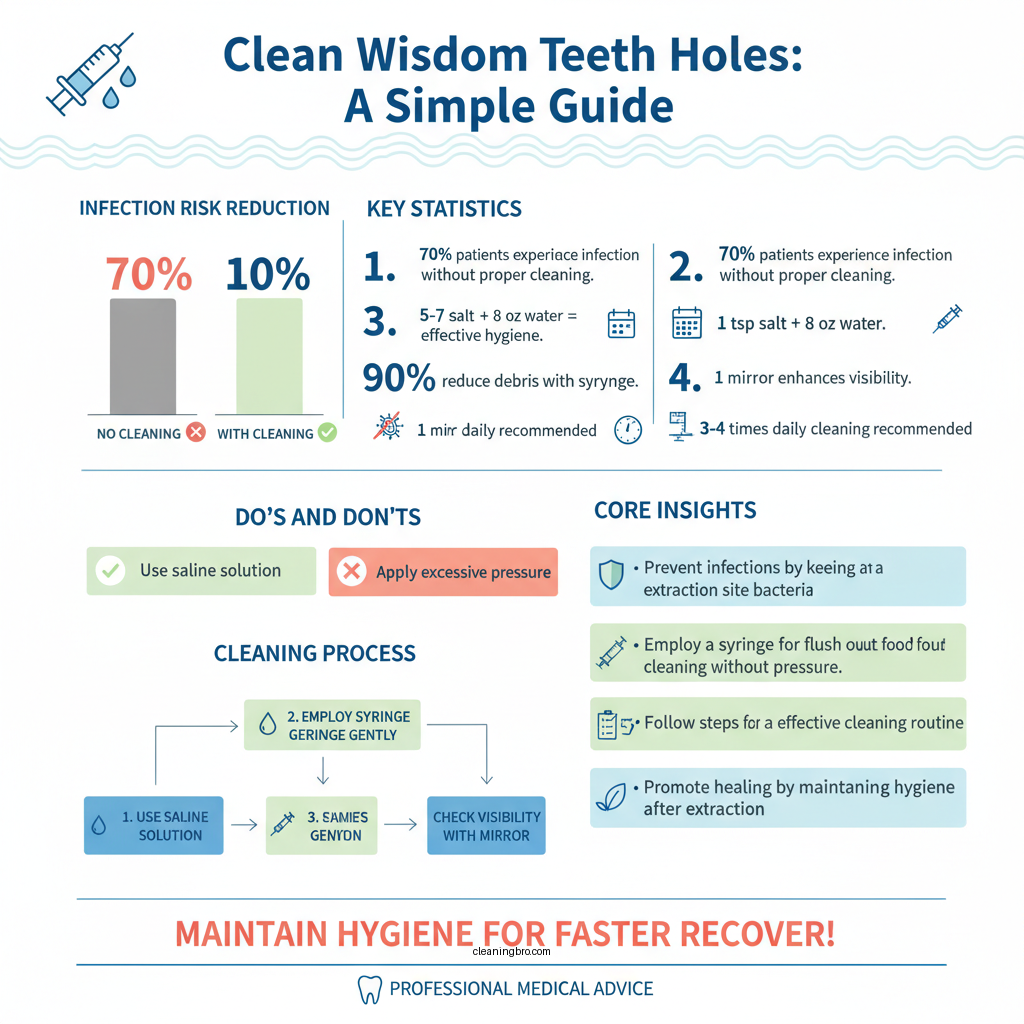
Cleaning the holes left by wisdom teeth extraction is crucial for several reasons. First and foremost, it prevents infection. The open wounds are susceptible to bacteria, which can lead to serious complications such as infections or abscesses if not properly maintained. Regular cleaning helps minimize these risks by removing food debris and bacteria that accumulate in the extraction site.
Moreover, keeping the extraction area clean aids in healing. An unclean site can prolong recovery time and lead to complications such as dry socket, a painful condition that occurs when the blood clot at the extraction site dislodges or dissolves before healing is complete. By maintaining hygiene with effective cleaning methods, you can promote faster recovery and ensure that your body heals properly.
Materials Needed for Cleaning
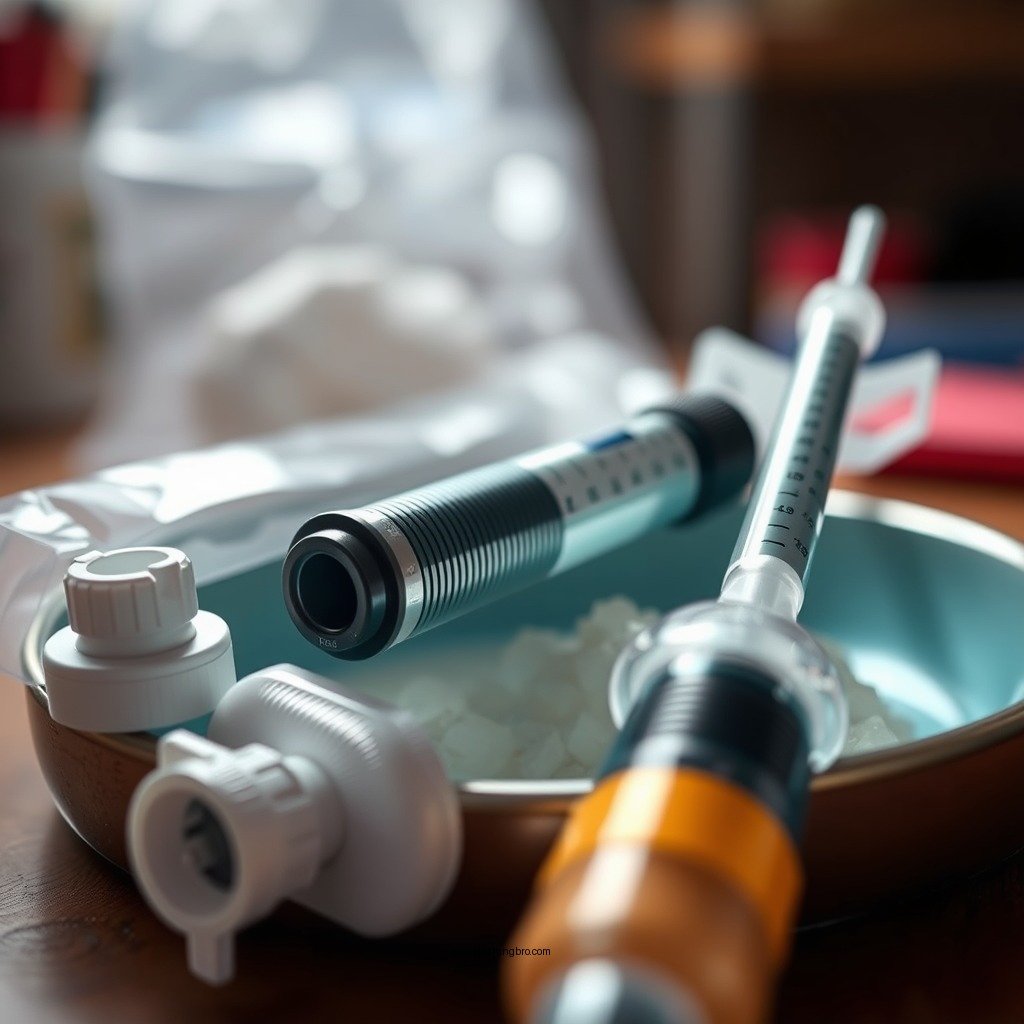
To clean your wisdom teeth holes effectively, you will need specific materials that facilitate the process:
– Syringe: A bulb or oral irrigation syringe is ideal for this task. A syringe allows for precise delivery of the saline solution directly into the extraction site without causing excessive pressure.
– Saline solution: You can purchase a saline solution from a pharmacy or make your own at home by mixing 1 teaspoon of salt with 8 ounces of warm water. This solution helps flush out debris and keeps the area clean.
– Optional: A mirror for better visibility while cleaning. Using a mirror can help you see the extraction site more clearly, allowing for more effective cleaning.
Step-by-Step Guide to Using a Syringe
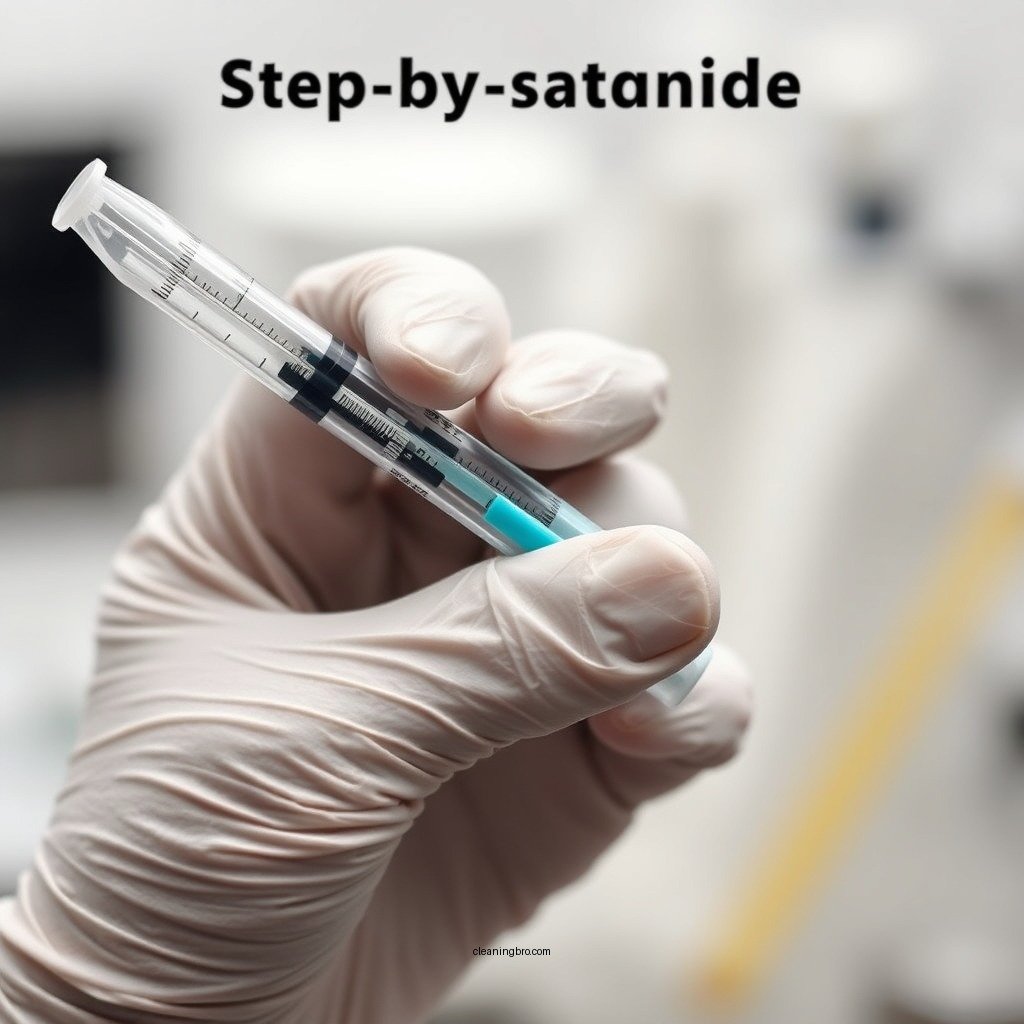
Using a syringe filled with saline solution is straightforward. Follow these steps for effective cleaning:
1. Fill the syringe: Draw up the saline solution into the syringe. Make sure there are no air bubbles trapped in the syringe, as this can affect the pressure and flow of the solution.
2. Position yourself: Lean over a sink or basin to catch any fluid that may come out during the cleaning process. This positioning will make the process less messy and more comfortable.
3. Gently rinse: Aim the syringe at the extraction site and gently squirt the solution to flush out debris. Ensure you do this at a low pressure to avoid damaging the surrounding tissue. Rinse gently until you feel satisfied that the area is clean.
Helpful Tips for Effective Cleaning
– Use warm saline: Warm saline is not only more comfortable but can also help soothe the area, making the cleaning process less painful.
– Be gentle: Avoid using too much pressure with the syringe, as this can cause damage to the healing tissue and lead to complications.
– Rinse after meals: Regular cleaning after eating can help keep the extraction site clear of any food particles, reducing the risk of infection and promoting faster healing.
Signs of Complications to Watch For
While cleaning your wisdom teeth holes is crucial, it’s equally important to be aware of potential complications that may arise during recovery. Here are some signs to watch for:
– Increased pain or swelling: If you experience heightened pain or swelling at the extraction site, it may indicate an infection or the development of a dry socket.
– Foul taste or odor: A persistent bad taste or smell in your mouth can signal an issue with the healing process, indicating possible infection.
– Excessive bleeding: If bleeding persists beyond the first few days or becomes heavy, it’s essential to contact your dentist immediately for further evaluation.
Additional Care for Wisdom Tooth Extraction Sites
Beyond cleaning, additional care is necessary for optimal healing. Consider the following tips:
– Avoid certain foods: Steer clear of hard, crunchy, or sticky foods that can irritate the extraction site or dislodge the blood clot necessary for healing.
– Follow-up appointments: Keep your dentist informed of your healing progress. Regular check-ups can help identify any issues early and ensure proper recovery.
Top 7 Cleaning Solutions for Wisdom Teeth Holes
| # | Product | Type | Effectiveness | Price |
|---|---|---|---|---|
| 1 | Oral-B Water Flosser | Electric | ★ ★ ★ ★ ★ | $79.99 |
| 2 | Hydro Floss Oral Irrigator | Electric | ★ ★ ★ ★ | $69.99 |
| 3 | Waterpik Cordless Plus | Cordless | ★ ★ ★ ★ ★ | $89.99 |
| 4 | Saline Solution Packets | Single-use | ★ ★ ★ ★ | $12.99 |
| 5 | Colgate Floss Picks | Manual | ★ ★ ★ ★ | $4.99 |
| 6 | Oral Rinse (Chlorhexidine) | Liquid | ★ ★ ★ ★ ★ | $14.99 |
| 7 | Dental Water Bottle | Manual | ★ ★ ★ ★ | $7.99 |
Top 3 Cleaning Methods for Wisdom Teeth Holes
| Feature | ⭐ Saline Syringe | Water Flosser | Manual Floss |
|---|---|---|---|
| Ease of Use | ✅ Simple | ✅ Convenient | ✅ Requires skill |
| Pressure Control | ✅ Adjustable | ✅ Consistent | ❌ Limited |
| Cost | Low | High | Very Low |
| Effectiveness | High | Very High | Moderate |
| Time Required | Short | Medium | Long |
| Comfort Level | High | Medium | Medium |
| Portability | ✅ Yes | ❌ No | ✅ Yes |
| Ease of Cleanup | ✅ Easy | ❌ Moderate | ✅ Easy |
| Availability | Widely Available | Widely Available | Readily Available |
| 🏆 Best For | Budget-conscious users | Those seeking advanced care | Casual users |
Cleaning wisdom teeth holes with a syringe is a straightforward process that significantly contributes to a smooth recovery. By following the steps outlined above and maintaining proper oral hygiene, you can ensure your extraction sites heal effectively. Moreover, being vigilant about any signs of complications and adhering to recommended care practices will enhance your recovery experience. If you experience any concerning symptoms, don’t hesitate to consult your dentist for further advice. Your oral health is paramount, and proper care post-extraction plays a crucial role in achieving long-term wellness.
Frequently Asked Questions
How do I properly clean wisdom teeth holes with a syringe?
To clean wisdom teeth holes with a syringe, you should first fill a syringe with warm saline solution or an antiseptic rinse recommended by your dentist. Gently insert the tip into the extraction site and flush out any food particles or debris by applying a gentle stream of liquid. Be careful not to force water into the hole, as this can cause discomfort or complications.
Why is it important to clean wisdom teeth holes after extraction?
Cleaning wisdom teeth holes is crucial to prevent infection and promote healing after extraction. Food particles can become trapped in the empty sockets, leading to painful complications like dry socket or infection. Regularly flushing the area helps maintain oral hygiene and ensures a smoother recovery.
What type of syringe is best for cleaning wisdom teeth holes?
The best type of syringe for cleaning wisdom teeth holes is a plastic syringe without a needle, typically a 10 ml or 20 ml size. These syringes are easy to handle and allow for controlled irrigation of the extraction site. Make sure to use a syringe that is clean and sterile to avoid introducing bacteria into the healing area.
How often should I clean my wisdom teeth holes with a syringe?
You should clean your wisdom teeth holes with a syringe at least 2-3 times a day, especially after meals, for the first few weeks following the extraction. This routine will help minimize the risk of infection and ensure that the healing process is uninterrupted. Always consult with your dentist for personalized advice based on your recovery.
Which solutions are safe to use in a syringe for cleaning wisdom teeth holes?
Safe solutions for cleaning wisdom teeth holes include warm saline solution, which can be easily made by mixing salt with warm water, or a gentle antiseptic rinse prescribed by your dentist. Avoid using harsh mouthwashes or alcohol-based solutions, as these can irritate the healing tissue and cause discomfort. Always follow your dentist’s recommendations for the best results.
References
- https://www.mayoclinic.org/diseases-conditions/wisdom-teeth-removal/symptoms-causes/syc-20361498
https://www.mayoclinic.org/diseases-conditions/wisdom-teeth-removal/symptoms-causes/syc-20361498 - https://www.ncbi.nlm.nih.gov/pmc/articles/PMC6349198/
https://www.ncbi.nlm.nih.gov/pmc/articles/PMC6349198/ - https://www.ncbi.nlm.nih.gov/pmc/articles/PMC6578922/
https://www.ncbi.nlm.nih.gov/pmc/articles/PMC6578922/ - Wisdom Teeth: Age of Wisdom – AAOMS | AAOMS
https://www.aaoms.org/conditions/wisdom-teeth - https://www.cdc.gov/oralhealth/publications/faq/wisdom-teeth.html
https://www.cdc.gov/oralhealth/publications/faq/wisdom-teeth.html - https://www.wisconsin.edu/news/archive/the-importance-of-cleaning-wisdom-teeth-sockets/
https://www.wisconsin.edu/news/archive/the-importance-of-cleaning-wisdom-teeth-sockets/ - https://www.britannica.com/science/wisdom-tooth
https://www.britannica.com/science/wisdom-tooth - Google Scholar Google Scholar
https://scholar.google.com/scholar?q=cleaning+wisdom+teeth+holes+with+syringe - Google Scholar Google Scholar
https://scholar.google.com/scholar?q=post-operative+care+wisdom+teeth - Google Scholar Google Scholar
https://scholar.google.com/scholar?q=wisdom+teeth+cleaning+techniques