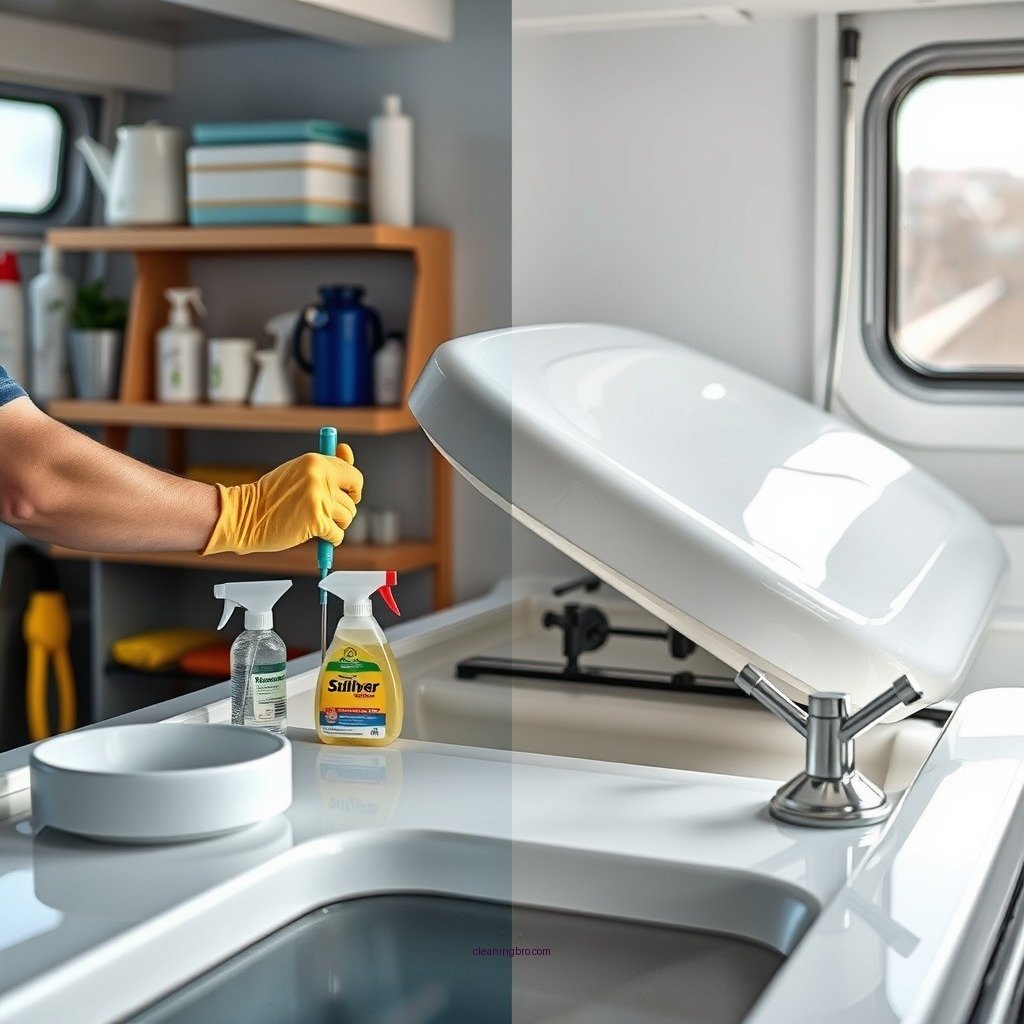
How to Clean Your Boat Fuel Tank: Step-by-Step Guide
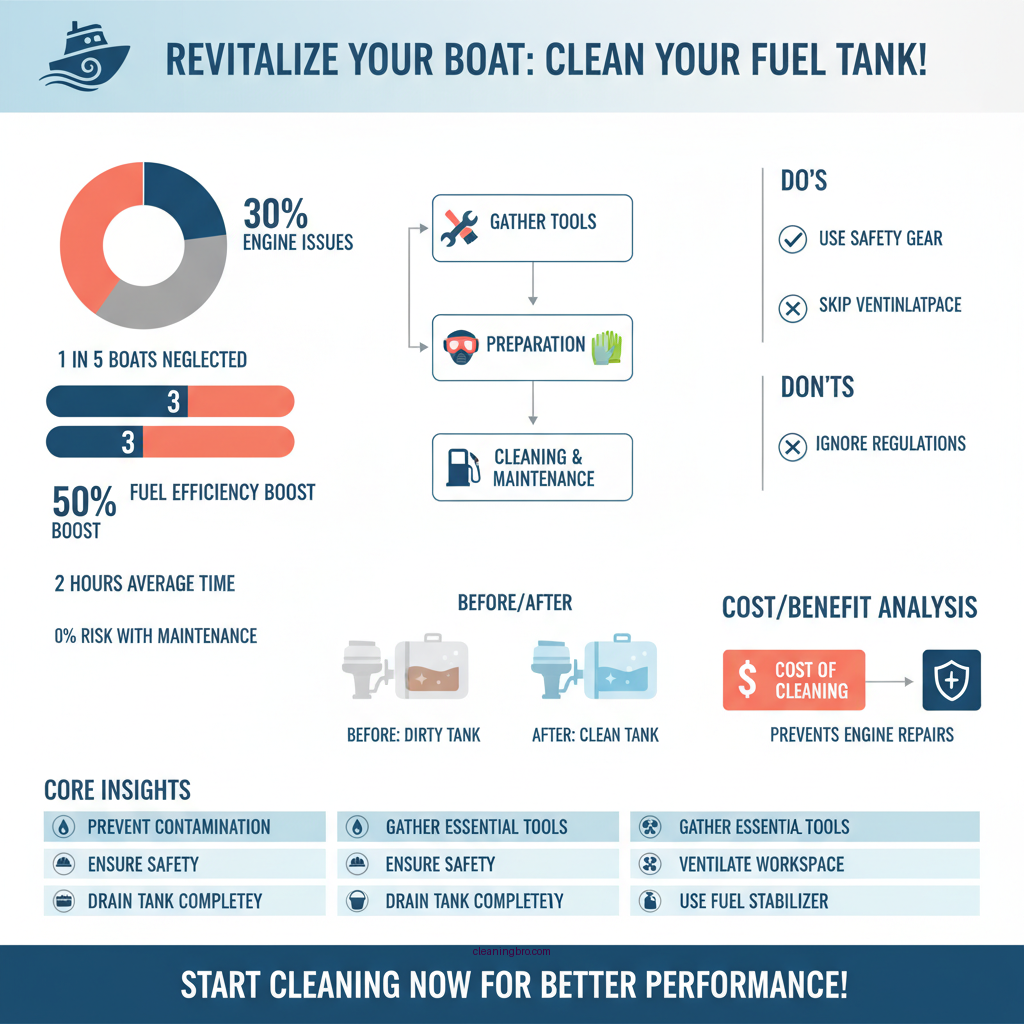
Cleaning your boat’s fuel tank is vital for ensuring optimal performance and avoiding engine malfunctions. This comprehensive guide outlines the step-by-step process to effectively clean your fuel tank, along with the tools you’ll need, necessary safety precautions, and best practices that ensure a thorough cleaning job. By following these steps, you can prevent fuel contamination and maintain your boat’s overall efficiency.
Understand the Importance of Cleaning
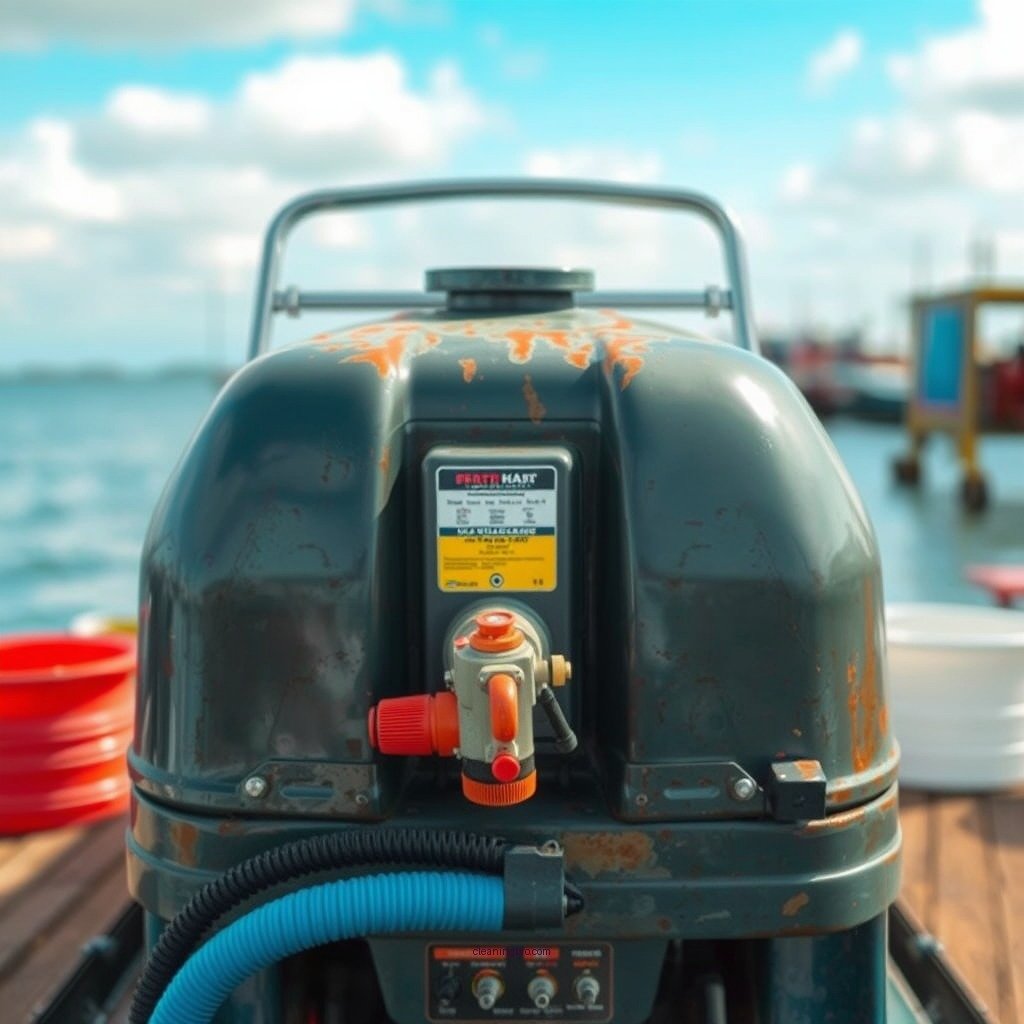
Cleaning your boat’s fuel tank is not merely about aesthetics; it serves a critical role in the longevity and performance of your marine vessel. Over time, fuel tanks can accumulate sludge, water, and other contaminants that can lead to serious engine problems. Regular cleaning helps prevent fuel contamination, which can cause blockages in fuel lines and filters, ultimately leading to engine failure. Additionally, maintaining a clean fuel system can significantly enhance fuel efficiency, allowing your boat to operate at peak performance while saving on fuel costs. This proactive approach can prevent costly repairs and extend the life of your engine.
Gather Necessary Tools and Supplies
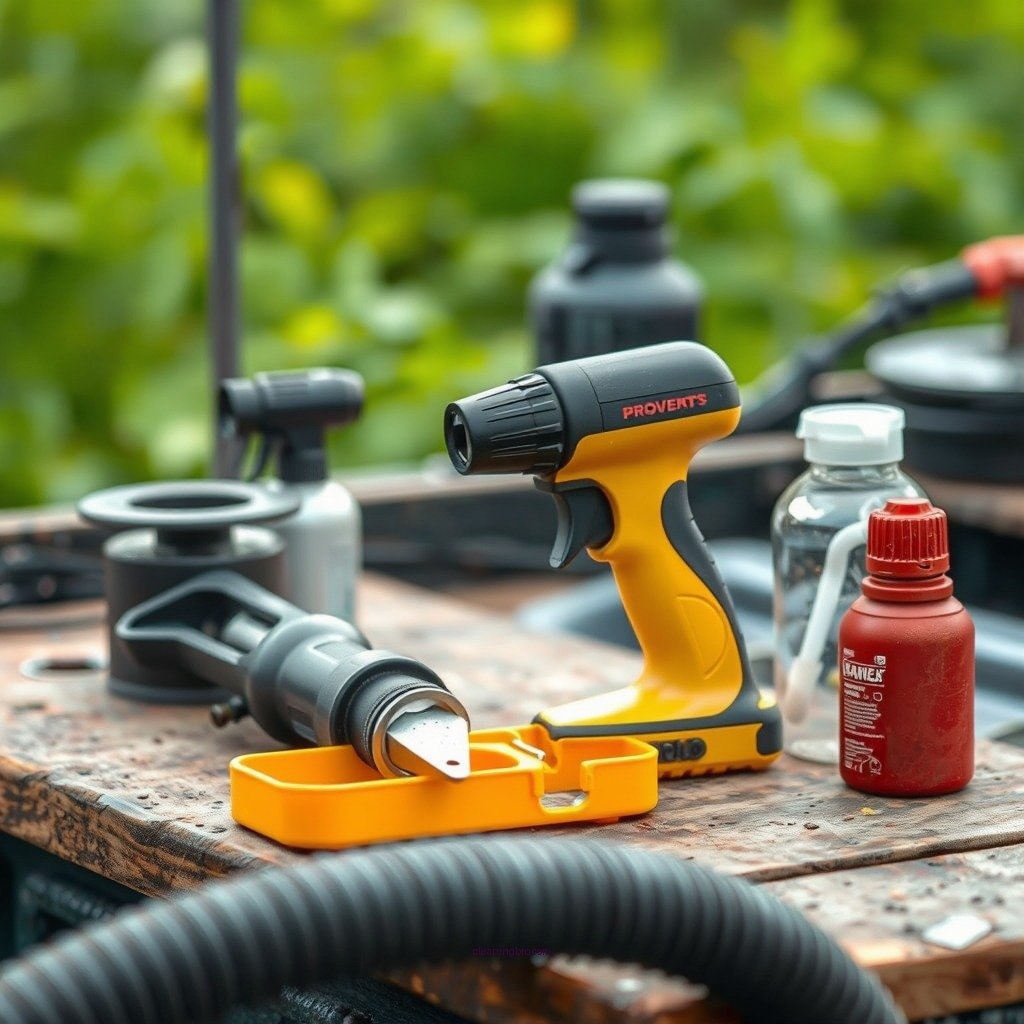
Before embarking on the cleaning process, it is essential to gather all the necessary tools and supplies. Here’s what you’ll need:
– Fuel Tank Cleaning Kit: This typically includes brushes, siphoning tools, and cleaning solutions specifically designed for marine fuel systems.
– Safety Gear: Safety should be your top priority. Equip yourself with gloves, goggles, and a respirator mask if you are working in a confined space or are sensitive to fumes.
– Buckets and Towels: For collecting debris and residual fuel, and for wiping down surfaces.
– Fuel Stabilizer: This may be used when refilling your tank to help prevent future contamination.
Having all these items ready will streamline the process and ensure you can clean your fuel tank effectively and safely.
Prepare for Cleaning
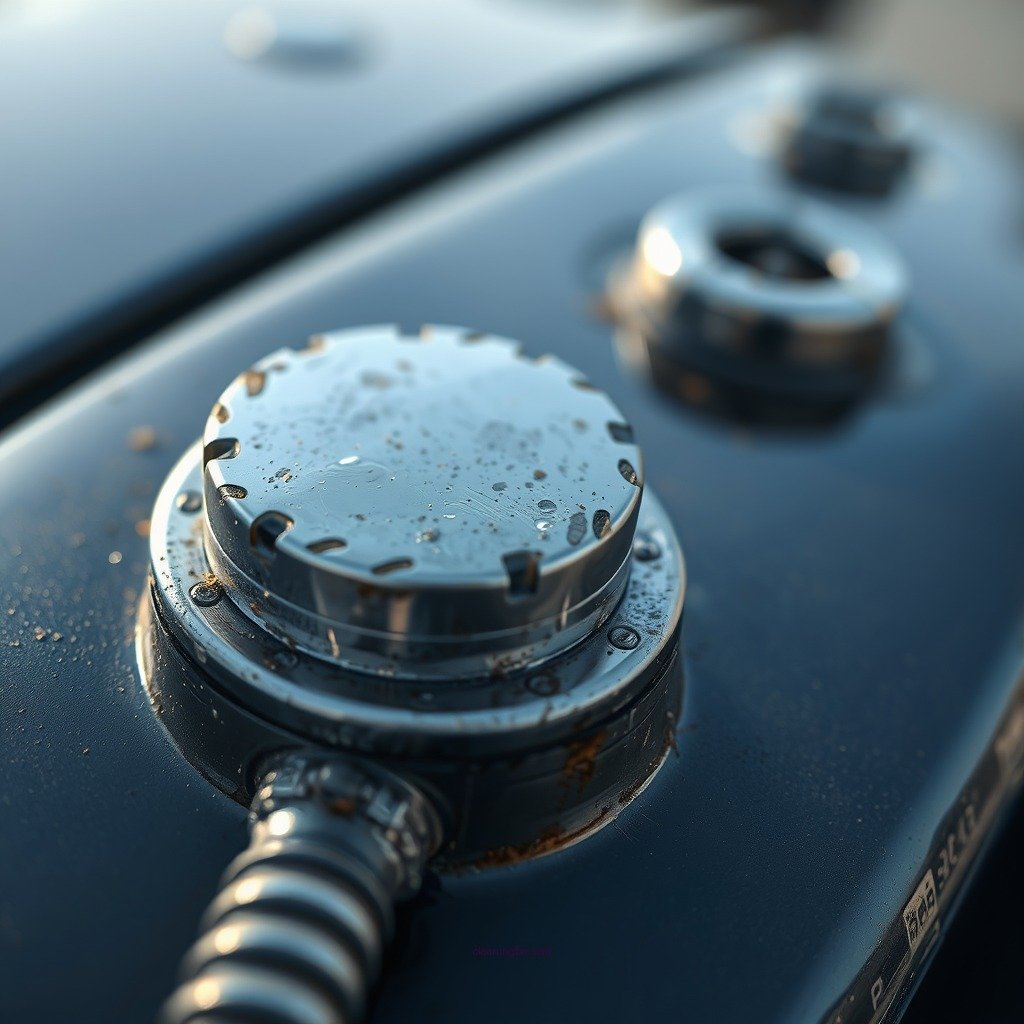
Preparation is key to a successful fuel tank cleaning. Start by ensuring that your boat is in a well-ventilated area, ideally outdoors or in a workshop with ample airflow. This reduces the risk of inhaling harmful fumes and prevents any fire hazards. Next, drain the fuel tank completely. Use a siphon pump to remove as much fuel as possible, ensuring that you follow local regulations for disposing of or storing fuel. Always check for any safety warnings regarding the cleaning products you will be using and ensure that you are following all recommended guidelines. Proper preparation sets the foundation for a safe and effective cleaning process.
Cleaning Process Step-by-Step
Now that you are prepared, follow these steps to clean your boat’s fuel tank effectively:
1. Remove Residual Fuel: Use a siphon to extract any remaining fuel and debris from the tank. Make sure to collect this in a safe container for proper disposal.
2. Scrub the Interior: Using a suitable brush from your cleaning kit, scrub the inside of the tank thoroughly. Pay special attention to the corners and edges where sludge tends to accumulate.
3. Cleaning Solution: Mix a recommended cleaning solution with water and apply it generously inside the tank. Let it sit for a few minutes to break down any stubborn deposits.
4. Rinse: After scrubbing, rinse the tank thoroughly with clean water to remove any cleaning residues. Make sure no cleaning solution is left behind, as it can contaminate future fuel.
5. Dry the Tank: Allow the tank to air dry completely before reassembly. This step is crucial to prevent moisture from getting into the fuel system.
Rinse and Inspect the Tank
After thoroughly rinsing the tank, it’s time to conduct a careful inspection. Check for any signs of corrosion, rust, or physical damage to the tank. This is particularly important for older tanks, as any deterioration could lead to leaks or failures in the future. If you notice any issues, consider consulting a marine professional for advice on repairs or replacements. A clean and intact fuel tank is essential for the reliable operation of your boat.
Reassemble and Refill
Once the tank is clean and inspected, it’s time to reassemble and refill:
1. Secure Connections: Ensure that all connections and fittings are secure and leak-free. Check O-rings and seals for wear and replace them if necessary.
2. Refill with Fresh Fuel: Fill the tank with fresh fuel, preferably from a reputable source to avoid introducing contaminants.
3. Add Fuel Stabilizer: Consider adding a fuel stabilizer to your fresh fuel. This will help prevent future contamination and maintain fuel quality during periods of non-use.
4. Final Checks: Before you start the engine, check for leaks one more time. Turn on the fuel system and listen for any irregular sounds or indications of problems.
Regular Maintenance Tips
To keep your fuel tank in optimal condition, implement a regular maintenance routine. Schedule inspections and cleanings based on your boat’s usage; for instance, if you frequently use your boat, consider cleaning the fuel tank at least once a season. Additionally, keep fuel filters and lines clean and replace them as necessary to minimize the need for tank cleanings. Regular maintenance not only enhances performance but also ensures safety while enjoying your time on the water.
Top 7 Boat Fuel Cleaning Tools (2024)
| # | Tool | Type | Price | Rating |
|---|---|---|---|---|
| 1 | Fuel Tank Cleaning Kit | Complete | $49.99 | ★★★★☆ |
| 2 | Siphon Pump | Manual | $15.99 | ★★★★★ |
| 3 | Fuel Stabilizer | Liquid | $12.50 | ★★★★☆ |
| 4 | Cleaning Brushes | Set | $9.99 | ★★★★☆ |
| 5 | Goggles | Safety Gear | $4.99 | ★★★★★ |
| 6 | Fuel Filter | Replaceable | $19.99 | ★★★★☆ |
| 7 | Respirator Mask | Safety Gear | $25.00 | ★★★★☆ |
Fuel Tank Contaminant Levels Before and After Cleaning (ppm)
Fuel Tank Cleaning Products Comparison
| Feature | ⭐ Fuel Tank Cleaning Kit | Fuel Stabilizer | Siphon Pump |
|---|---|---|---|
| Price | $49.99 | $12.50 | $15.99 |
| Ease of Use | ✅ Comprehensive | ✅ Straightforward | ✅ Easy |
| Effectiveness | ✅ Highly Effective | ✅ Prevents Contamination | ✅ Good |
| Size | Standard | 4 oz | 1.5L |
| Availability | ✅ Widely Available | ✅ Common | ✅ Easy to Find |
| Safety | ✅ Safe | ✅ Safe | ✅ Safe |
| User Reviews | ★★★★☆ | ★★★★☆ | ★★★★★ |
| Brand Reputation | High | Good | Reliable |
| 🏆 Best For | Comprehensive Cleaning | Preventative Maintenance | Fuel Transfer |
Maintaining a clean fuel tank is crucial for your boat’s longevity and performance. Following the steps outlined in this guide will ensure your tank remains in top condition, preventing fuel contamination and engine issues. Regular maintenance will save you time and money in the long run, allowing you to enjoy your time on the water worry-free. If you encounter any issues or feel uncertain about any steps, consult a marine professional to assist you. Your boat deserves the best care to provide you with memorable experiences on the water.
Frequently Asked Questions
What are the steps to properly clean a boat fuel tank?
To properly clean a boat fuel tank, start by draining all fuel and removing any debris. Next, use a cleaning solution specifically designed for fuel tanks, along with a brush or cloth to scrub the interior. Rinse thoroughly with clean fuel to remove any residue, and ensure the tank is completely dry before refilling it with fresh fuel.
How can I remove sludge from my boat’s fuel tank?
To remove sludge from your boat’s fuel tank, first, drain the tank completely. Then, use a fuel tank cleaning kit that includes a sludge remover and a pump to help dislodge and remove the sludge. After cleaning, it’s crucial to flush the tank with clean fuel to ensure no contaminants remain.
Why is it important to clean a boat fuel tank regularly?
Regular cleaning of a boat fuel tank is important to prevent fuel contamination, which can lead to engine performance issues and costly repairs. Dirty tanks can harbor bacteria and sediment that clog filters and injectors, ultimately impacting the safety and efficiency of your boat. Keeping the tank clean ensures optimal performance and longevity of the engine.
What is the best method for cleaning a fiberglass fuel tank?
The best method for cleaning a fiberglass fuel tank involves using a specialized cleaner that is safe for fiberglass materials. Begin by emptying the tank, then apply the cleaner and scrub the walls with a soft brush to avoid scratching the surface. Rinse thoroughly with clean water and allow the tank to dry completely before refilling.
Which tools do I need to clean a boat fuel tank effectively?
To clean a boat fuel tank effectively, you’ll need basic tools such as a fuel siphon pump, cleaning brushes, rags, and a fuel-safe cleaning solution. Additionally, having a vacuum pump can help remove sludge and debris more efficiently. Always ensure you have safety gear like gloves and goggles to protect yourself during the cleaning process.
References
- https://www.boatsafe.com/cleaning-fuel-tank/
https://www.boatsafe.com/cleaning-fuel-tank/ - www.seadog.com – Coming Soon
https://www.seadog.com/articles/how-to-clean-your-boat-fuel-tank - https://www.extension.umn.edu/garden/landscaping/cleaning-your-boat-fuel-tank/
https://www.extension.umn.edu/garden/landscaping/cleaning-your-boat-fuel-tank/ - Google Scholar Google Scholar
https://scholar.google.com/scholar?q=how+to+clean+boat+fuel+tank - Google Scholar Google Scholar
https://scholar.google.com/scholar?q=boat+fuel+tank+maintenance - Google Scholar Google Scholar
https://scholar.google.com/scholar?q=marine+fuel+tank+cleaning+procedures - how to clean boat fuel tank – Search results
https://en.wikipedia.org/wiki/Special:Search?search=how+to+clean+boat+fuel+tank - https://www.ncbi.nlm.nih.gov/search/research-articles/?term=how+to+clean+boat+fuel+tank
https://www.ncbi.nlm.nih.gov/search/research-articles/?term=how+to+clean+boat+fuel+tank